Latest from BCA Research

We continue to anticipate that the Fed won’t pause its tightening cycle until Q1 or Q2 of 2023, and current labor market trends certainly give no indication that a Fed pause (or “pivot”) is imminent.

Sentiment toward stocks is depressed and European valuations have declined substantially. However, the earnings outlook remains poor. Which side will win?


Long-after-the-fact revisions to reported income, spending and savings data do not alter our assessment that a flush consumer will continue to support the US economy and allow S&P 500 earnings to surprise the bearish investor consensus.

In this report, we assess that sterling likely bottomed below 1.04. We expect volatility in the currency to remain in place but are buyers below current levels. On balance, there is a tug of war between irresponsible fiscal policy and the pound as a global reserve currency. This will create a buy-in opportunity for investors who missed the latest dip.

OPEC 2.0’s decision to cut 2mm b/d of output beginning in December telescopes the loss of Russian volumes we expect over the course of the coming year. OPEC 2.0 clearly is not playing by the G7’s or the US’s rules. This will keep prices volatile.



US equity markets had a lackluster September but saw some signs of recovering on the back of “bad news”, i.e., a cooling down of the economy. In the fallout, the USHQ portfolio sustained relative gains vs the SPY (-5.4% vs -7.1%). Information Technology and Consumer Discretionary were the main source of relative outperformance. The BCA Score was the most profitable on a long/short basis over the past month, propelled by its high weighting toward Safety-type factors.
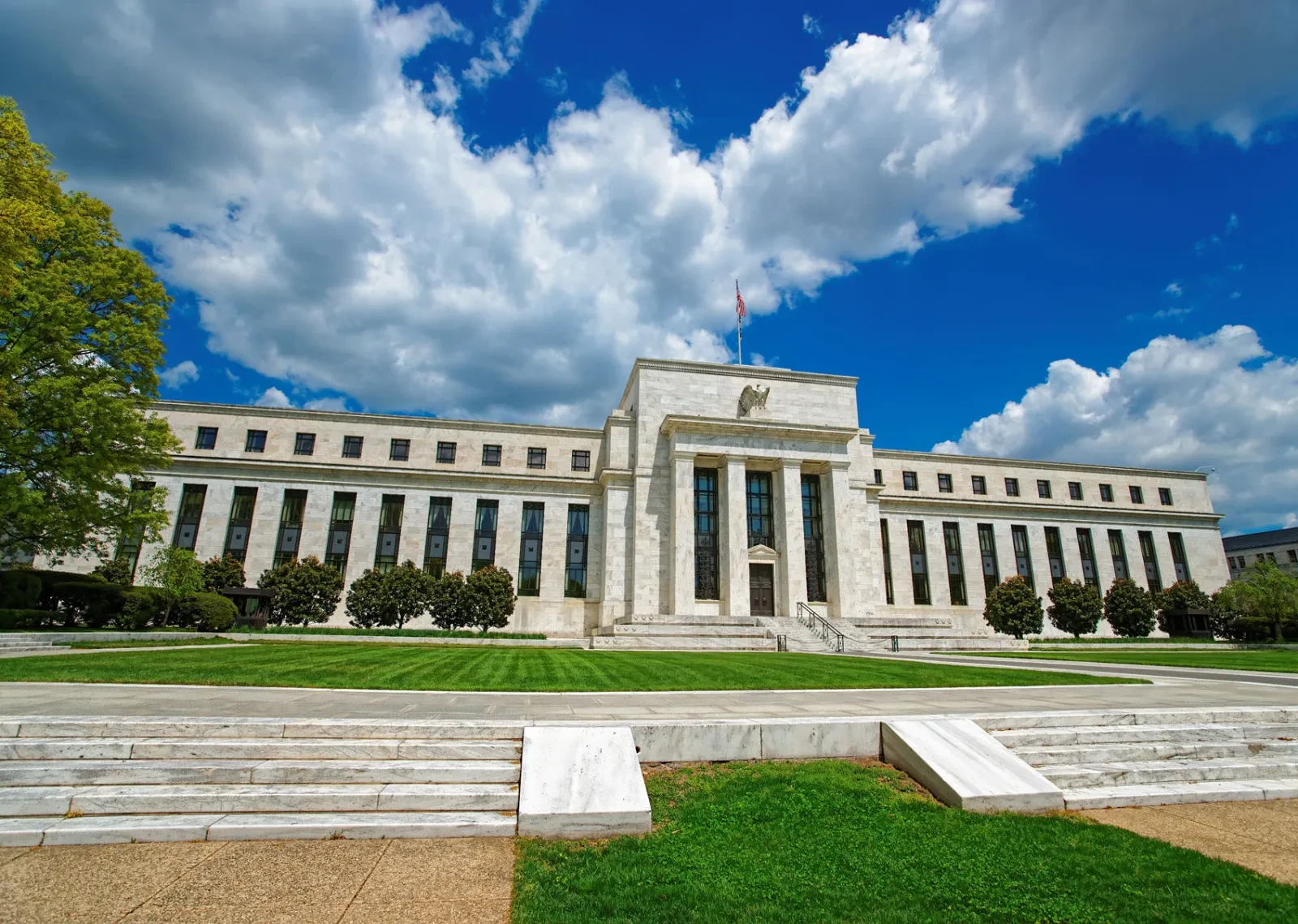
The Fed says that to get back to 2 percent inflation, the US unemployment rate must increase by ‘just’ 0.6 percent through 2023-24. All well and good you might think, except that the Fed is forecasting something that has been unachievable for at least 75 years! Is the Fed gaslighting us? And what does it mean for investment strategy?