Skip to main content

Latest from BCA Research
Bank Credit Analyst In Section I, we discuss the economic and financial market outlook in the wake of Jerome Powell’s Jackson Hole speech. Equity investors may pursue a bullish rate-cut narrative for a few months, and it is possible that the economic data will remain consistent with a soft landing for a time. However, we recommend selling rather than buying such a rally, given an ongoing decline in labor demand that will ultimately turn recessionary. Investors should remain conservatively positioned. In Section II, we present a list of answers to questions that we have received about our equity portfolio positioning recommendations. We continue to recommend underweighting small caps, overweighting US stocks, and favoring defensive sectors. We are neutral growth versus value for now but expect to downgrade once clear recessionary dynamics emerge.
Chinese property developers will require at least RMB 500 billion in additional government funding to prevent further declines in housing completions for the rest of 2024. However, without addressing the underlying challenges, any new rescue measures similar to those announced in May are unlikely to effectively support the real estate market.
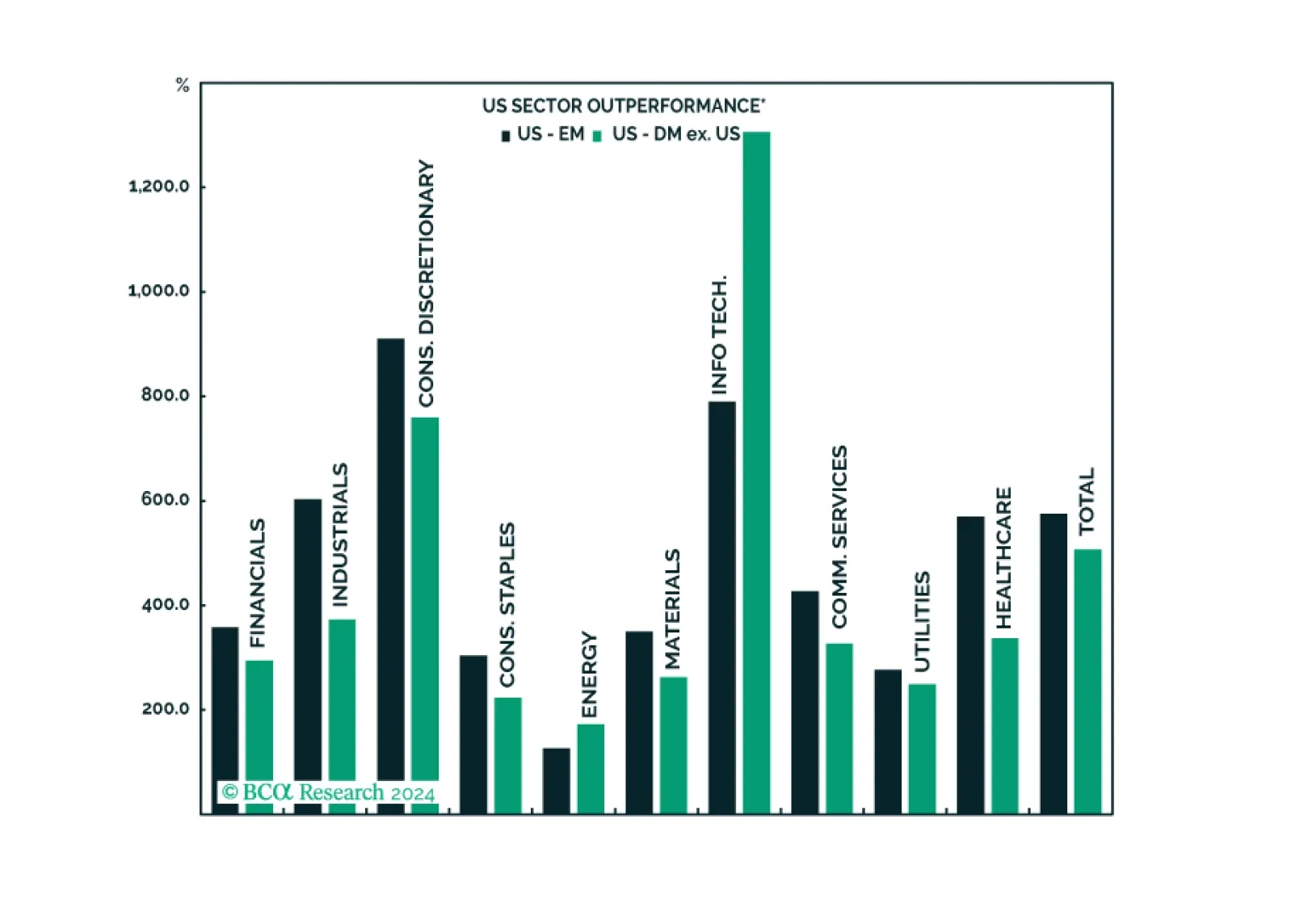
Special Report This companion piece to our updated return assumptions offers our analysis on themes related to strategic asset allocation. This year, we discuss: The long-term outlook for US stock market outperformance, the role of dilution and economic growth in long-term equity returns, how investors can use equity factors over the strategic horizon; the role of the term premium when making a strategic allocation to government bonds, and the benefits of including commodities in a strategic portfolio coupled with the dynamics of commodities supercycles.
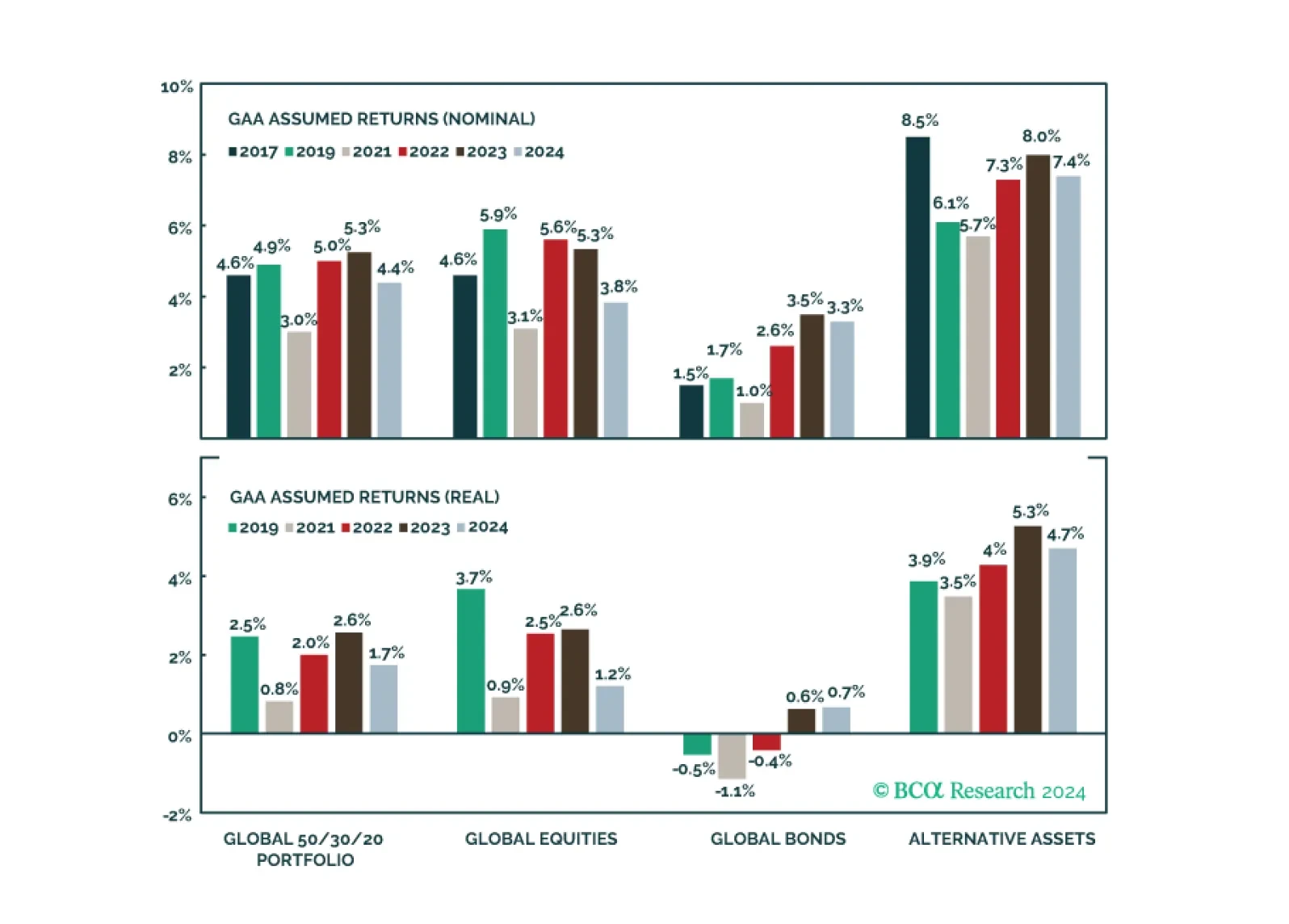
Special Report We update our long-term return assumptions for public and private assets. A global portfolio is likely to return only 4.4% a year over the next decade, compared to 6.9% in the past. Investors either need to lower their return expectations, or take more risk. On top of this annual update, we are also publishing a companion piece offering our analysis on the long-term return outlook for different asset classes.
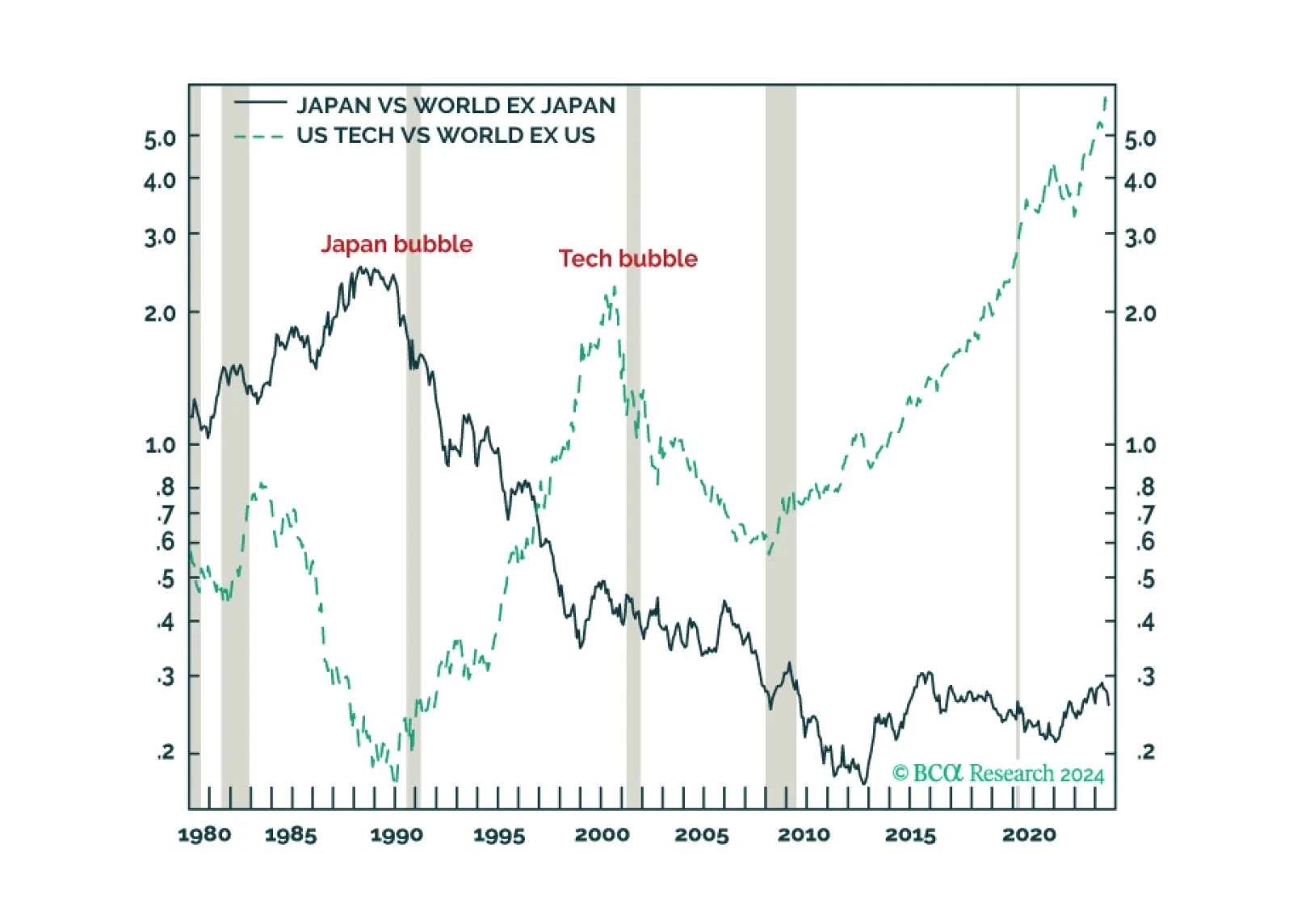
Investors should worry much less about a US or global recession than they should worry about the bubble in anything AI-related. This means staying overweight bonds and the JPY, underweight US tech and quasi-tech, and underweight the US. Plus: SGD/USD is vulnerable to reversal, while copper versus gold can rebound.
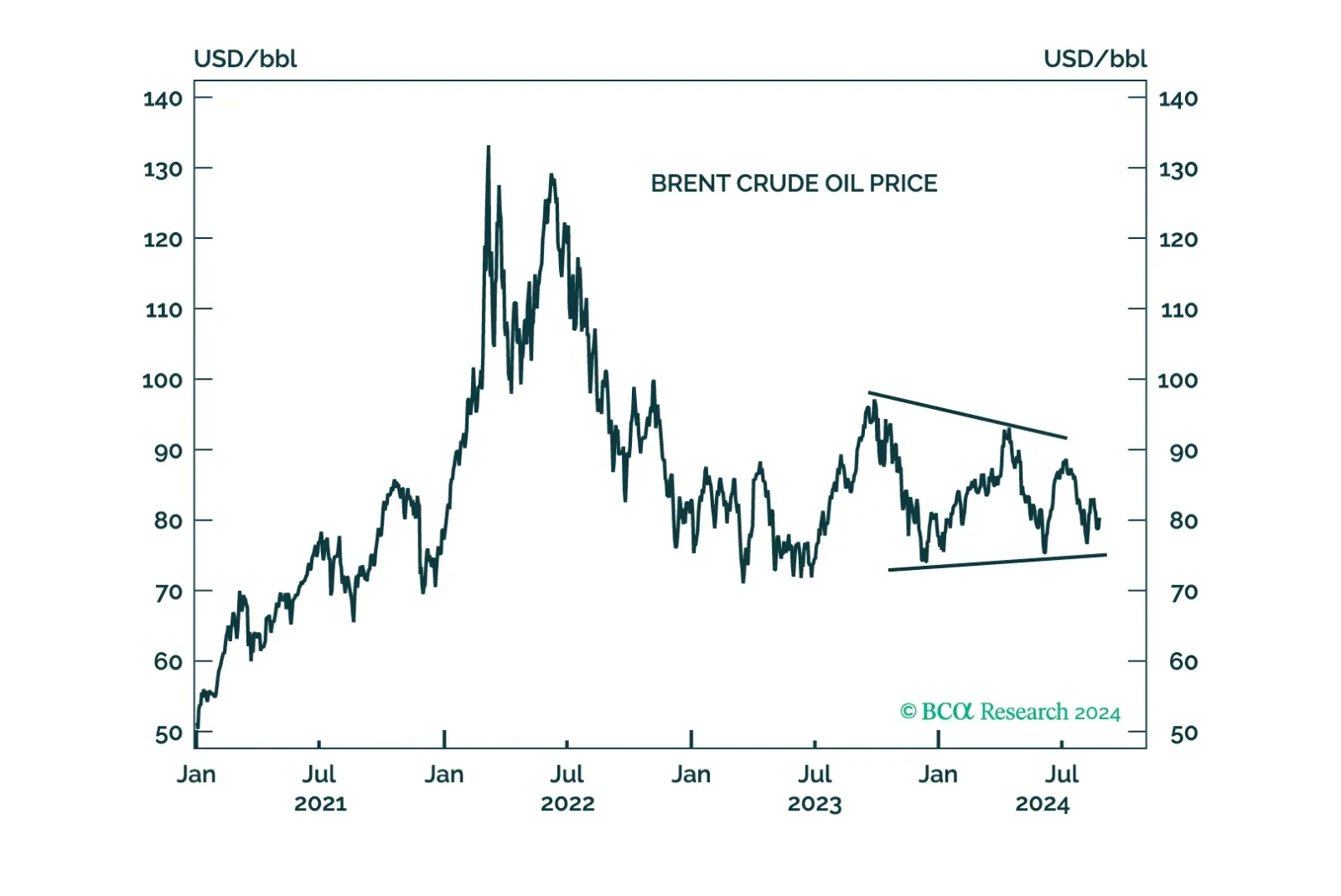
Oil prices failed to hold onto their recent rebound. They slid on Tuesday as demand con-cerns resurfaced. This dynamic is the latest iteration of a tug-of-war that has kept oil prices in a trading range since H2 2023. Bearish demand concerns are enforcing an upper limit on the price of crude while bullish supply risks are maintaining a floor.
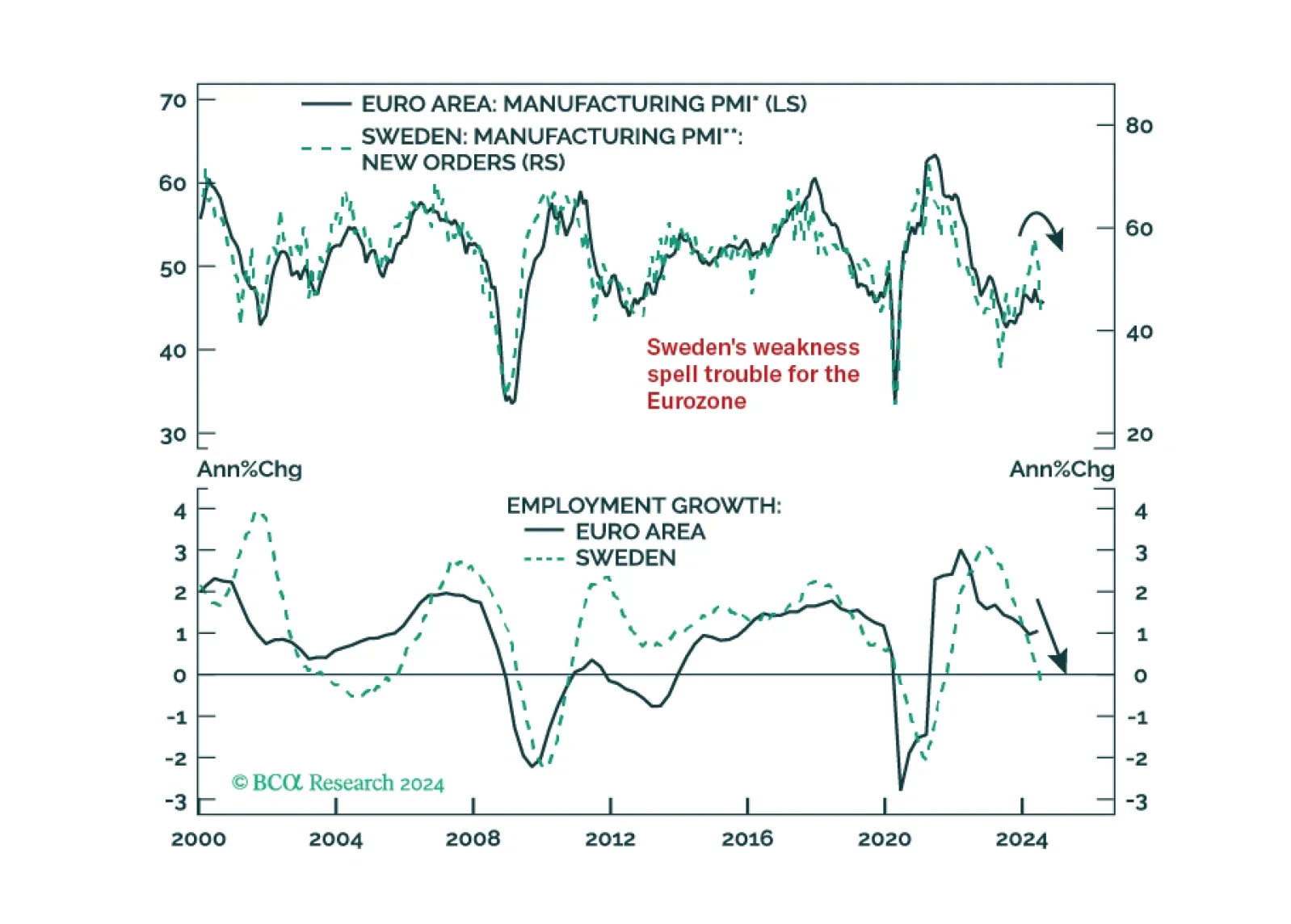
Our negative stance on European growth and assets is not devoid of risks. To gauge whether these risks warrant upgrading our growth outlook, we monitor Sweden closely. So, what is the current message from this Nordic economy?
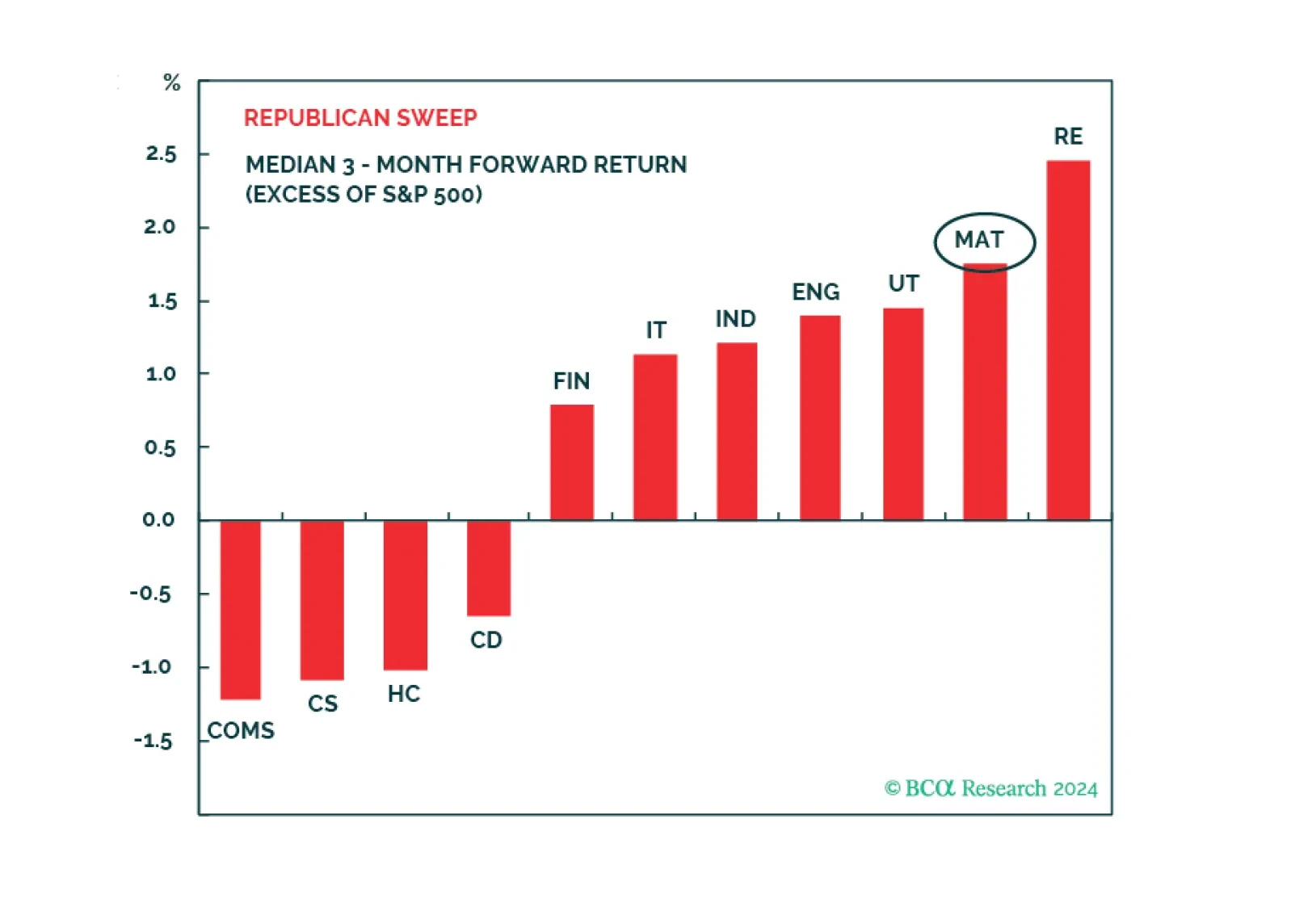
Special Report Favor Health Care and Utilities for defensive positioning amid economic slowdown and volatility as the presidential election approaches. A Republican Sweep favors Real Estate and Materials, while the second most likely outcome, Democrat gridlock, favors Health Care, and Information Technology.
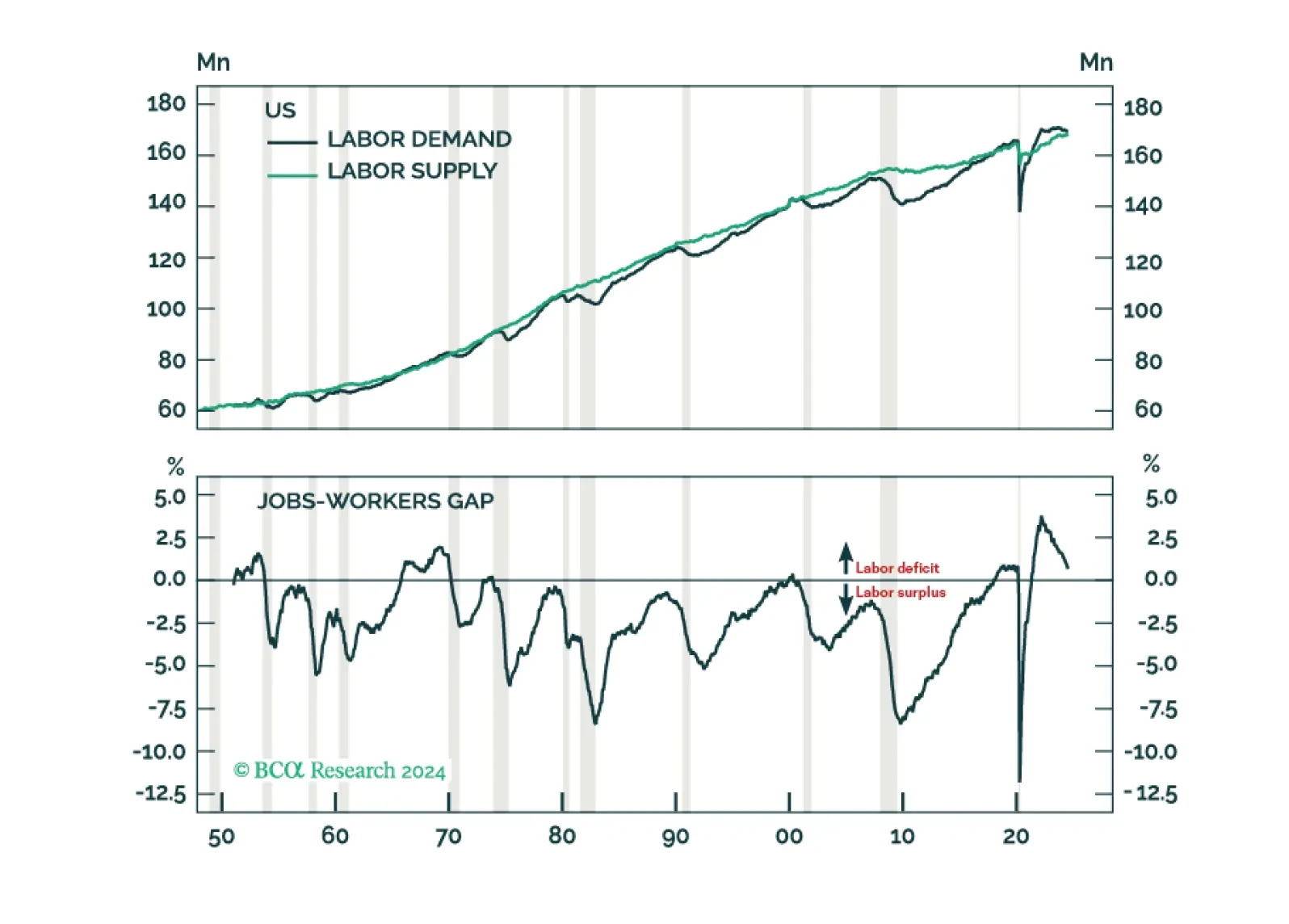
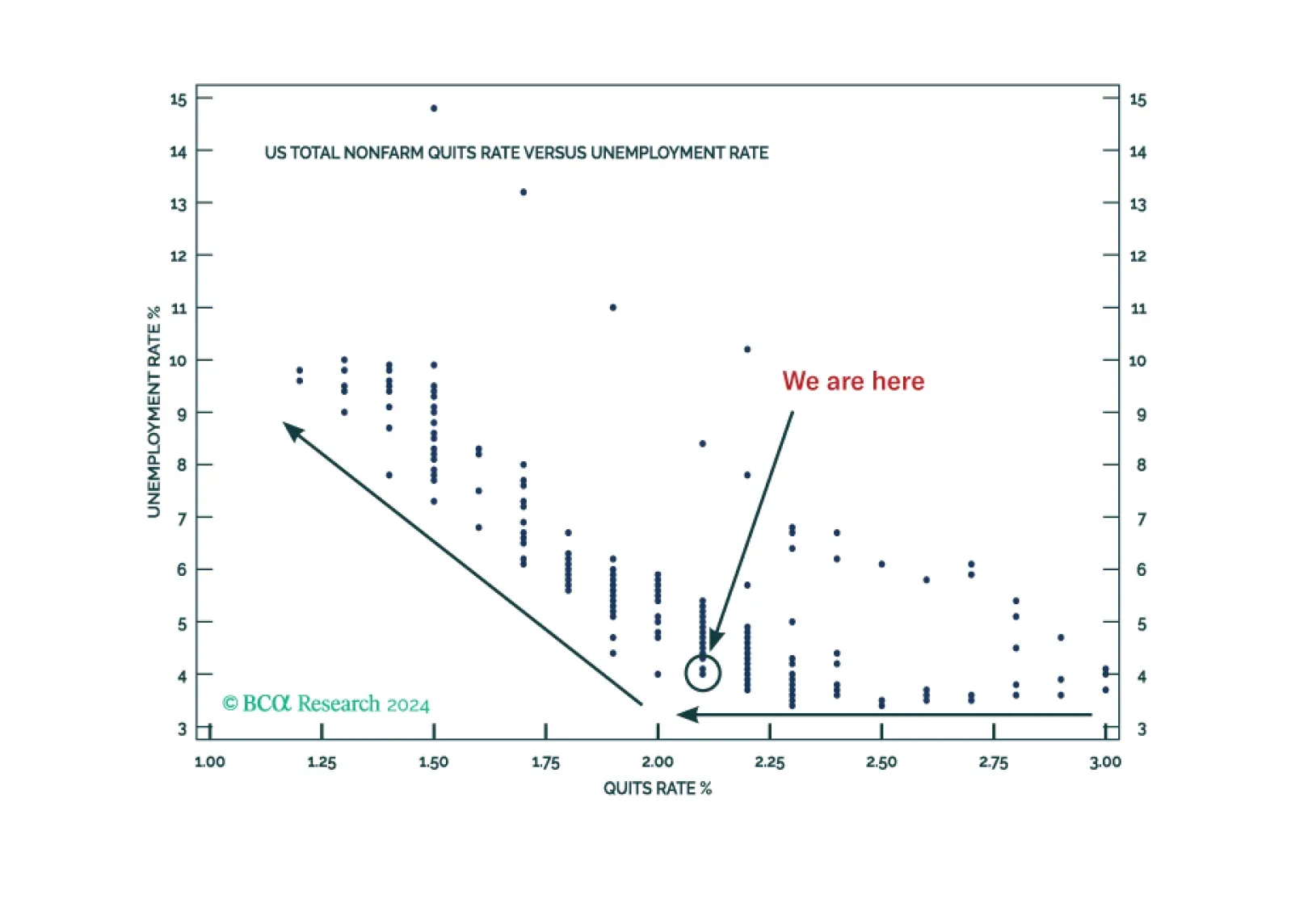
The great US labor market shortage is over. Labor demand will likely fall short of supply by the end of this year, causing unemployment to soar. Neither fiscal nor monetary policy will be able to prevent the coming recession. Investors should underweight stocks and overweight Treasuries.
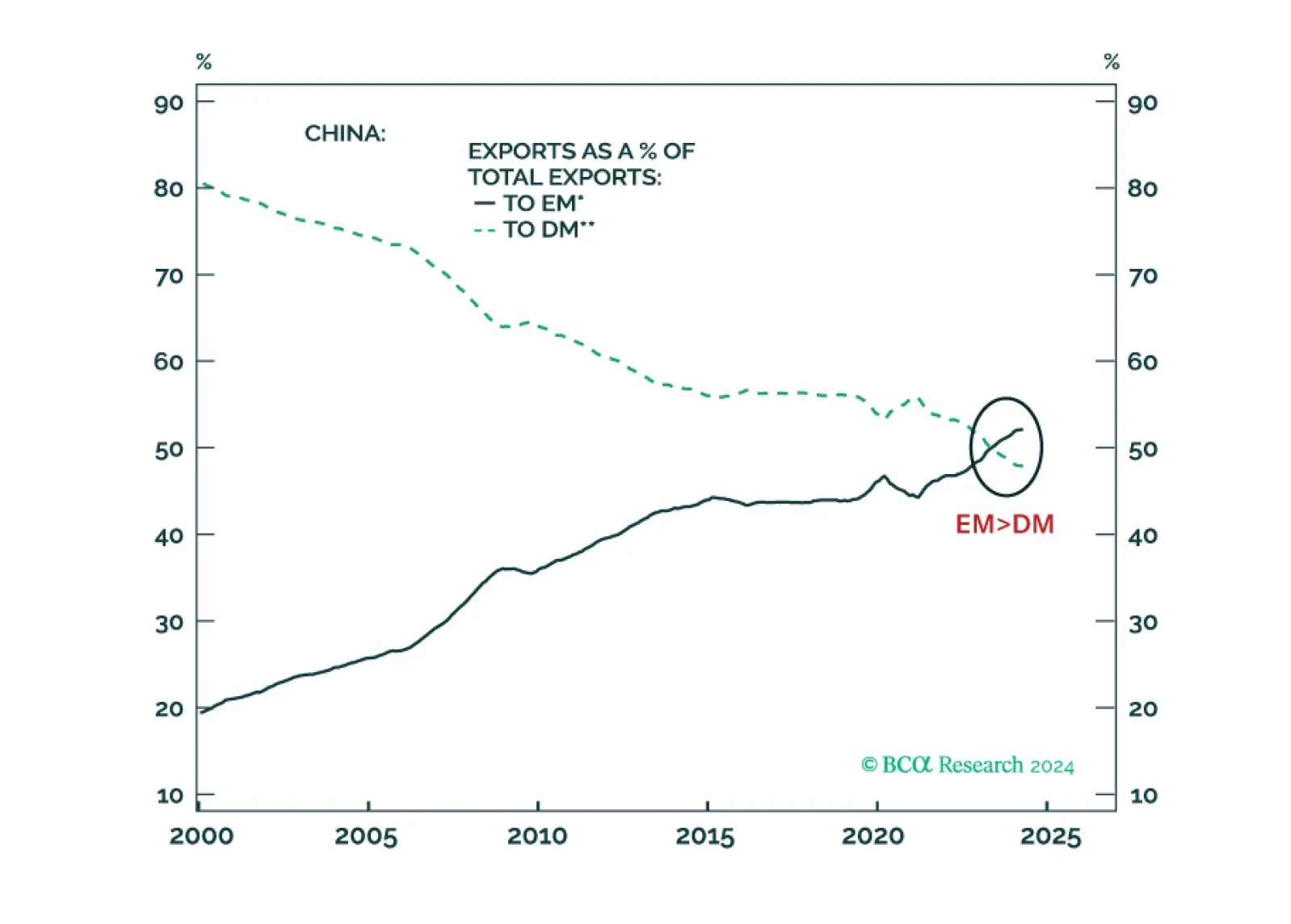
Special Report China has become less reliant on exports to advanced economies, and its products have successfully penetrated developing economies. Exports to the US make up 3% of Chinese GDP, while exports to all developing economies account for 10% of its GDP. China’s trade pivot from advanced to developing economies has economic, political, and geopolitical ramifications.