Tariffs
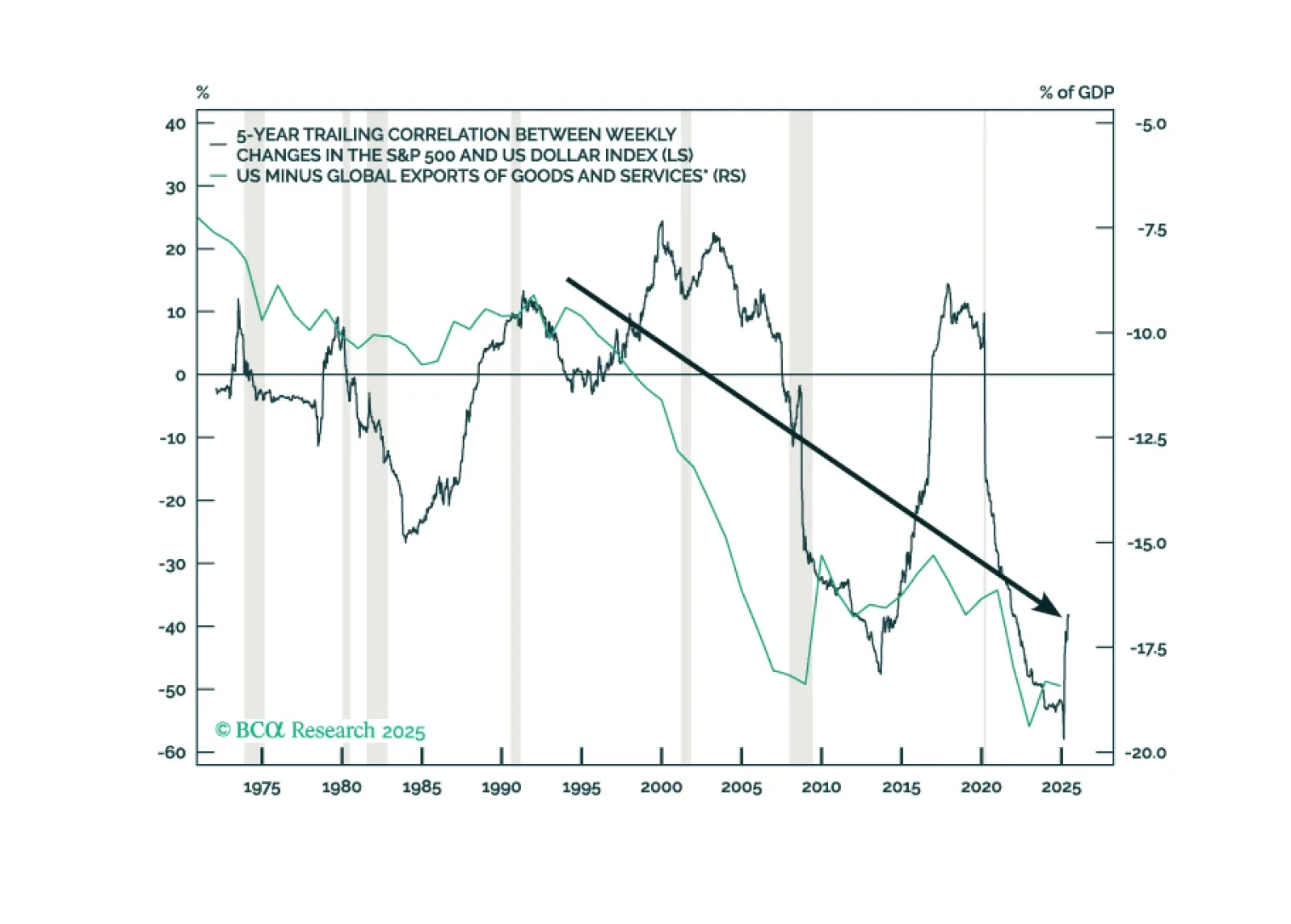
En la Sección II, Jonathan presenta el argumento alcista para el dólar estadounidense durante el próximo año.
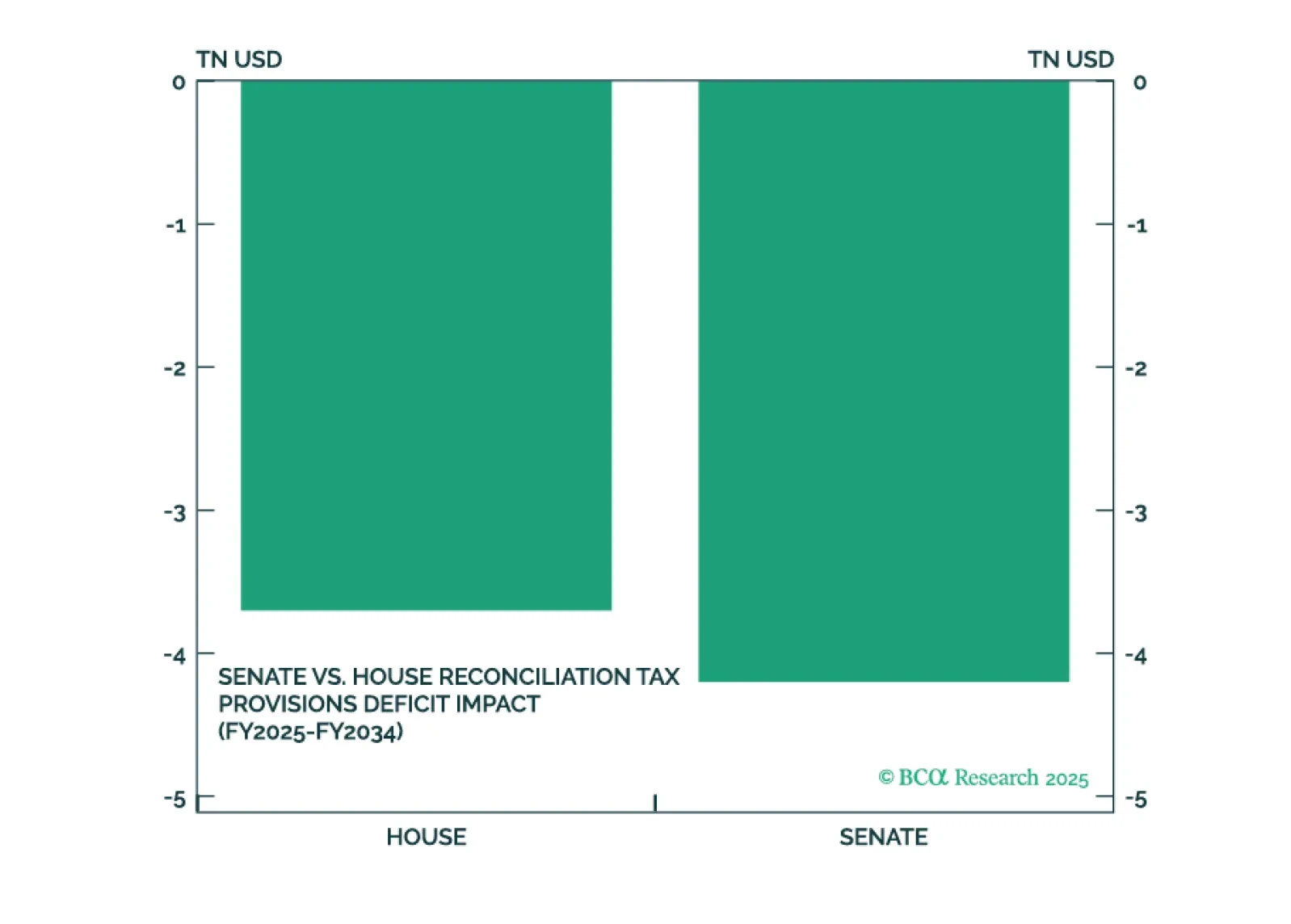
El gran y hermoso proyecto de ley del presidente Trump se aprobará pero enfrentará obstáculos a corto plazo y no ajustará el cinturón del gobierno. Se combinará con la implementación renovada de aranceles para generar un riesgo a corto plazo tanto para el mercado de bonos como para el mercado de valores. La crisis de Irán se desvaneció, salvando a Trump de un gran impacto petrolero que podría haber descarrilado su segundo mandato.
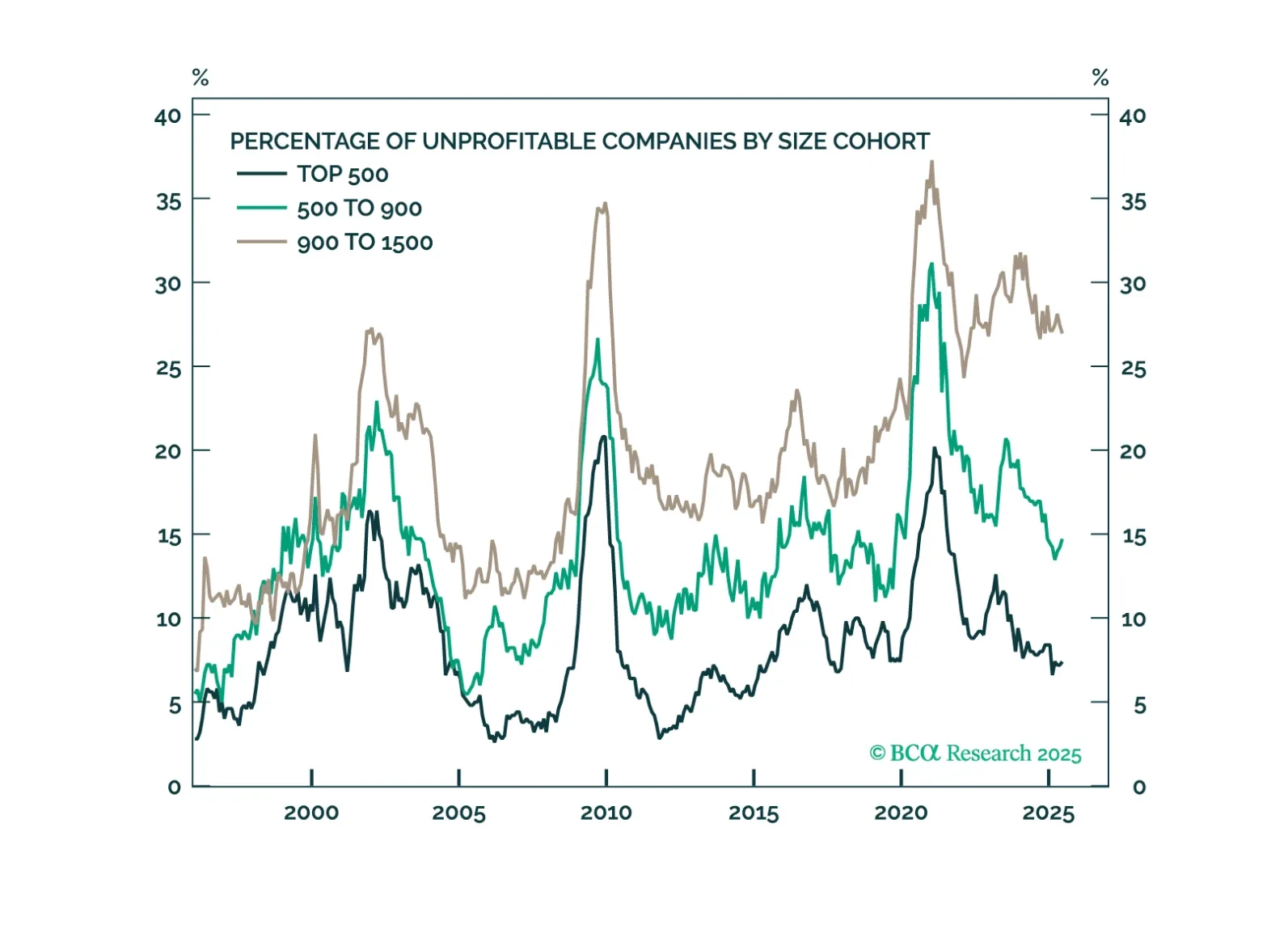
Recientemente, las acciones de pequeña capitalización han mostrado signos de superar al mercado. En este informe, examinamos si el repunte es sostenible analizando las tendencias estructurales a largo plazo, el contexto macroeconómico, el impacto de los aranceles y otros factores clave.
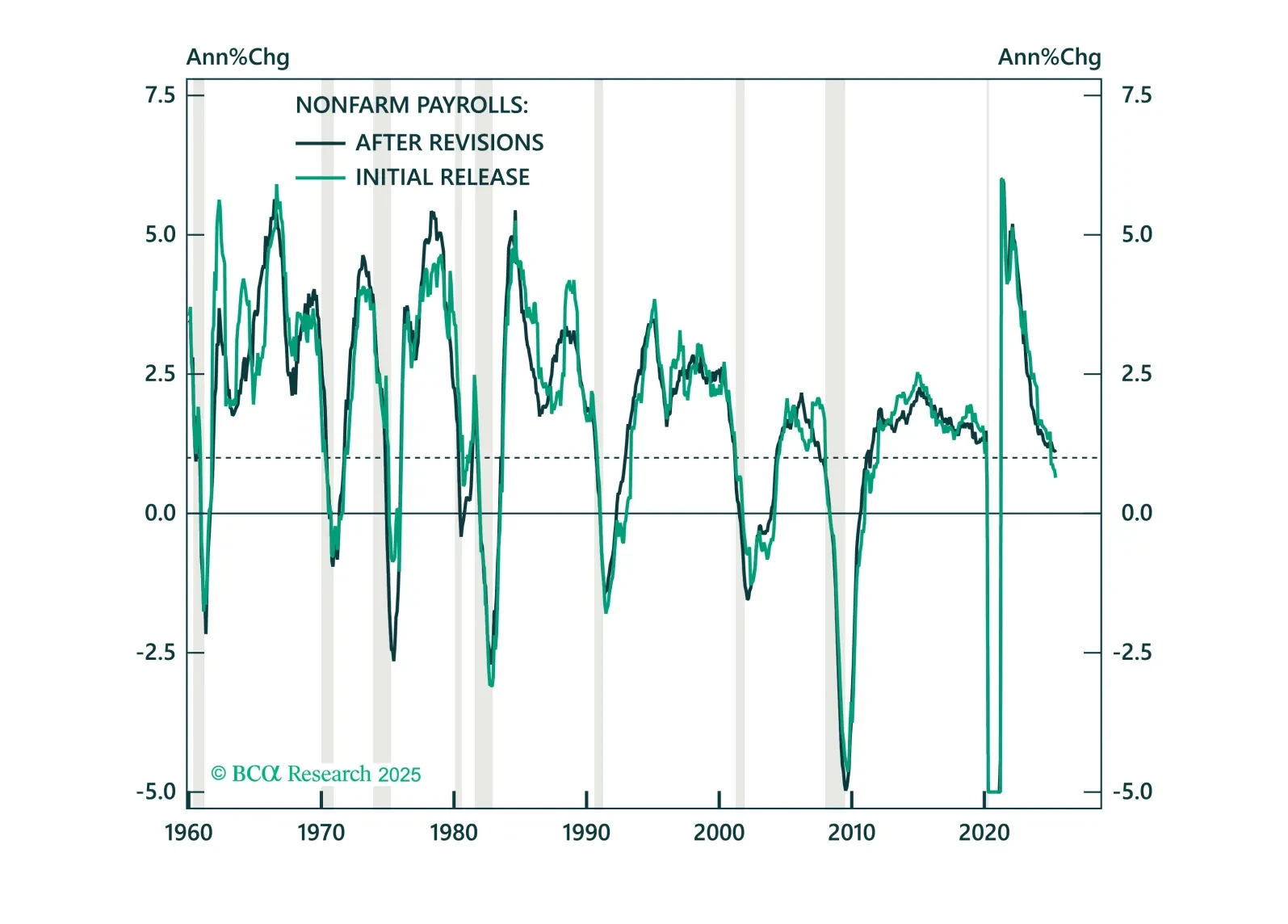
Tras una revisión rápida de los temas relacionados con los balances de los hogares, la demanda de bienes duraderos, el impacto de los aranceles, la capacidad de DOGE para influir en el presupuesto y la continua desaceleración del mercado laboral, reiteramos nuestras recomendaciones de asignación de activos defensiva.
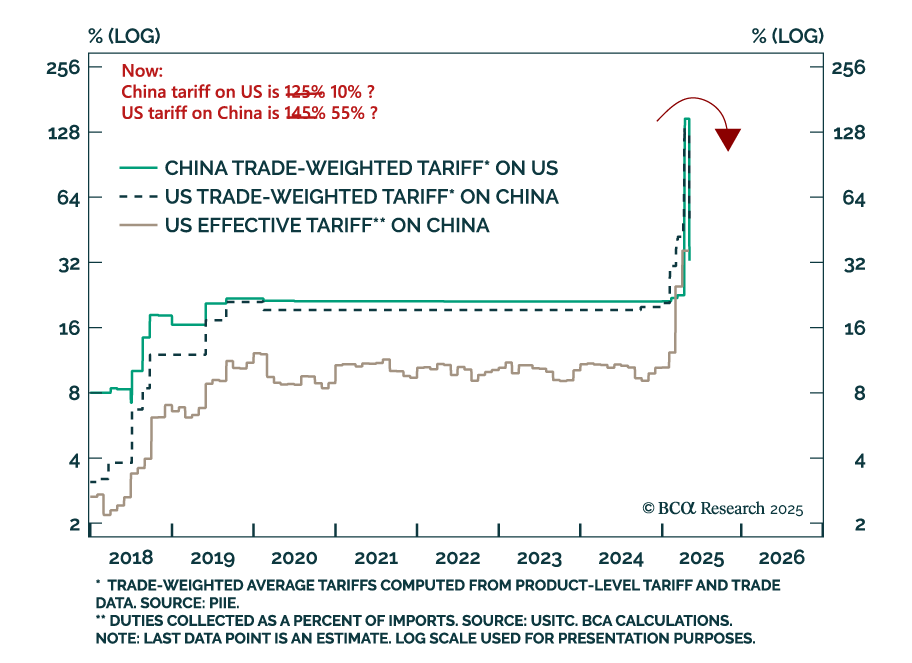
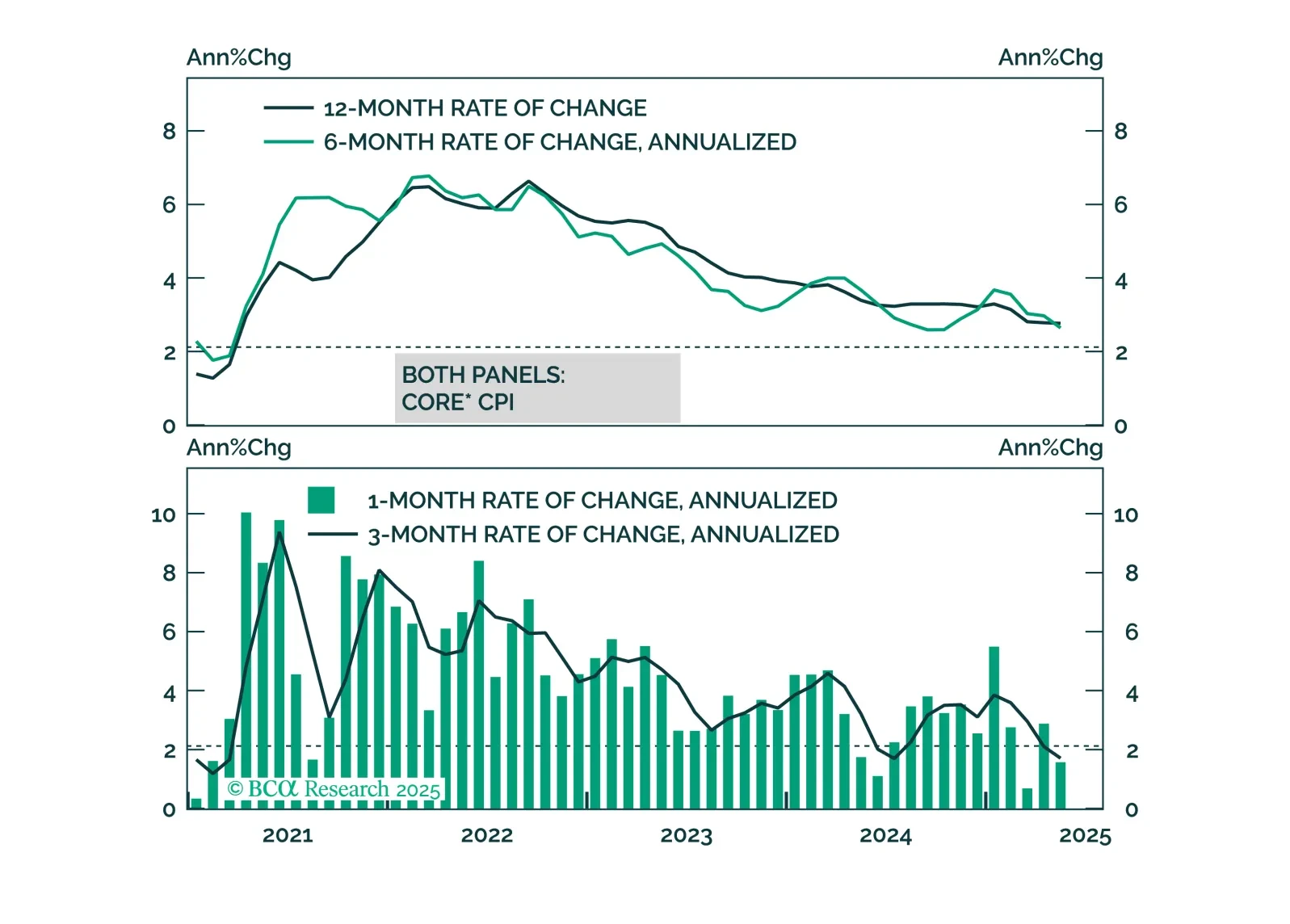
While we anticipate higher inflation in June, it looks increasingly likely that the price impact from tariffs will be less aggressive and long-lasting than many feared.
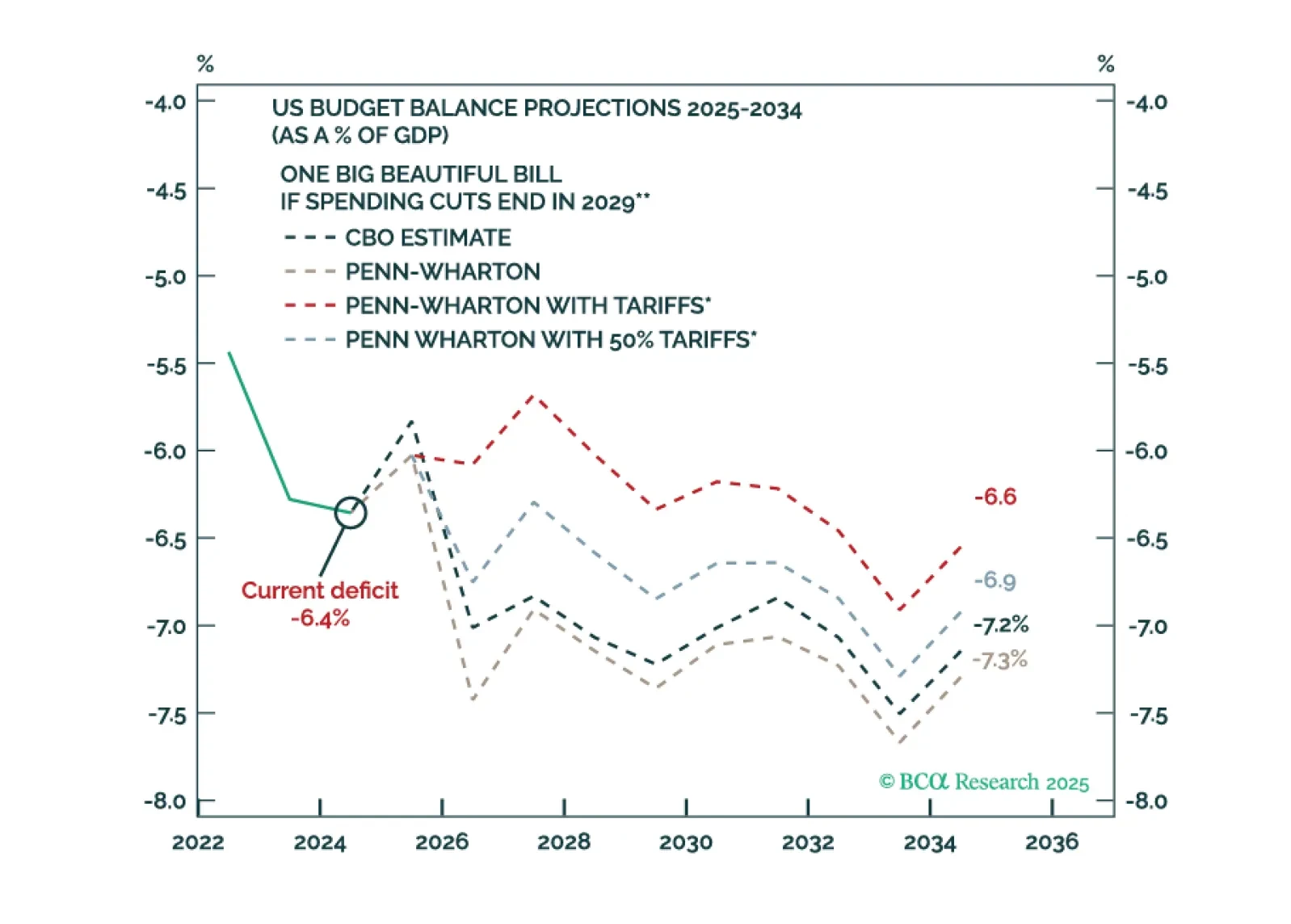
Bond market volatility will spike again in the near term. The Fed is committed to an easing cycle yet the Trump administration’s signature fiscal policy action will stimulate the economy. Tariffs are supposed to keep the budget deficit contained but they are inflationary.

The US economy has held up better so far this year than we had expected. For the time being, investors should remain modestly underweight equities. A more aggressive underweight would be justified only once the “whites of the recession’s eyes” are visible.
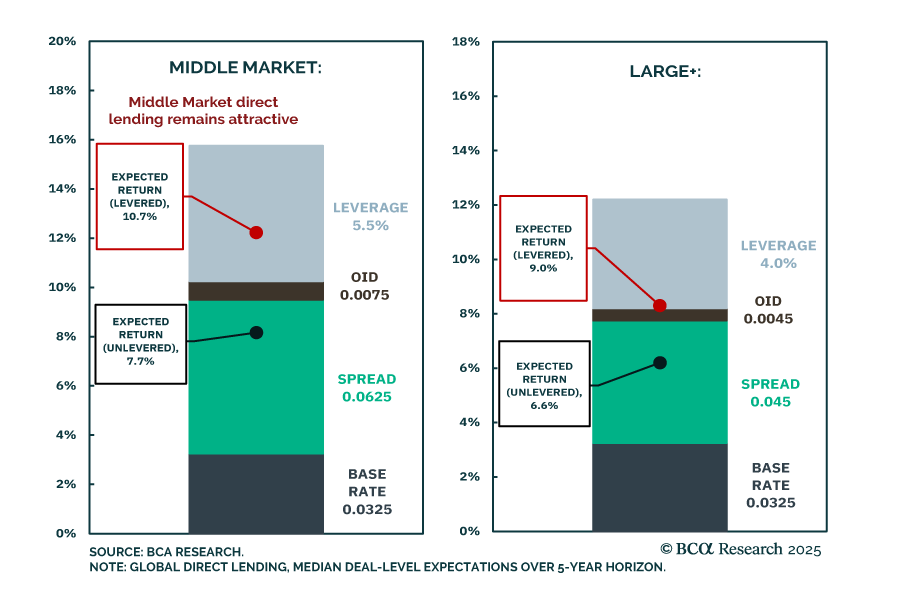
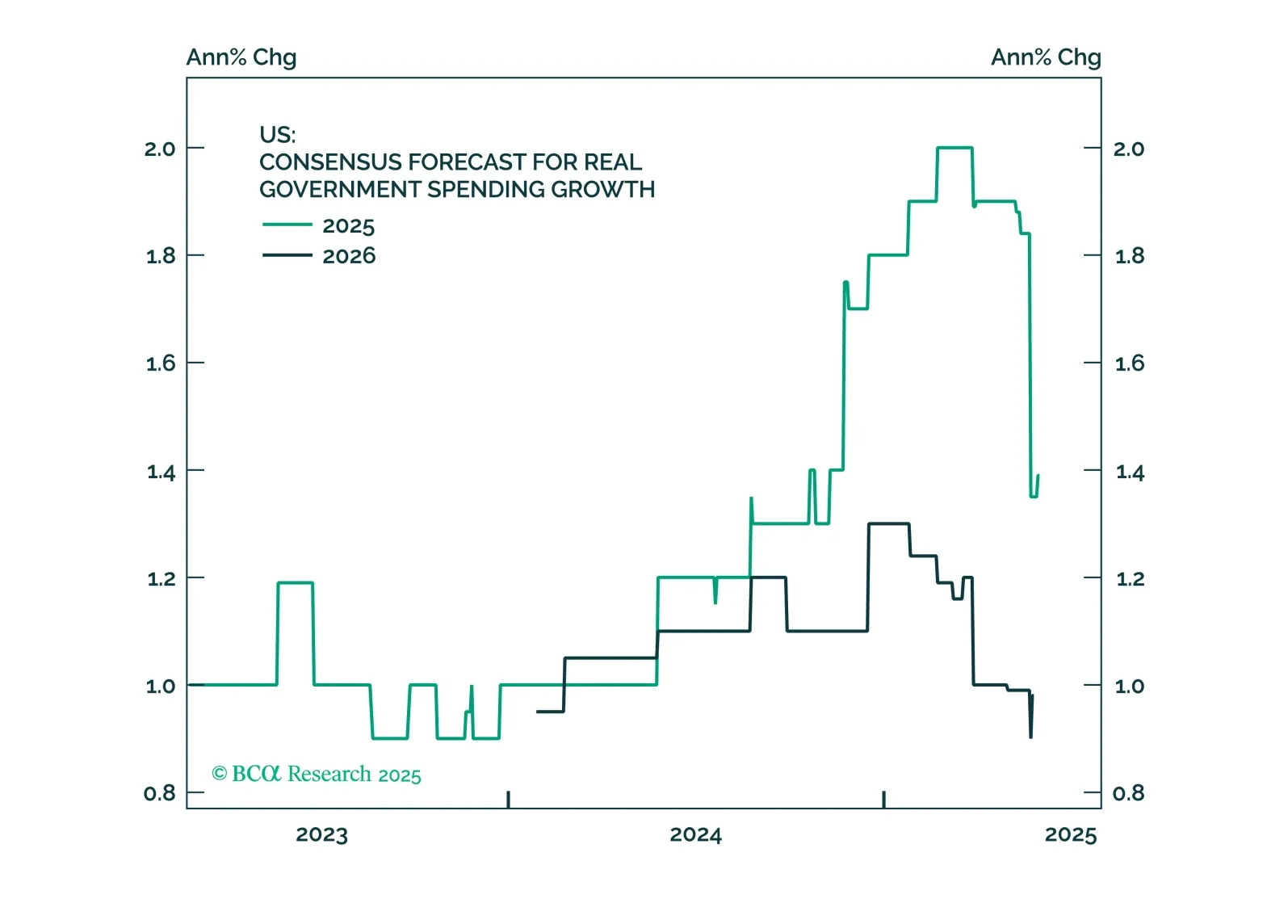
This month, we focus on the One Big Beautiful Bill Act (OBBBA). Our assessment in the Alpha report is that there won’t be any remaining alpha to harvest by shorting duration. The team that coined the “Human Steepener” moniker for President Trump is, effectively, throwing in the towel on looking for more upside to yields. There are many reasons for that view, but the main one is that the OBBBA legislation is just not that profligate, especially not relative to the investors’ expectations in the early days of the Trump 2.0 term.