Oil
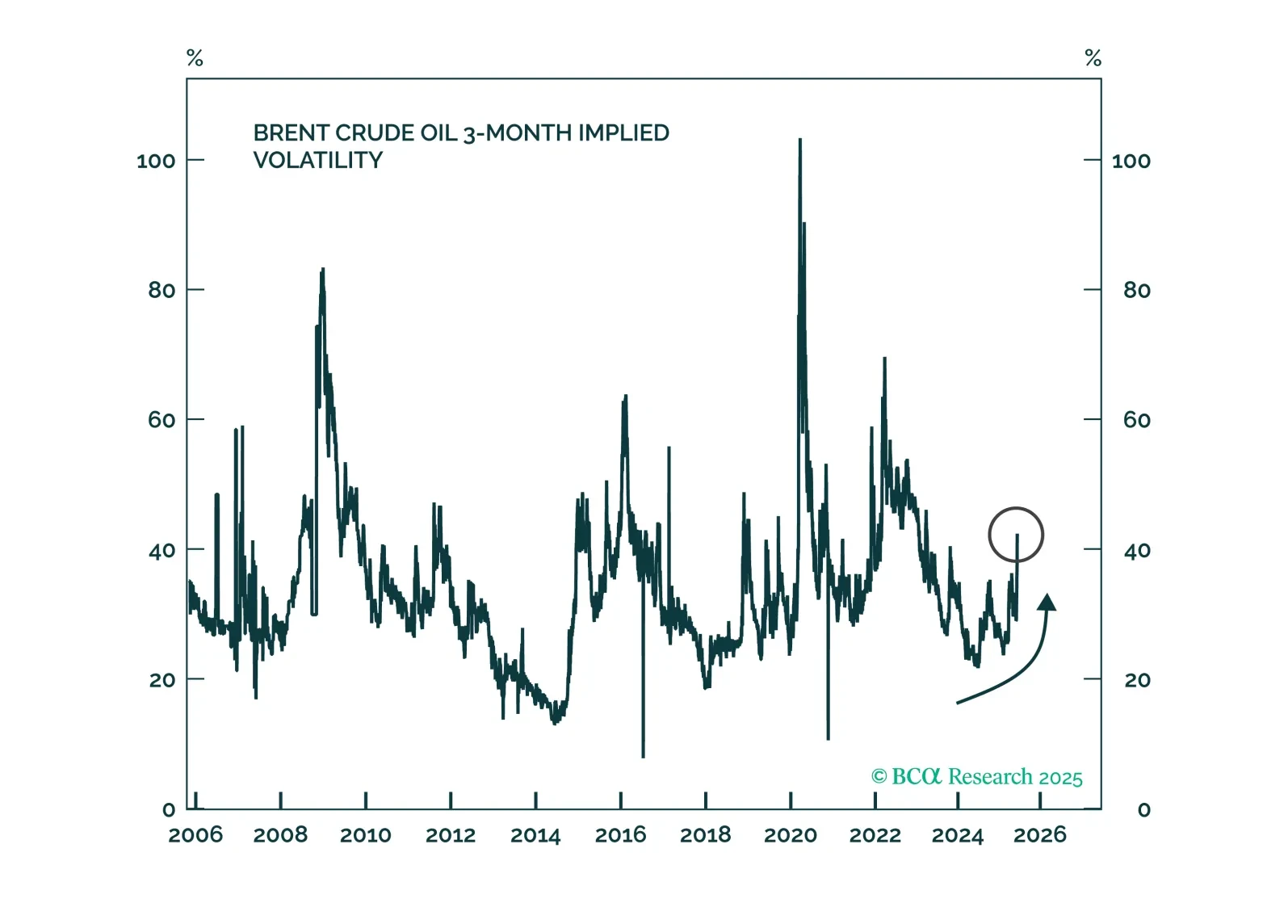
El creciente conflicto entre Israel e Irán ha impulsado los precios del petróleo. Nos estamos posicionando para una mayor escalada geopolítica, incertidumbre y las repercusiones económicas a través de dos estrategias que se benefician tanto a corto como a largo plazo.
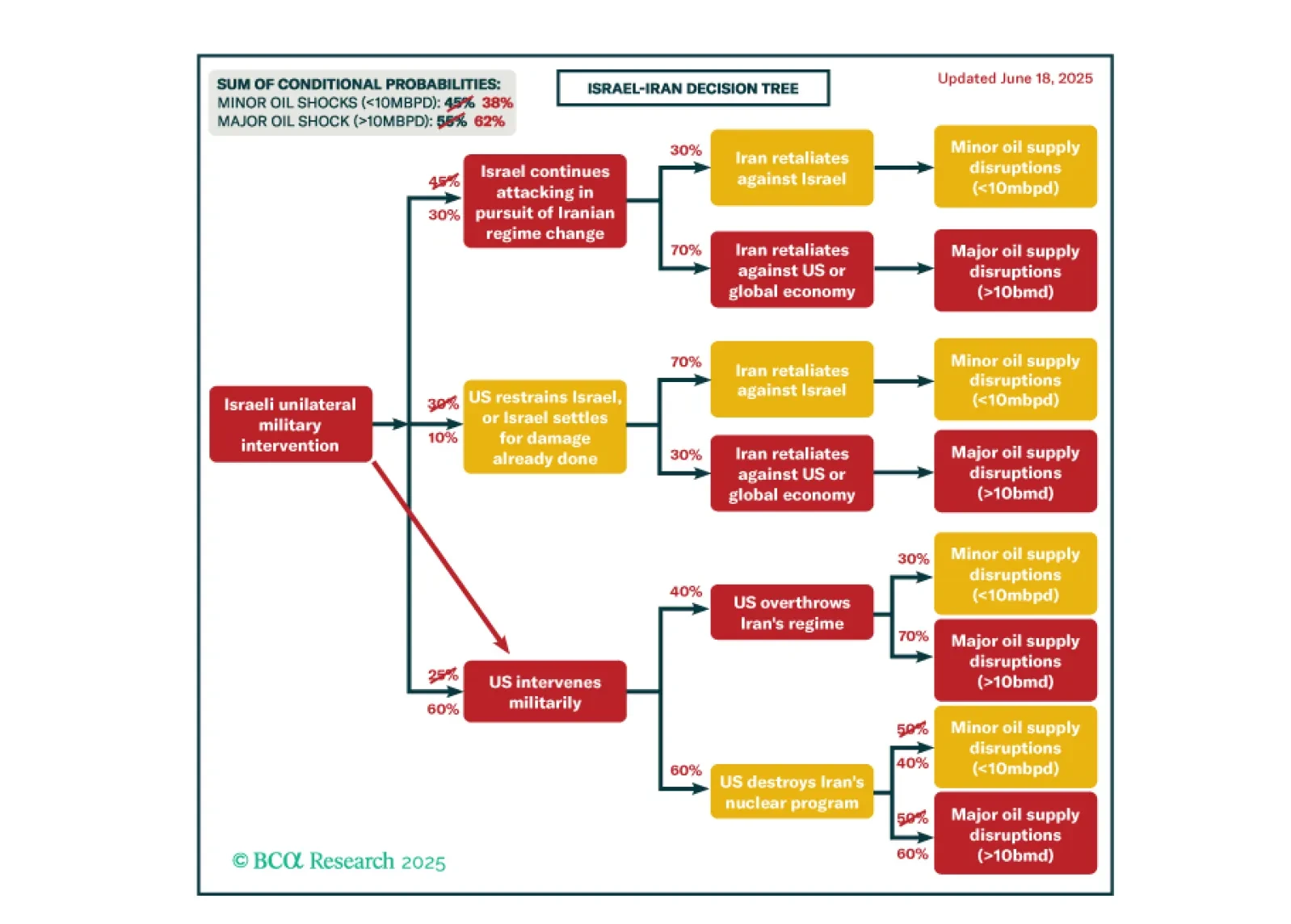
Incluso si Irán intenta revivir las conversaciones, Estados Unidos tiene una oportunidad irresistible para desmantelar su programa nuclear. Tácticamente, los inversionistas deberían favorecer los bonos del Tesoro sobre el S&P, los sectores defensivos sobre los cíclicos, las acciones de energía sobre los cíclicos y las acciones estadounidenses sobre las europeas a corto plazo.
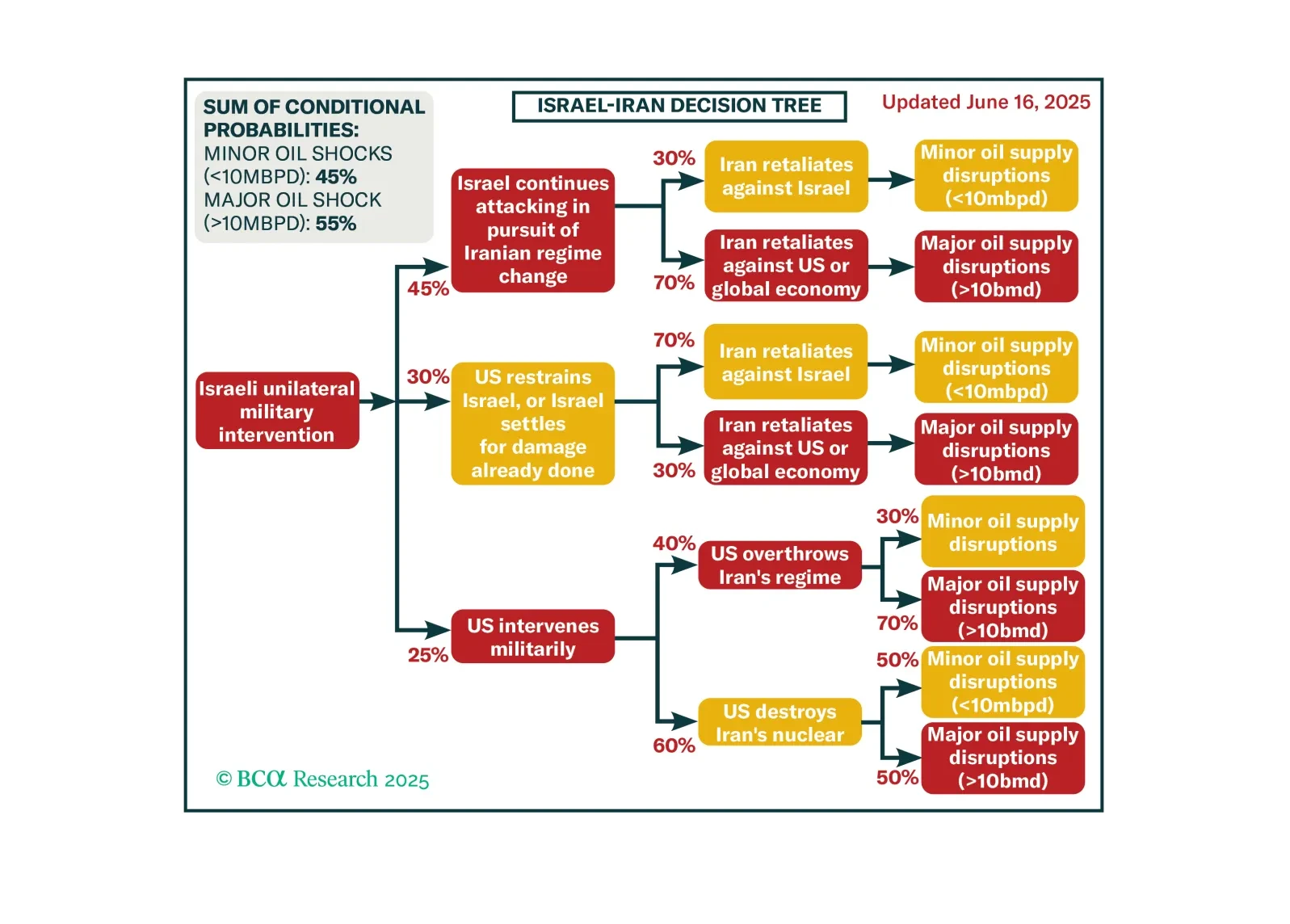
Los ataques de Israel a Irán continuarán hasta que Irán se vea obligado a atacar el suministro regional de petróleo para que Estados Unidos frene a Israel. Eso podría no funcionar. Los inversores deben prepararse para un impacto económico más amplio del conflicto.
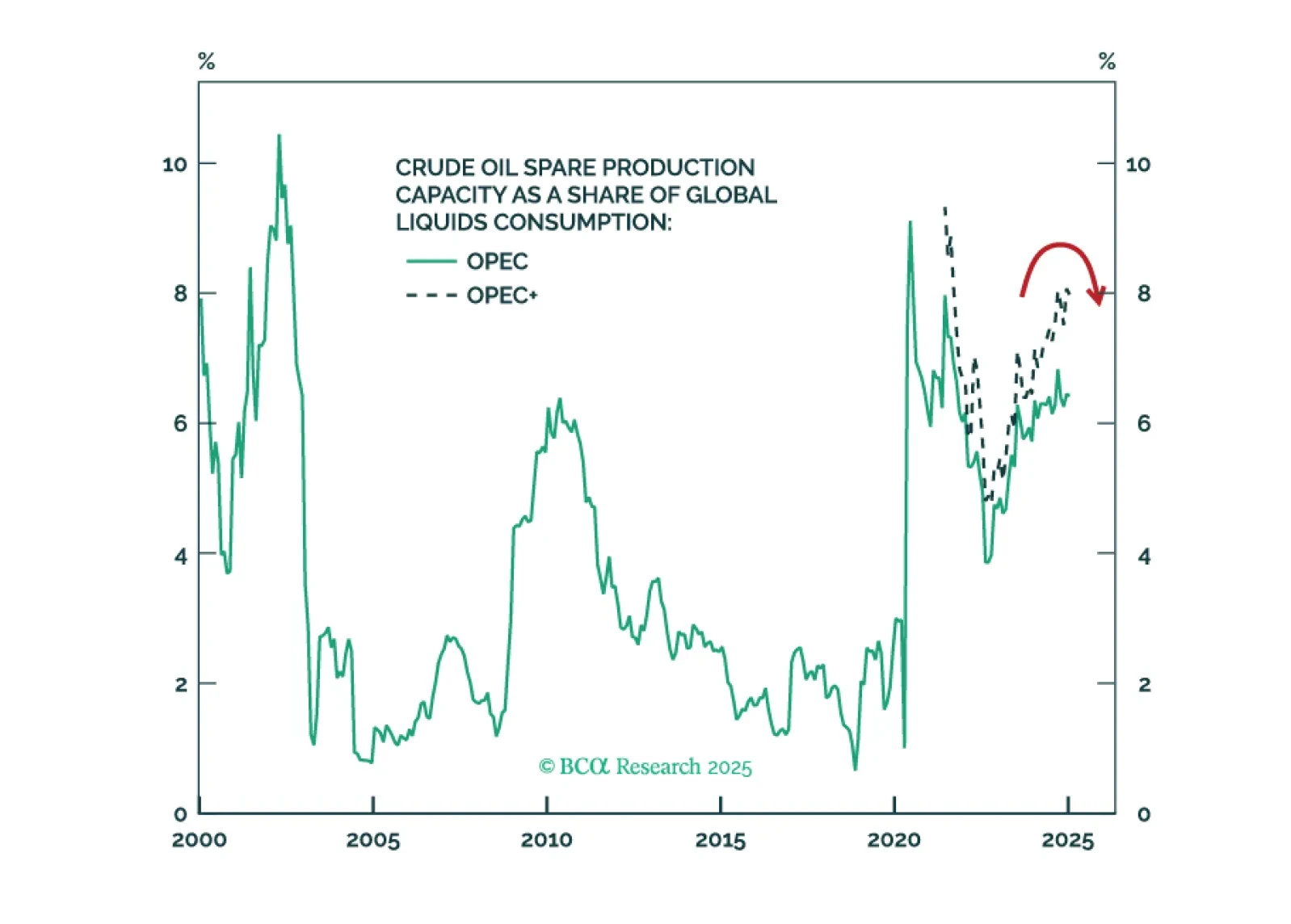
Investors should hold gold, build up some cash, tactically overweight US equities relative to global, and prepare for at least minor oil supply shocks – possibly major shocks – as the Israel-Iran war escalates.
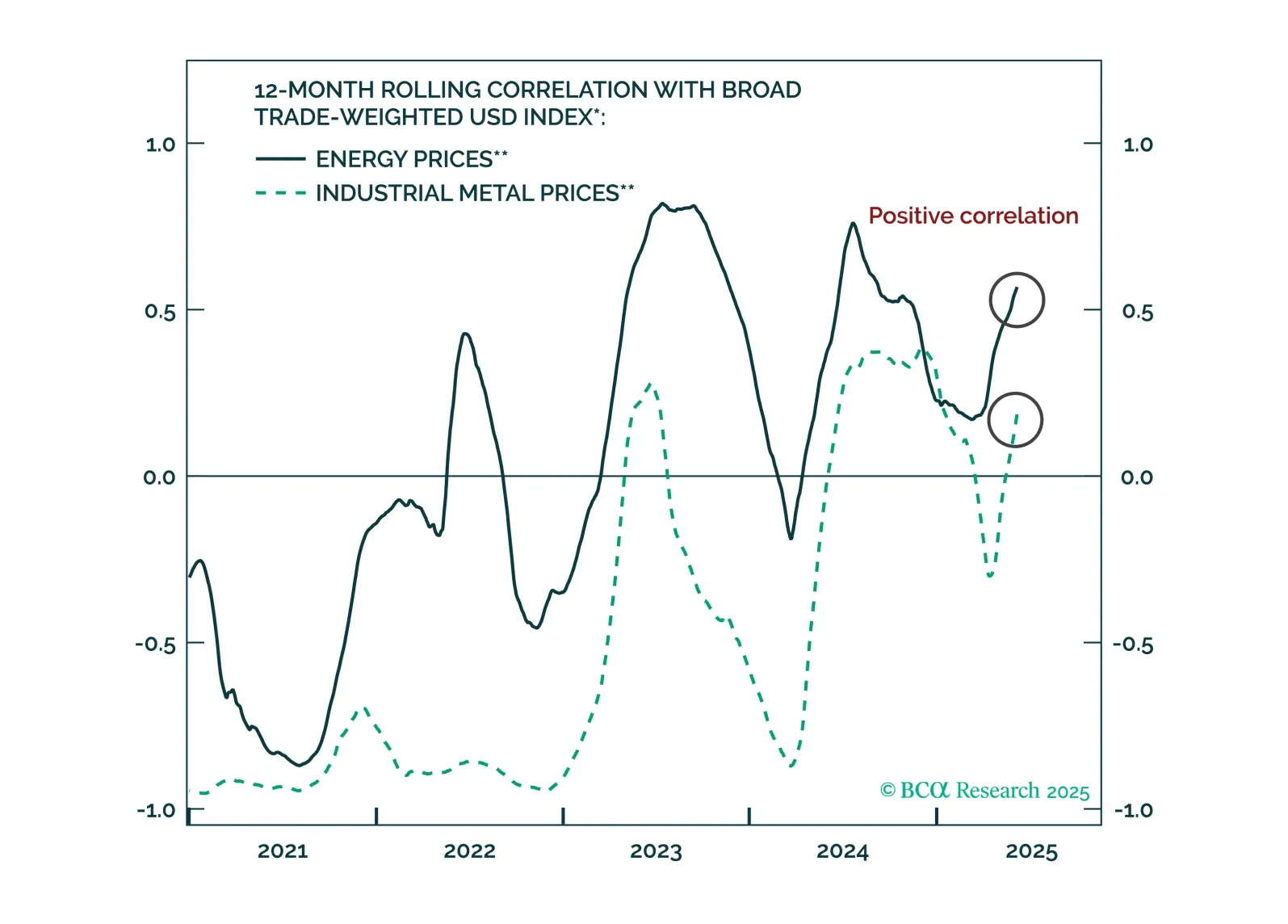
Investors often rely on past relationships to predict future outcomes. This strategy is at risk now that several commodity correlations have broken down. We explore the causes and sustainability of the new commodity relationships.
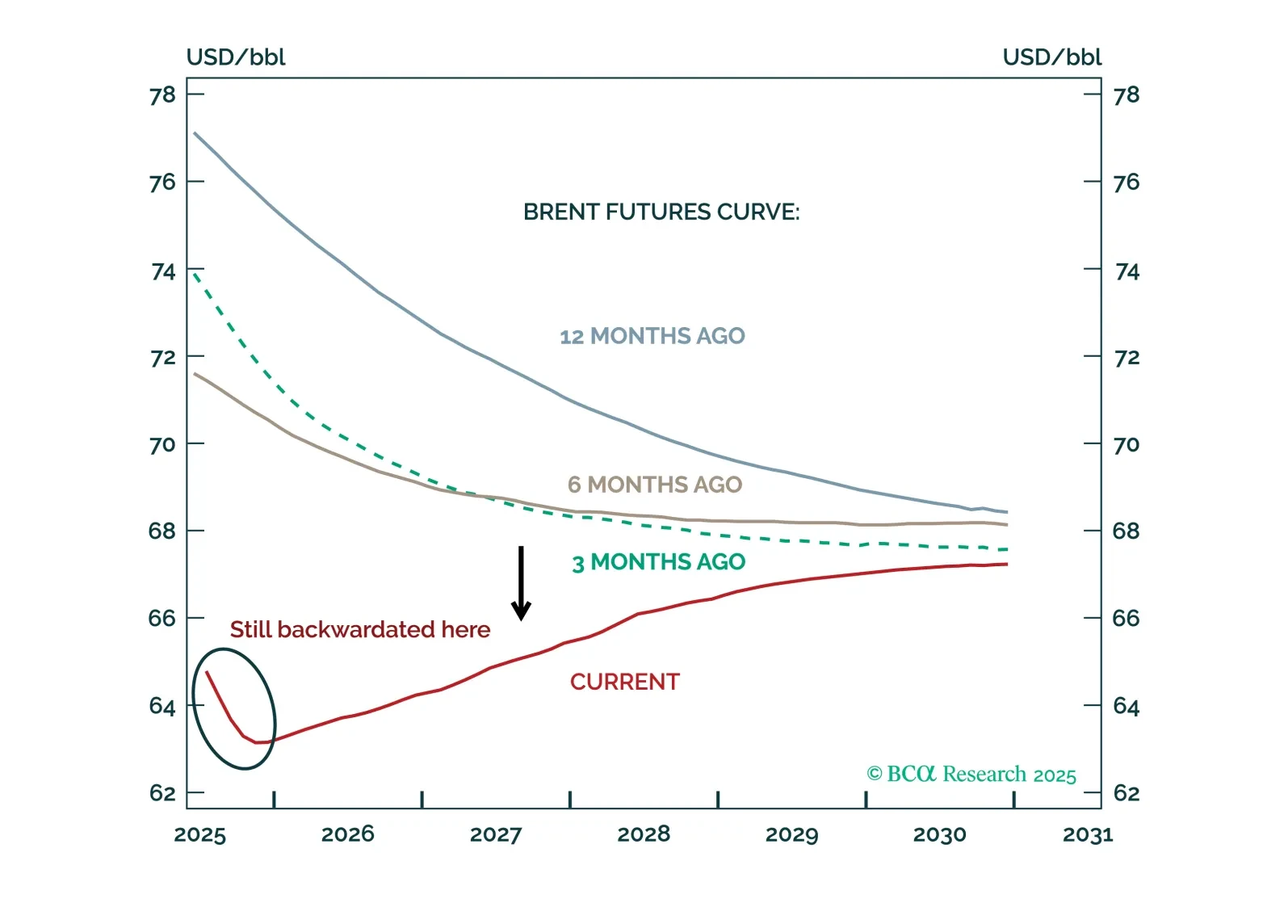
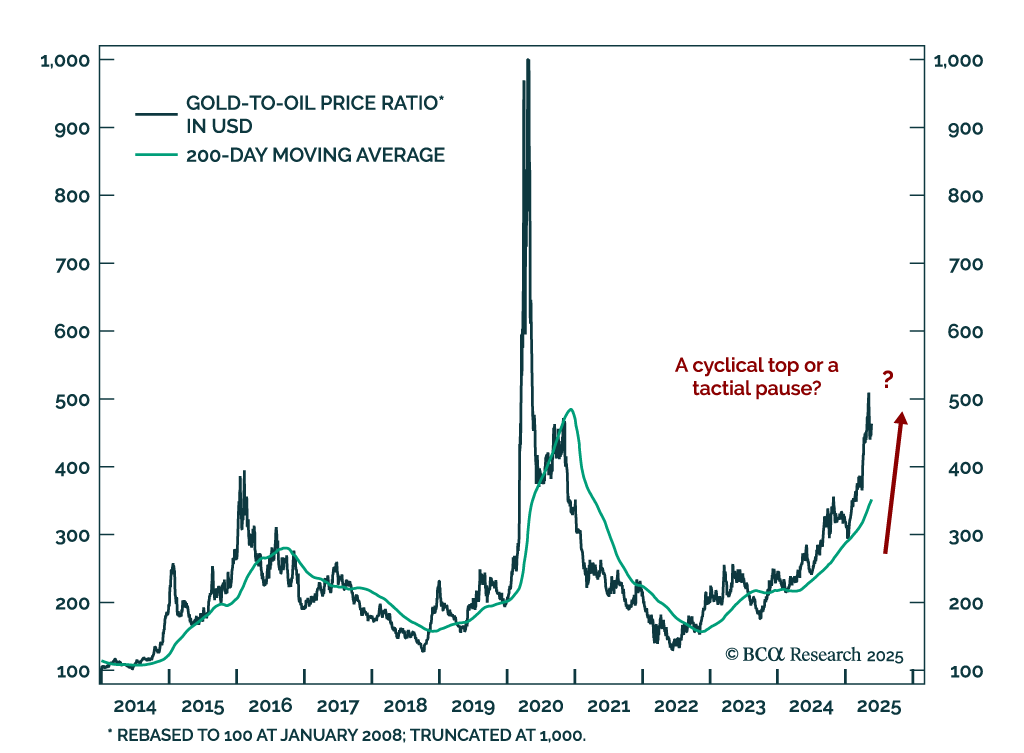
Oil, copper, and gold futures curves have recently experienced abnormal shifts and twists. Brent is no longer fully backwardated, copper curves on the LME and CME have diverged, and gold is in a steep contango.
We examine the drivers and implications of these shifts for prices and curve structure across the three commodities.
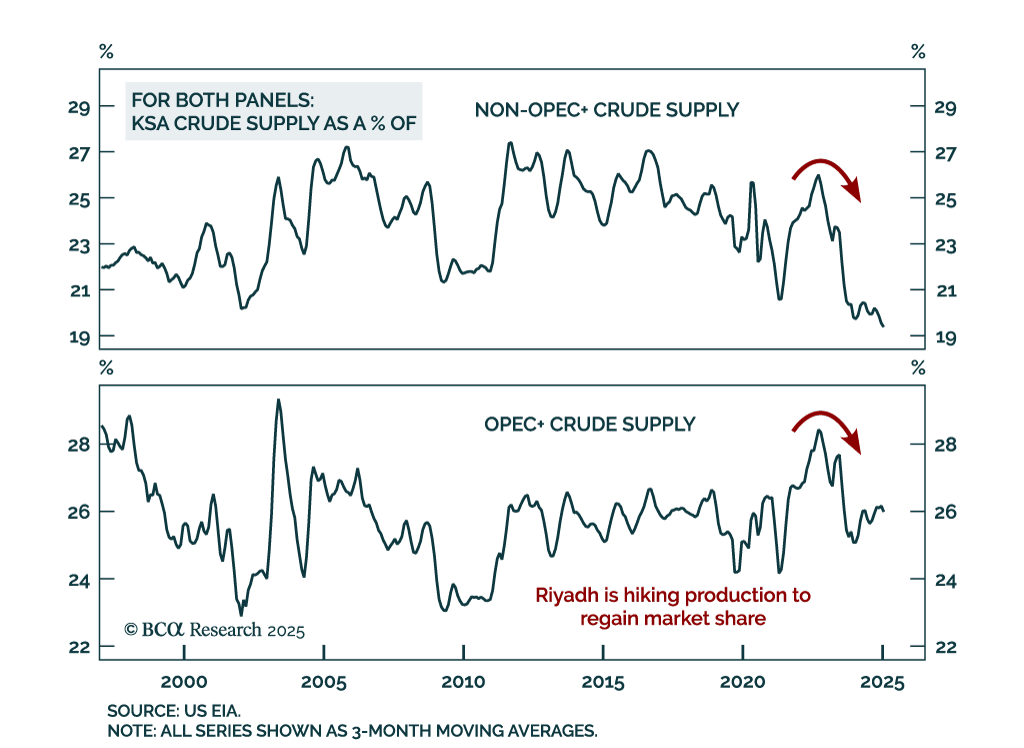
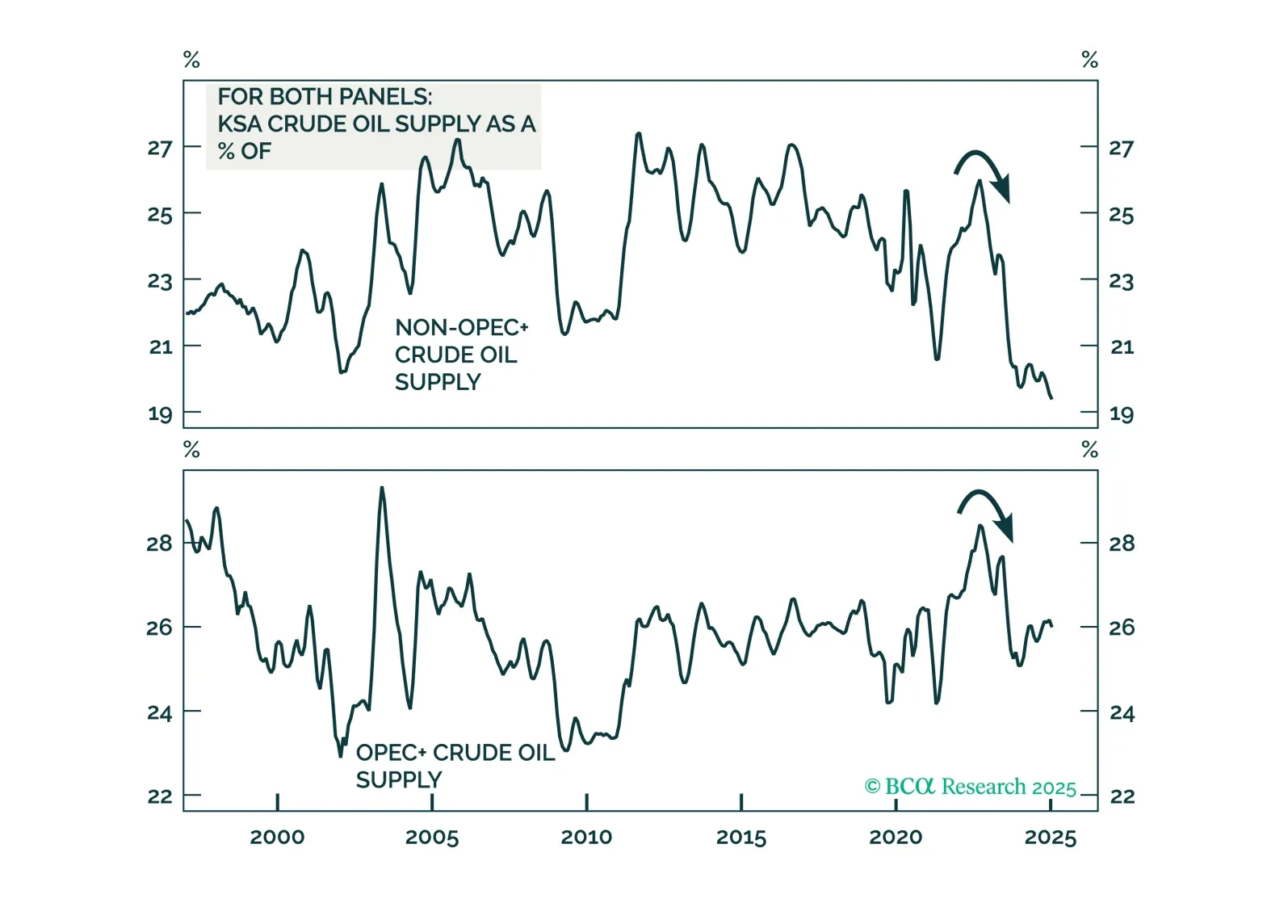
OPEC+ recently announced another outsized oil production hike, tripling its planned June output increase to 411k b/d for the second consecutive month. Our take on why KSA is boosting crude output at a time of heightened downside demand risks is that it is pursuing an oil price war lite. President Trump is not only blessing this strategy but also depending on it.
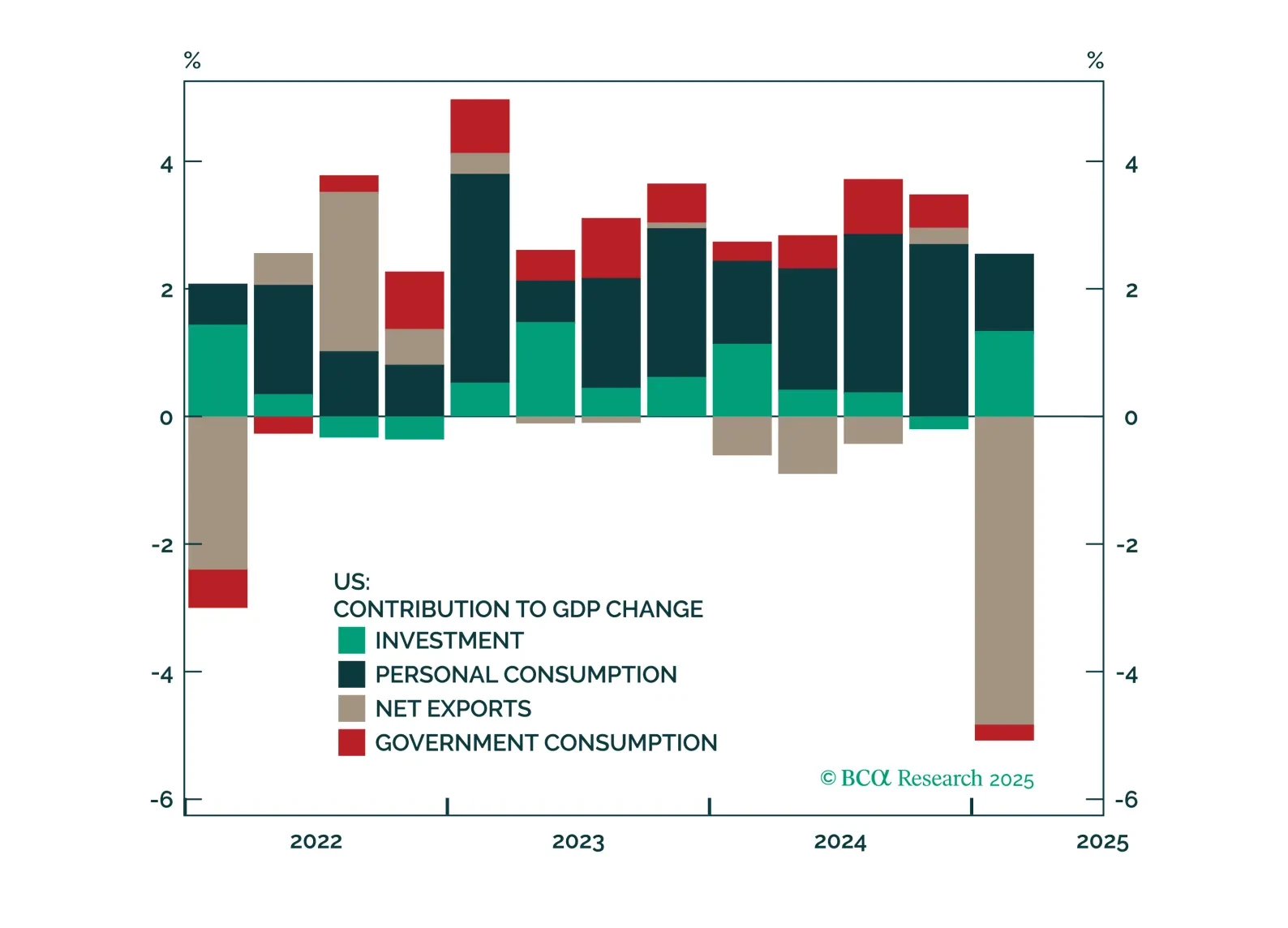
Negotiations on trade, Iran, and Ukraine will prove critical this month. Markets will remain volatile because positive data surprises enable the White House to press its hawkish tariff hikes, while negative surprises force the White House to backpedal.