Skip to main content

Economy

Our Portfolio Allocation Summary for October 2026.

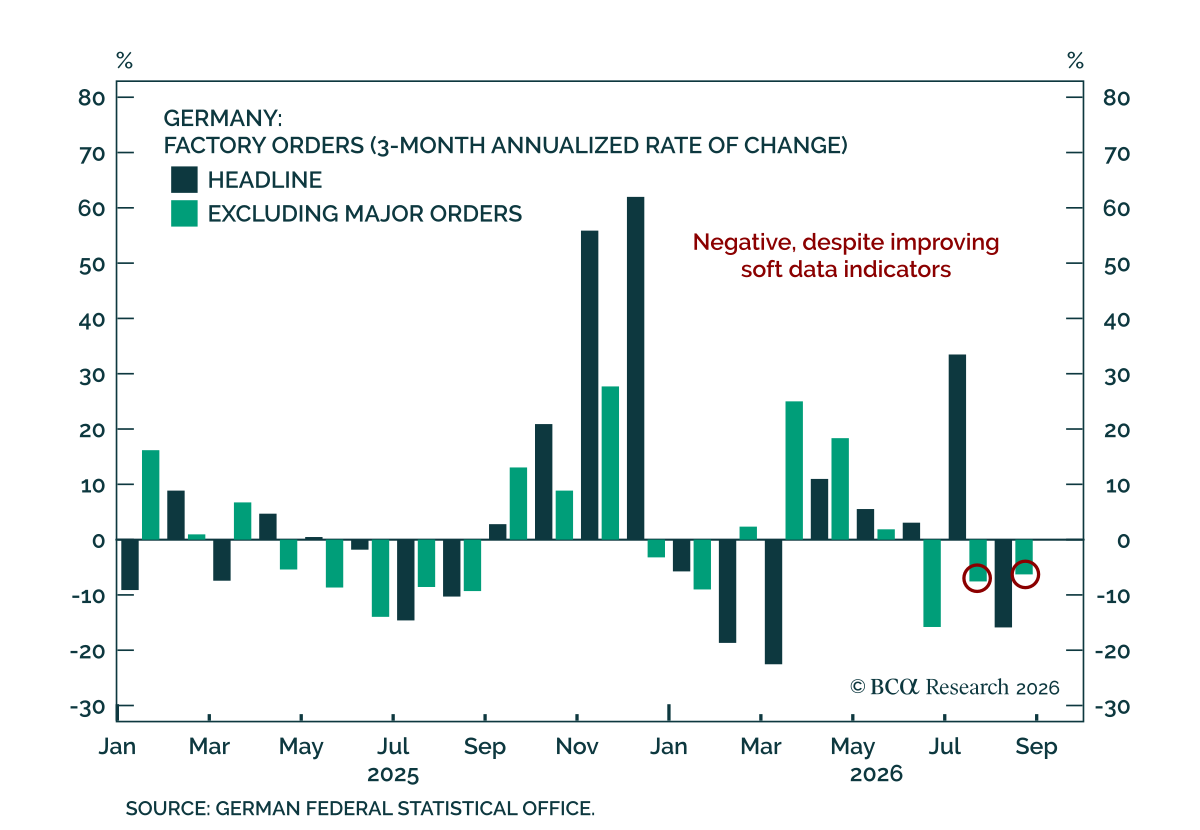
German factory orders plunged in August, continuing a trend of weaker hard data indicators against the backdrop of improving business sentiment measures. Germany factor orders fell 10.6% m/m against an expected 1% decline, following an upwardly revised 3.2%…
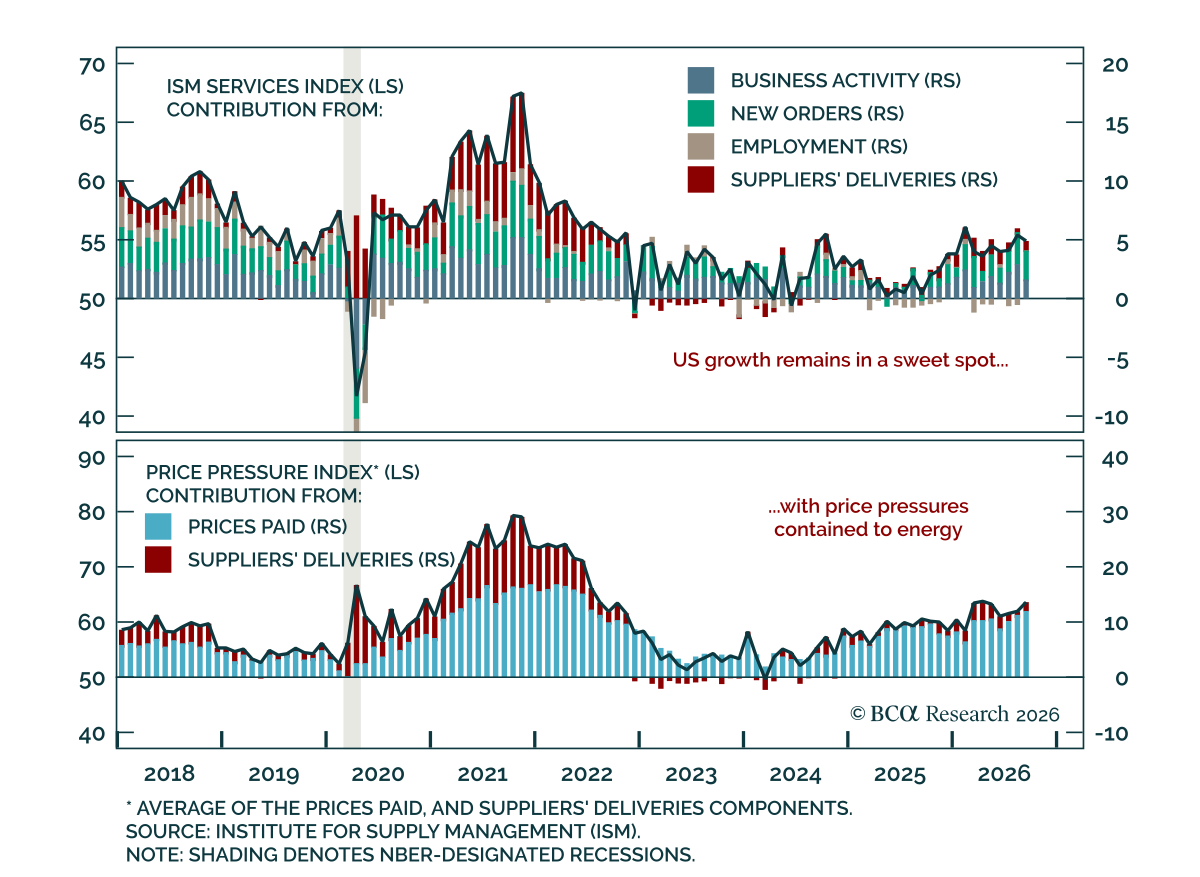
The September ISM Services report reinforced the message that the US expansion is intact with little risk of overheating. Though the headline index was a tick short of expectations at 54.9 and a half-point below August’s reading, it remained comfortably…
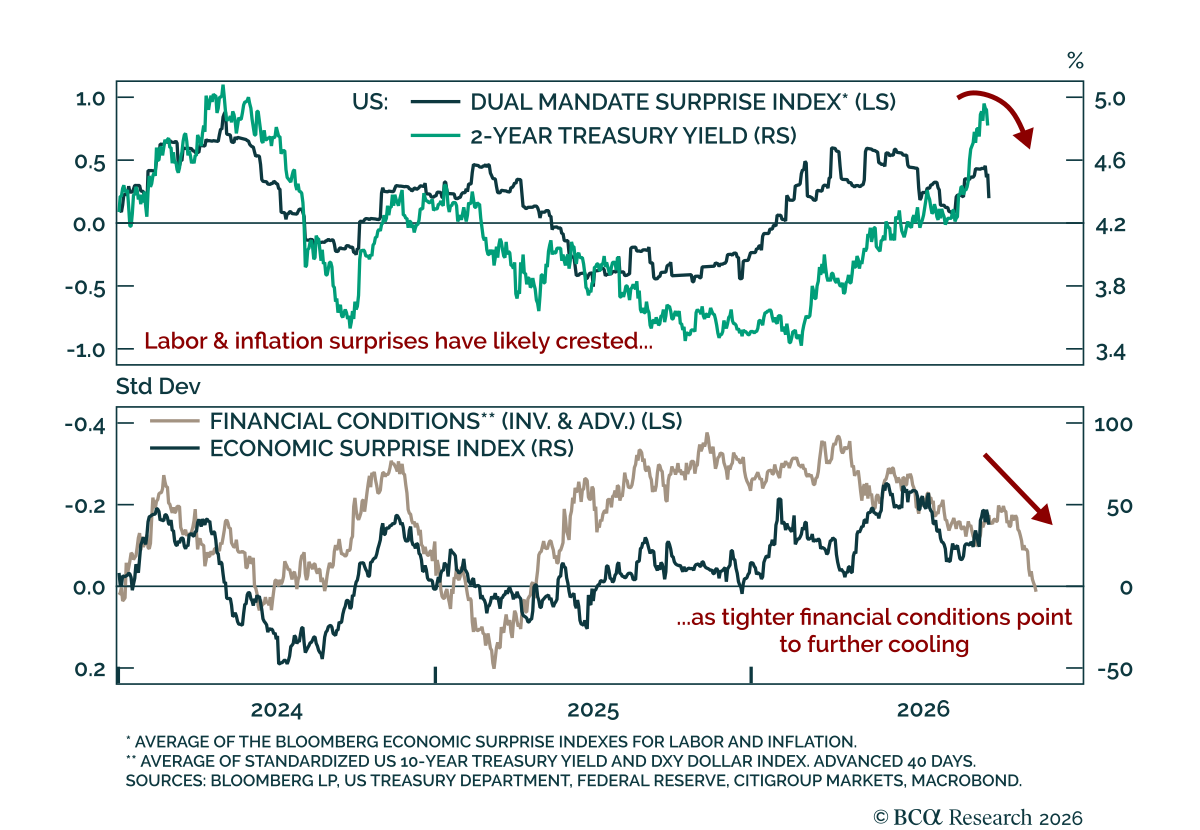
Tighter US financial conditions point to cooler economic surprises ahead, supporting the front of the rates curve and risk assets. Two developments have recently caught our attention: US financial conditions have tightened on higher bond yields and a stronger…

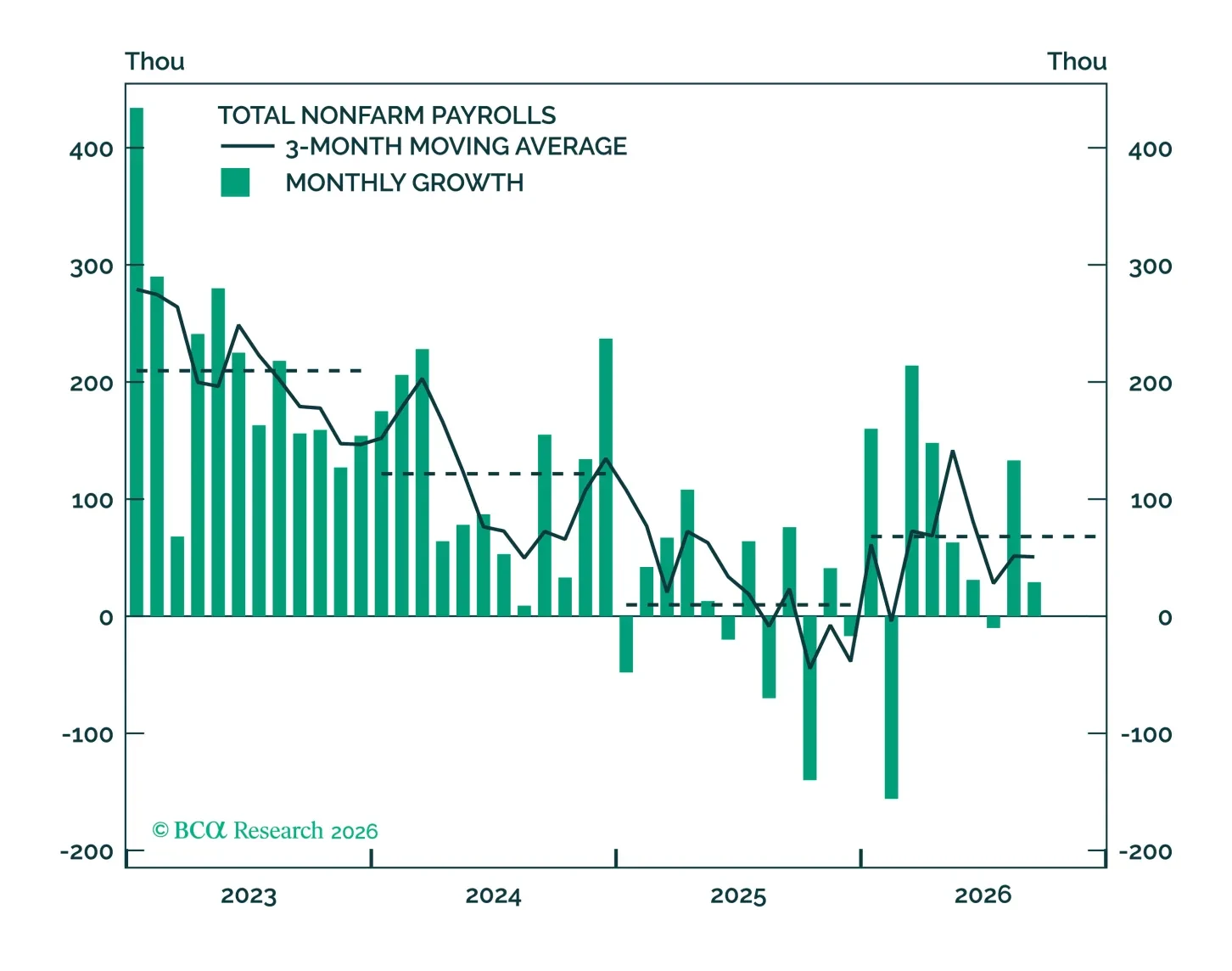
This morning’s jobs report serves to underscore that the labor market is not a source of inflationary pressure and therefore of second-order importance when it comes to the Fed’s near-term decision making.
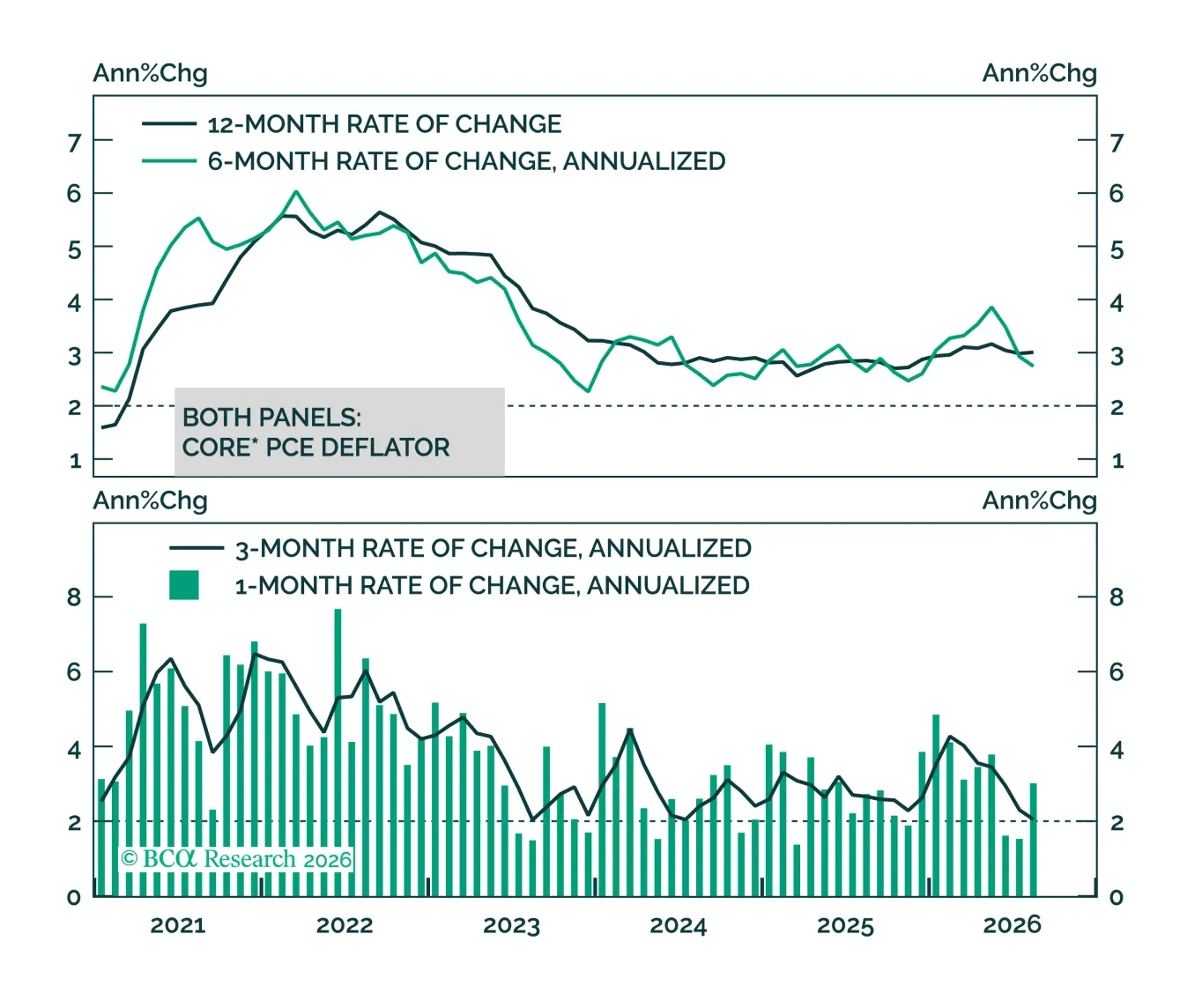
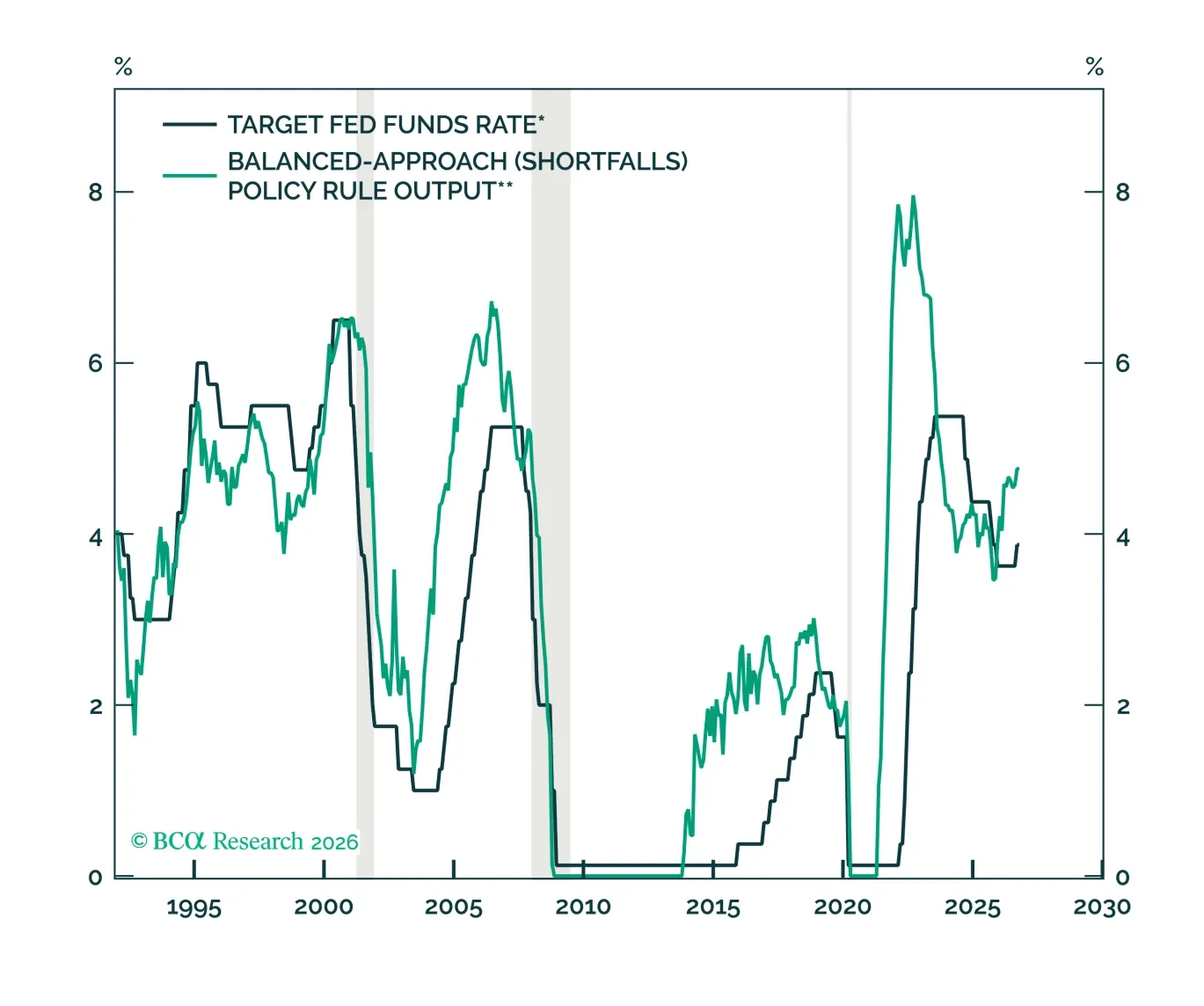
Core US inflation is still running above target. But this morning’s data revisions reveal that the gap is not nearly as large as it appeared yesterday.
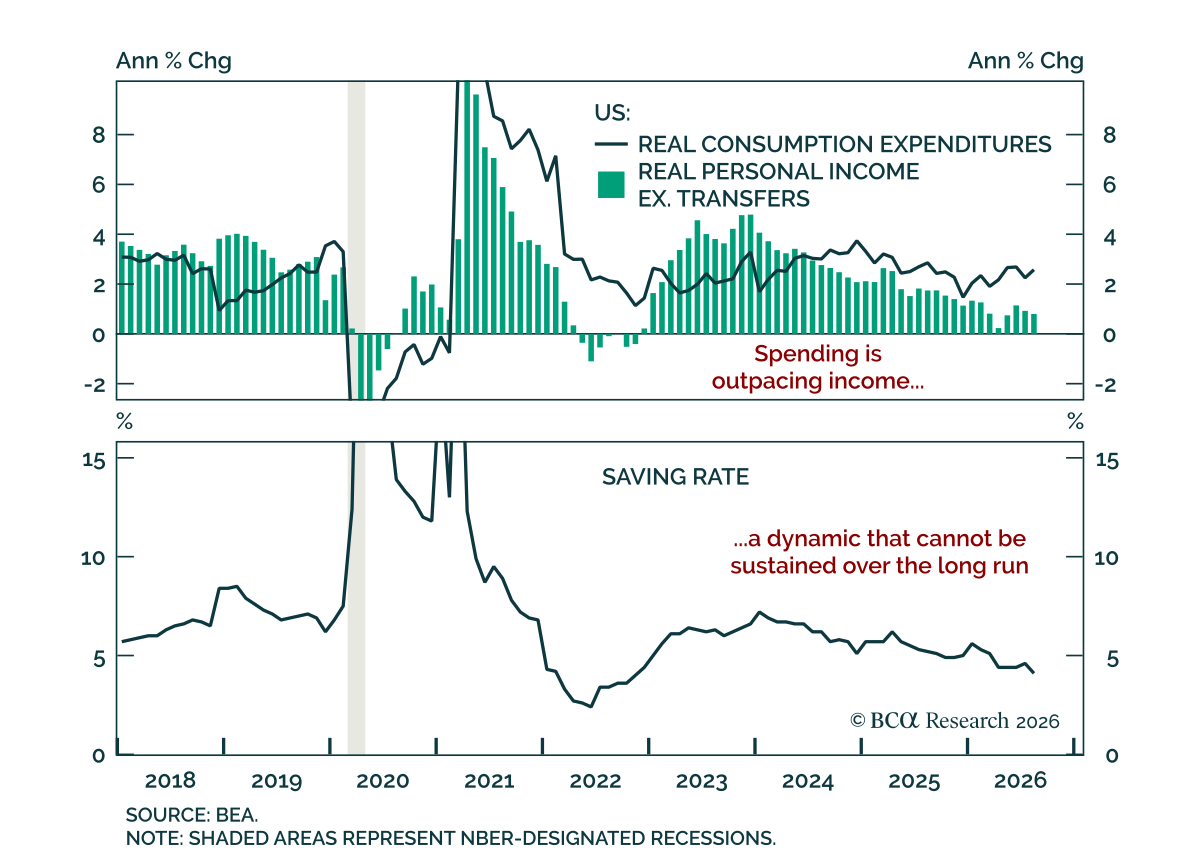
 

The August Personal Income and Outlays report was soft, with weaker income growth and cooler inflation reinforcing the case for the Fed to remain patient. Nominal spending rose 0.9% m/m, in line with estimates, while real spending increased 0.6%. Personal…
Special Report

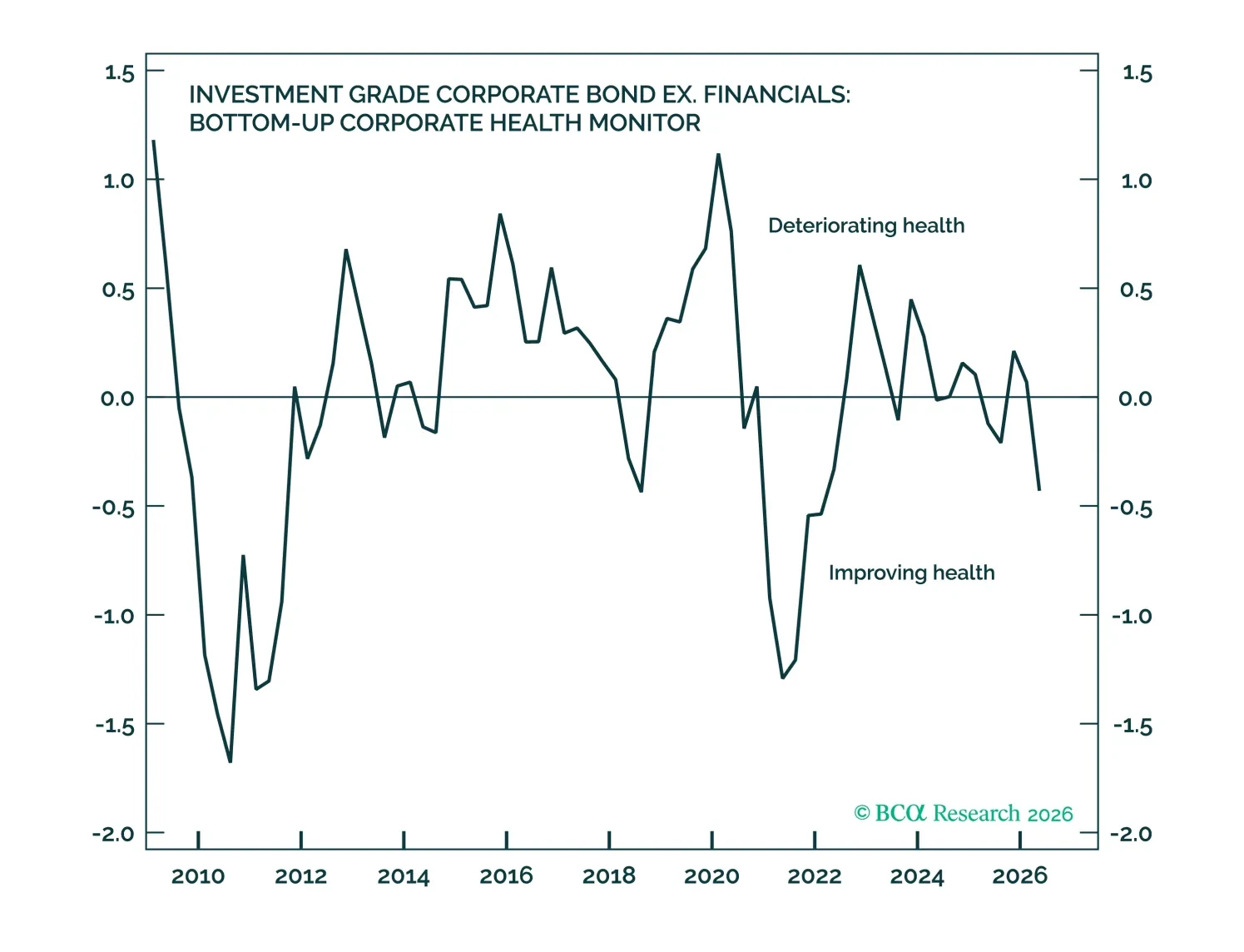
US corporate balance sheet health looks strong overall, and credit metrics aren’t showing any significant negative impact from the AI issuance boom.
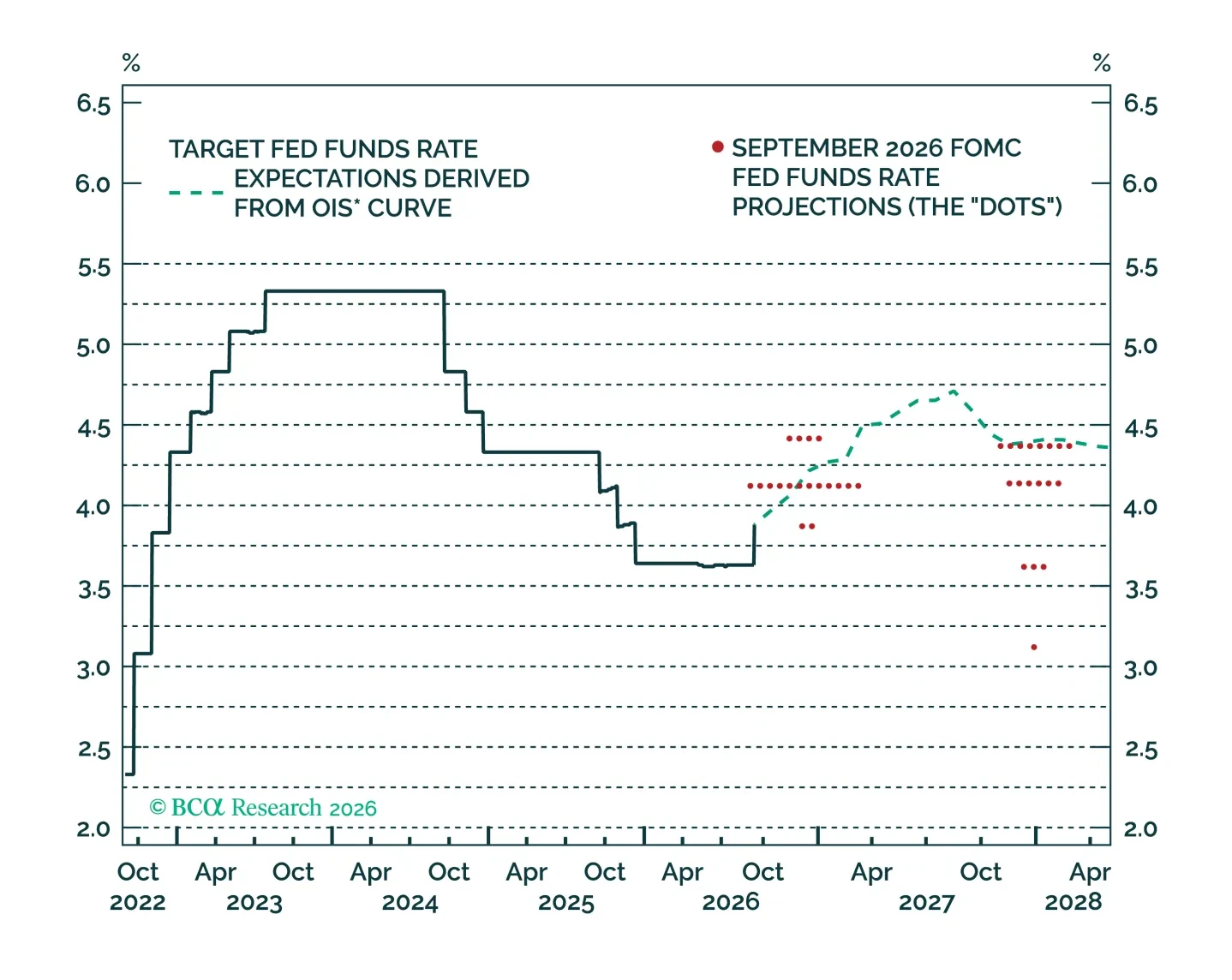
The Fed is unanimous in expecting a mild tightening cycle of no more than 75 bps, but that outcome is contingent on a rapid drop in core inflation in 2027.
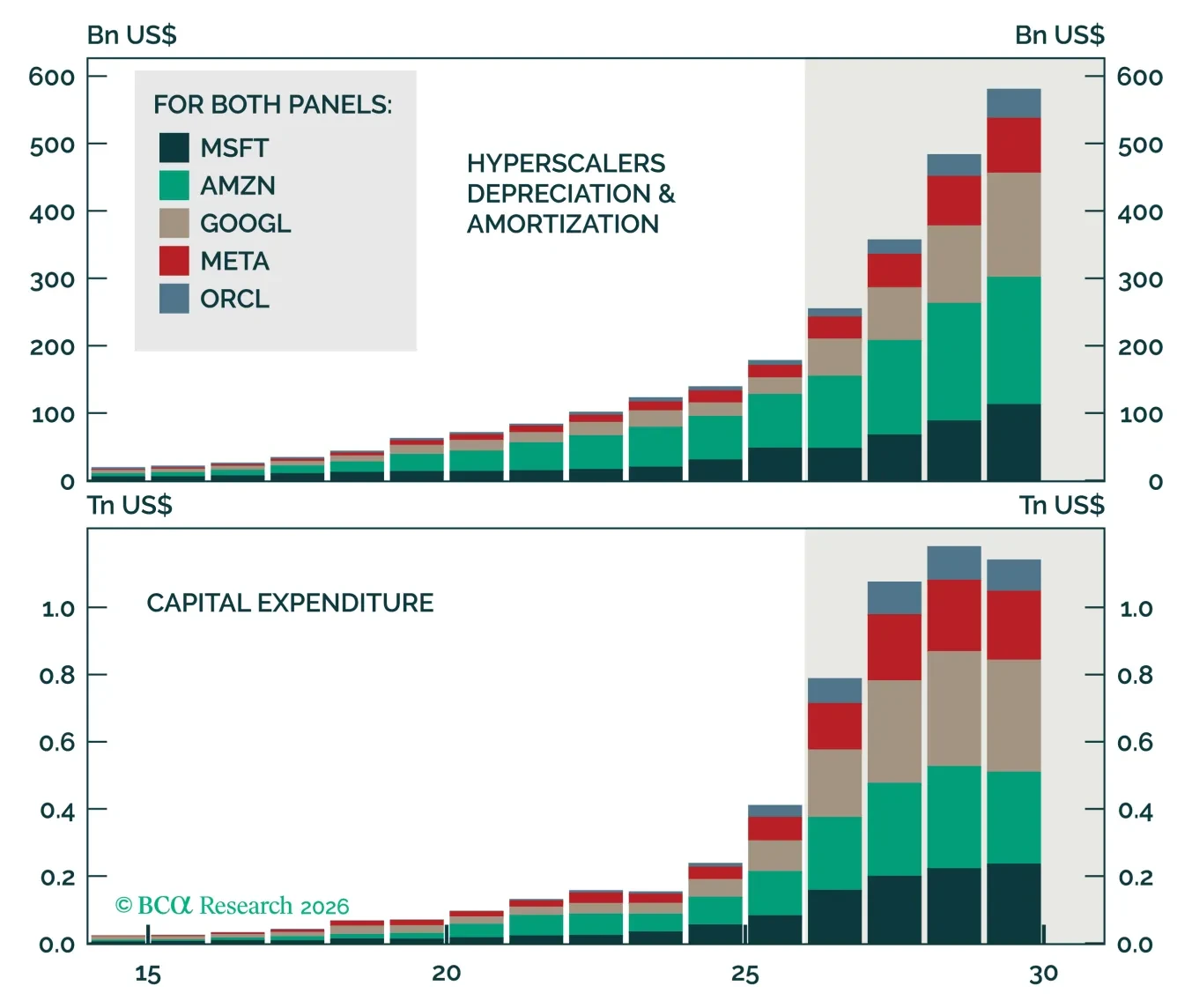
 

Concerns by the major AI companies that they are locked into a financially unsustainable arms race for AI dominance are likely playing as much a role in their newfound “go slow” approach as concerns over AI doom.