Explore FICC
FICC | Commodities
Global macro commodity and energy coverage, combining top-down and bottom-up fundamental research. Typically published twice a month.
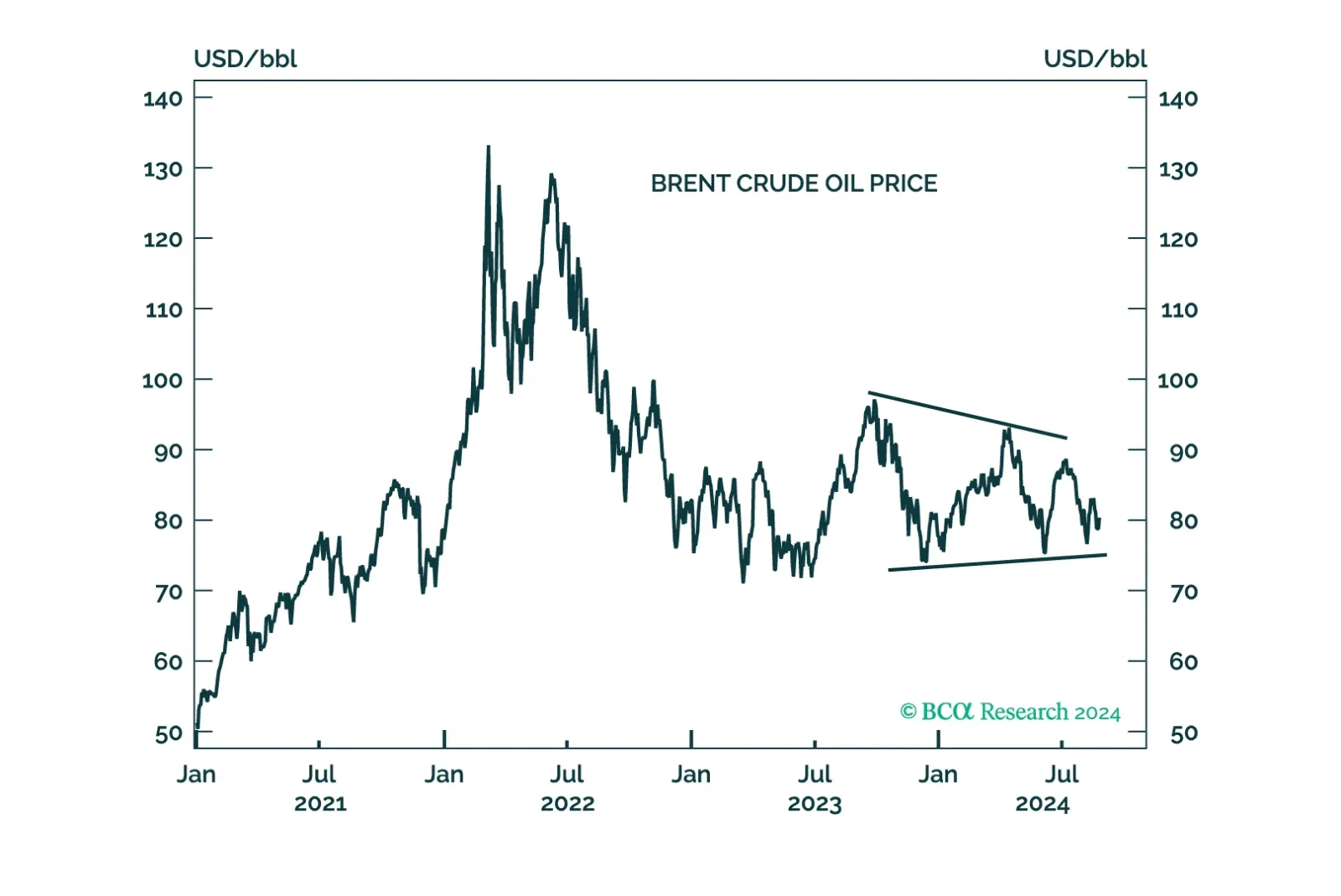
Oil prices failed to hold onto their recent rebound. They slid on Tuesday as demand con-cerns resurfaced. This dynamic is the latest iteration of a tug-of-war that has kept oil prices in a trading range since H2 2023. Bearish demand concerns are enforcing an upper limit on the price of crude while bullish supply risks are maintaining a floor.
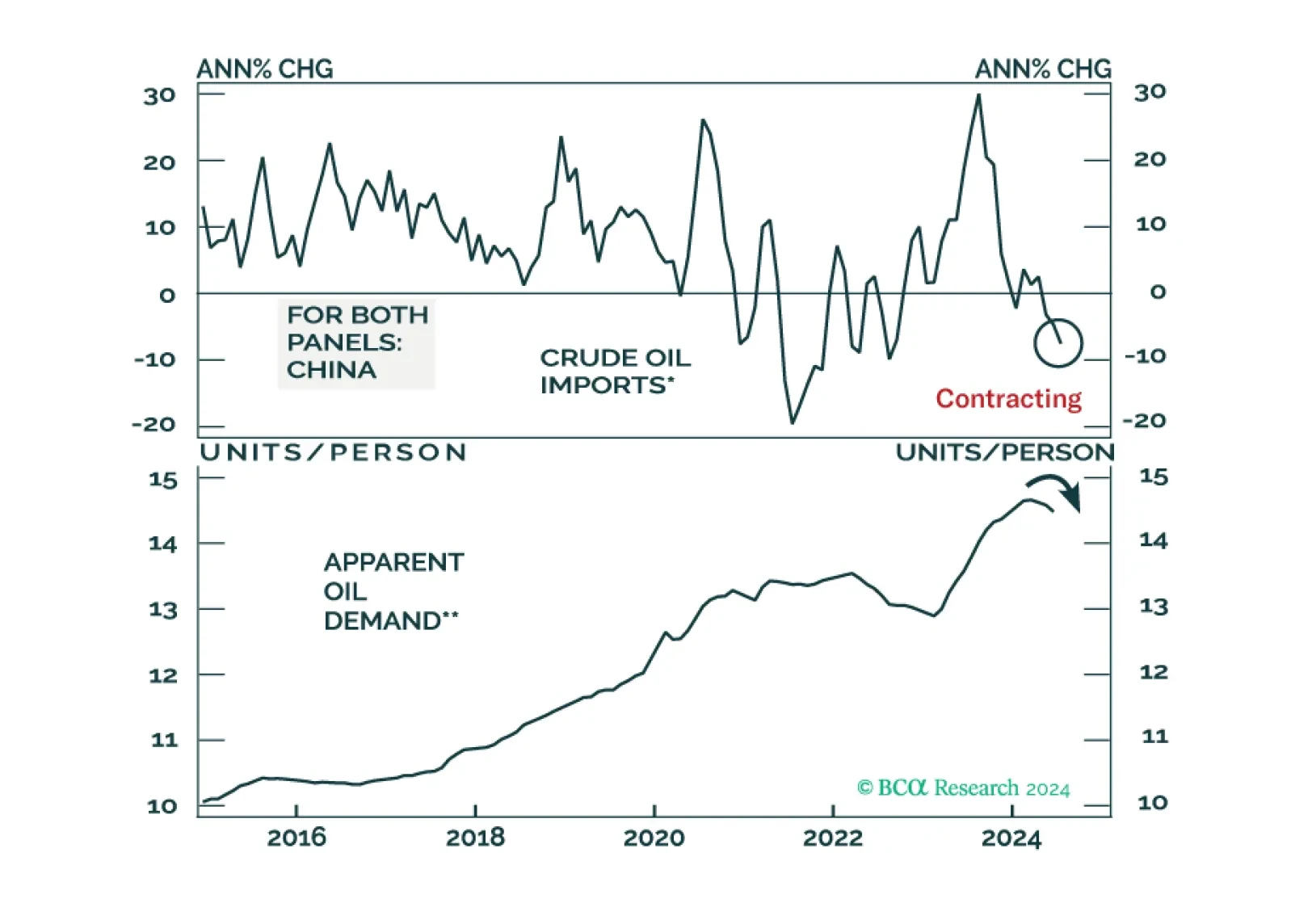
Oil prices are caught in a tug-of-war. Concerns about the demand outlook are acting as a price ceiling while the risk of a geopolitically induced supply shock is providing a floor. Prices are likely to remain rangebound over the near term. Yet the path of least resistance over a 6-to-12-month horizon is to the downside.
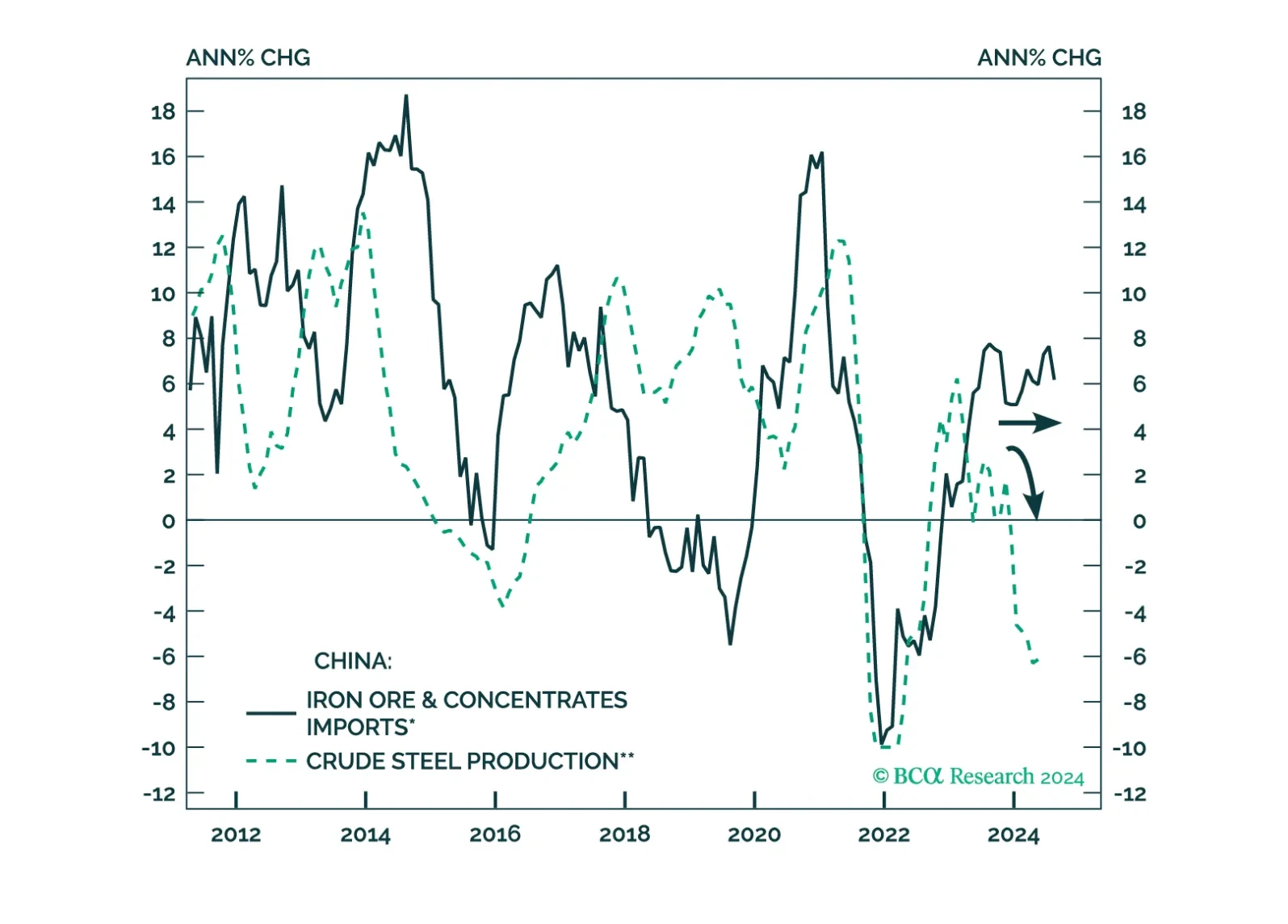
The absence of a catalyst that will boost Chinese steel demand dims the odds that iron ore and steel prices will recover over the coming six-to-nine months. Instead, we expect ferrous metals to face further downside into year-end.
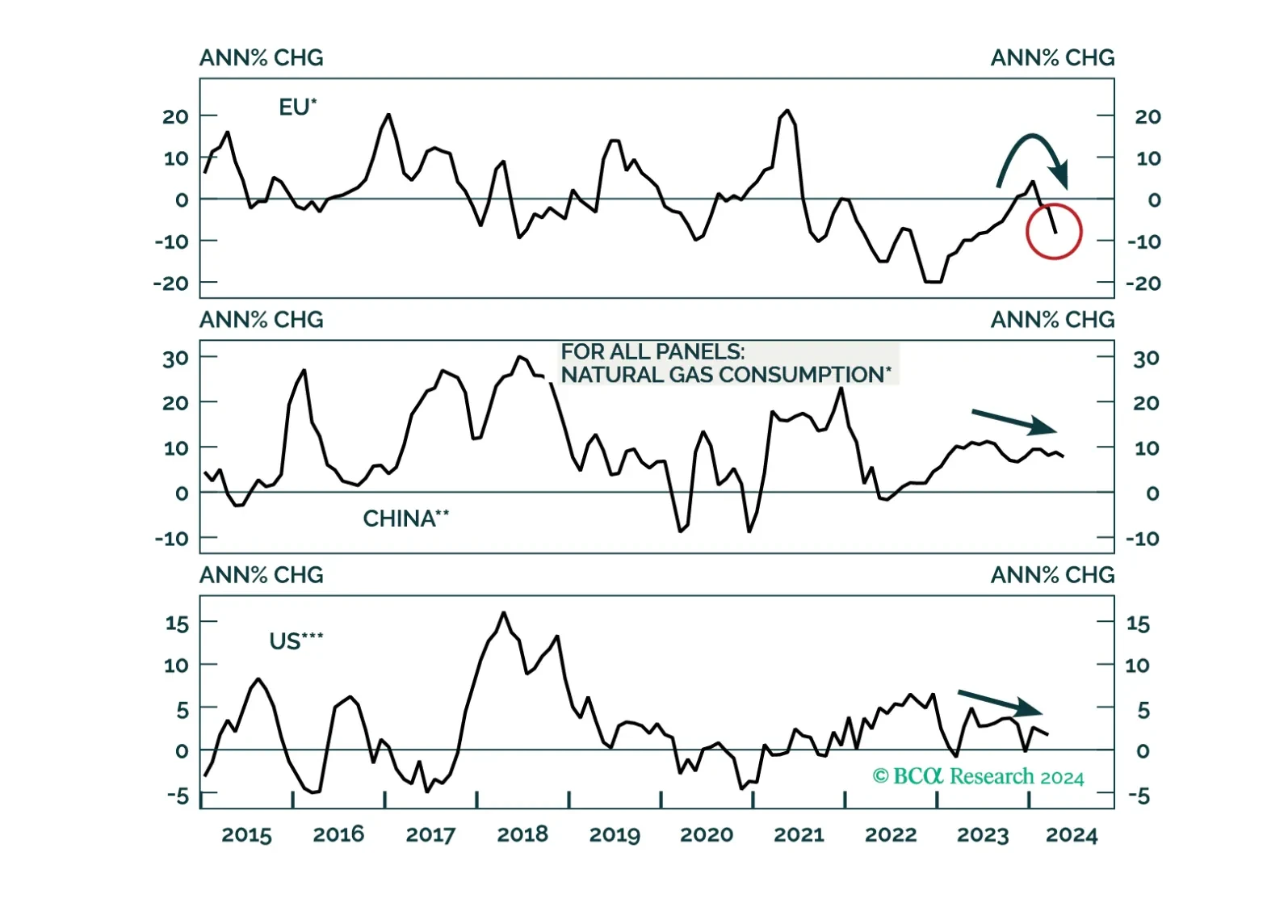
A global economic downturn will be a headwind for natgas prices over the cyclical horizon. Thereafter, LNG capacity additions will help keep the market in balance into the end of the decade. That said, Europe’s increased dependence on global LNG flows raises its exposure to market dynamics in the rest of the world. This will keep volatility elevated versus pre-Ukraine war.

Gold prices might experience a correction or consolidation over the near term. However, cyclical and structural forces will ultimately cause the yellow metal to trend upwards.
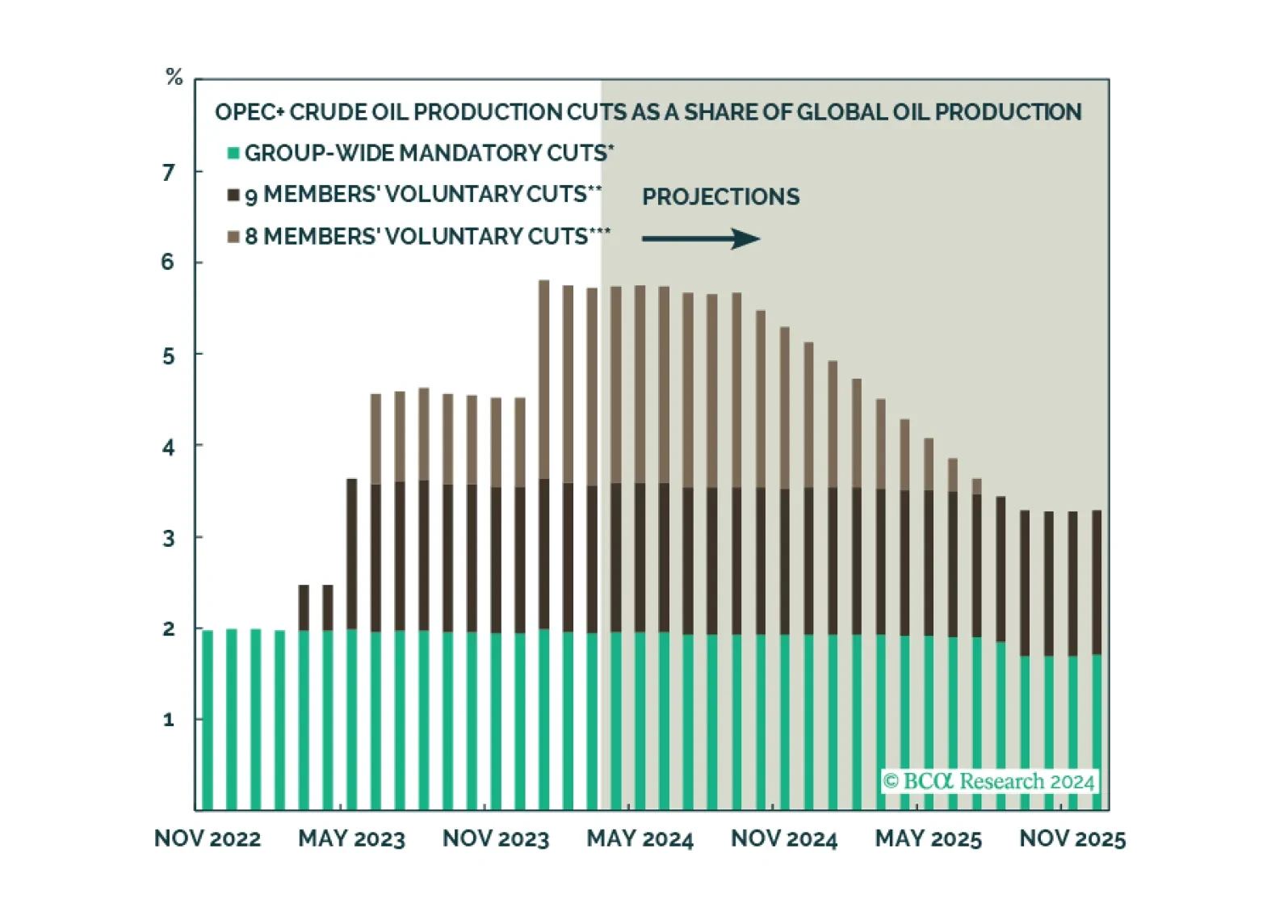
According to OPEC+’s revised production path, the group will begin unwinding some of its production curbs in Q4. This announcement suggests that the coalition might be shifting its strategy towards defending a price floor. Such a shift in OPEC+ strategy does not imply that the ‘OPEC put’ is completely dead. Rather, its strike price has been lowered.
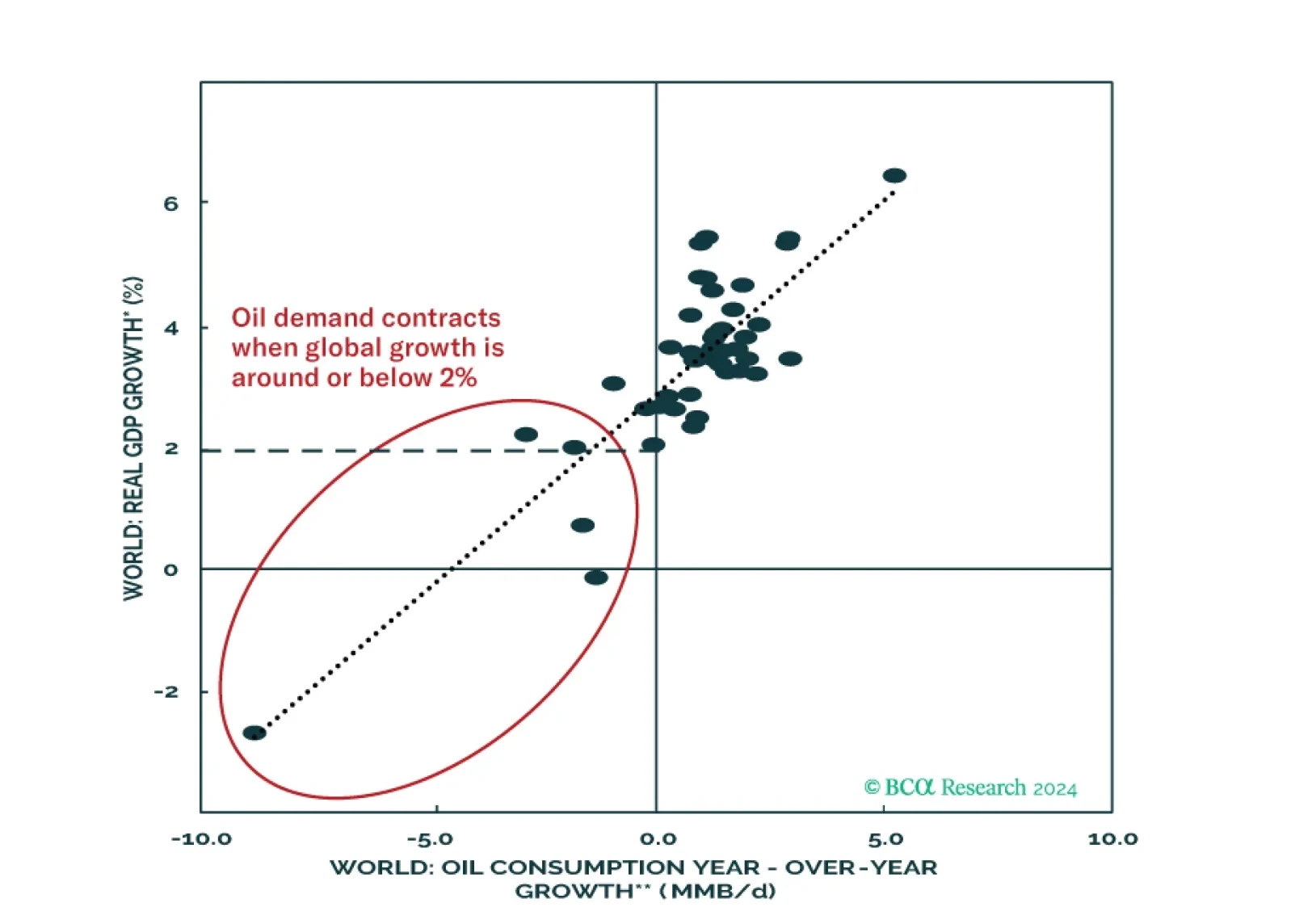
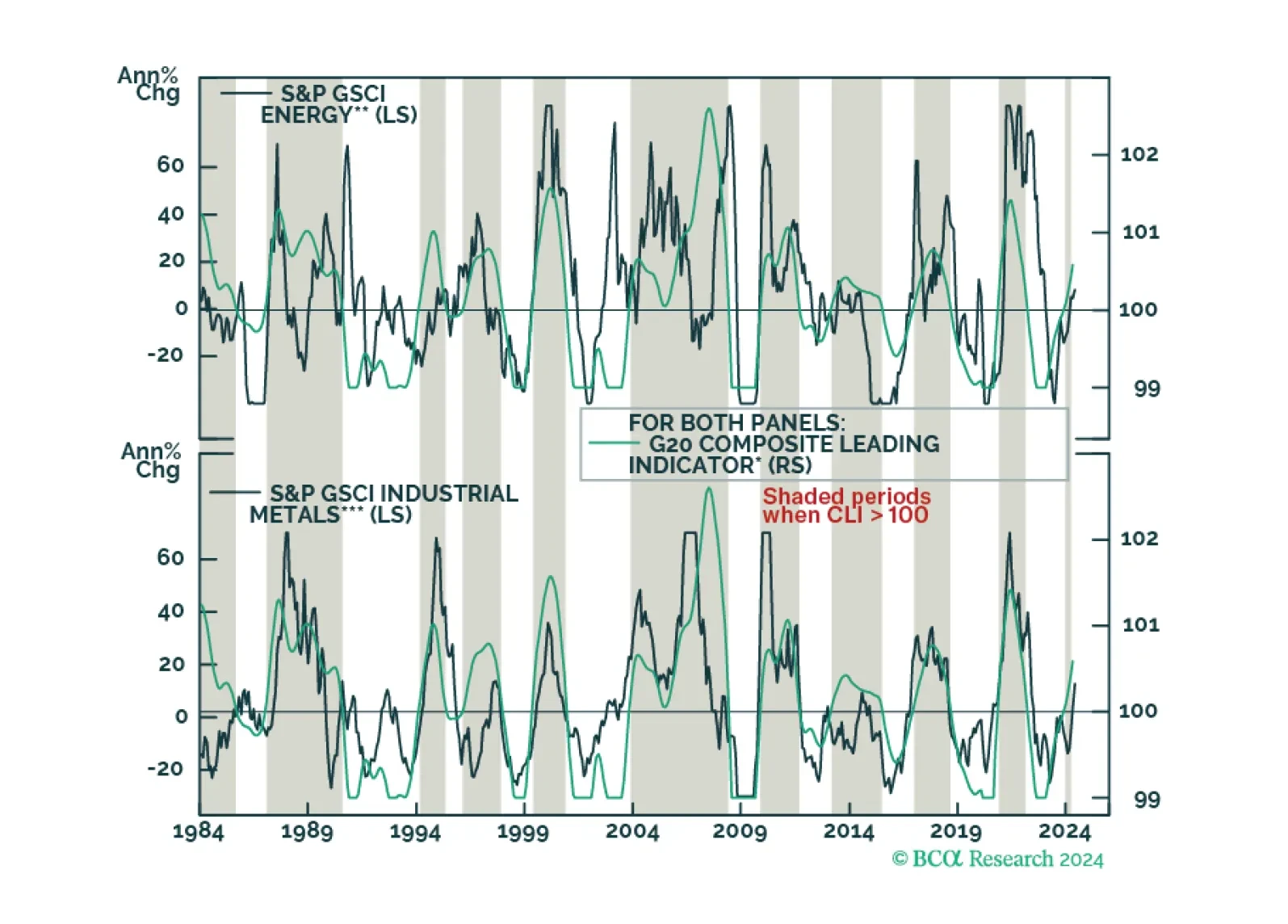
The three major oil forecasters – IEA, EIA, and OPEC – are forecasting oil demand growth until 2025 to be broadly in line with its range over the past four decades. On a cyclical horizon, we give high odds that a recession will begin within the coming 6-12 months, disappointing these oil demand forecasts. On a strategic horizon, the IEA projects EVs will displace 9% of global oil demand by 2035, serving as a long-term demand headwind.
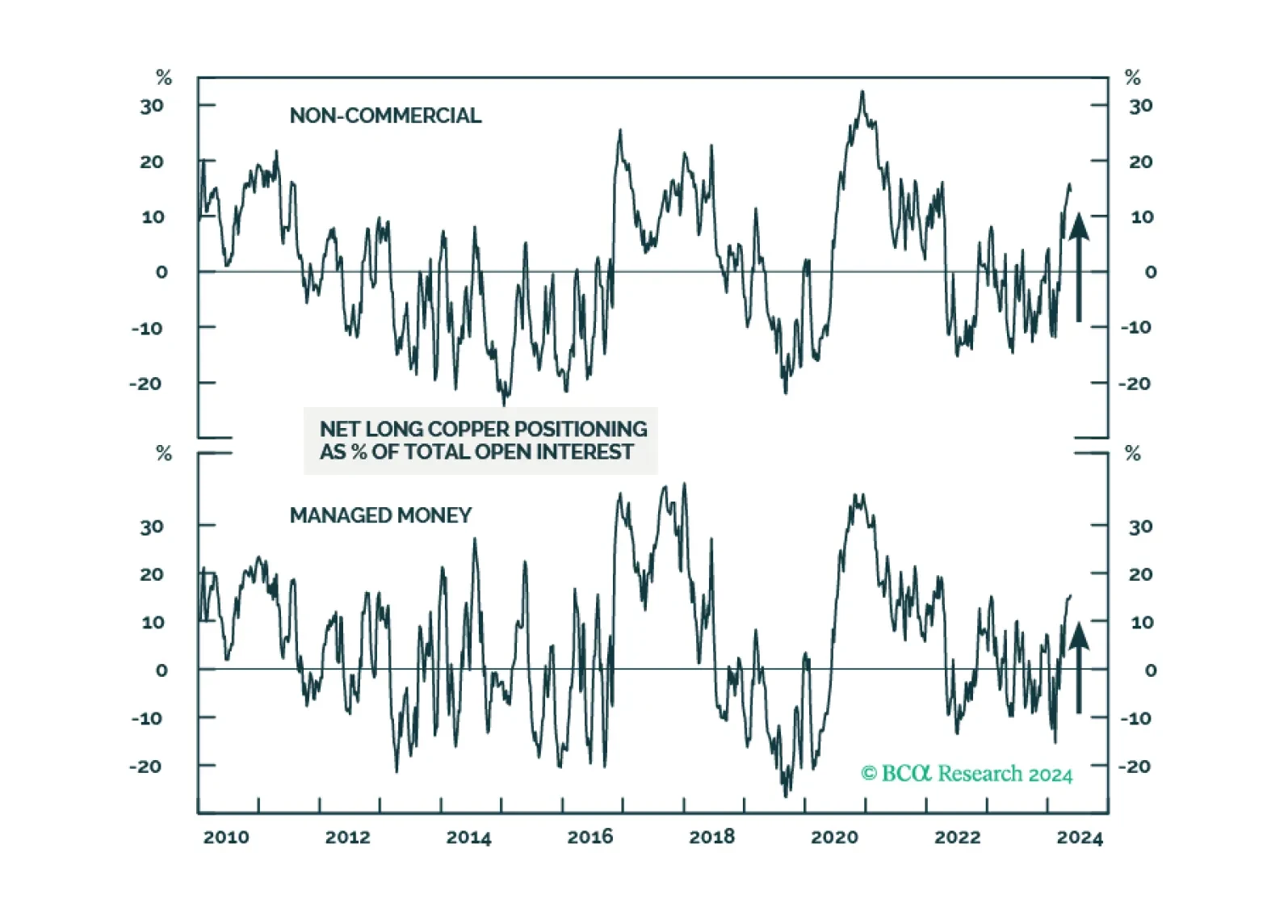
The sharp move higher in copper prices is missing a clear fundamental catalyst. Meanwhile, the cyclical outlook for the global economy in general, and manufacturing activity in particular, is unlikely to provide a tailwind. Given that aggregate copper inventories on global exchanges have been rising briskly, there are high odds that the copper price surge will soon reverse.