 CoreMacro
BCA’s flagship global macro and investment strategy platform, helping investors anticipate regime shifts, connect signals across regions and asset classes, and navigate the world’s most difficult macro questions.

There is no evidence of a sharp increase in China's state sector investment in recent months. This, together with the cautious private enterprises, explains why overall Chinese investment has remained downbeat. Public sector investment spending will likely accelerate going forward, which should continue to support business activity.

Yield and Protector Portfolios should continue to benefit in current environment. Equities face seasonal headwinds.

For the month of June, the model performed in line with both global equities and the S&P 500. For the month of July, the model is increasing its risk exposure.

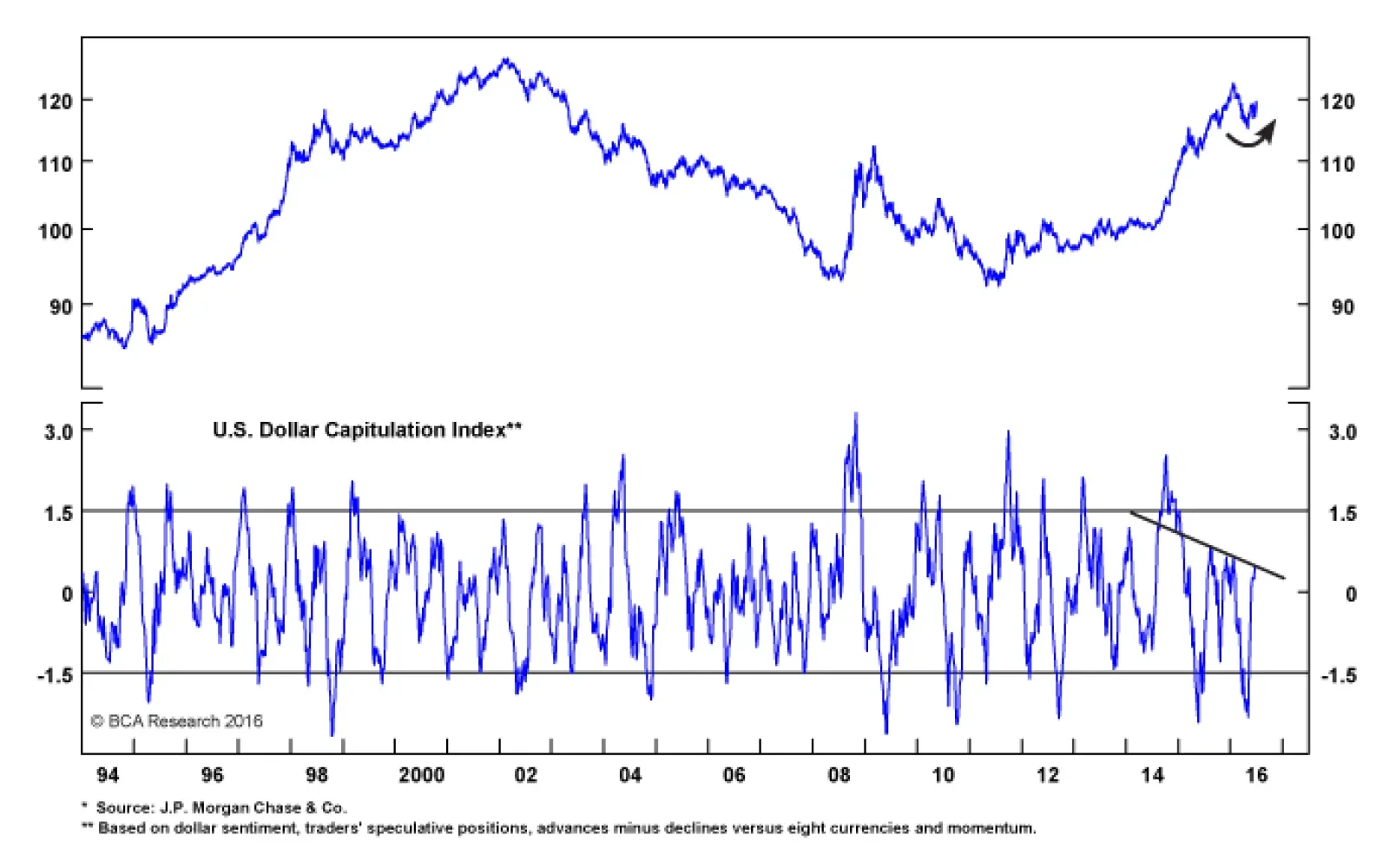
The Brexit vote will either usher in the complete dissolution of the euro area, or it will prove to be a blessing in disguise. Our bet is the latter, but the next few months are still likely to see heightened political uncertainty and elevated financial volatility, warranting a cautious stance towards risk assets. Investors have become too complacent about the prospect of Fed hikes over the coming years. Even a slight upward move in rate expectations could cause the dollar to surge. Underweight U.S. stocks in currency-hedged terms.


The Brexit drama has moved from the realms of psephology into the realms of game theory. How will the game play out? And how will the economy and financial markets react?


Rising policy uncertainty is negative for global equity multiples.

If the damage of the Brexit is contained in the U.K., the direct economic impact on China should be marginal. China's relatively closed financial system makes it less exposed to global shocks than most other countries. It is too soon to expect a policy response from the Chinese authorities just yet, but Brexit has pushed China's "balancing act" needle further toward stimulus.