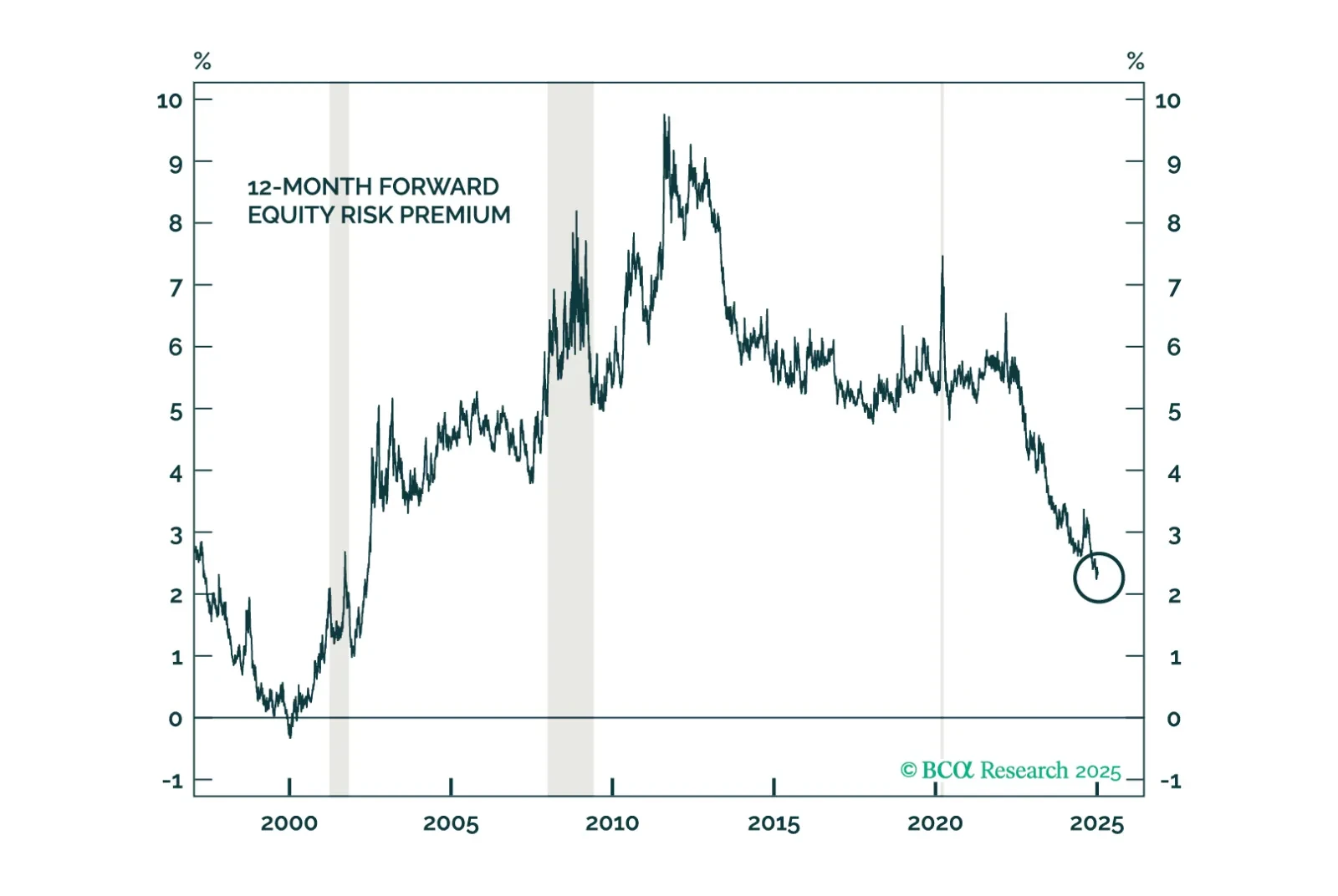
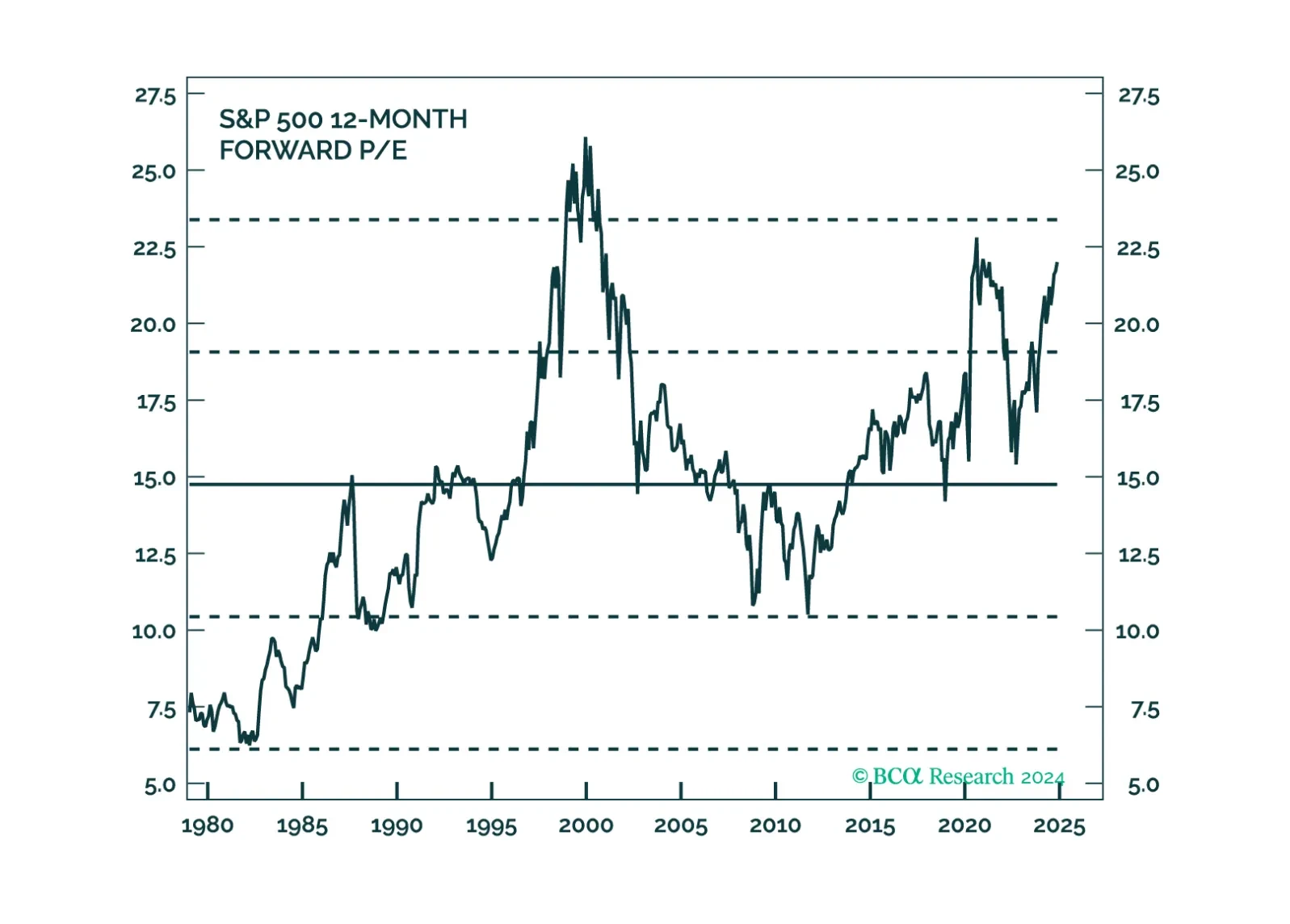
We were stopped out of our defensive asset allocation recommendations last Thursday, when the S&P 500 closed above 6,100, but our reading of the labor market tea leaves still supports a bearish fundamental view.
Markets initially celebrated the election results, but the party was less festive than it was in 2016-17. The macro backdrop is not as forgiving for deportations, reflation and tariffs as it was eight years ago, and the incoming administration could face a rougher ride than it did in its first go-round.
Our last publication of the year lets the charts do the talking about why we think the consumer post-pandemic momentum is fading along with the labor market.
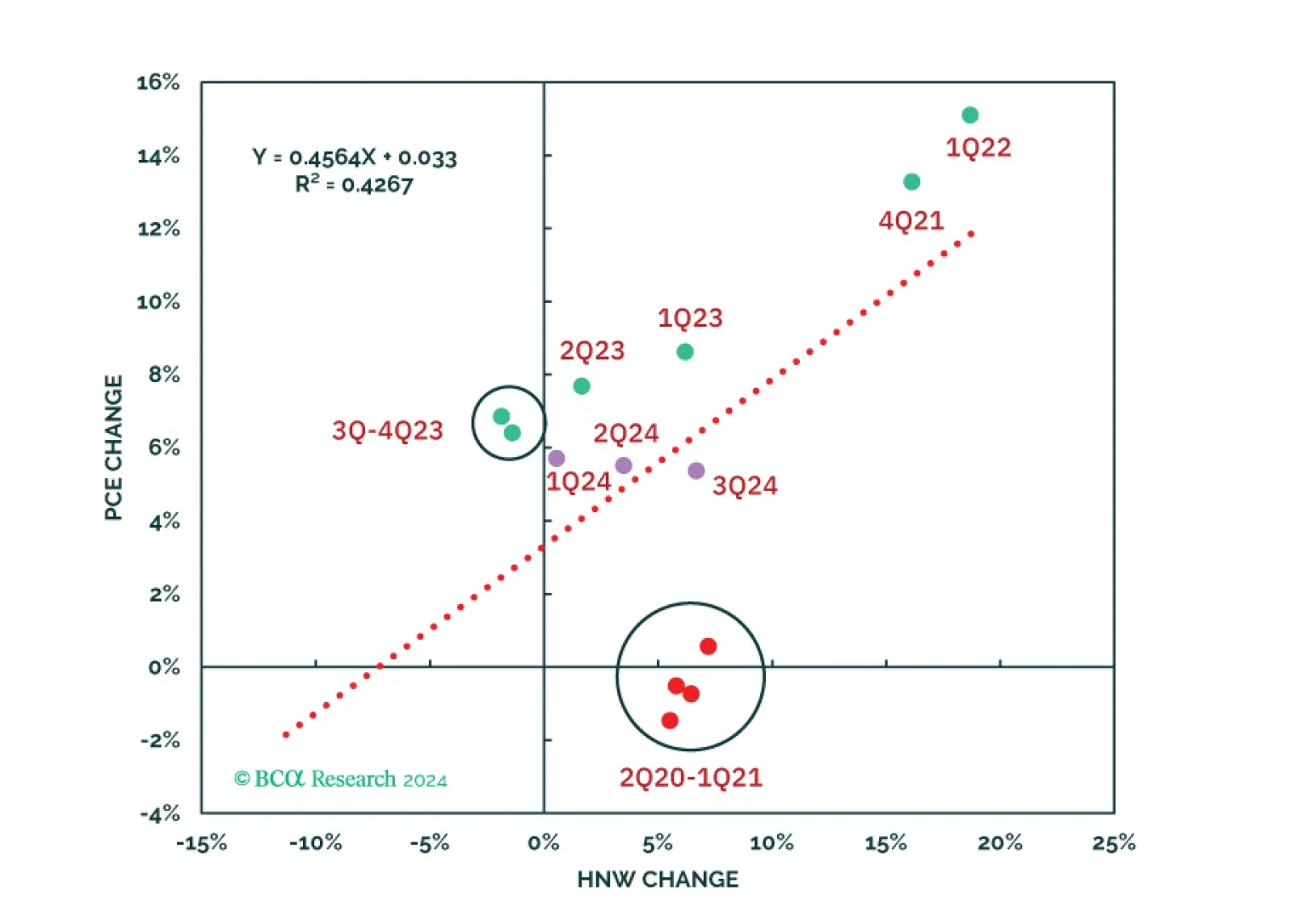
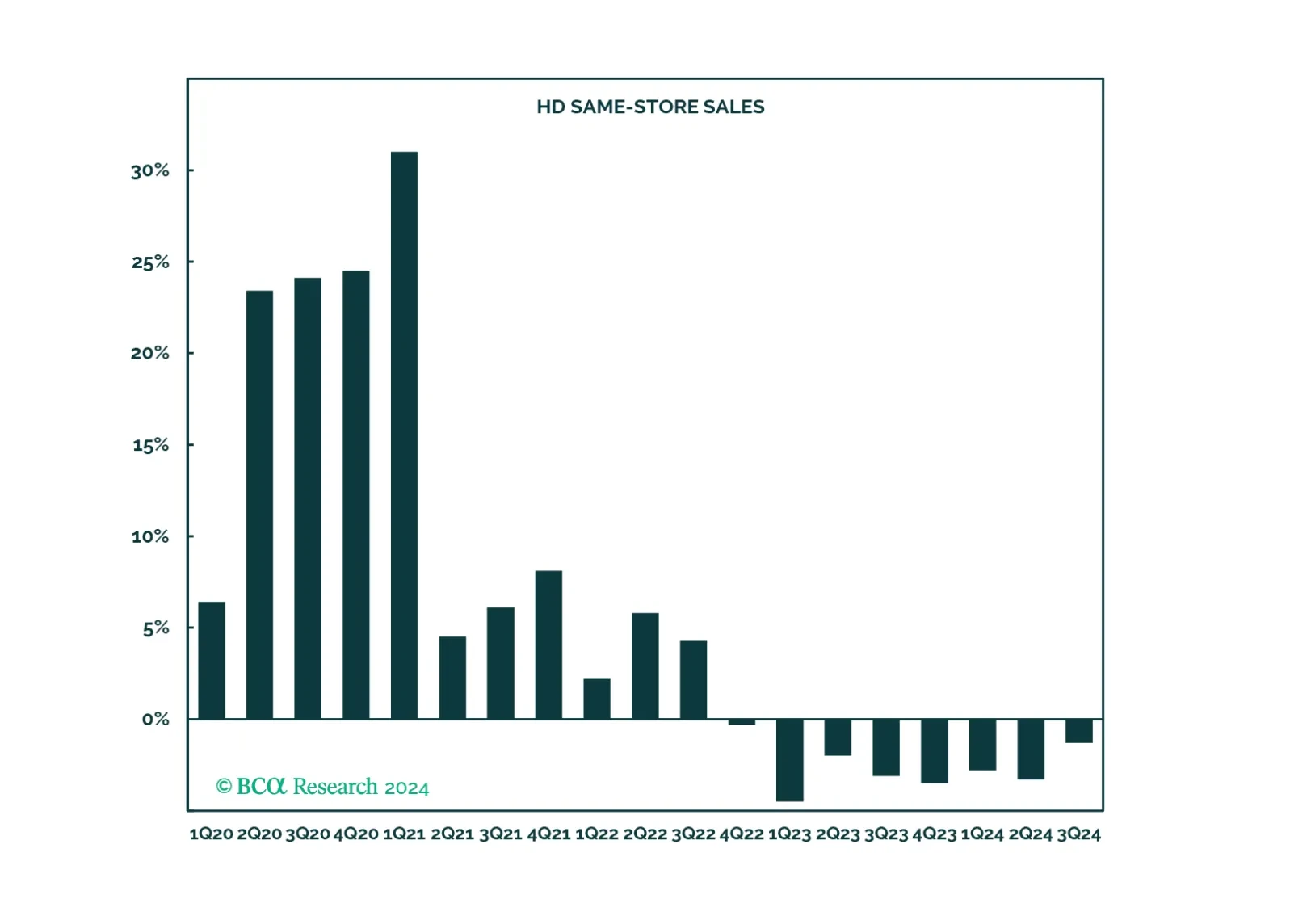
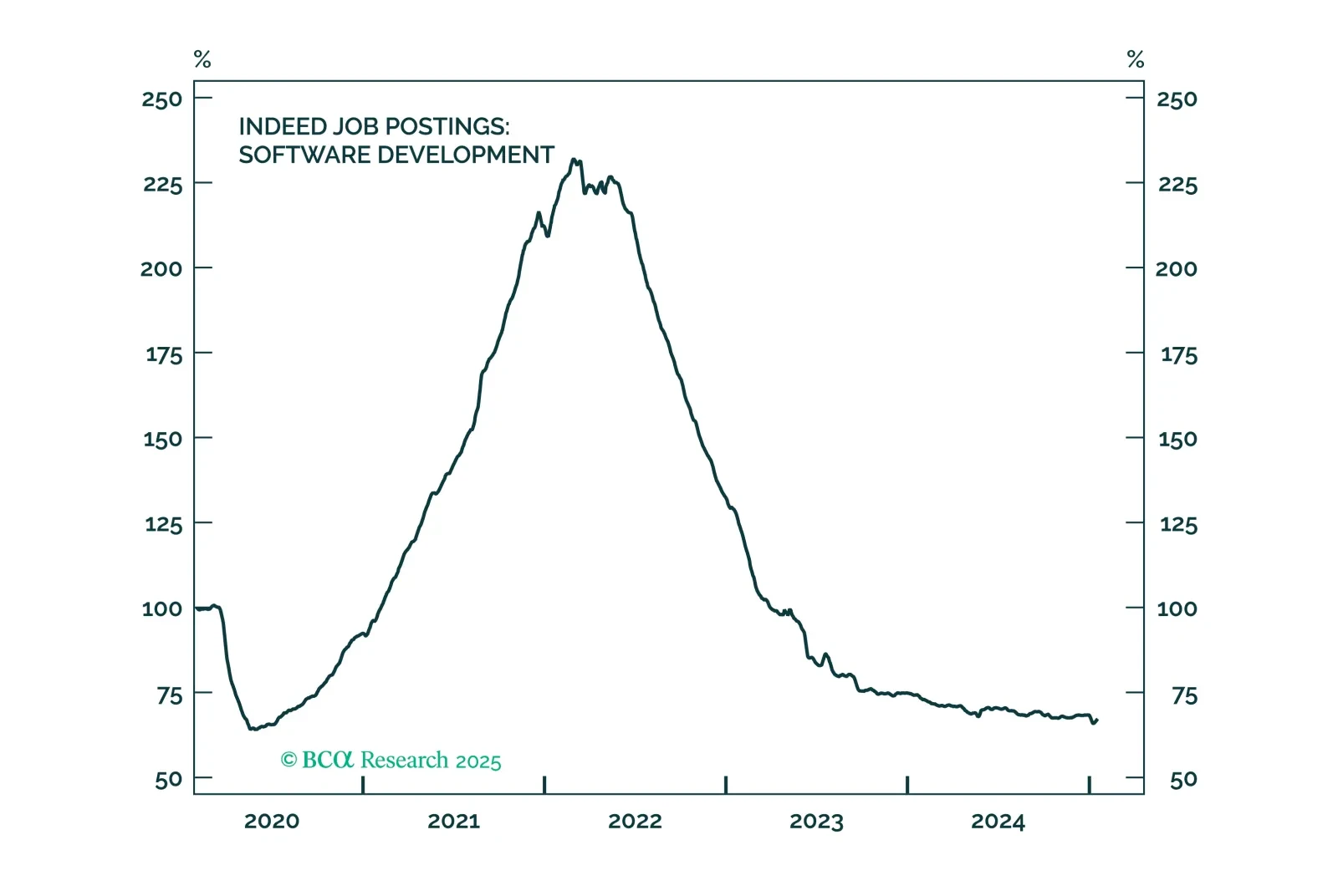
Earnings reports and commentary from major retailers confirm that the consumer continues to lose momentum, while signs that the labor market continues to cool suggest that household income growth is poised to slow. We reiterate our downbeat fundamental take and our defensive asset allocation recommendations.
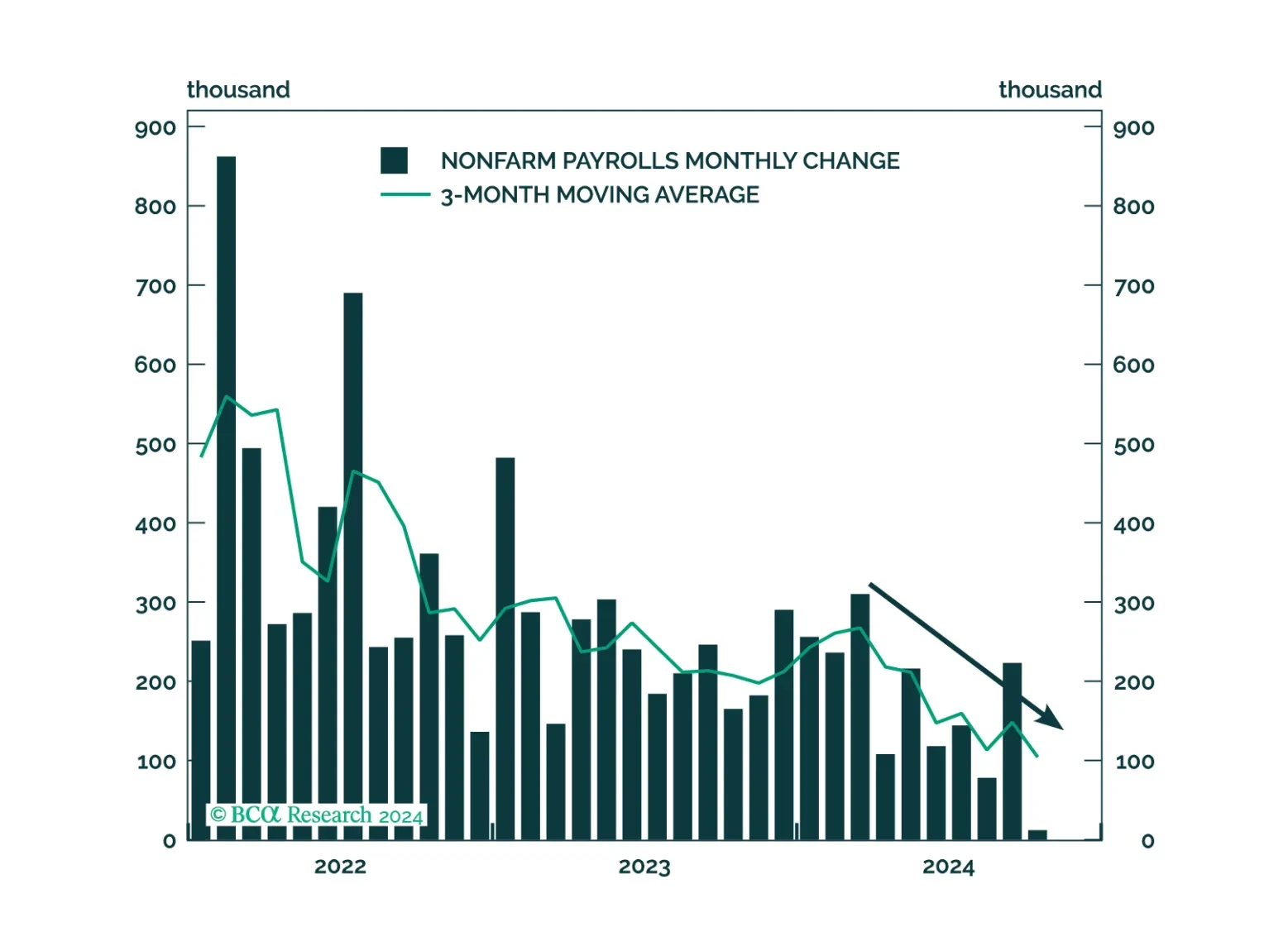
The force of the post-election momentum leads us to believe we could be stopped out of our defensive positioning before the week is out, but we still believe in our recession call. If we are eventually stopped out, we will seek a more opportune entry point to bet against risk assets once the election fever runs its course.
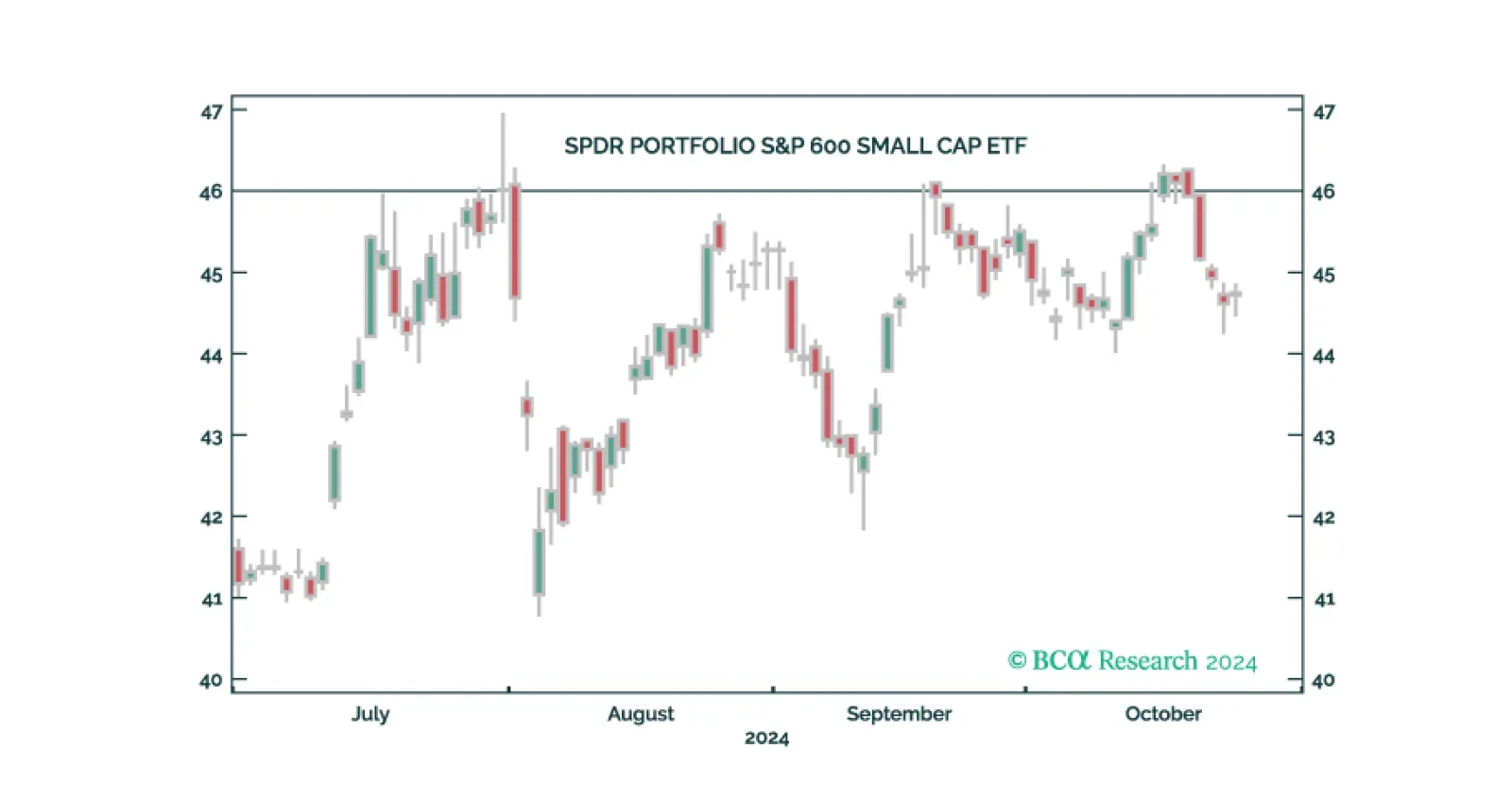
Middle-aged households have lagged youngish and older households since the pandemic and the 40-to-54 cohort is worse off than it was at the end of 2019. The fragmenting of the seemingly monolithic US consumer widens the path to a recession and we reiterate our defensive asset allocation recommendations.
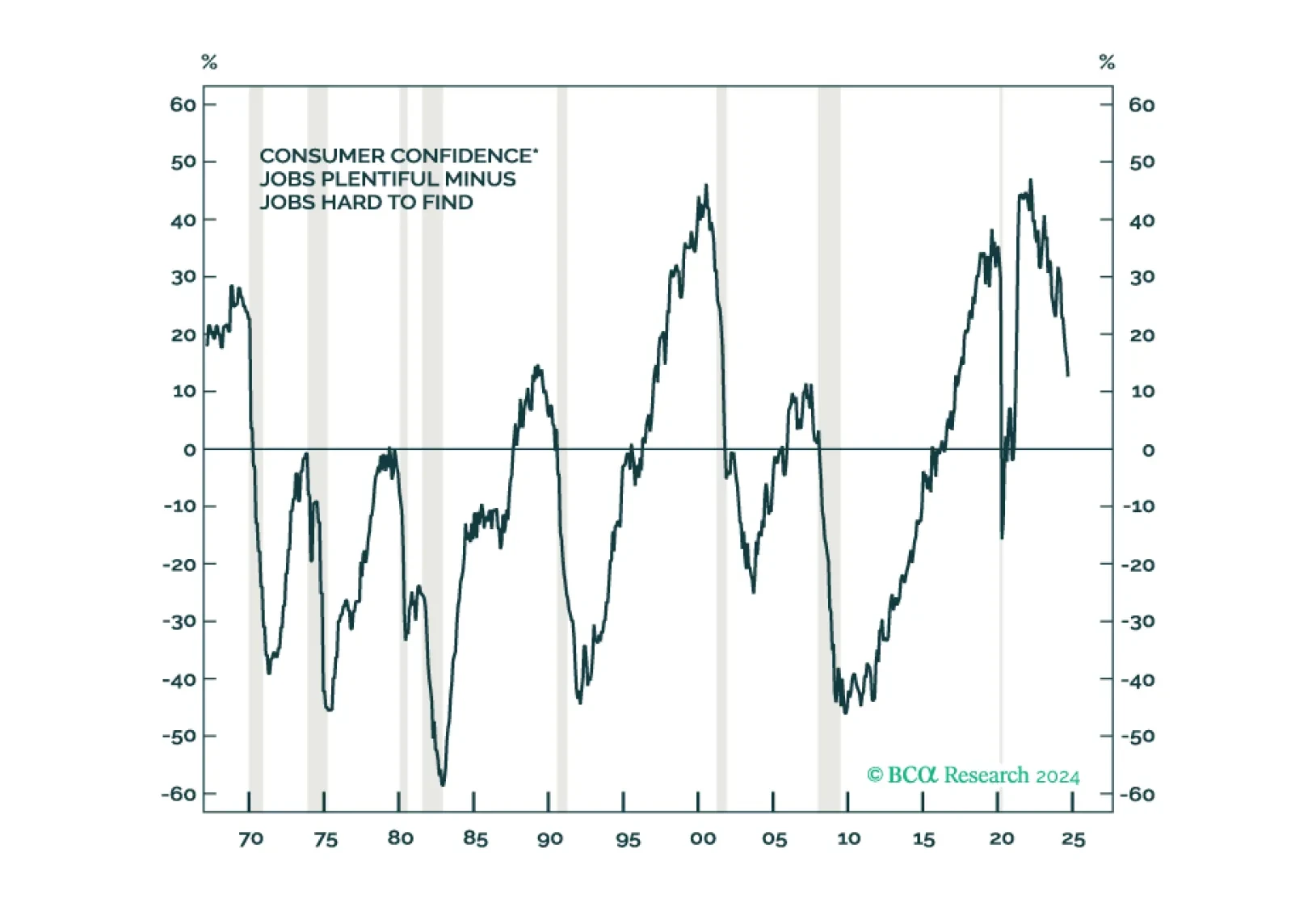
Rising stock prices and improving economic data have us re-examining our bearish thesis, but we still see deterioration in leading labor market indicators and expect it will eventually culminate in a recession. We reiterate our defensive investment recommendations.