Labor Market
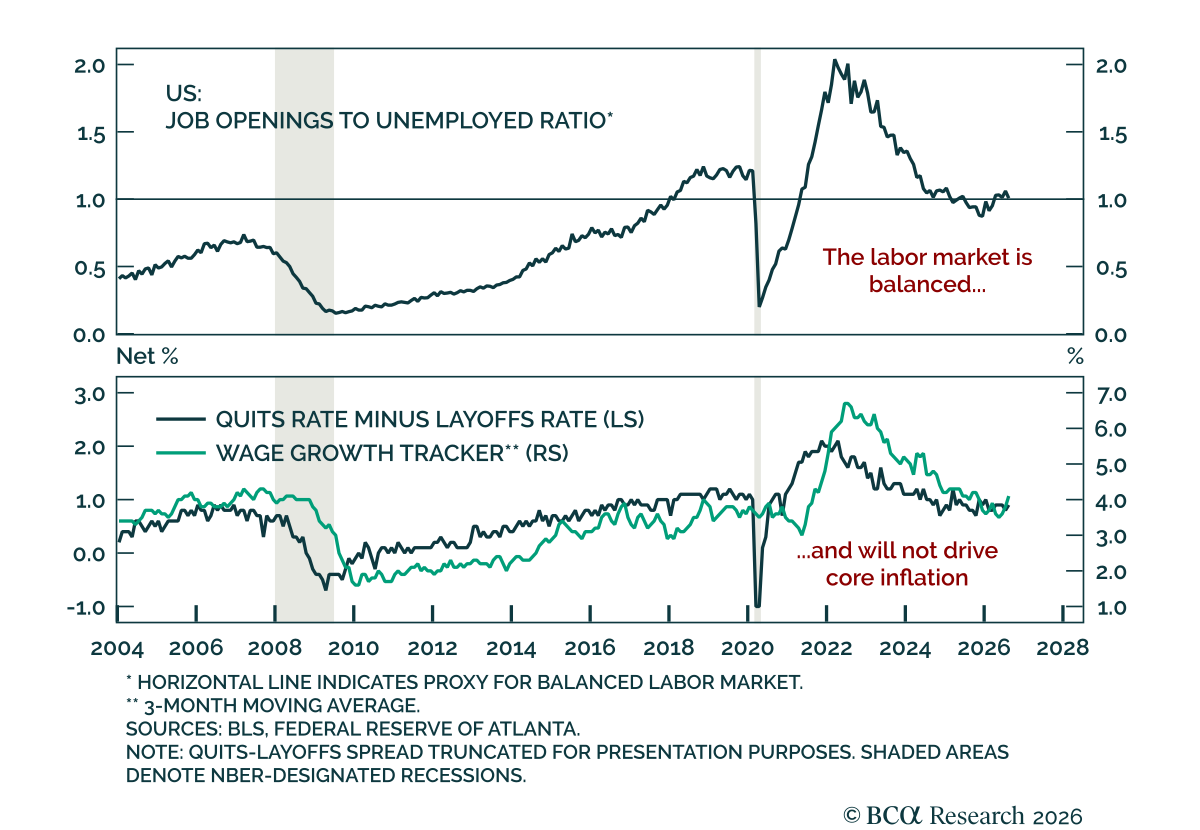
The August JOLTS report did not point to the labor market as a source of inflationary pressure or indicate that labor demand is weakening. Job openings slipped to 7.08 million in August, the lowest level since March, following an upwardly revised 7.34 million…
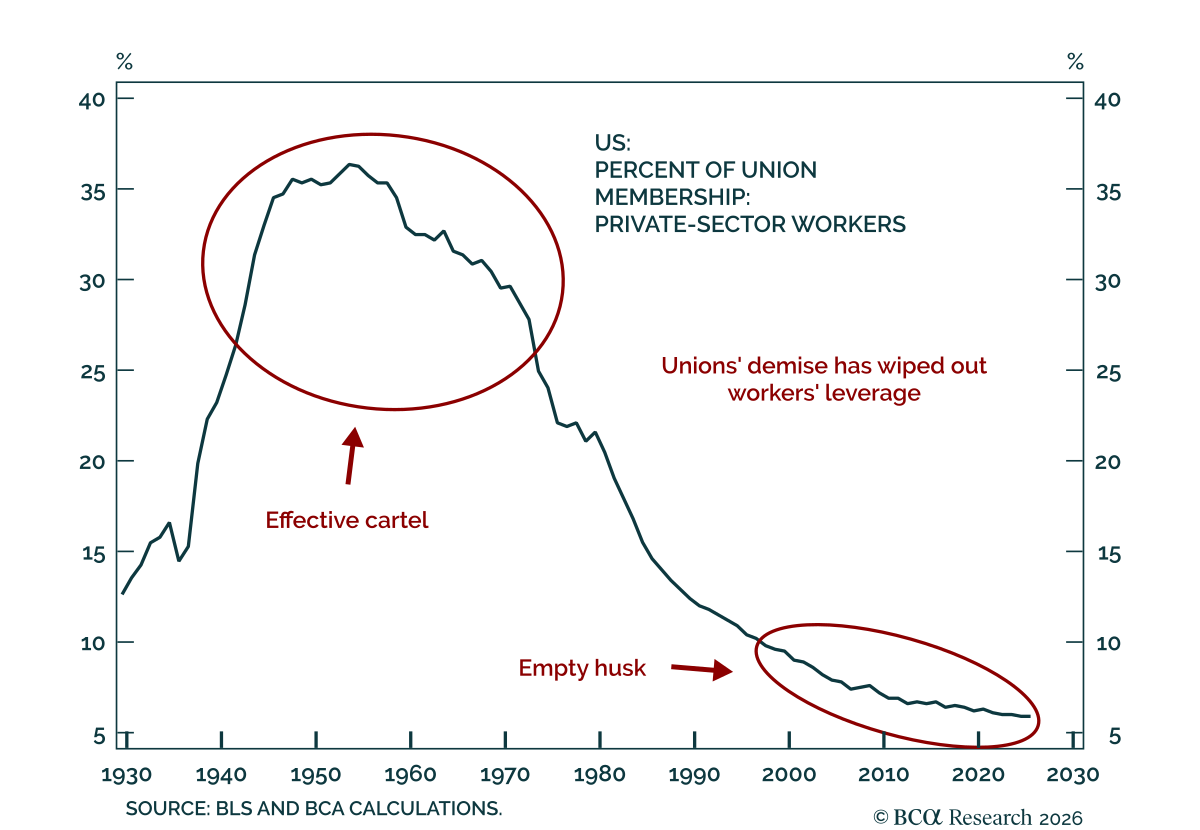
Our US Investment strategists see fears of a significant wage growth breakout as overdone. Entrenched misperceptions die hard, but the structural balance of power between workers and employers has shifted too far to permit a repeat of the 1970s. The…
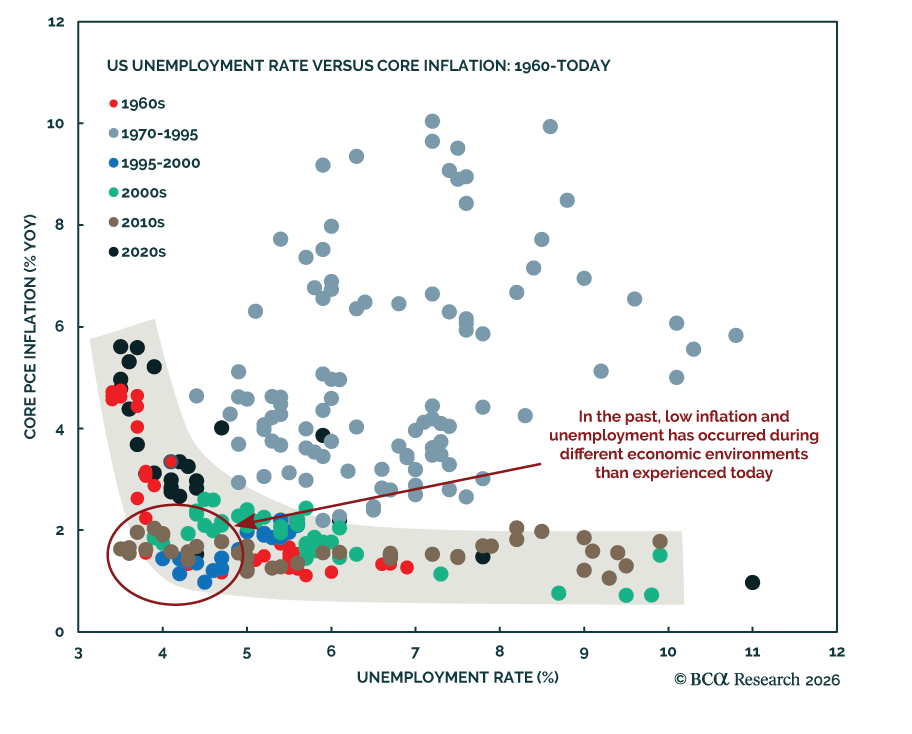
A tighter labor market over the coming year could cause inflation to stay elevated even if tariff and energy shocks dissipate. The US labor force has contracted over the past year, driven by the departure of unauthorized immigrants and a decline in the labor…
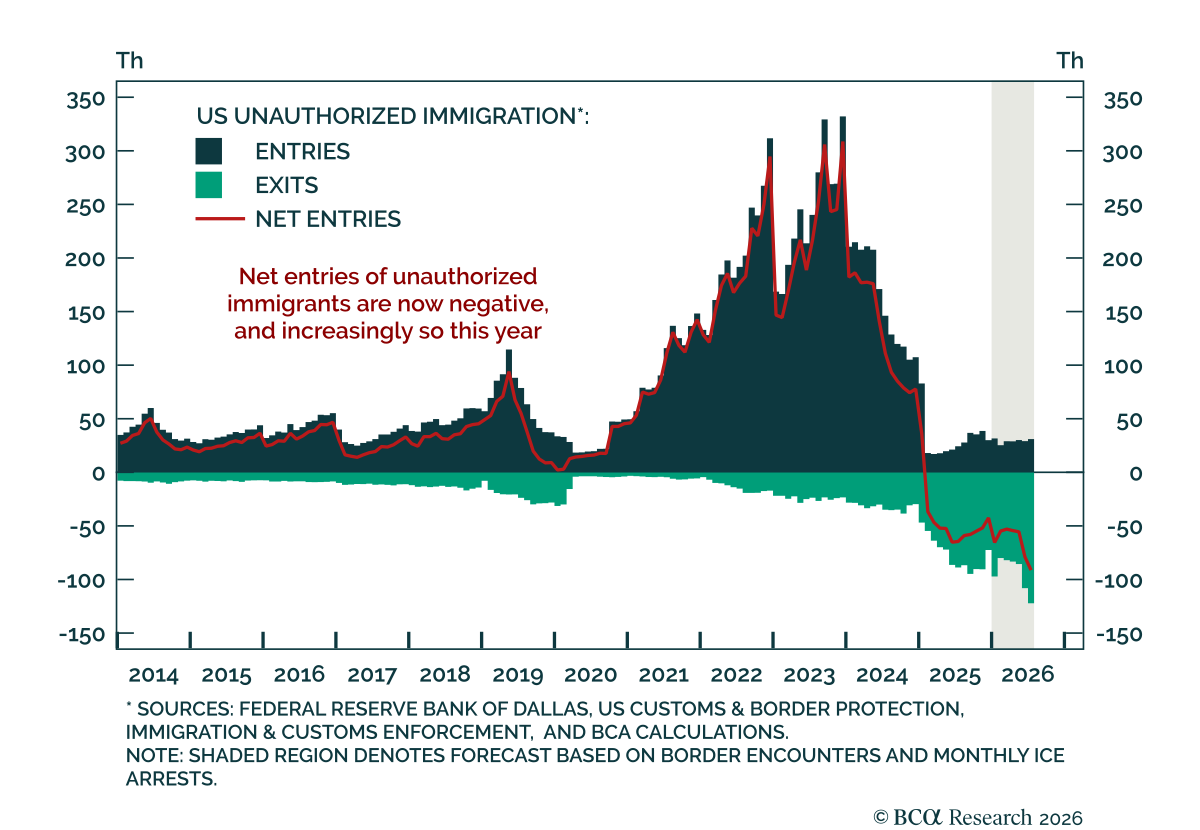
Our Essentials and CoreMacro strategists find little evidence that tighter labor supply from the US immigration crackdown is boosting inflation today. The net exit of unauthorized immigrants has nonetheless lowered the bar for stronger labor demand to turn…
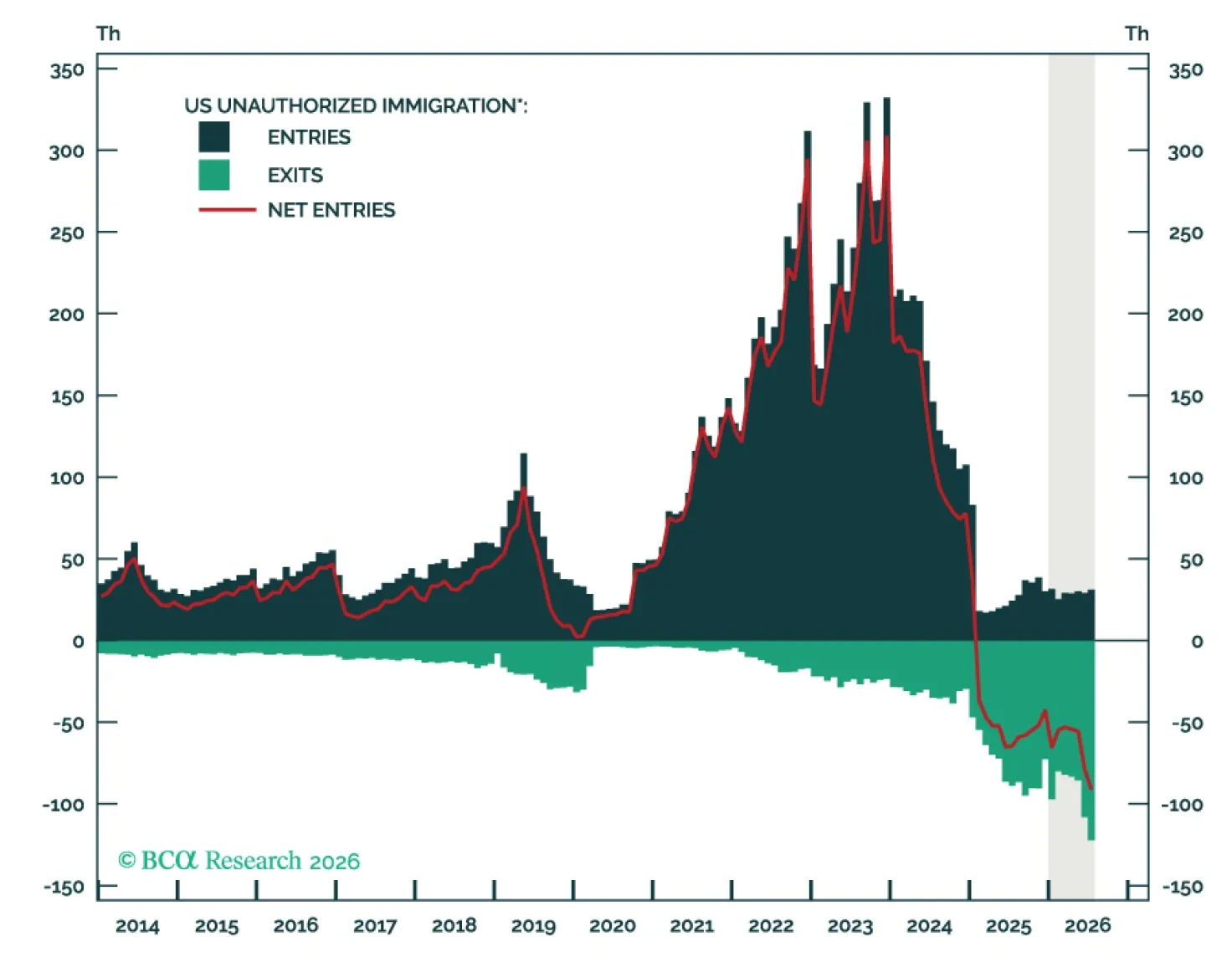
Labor supply is not meaningfully boosting inflation today, but the net exit of unauthorized immigrants has lowered the bar for stronger labor demand to turn inflationary. Hawkish monetary policy surprises over the coming year are possible.
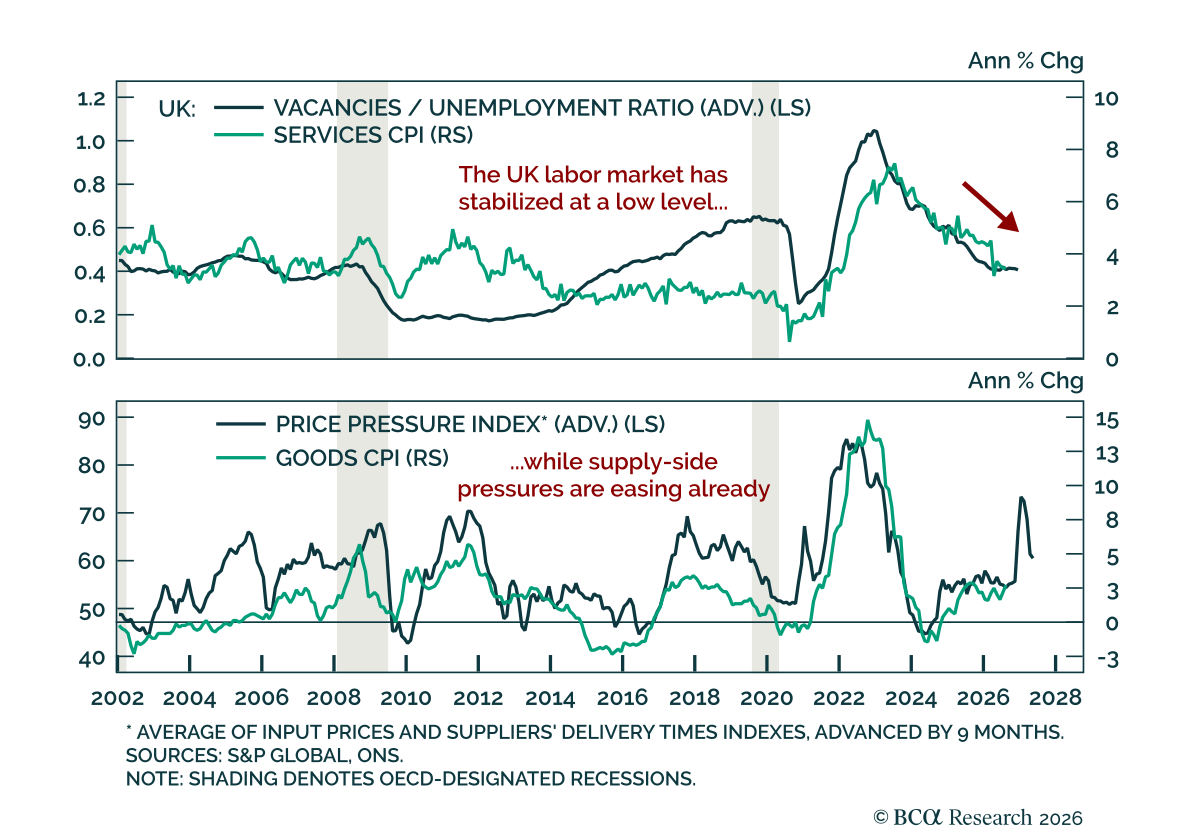
The latest UK employment and inflation data show a labor market with some slack and no sign of accelerating inflation, supporting an overweight on UK gilts. Payrolls fell by 26k in August, more than expected and faster than the negatively revised 19k decline…
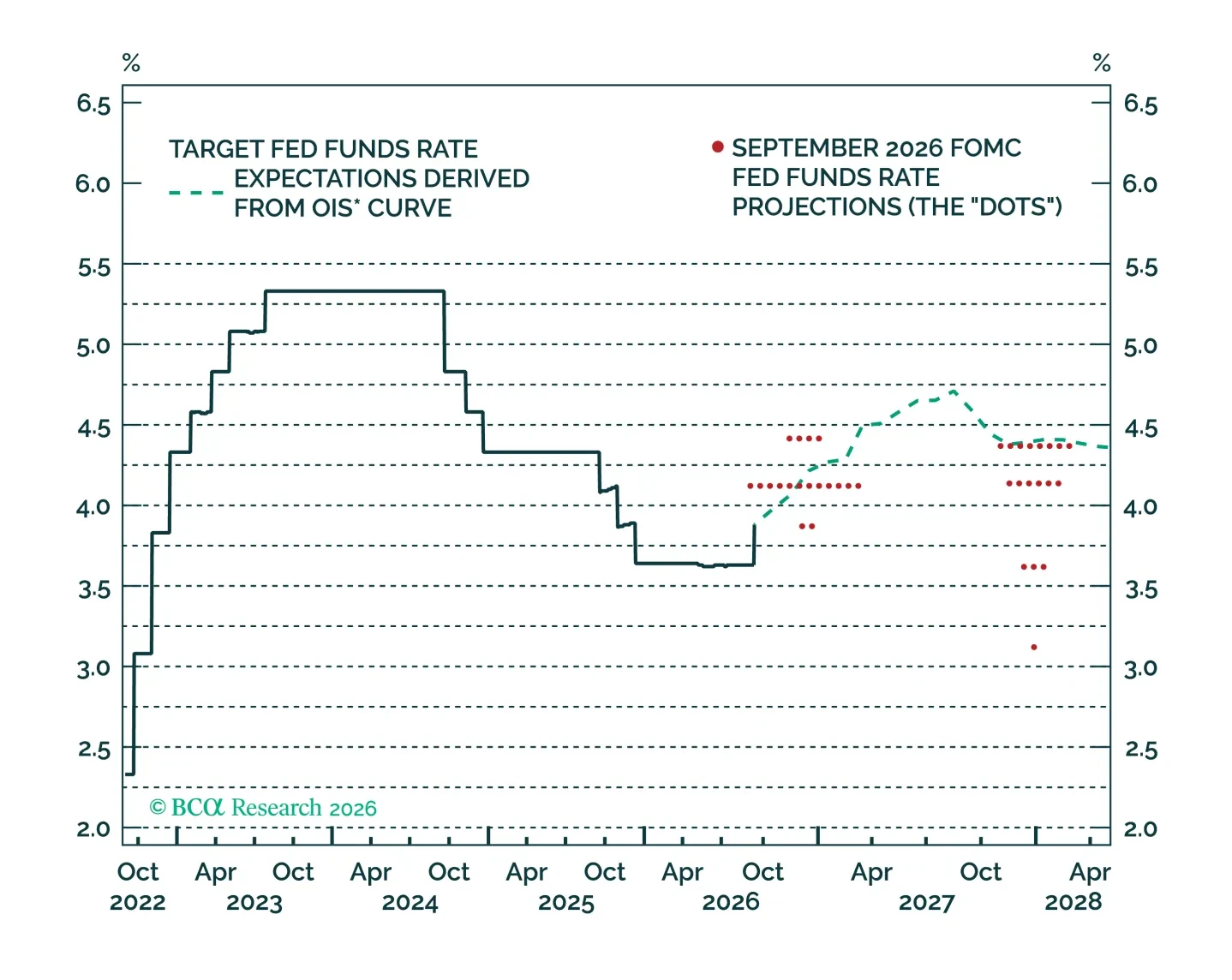
The Fed is unanimous in expecting a mild tightening cycle of no more than 75 bps, but that outcome is contingent on a rapid drop in core inflation in 2027.

Our Bank Credit Analyst colleagues recommend maintaining benchmark allocations to equities and other risk assets, as the post-pandemic expansion remains intact amid balanced growth. Hiring has revived after a weak 2025, with employers adding an average of 80k…

The August NFIB survey weakened, with softer hiring signals reinforcing that the labor market is not overheating or adding to inflation. The Small Business Optimism Index fell more than expected to 98.7, driven by weaker expectations. The report reversed much…
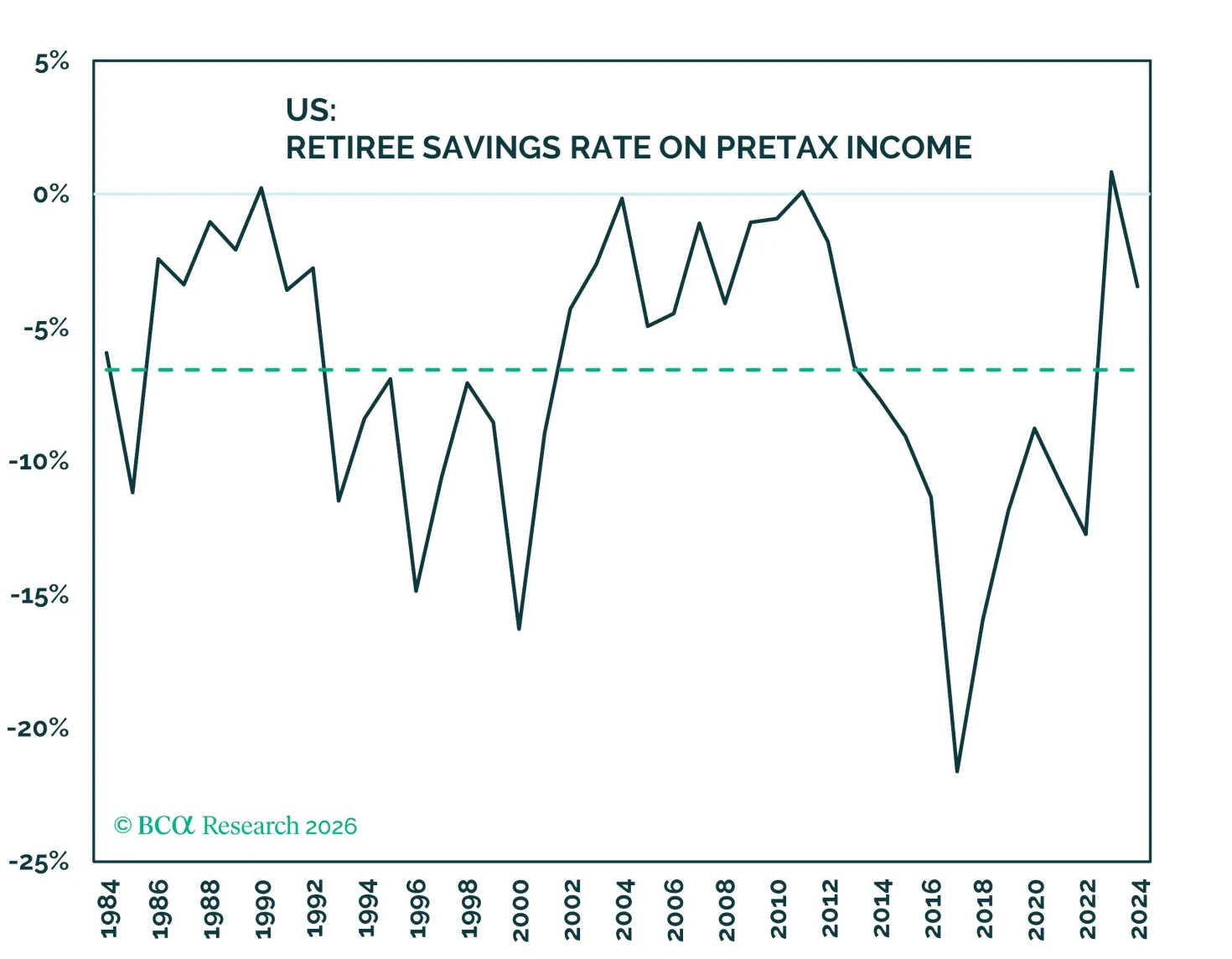
Concerns about the savings rate’s sustainability ease after adjusting for retirements and capital gains. The US economy continues to grow at a pace that is neither too hot nor too cold and investors should remain fully invested in risk assets.