Sorry, you need to enable JavaScript to visit this website.
Skip to main content

Developed Countries

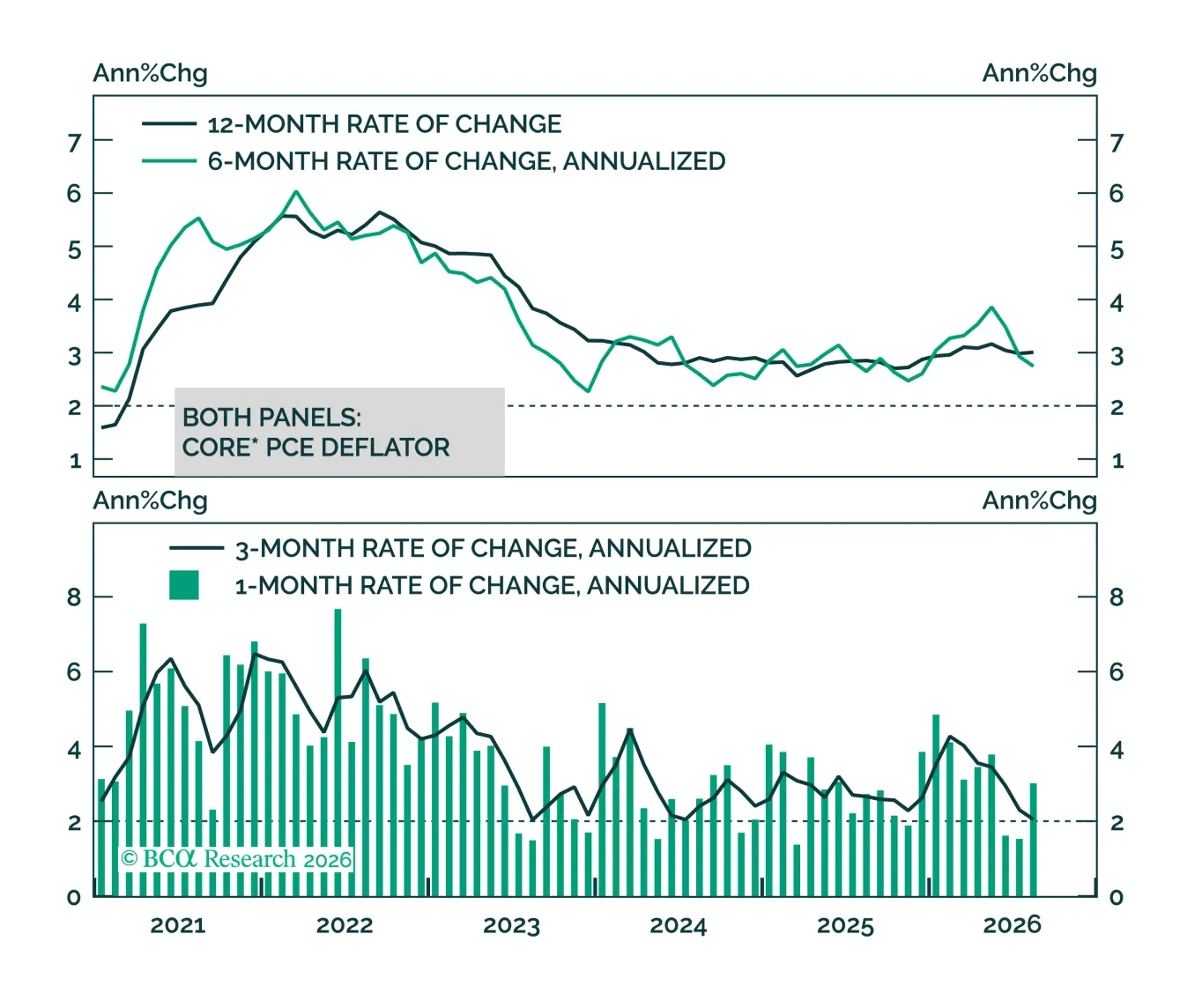
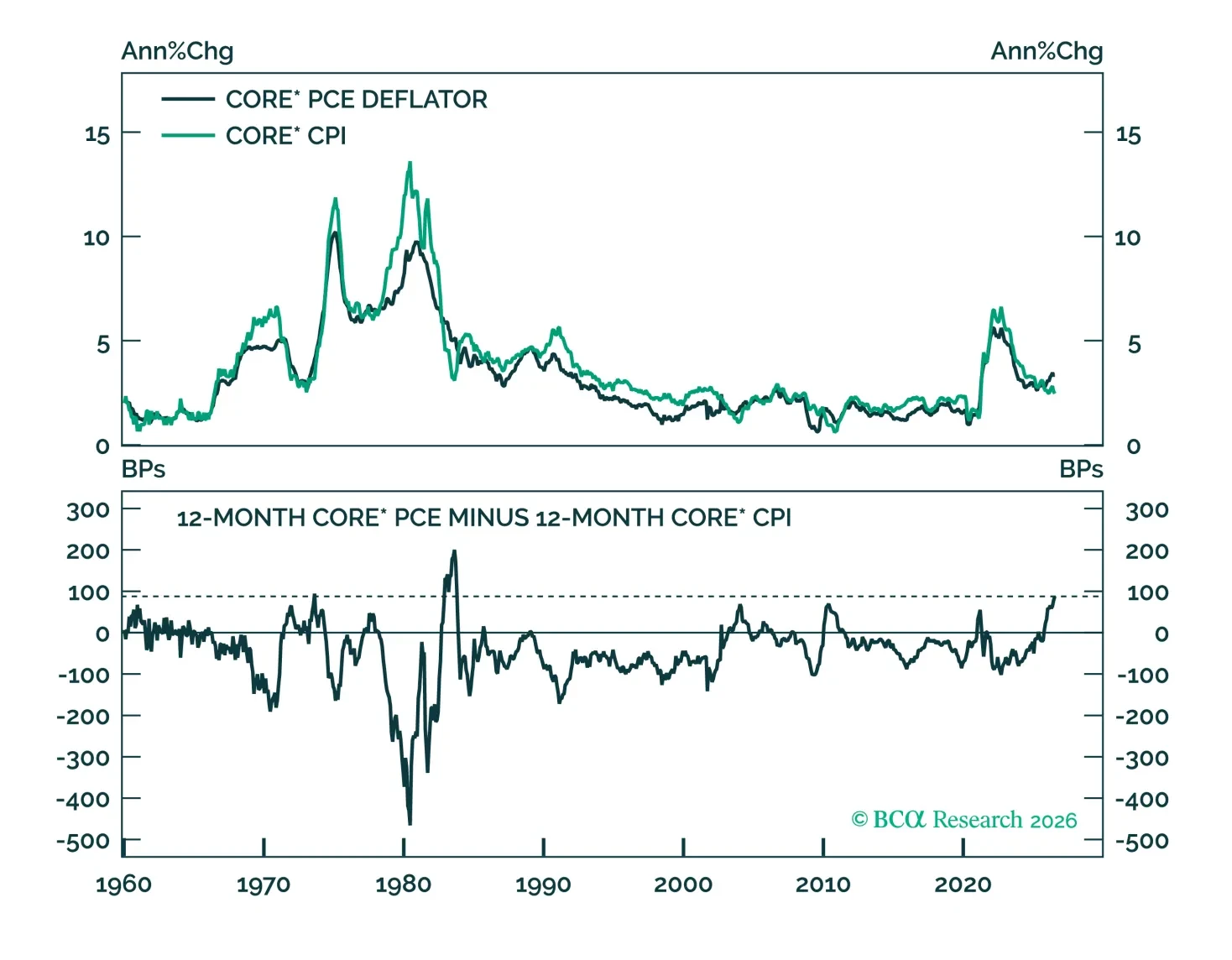
Core US inflation is still running above target. But this morning’s data revisions reveal that the gap is not nearly as large as it appeared yesterday.
 

Special Report

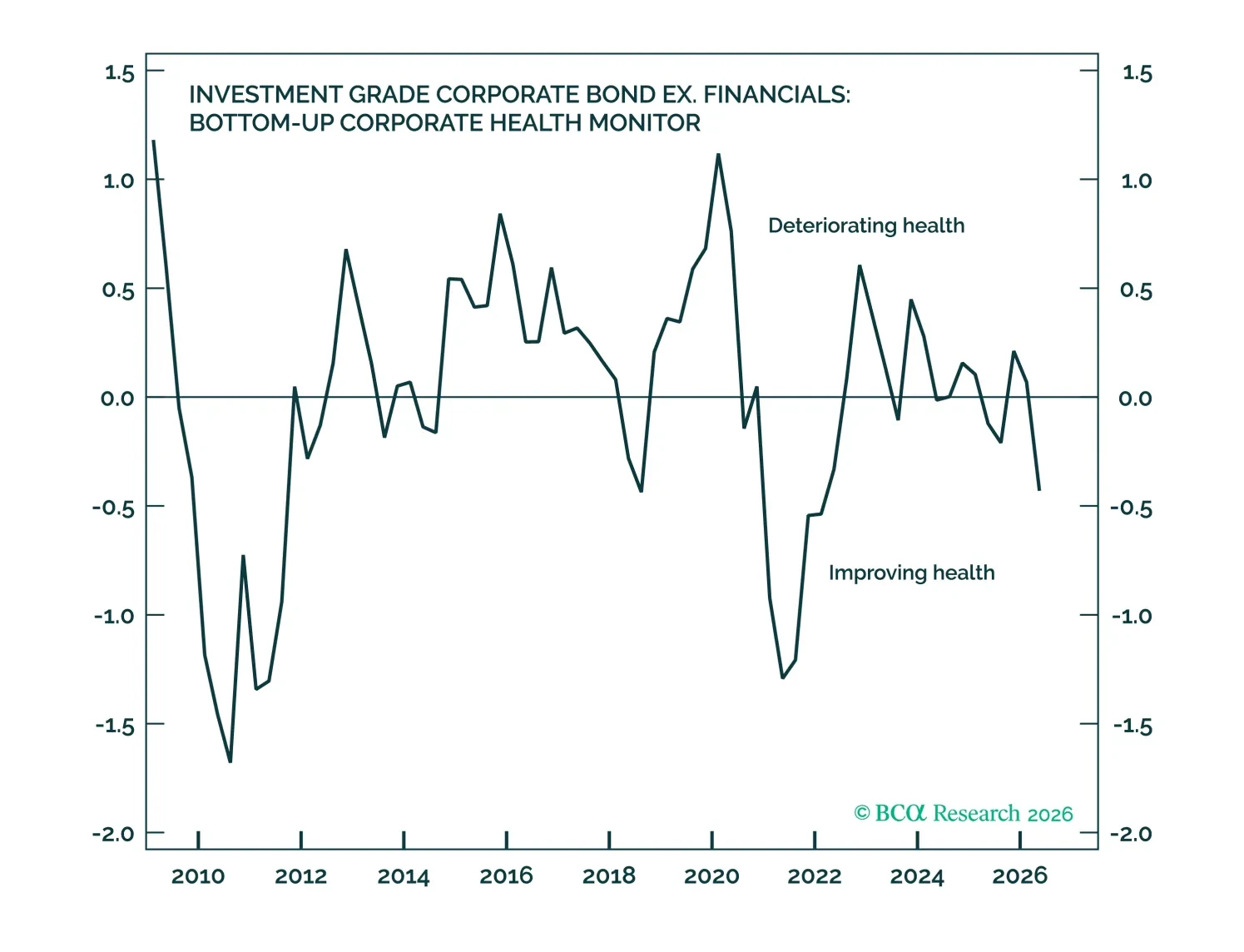
US corporate balance sheet health looks strong overall, and credit metrics aren’t showing any significant negative impact from the AI issuance boom.
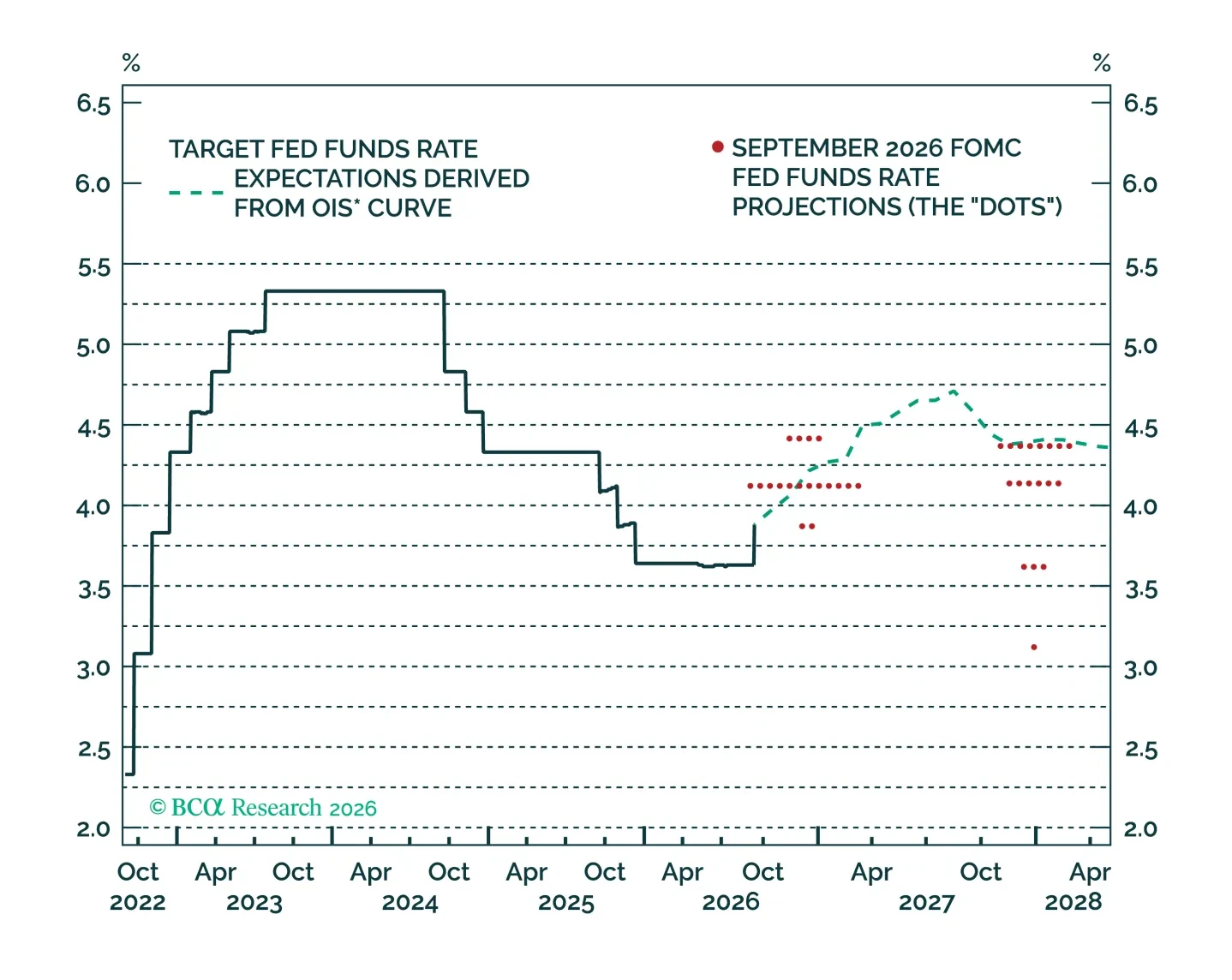
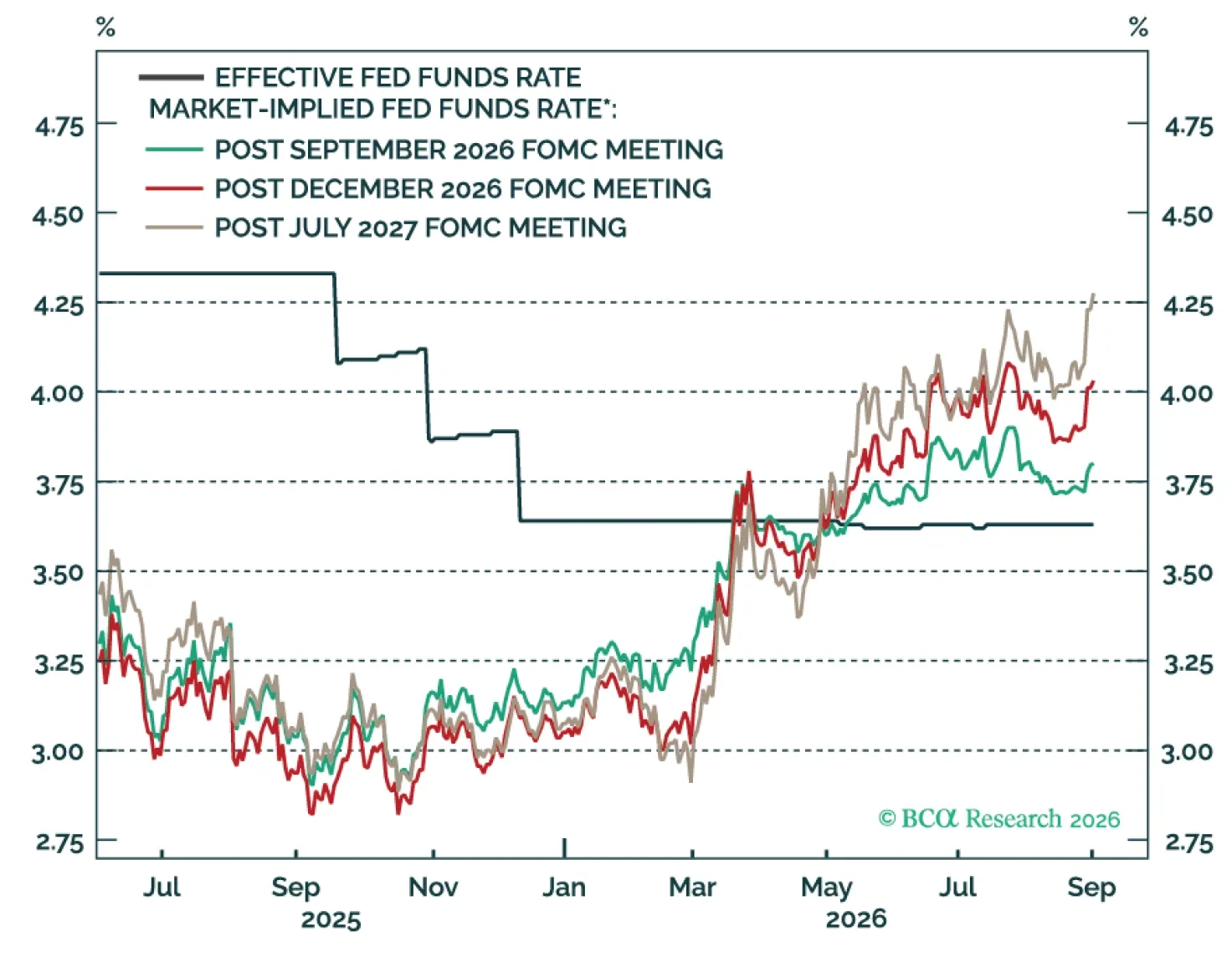
The Fed is unanimous in expecting a mild tightening cycle of no more than 75 bps, but that outcome is contingent on a rapid drop in core inflation in 2027.
 

Our Portfolio Allocation Summary for September 2026.

The PCE/CPI gap is an increasingly important factor driving the near-term outlook for Fed policy. We discuss the drivers of that gap and conclude that it’s likely to narrow in the coming months.
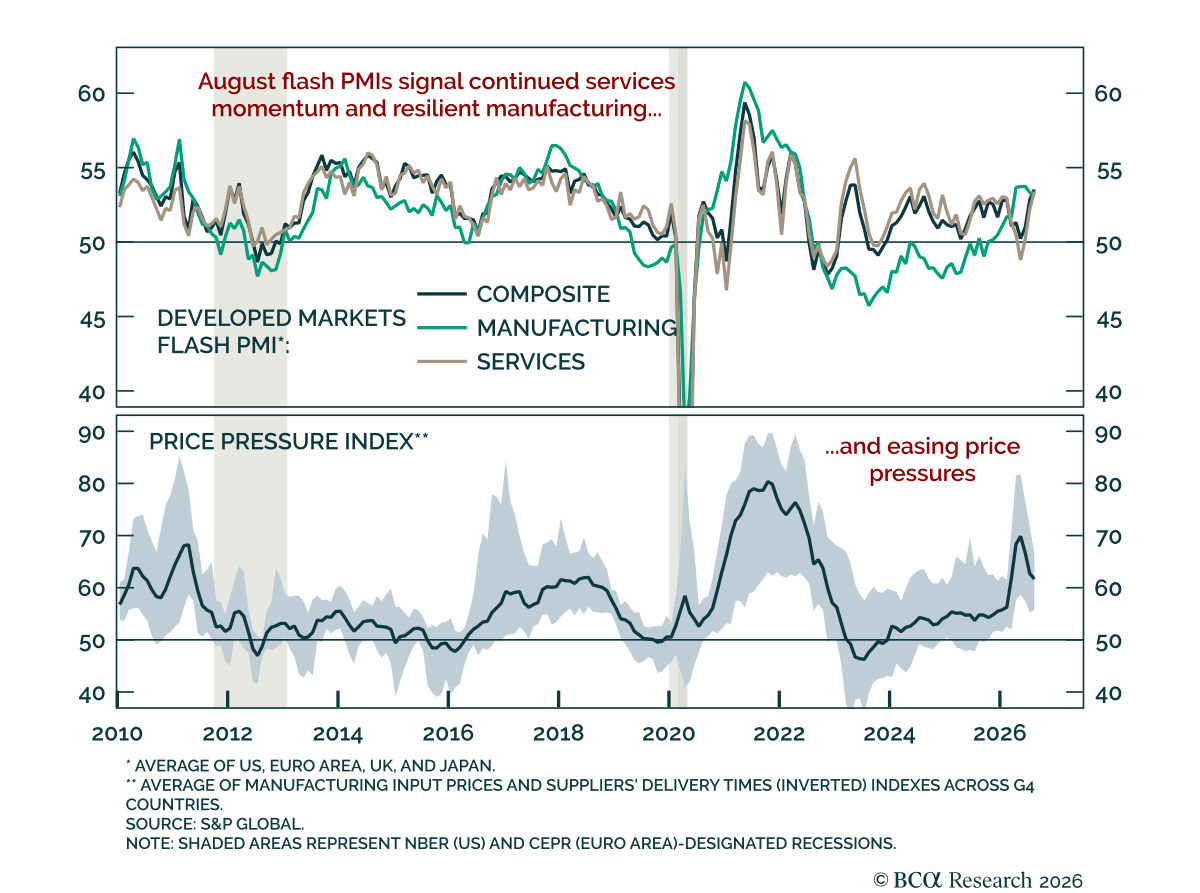
 

August global flash PMIs showed manufacturing holding up while services activity strengthened further. As discussed during our BCA Live meeting, US manufacturing softened marginally to 53.2 from 53.9, against expectations of a flat reading, but stayed at a…

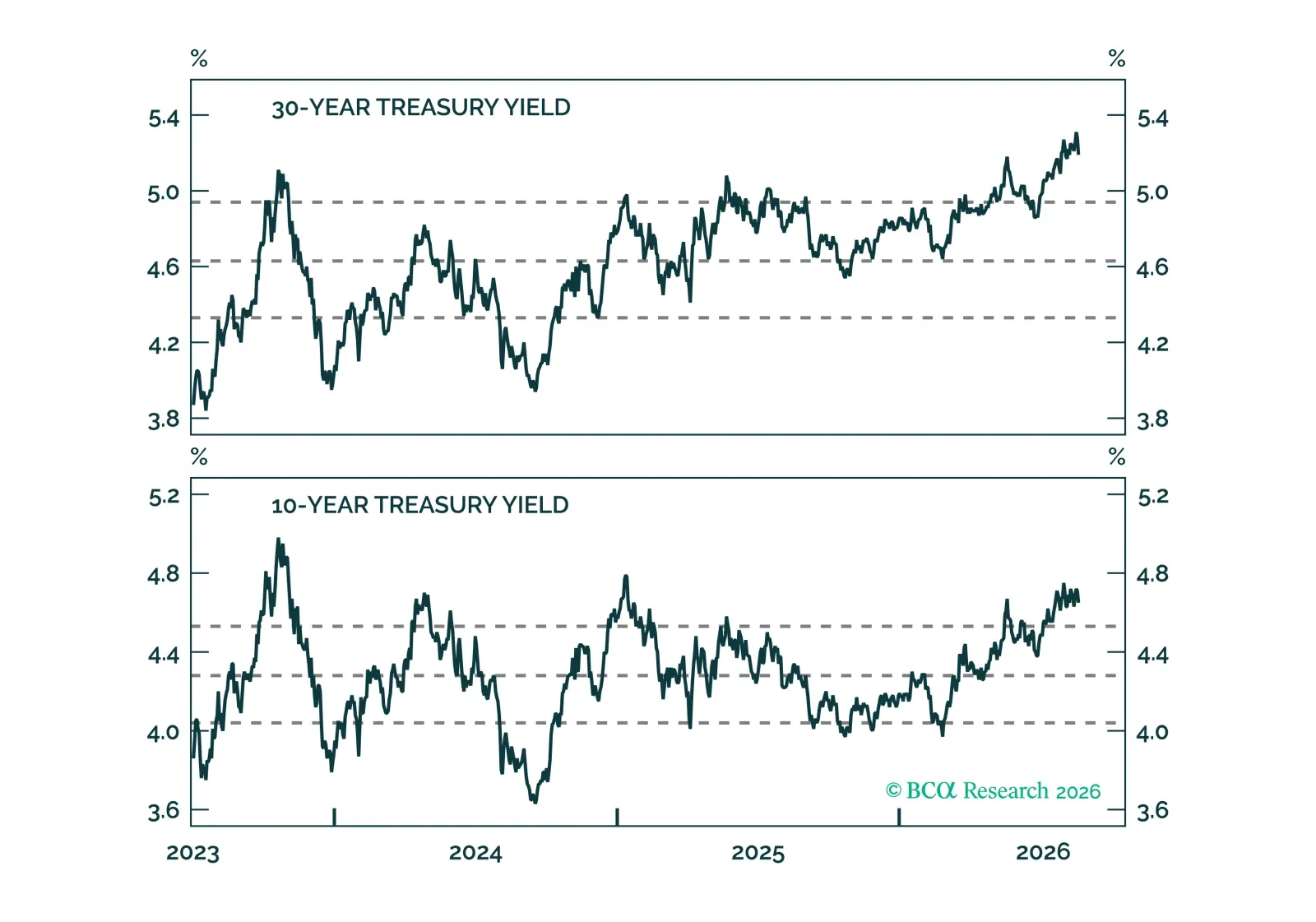
Despite recent increases, long-maturity Treasury yields are roughly consistent with fundamental fair value. We see limited value in long duration plays.
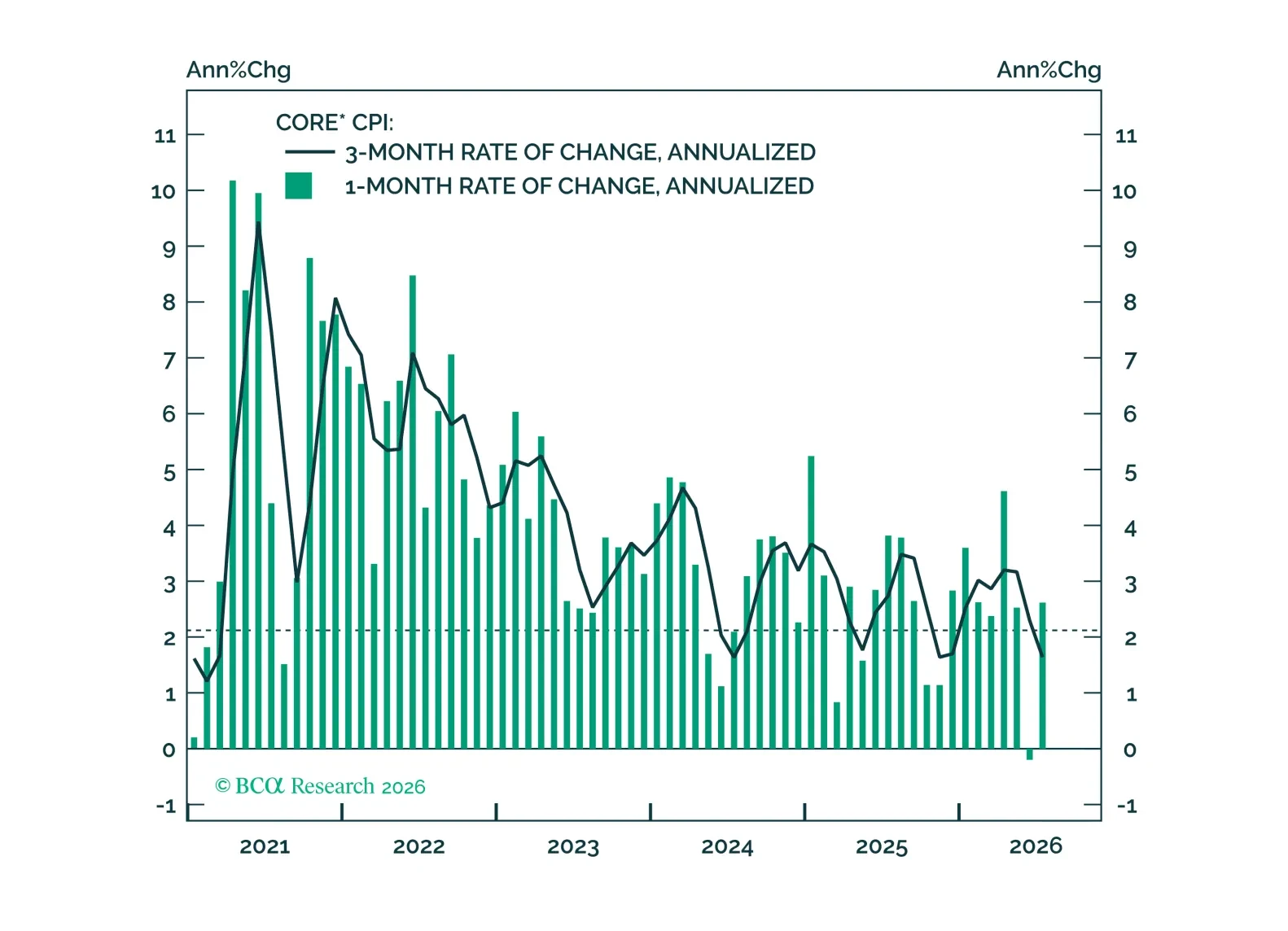
July’s CPI reading was low enough to keep the Fed on hold for now, but near-term upside inflation risks remain.
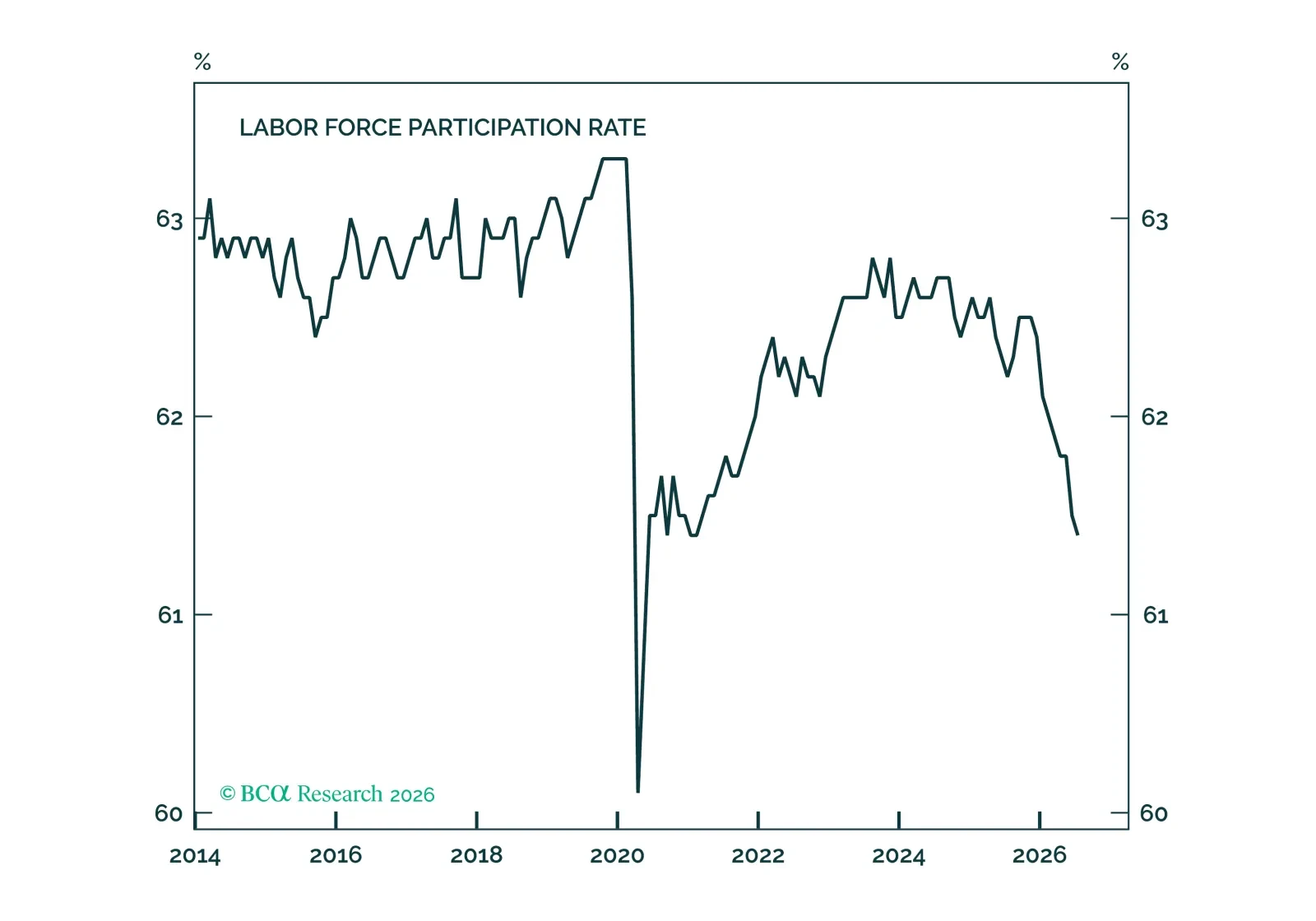
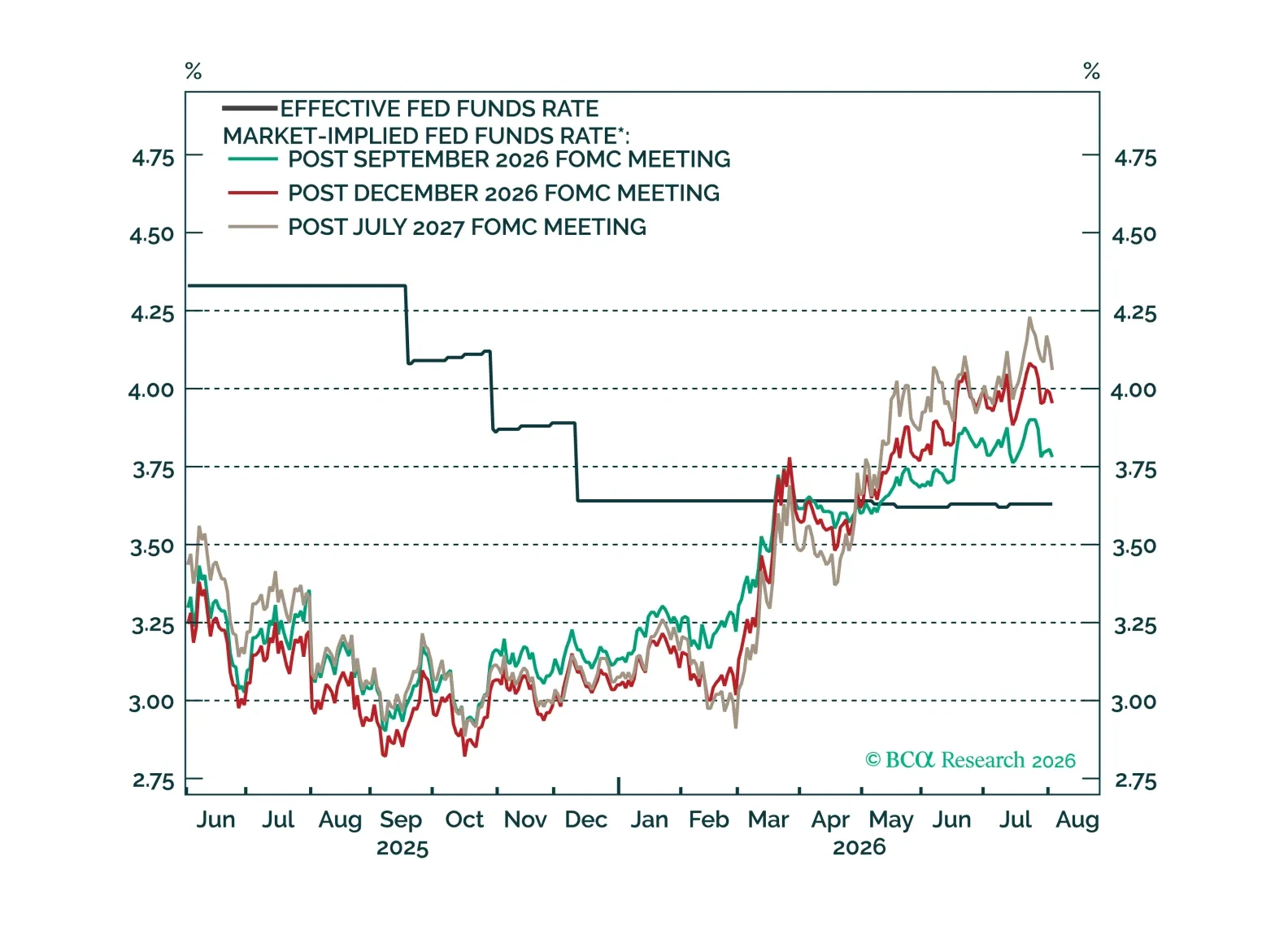
The evidence is increasingly clear that swings in labor supply, mostly related to immigration enforcement policy, have been the primary driver of nonfarm payroll growth during the past two years.This remained true in the July report which showed declines in both nonfarm employment (-23k) and the unemployment rate (from 4.19% to 4.09%). The driver of both moves was a 264k drop in the size of the labor force.When labor supply is this volatile, we should downplay measures of job growth and pay more attention to measures of labor market utilization.Measures of labor market utilization look broadly stable. The unemployment rate is trending down, but the prime-age (25-54) employment-to-population ratio has weakened, and the numbers of marginally attached and involuntary part-time workers are rising.We don’t think this morning’s jobs report reduces the odds of a September rate hike which, in our view, remain high. Next week’s July core CPI report will be a more important driver of near-term Fed policy.Please click here to access our US Labor Market Chartpack for more details on US employment trends. 

Our Portfolio Allocation Summary for August 2026.