Economy
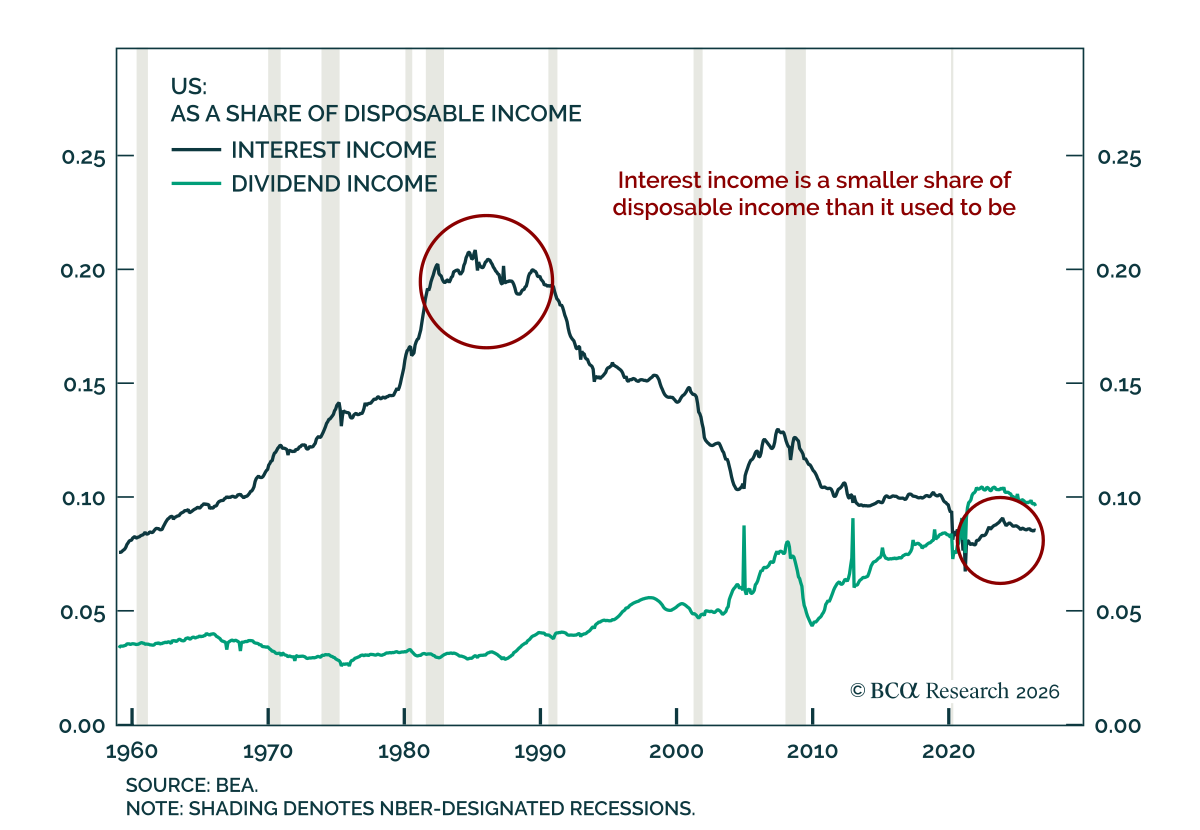
Our US Investment strategists argue that higher-than-expected interest rates are more likely to restrain consumption than support it. An idea gaining traction is that as rates rise, households collect more interest income and spend it, thus spurring…
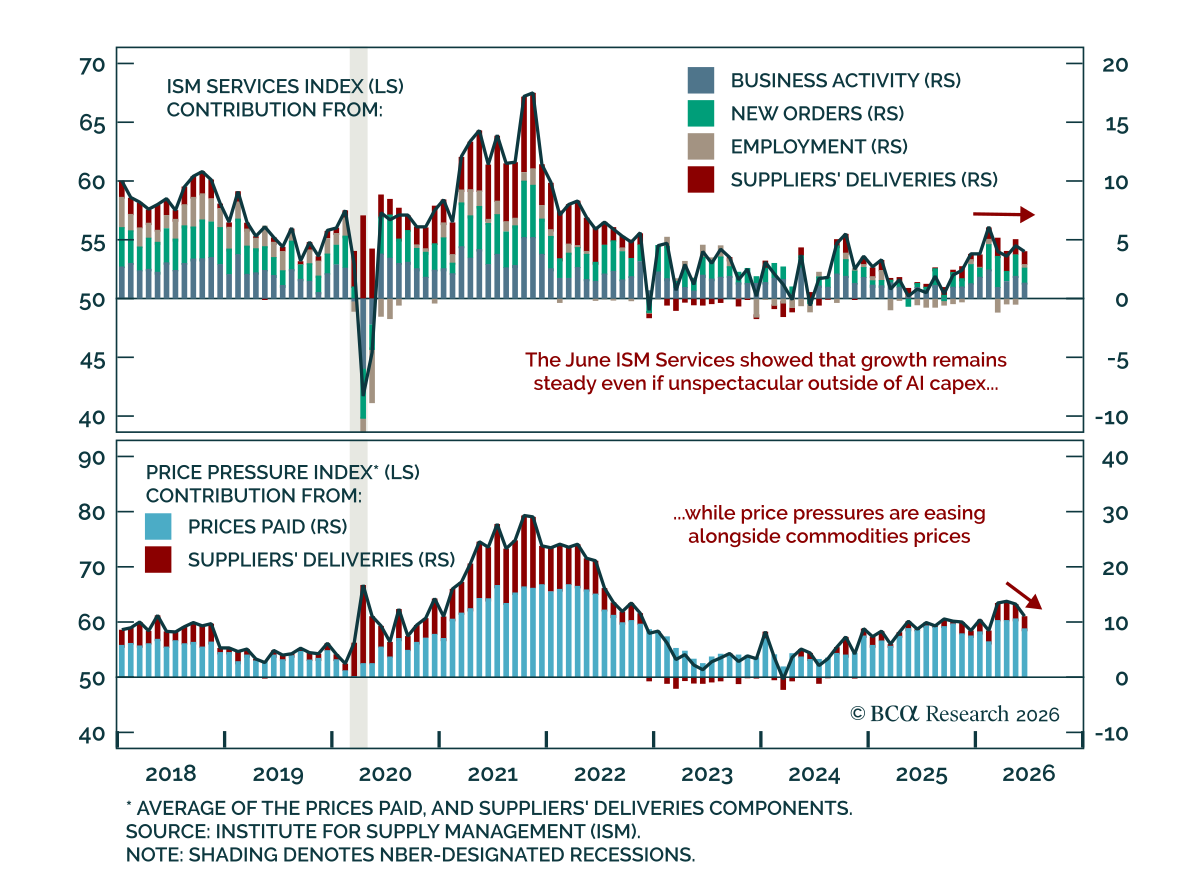
The June ISM Services survey was in line with consensus and reinforced the picture of a US economy that is neither overheating nor cooling significantly. The headline index ticked down to 54.0 from 54.5. The underlying picture was somewhat mixed, with new…
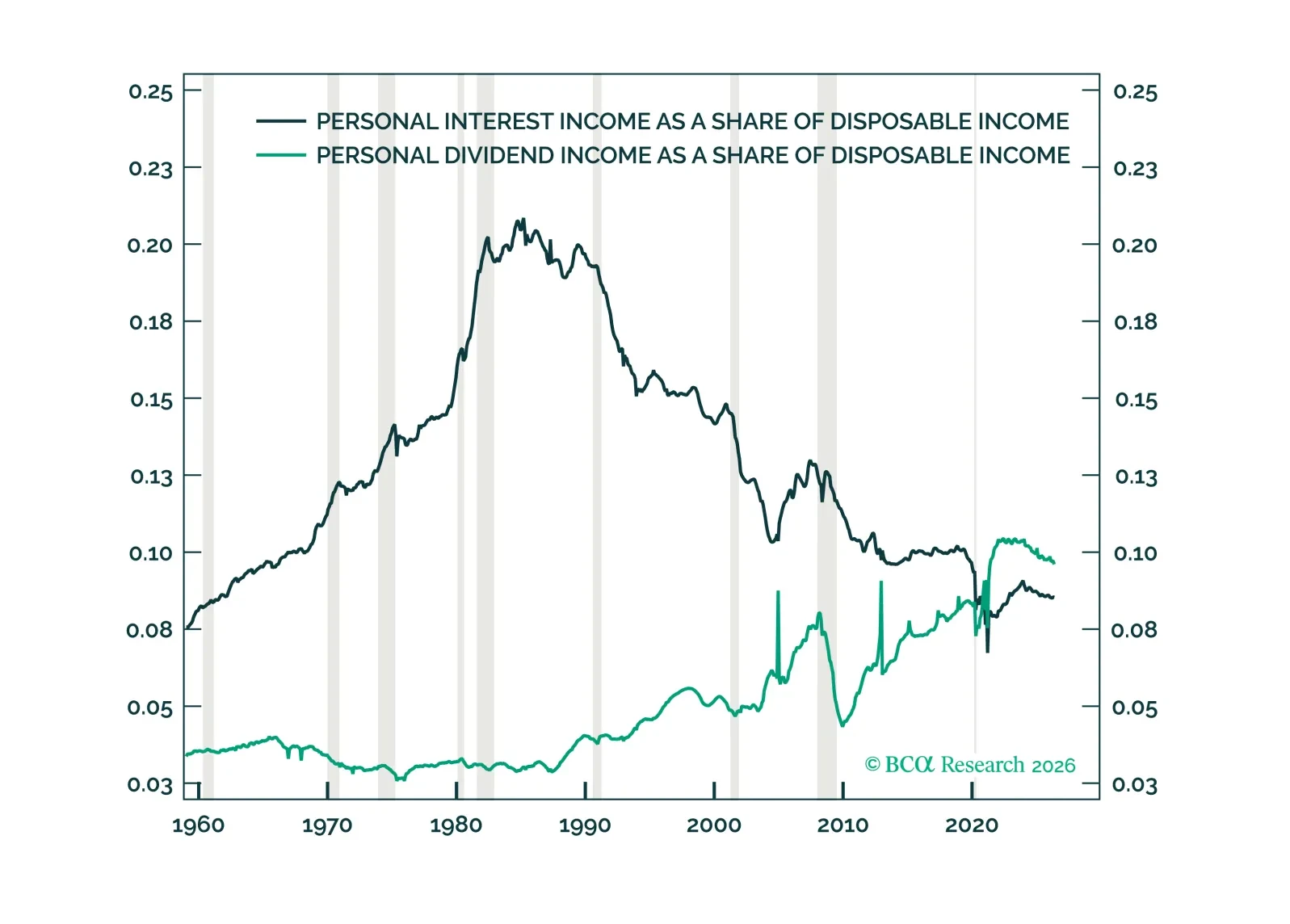
We are increasingly being asked if higher for longer interest rates could help spur consumption by boosting interest income. This report examines household income and balance sheet data to see if they might.
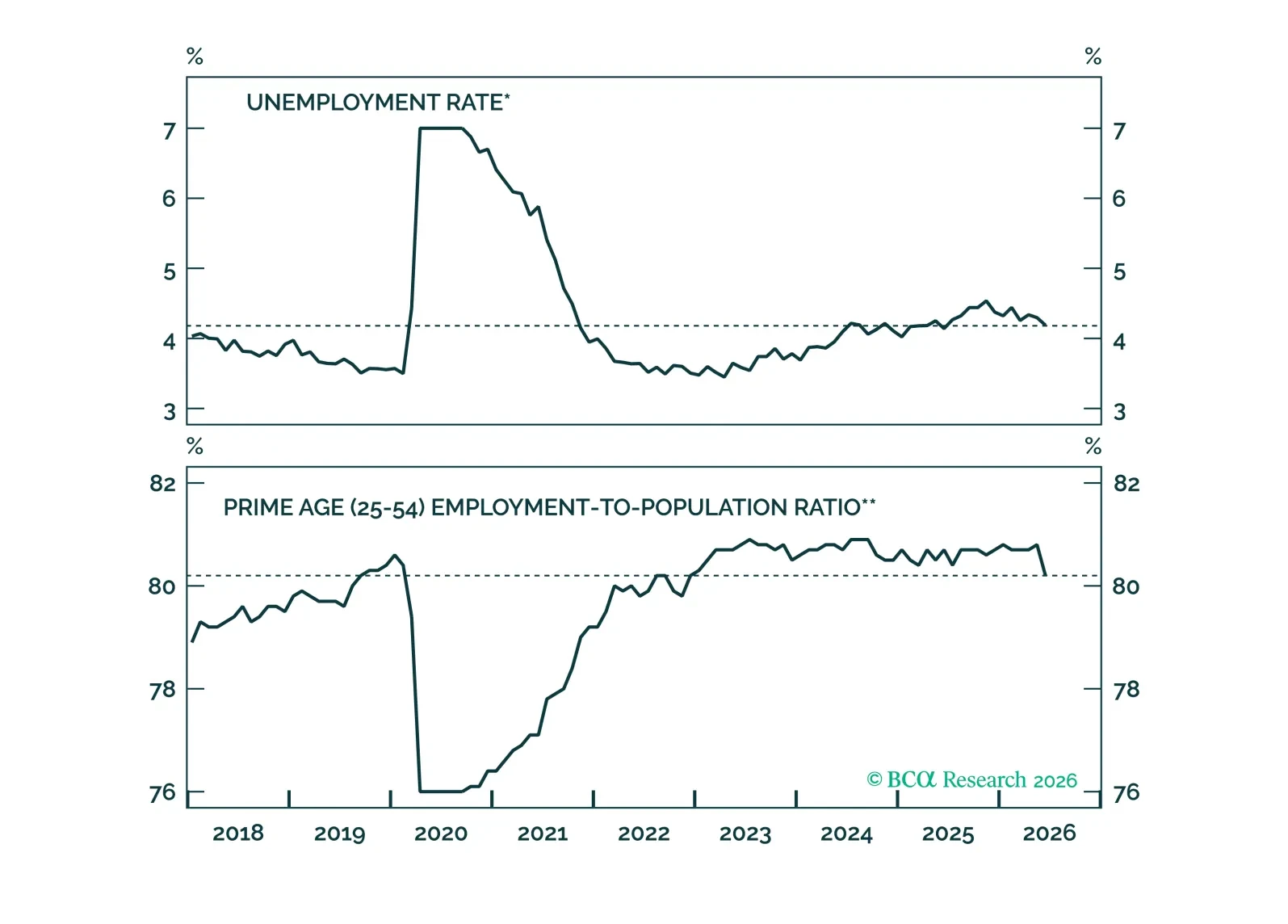
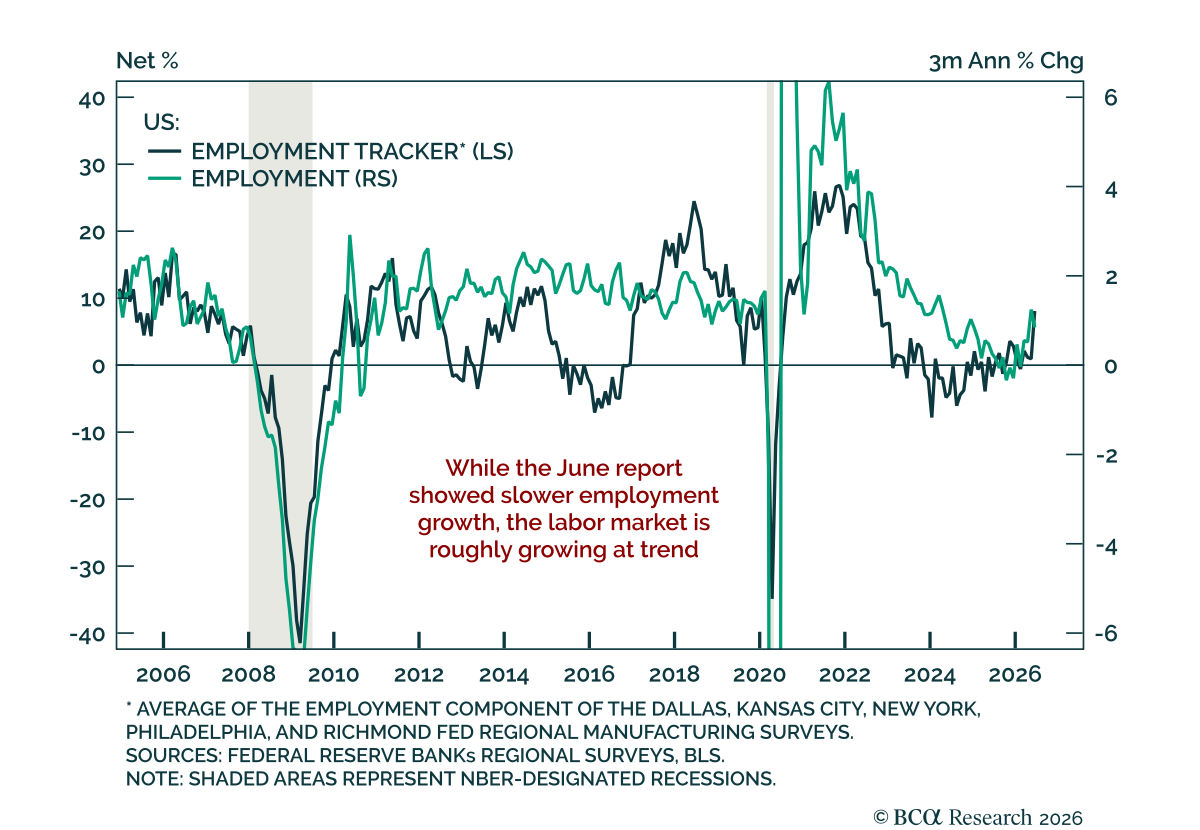
The June US employment report missed estimates, but still showed a labor market that remains healthy without overheating. Nonfarm payrolls rose by 57k, slowing from a downwardly revised 129k in May. Two-month revisions removed 74k jobs, leaving the 3-month…
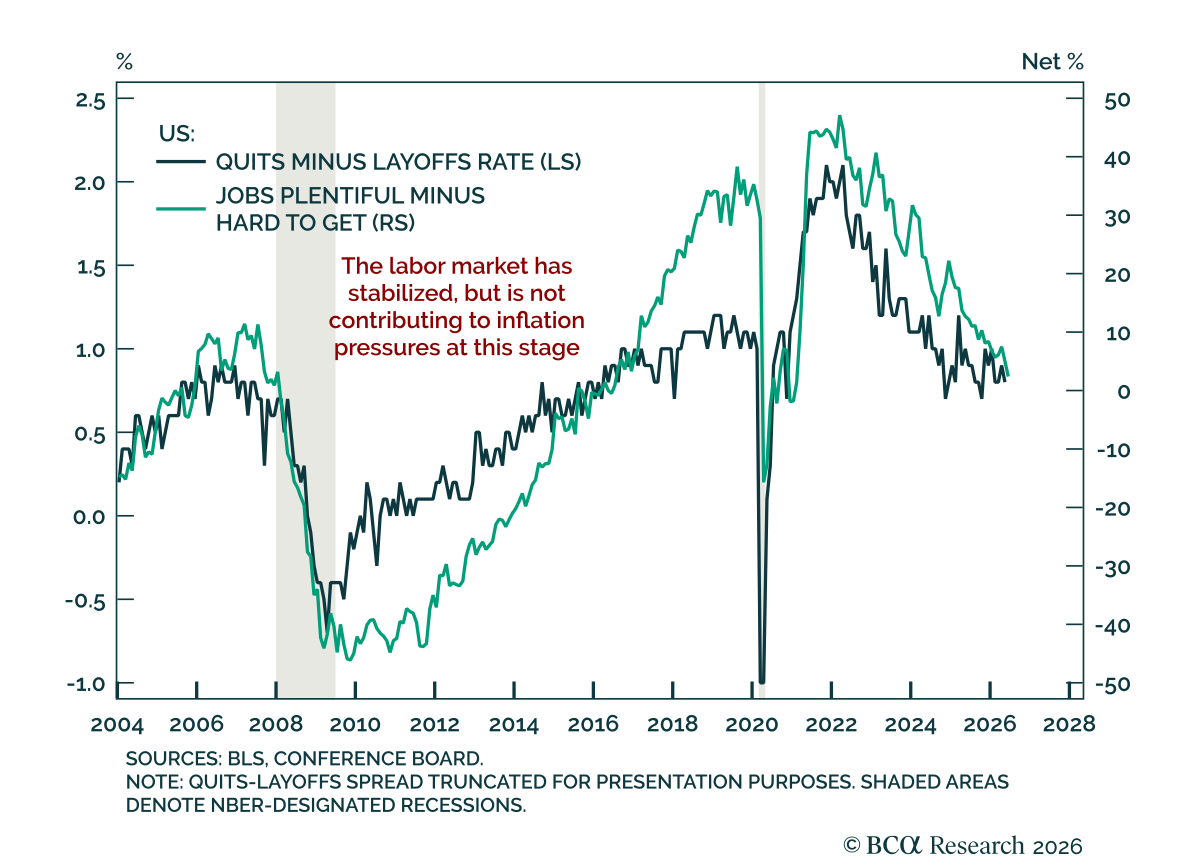
The June Conference Board survey sent a softer signal, but broader labor data still point to a stabilized job market and a supportive backdrop for risk assets. The Consumer Confidence Index missed estimates at 91.2. The index technically rose, as the previous…
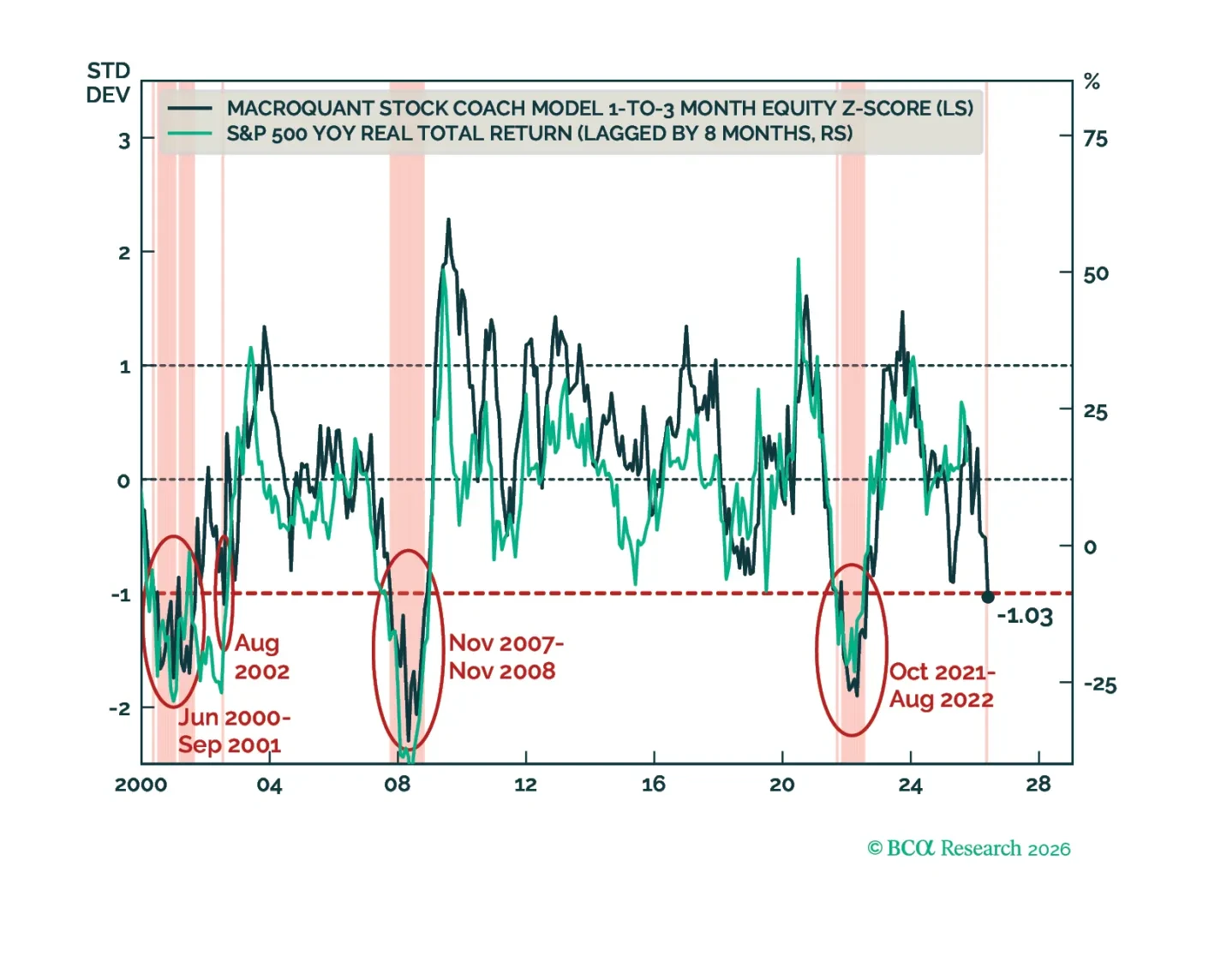
The equity bull market is getting long in the tooth. Bonds should perform well once economic growth begins to slow. The dollar will strengthen over the coming months before resuming its downtrend. While crude has likely found a near-term floor, we favor metals over energy in the long run.
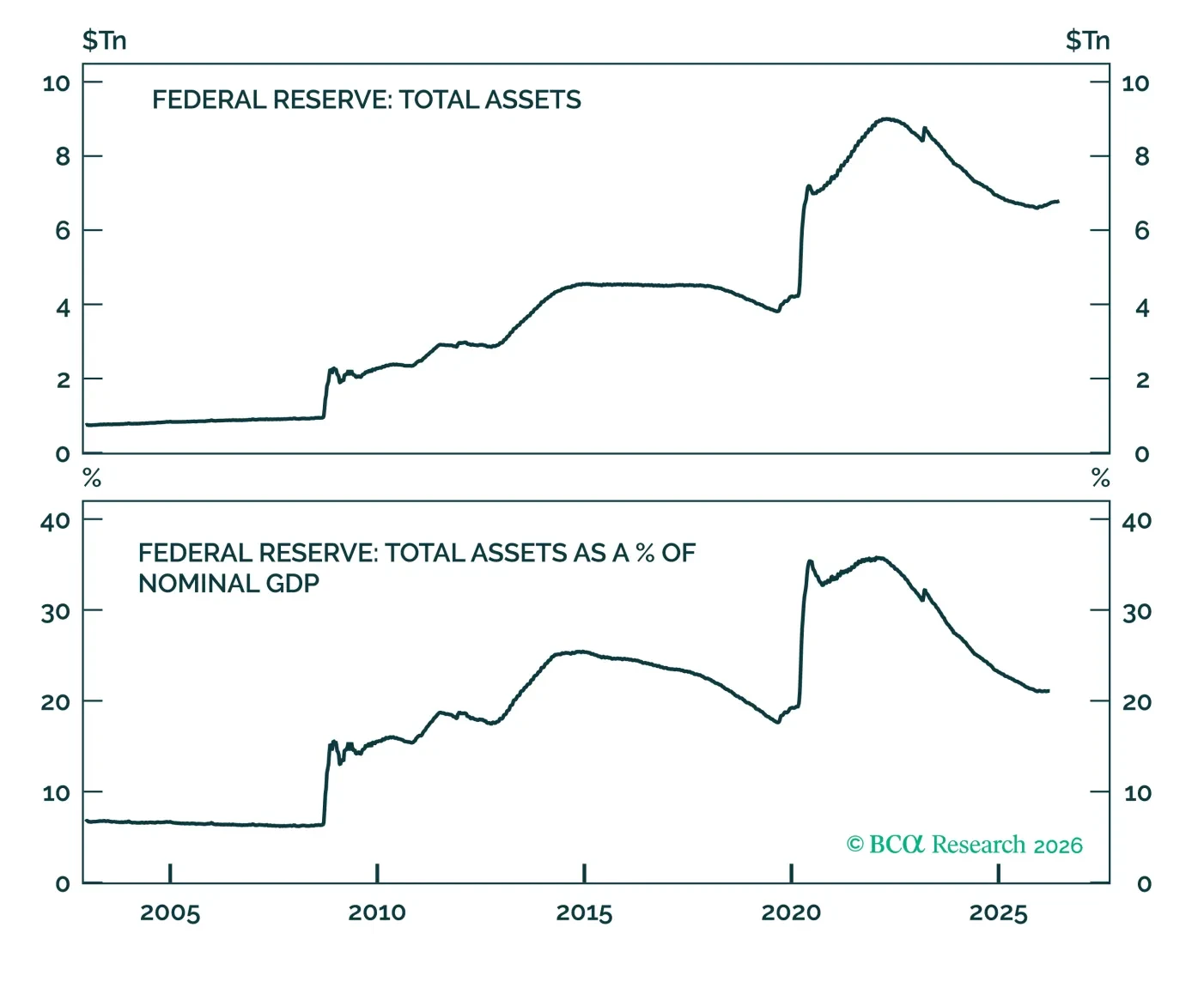
We discuss what recommendations to expect from the Fed’s balance sheet task force. We conclude that any future balance sheet consolidation will be smaller than many anticipate.
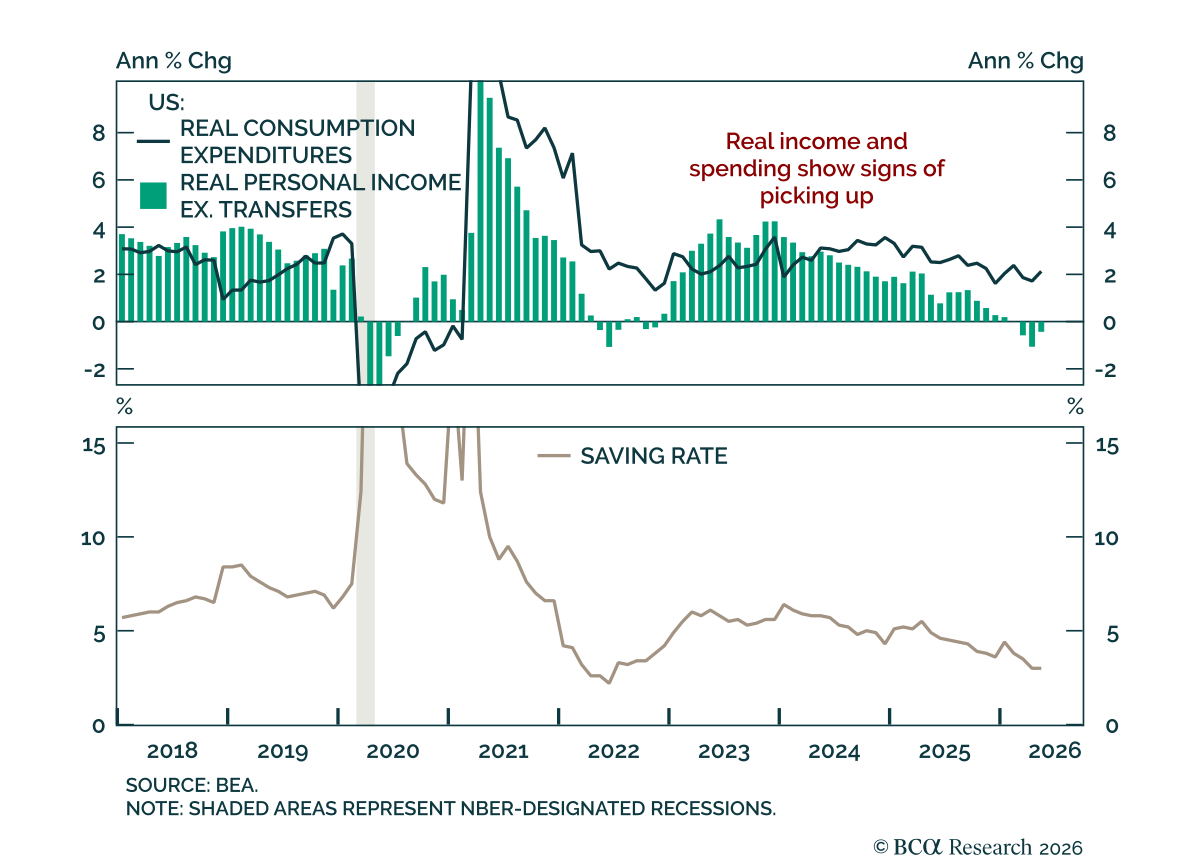
The May Personal Income and Outlays report beat estimates, showing firmer consumer momentum but still-sticky inflation. Both nominal and real spending beat estimates, rising 0.7% m/m and 0.3%, respectively. Personal income was also strong at 0.7%, while real…
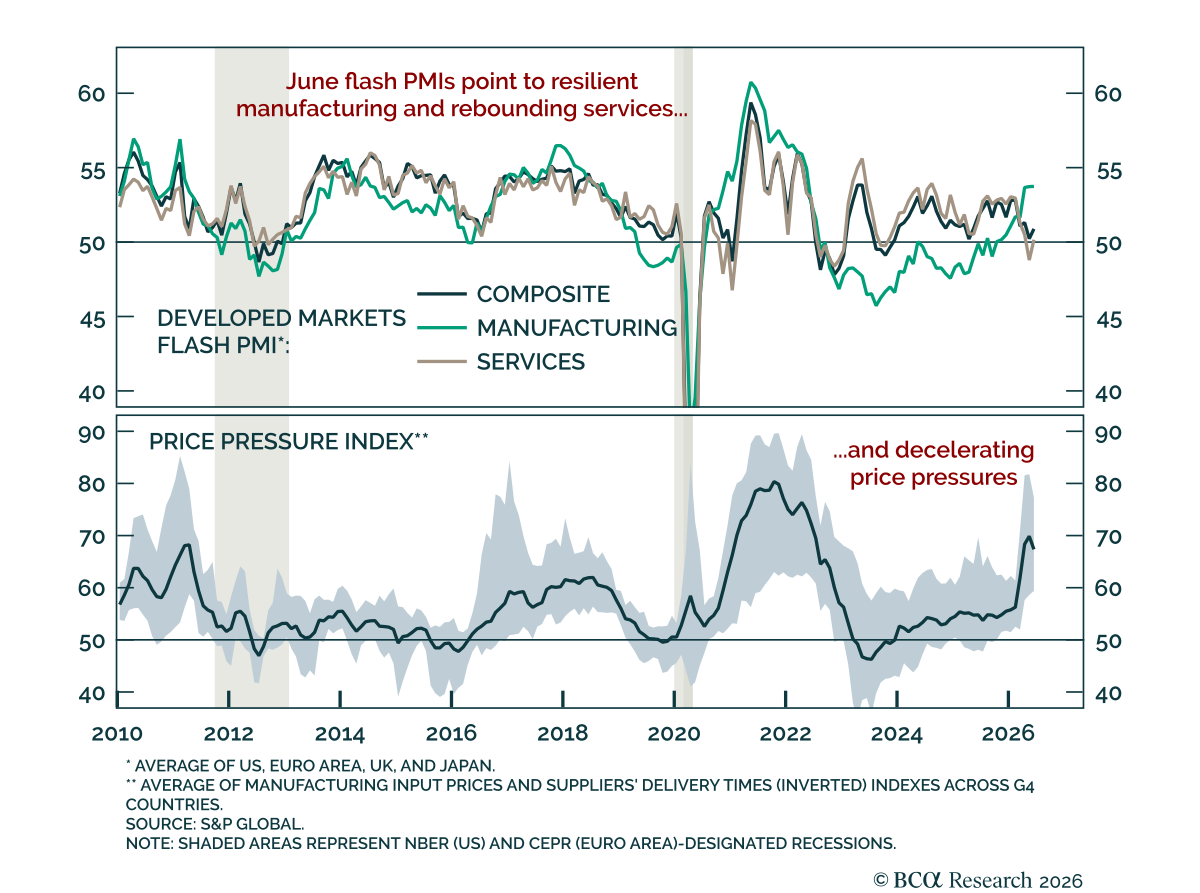
June flash PMIs signal continued solid US growth. The US manufacturing PMI rose to 55.7 from 55.1, when estimates pointed to a decline. The increase was driven by new orders, which expanded at their fastest pace since early 2022. The composite PMI climbed to…