Ukraine
トランプ大統領の停戦努力が失敗し、ロシアとの緊張が高まり、米中貿易の見通しが悪化する中、極めて短期的にはリスクエクスポージャーを抑制するべきです。
大規模な原油ショックのような急性の地政学的リスクは和らぎつつあるかもしれません。しかし、構造的な地政学的リスクは依然として高い水準にあり、楽天的な市場を混乱させる可能性があります。米国が減速し、中国が引き続き苦戦する中、循環的な経済リスクは過小評価されています。投資家は、関税実施や厳しい経済データの減速を見越して利益確定を検討すべきです。
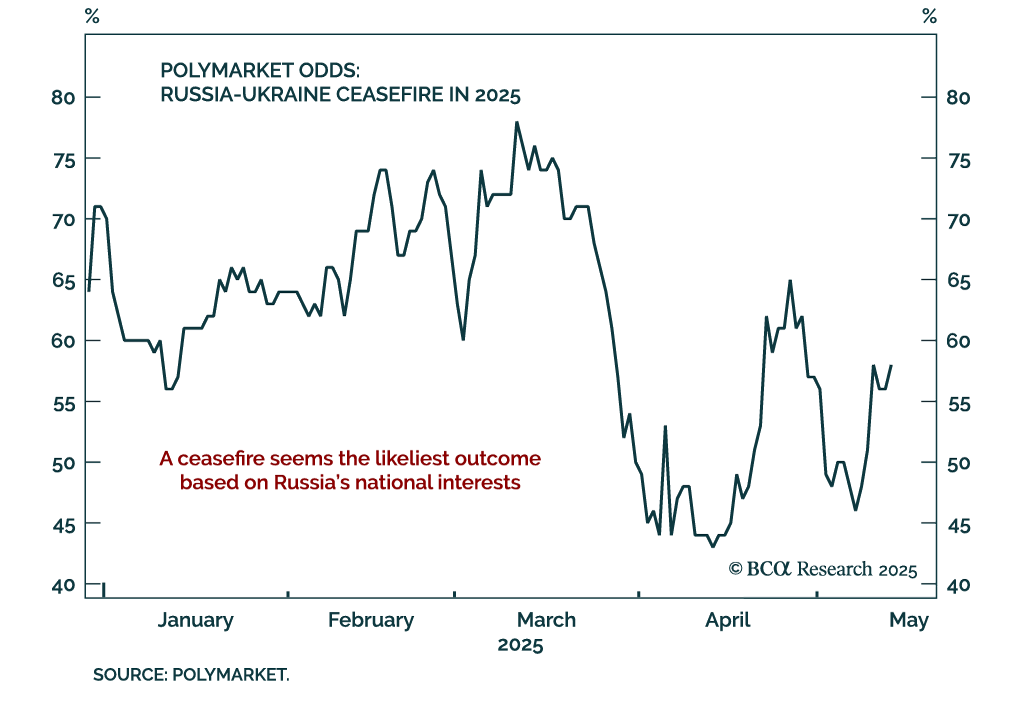
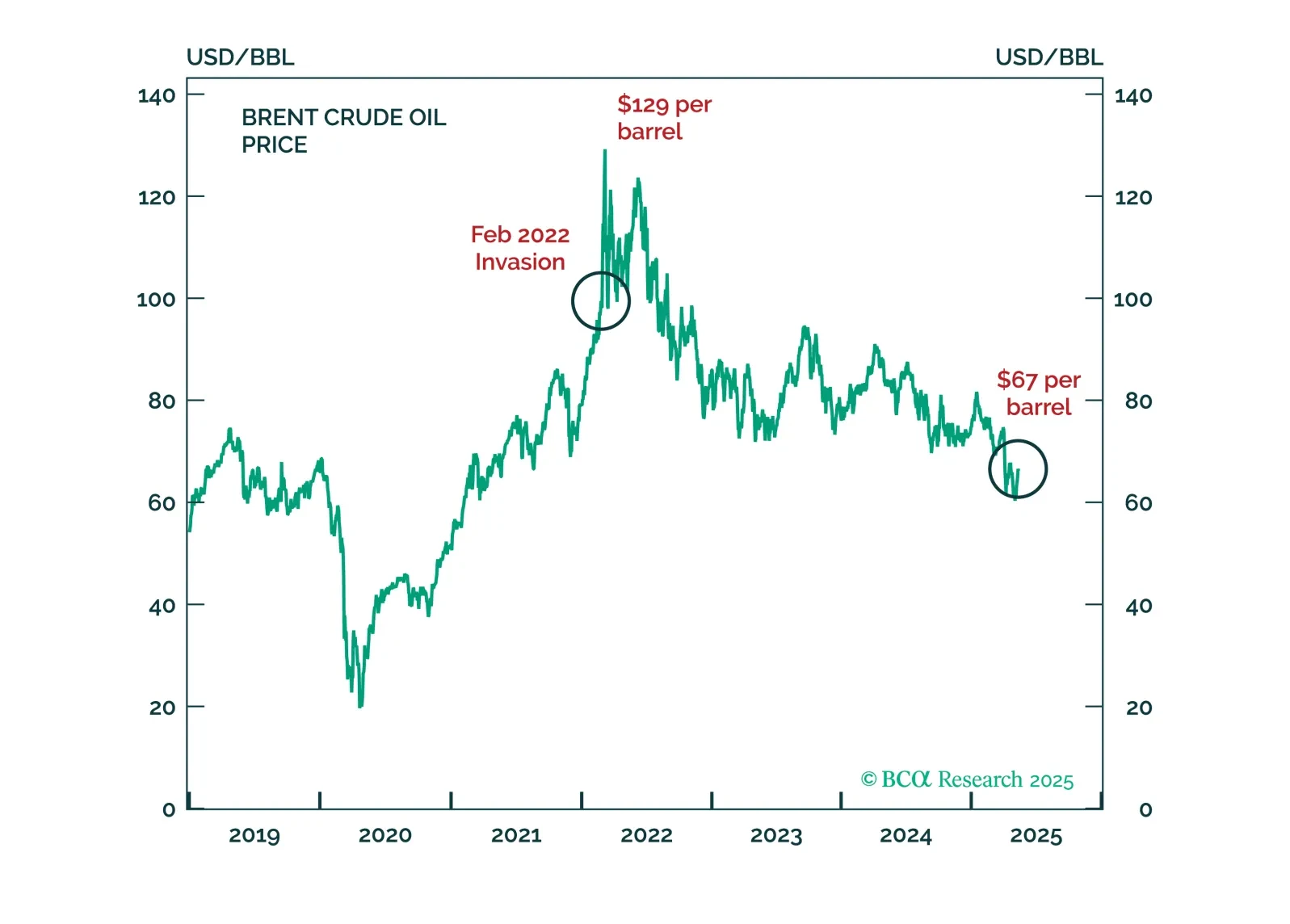
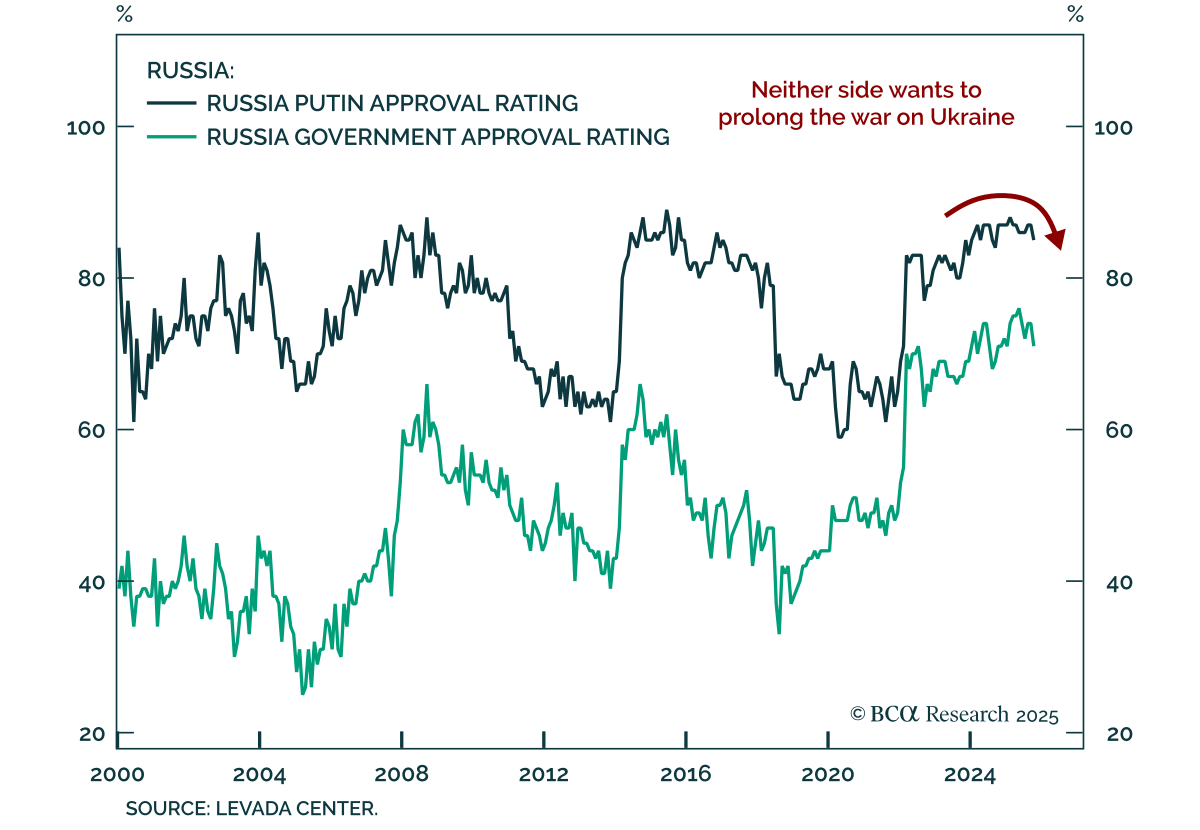
Russia has strong incentives to sign a ceasefire with Ukraine – namely its weak economy as the oil price falls. European assets will continue to benefit.
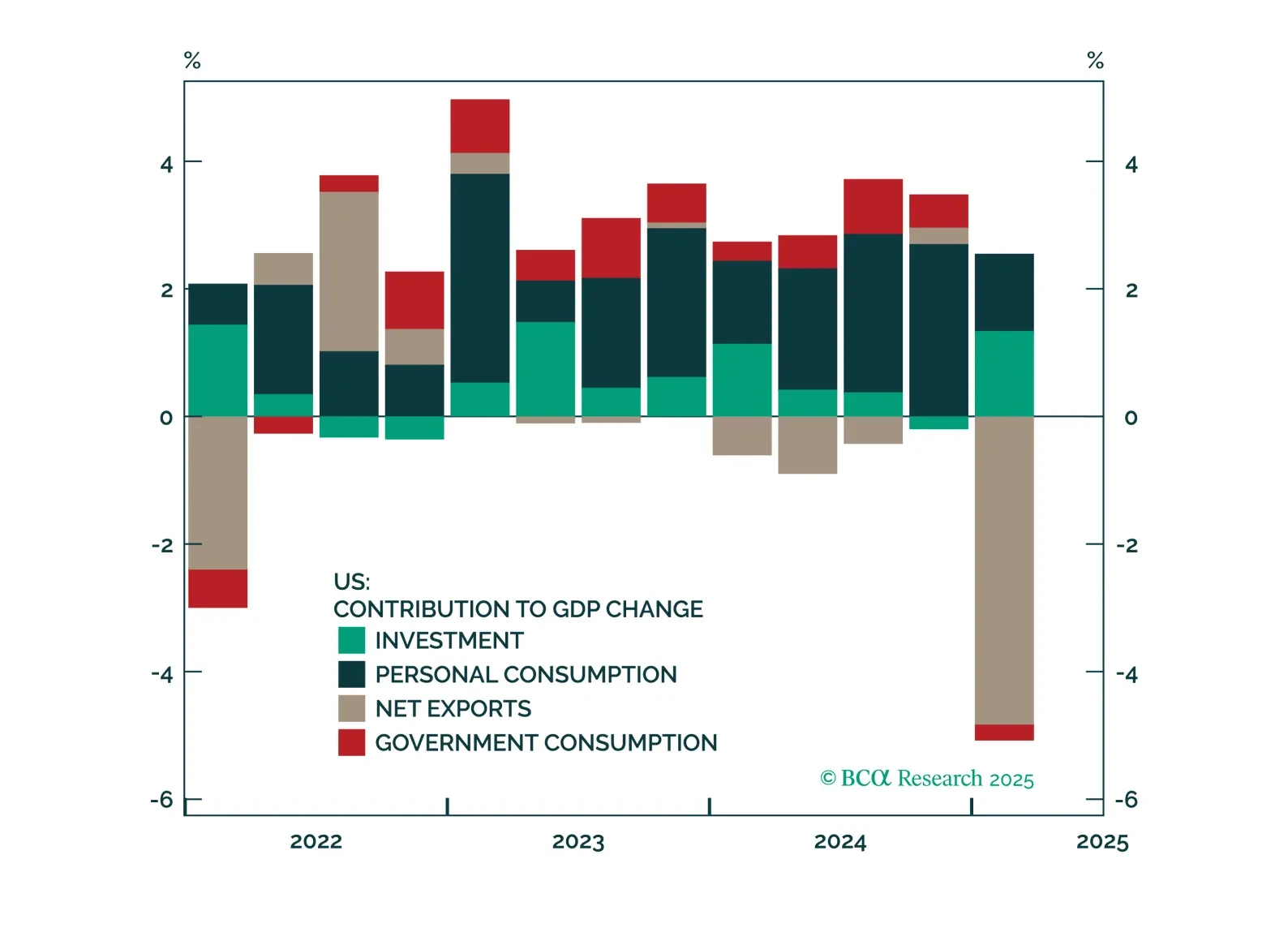
Negotiations on trade, Iran, and Ukraine will prove critical this month. Markets will remain volatile because positive data surprises enable the White House to press its hawkish tariff hikes, while negative surprises force the White House to backpedal.
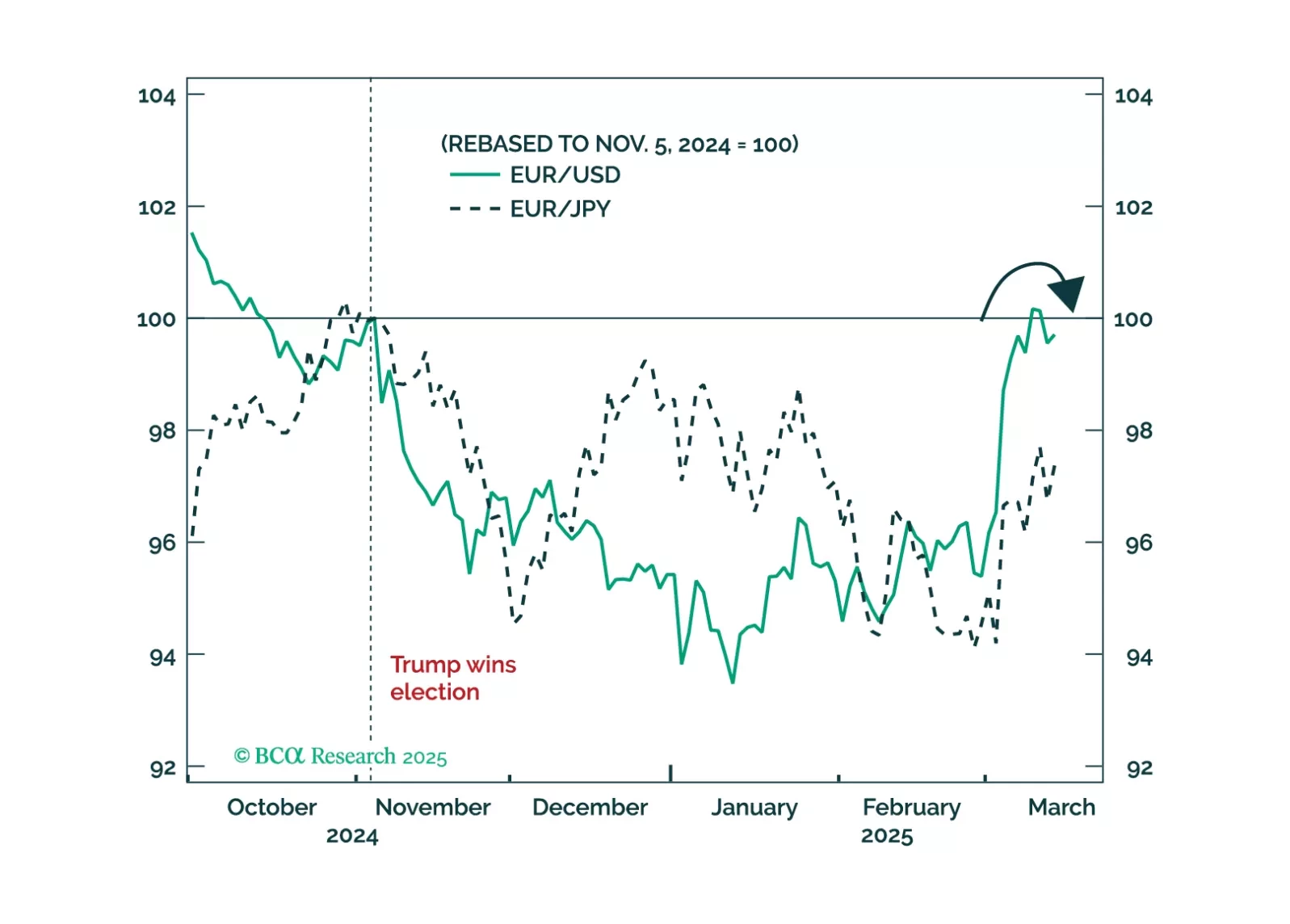
Trump’s foreign policy can be explained by rational US interests, but it requires settling the trade war with allies sooner rather than later. Book gains on EUR-USD for now.
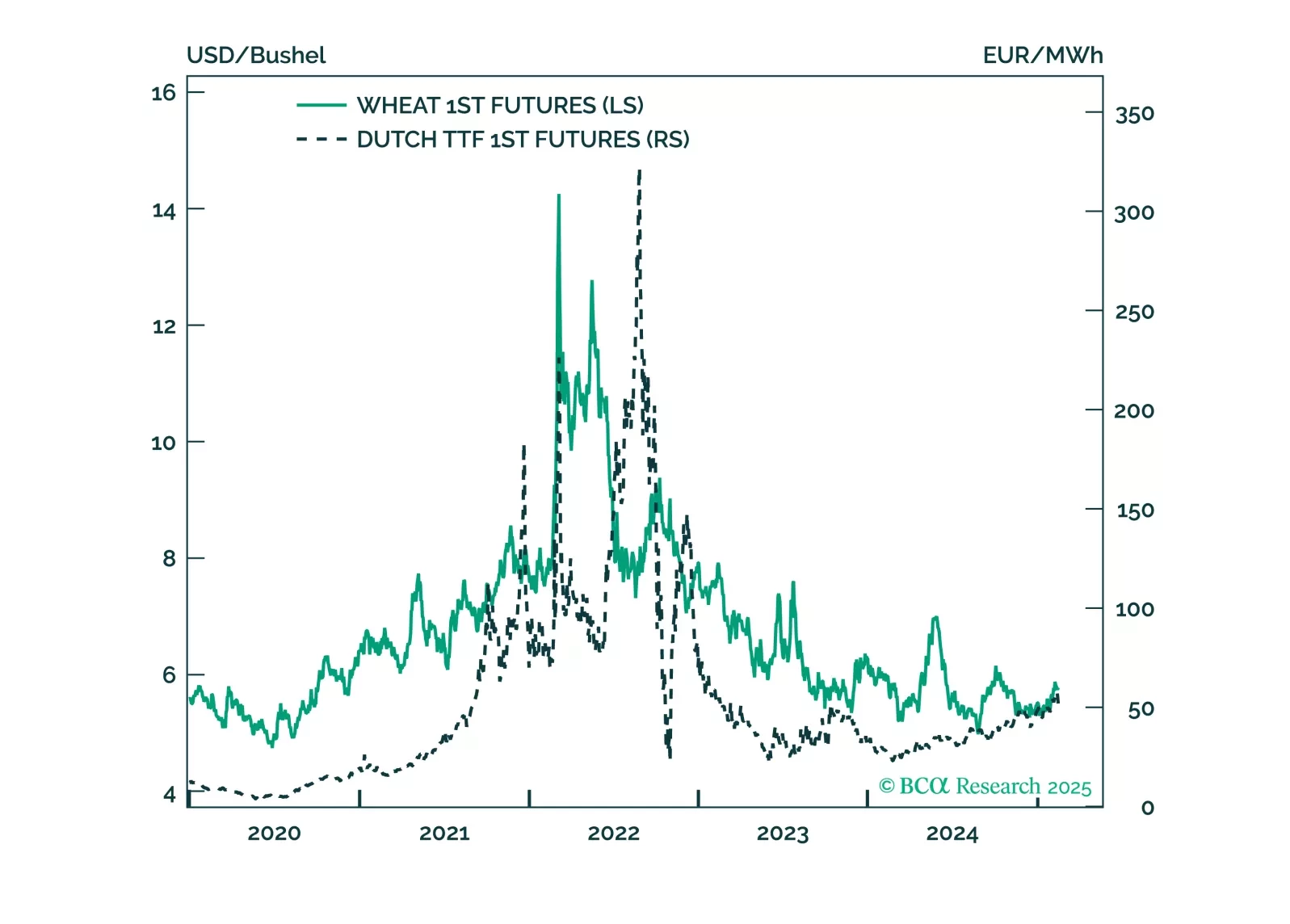
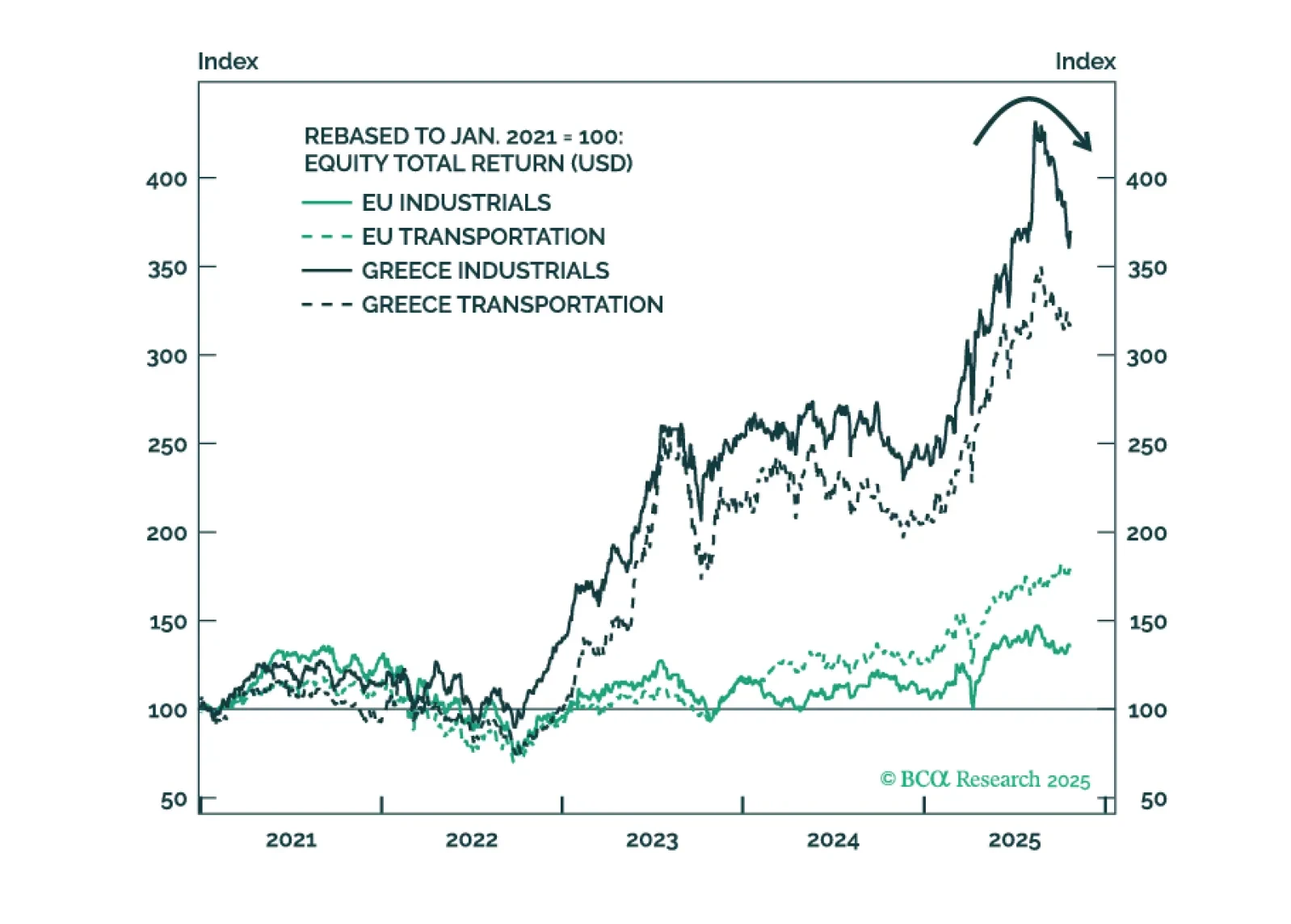
President Trump is negotiating a ceasefire in Ukraine. This will be a marginal headwind to some commodities which benefitted from the conflict like natural gas and wheat, and will be a marginal tailwind for European assets, specifically EM Europe. Use Trump’s tariff shock as an opportunity to buy European assets.
- Congress will pass tax cuts by end of 2025 producing a fiscal thrust of about 0.9% of GDP in 2026.
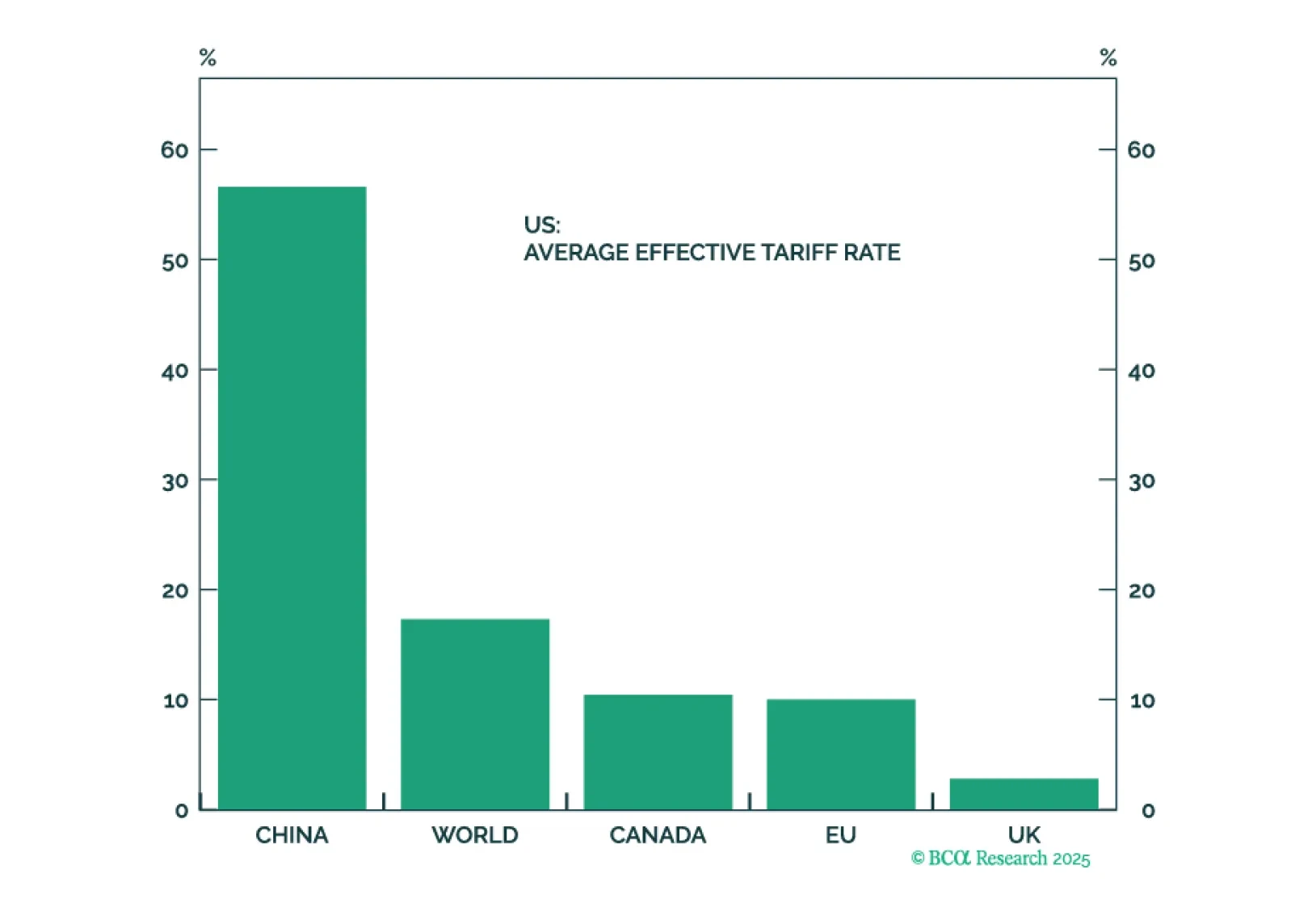
- Trump will count on that stimulus as a basis for slapping tariffs on leading trade partners.
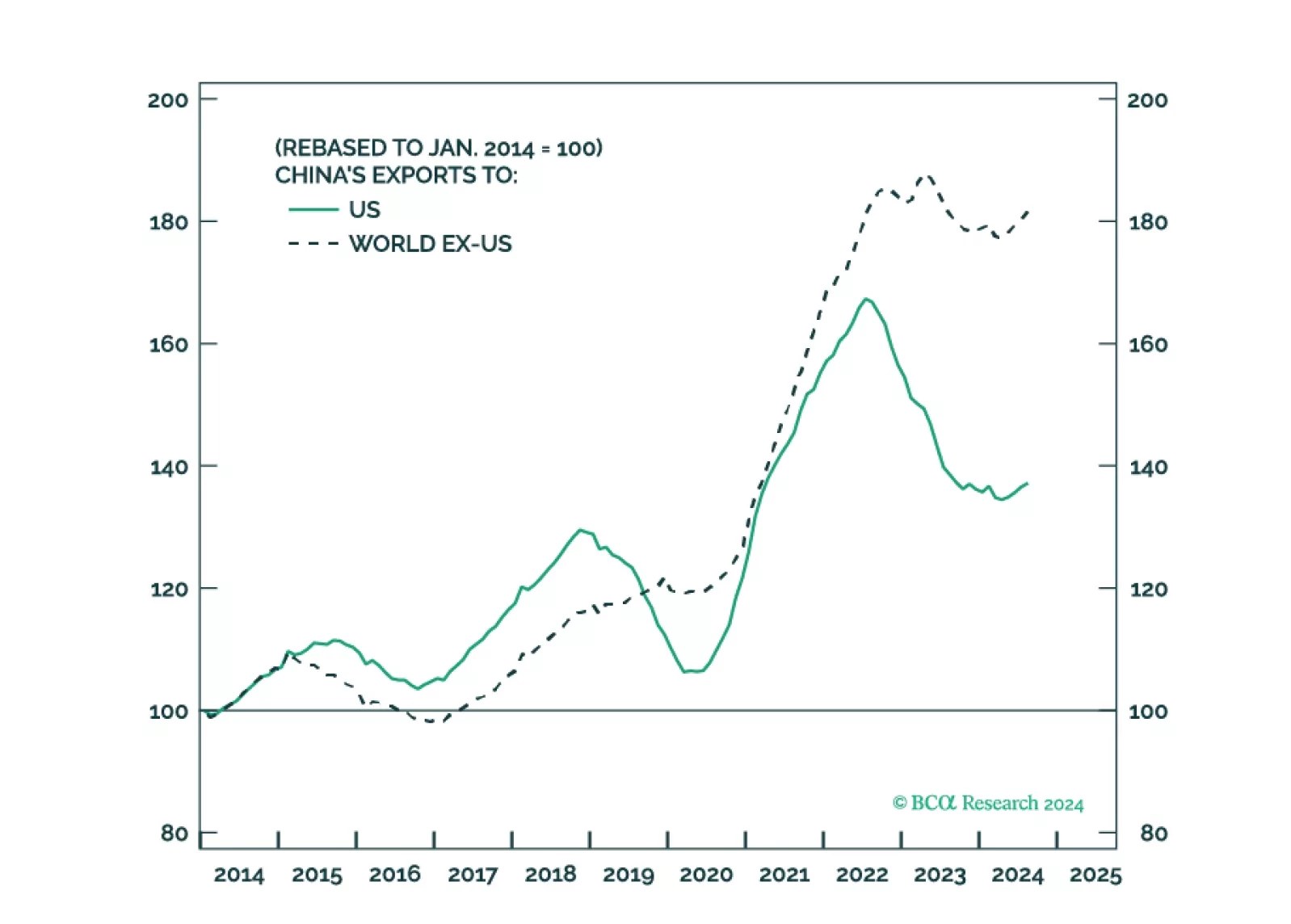
- China will retaliate against Trump and stimulate its domestic economy, while pursuing stronger trade ties with other countries. Europe will also retaliate.
- Geopolitical risk will shift from Ukraine-Russia to Israel-Iran, where the conflict will continue to escalate until a crisis point is reached within 2025.
