Dólar neozelandés
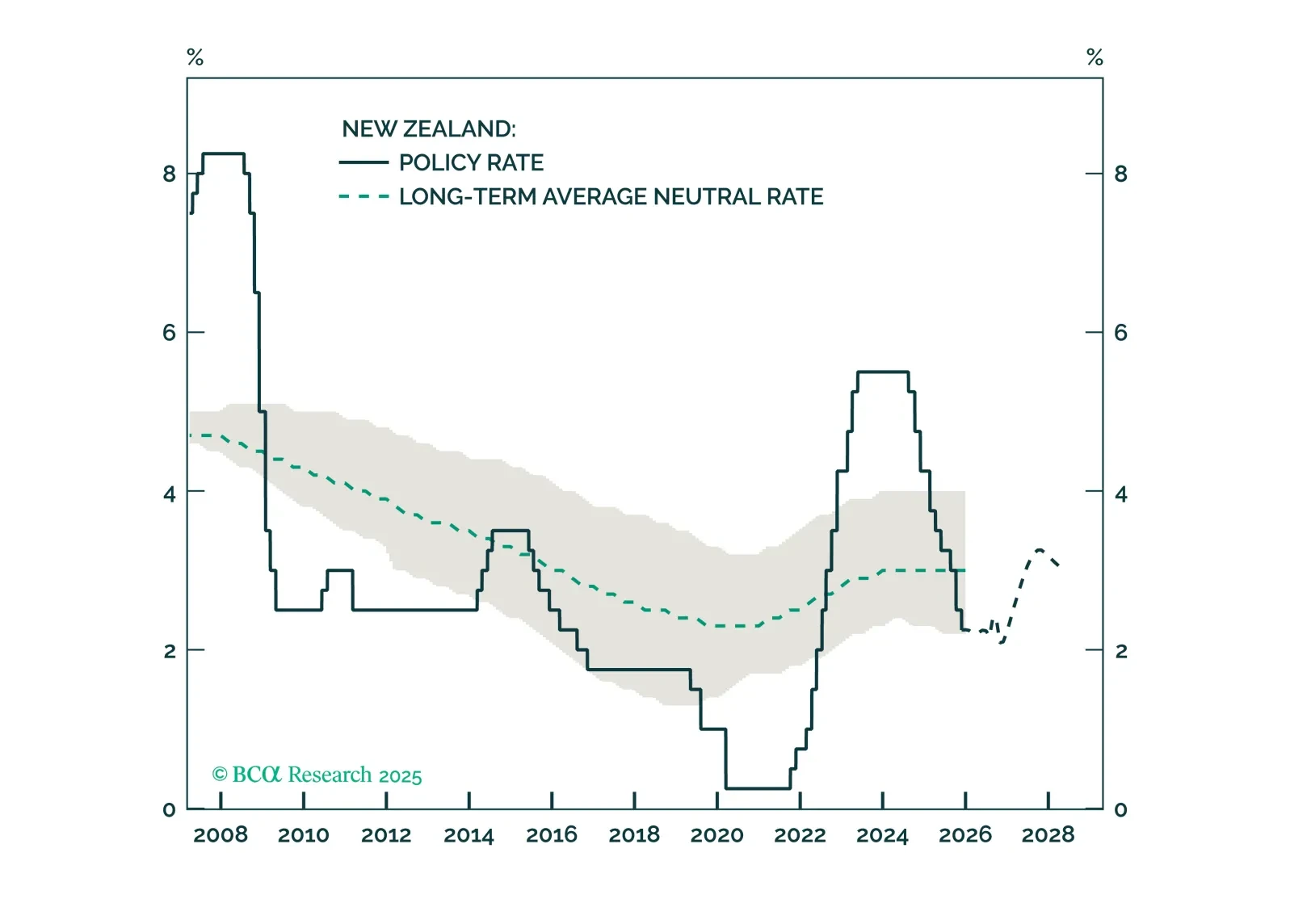
El RBNZ ha concluido su agresiva campaña de flexibilización. Con la economía de Nueva Zelanda finalmente mostrando signos de vida, tanto el kiwi como las tasas locales parecen listas para un cambio de dirección.
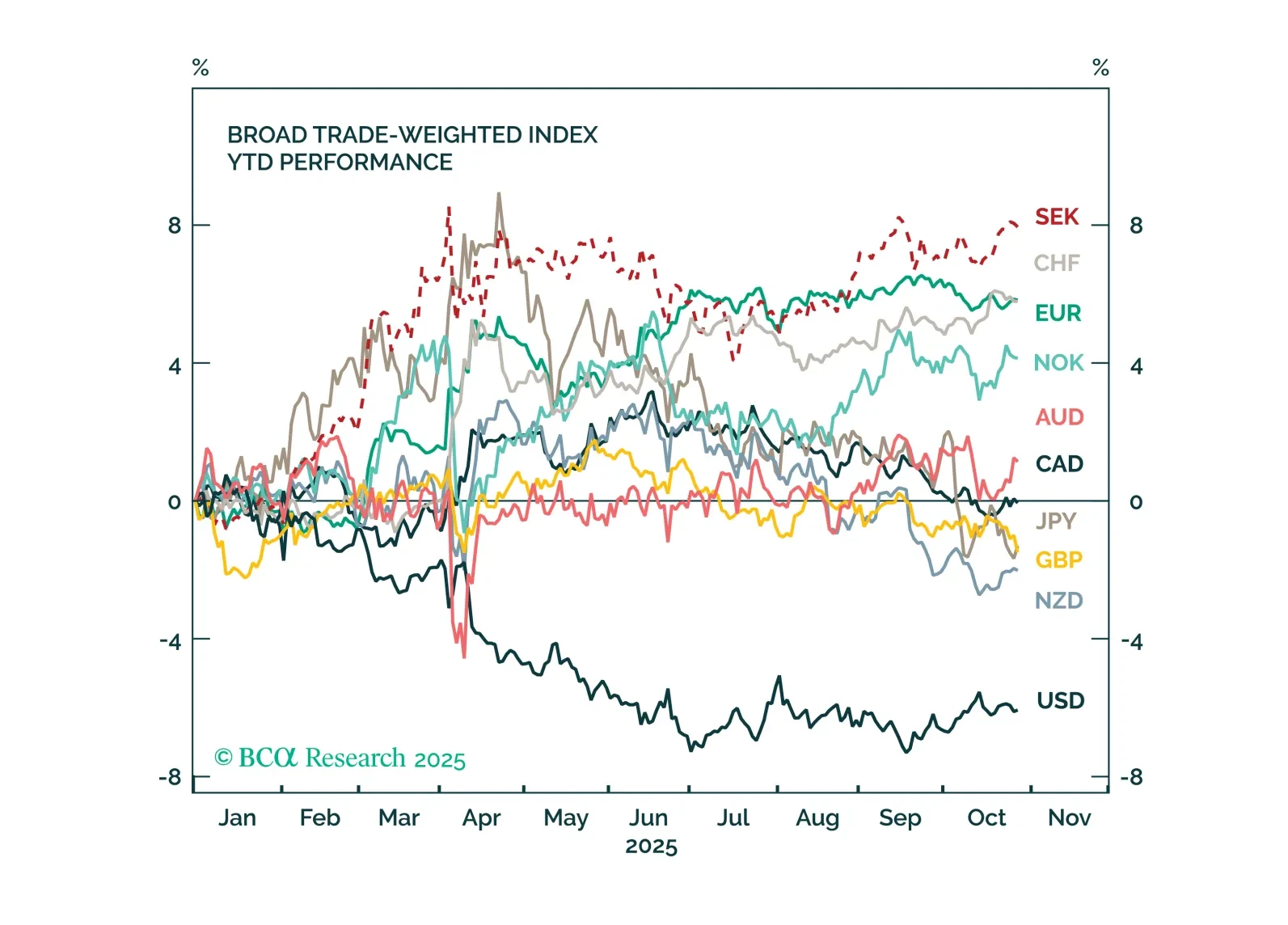
Los mercados están valorando cada vez más un fin del ciclo de relajación global, con muchos bancos centrales que se espera se mantengan en espera. Pero la incertidumbre sigue siendo alta, y es probable que ocurran sorpresas en las políticas camino al 2026. Este Informe de Estrategia desglosa los factores actuales detrás de las políticas de los bancos centrales del G10 y cómo posicionarse para los próximos movimientos en divisas y renta fija.
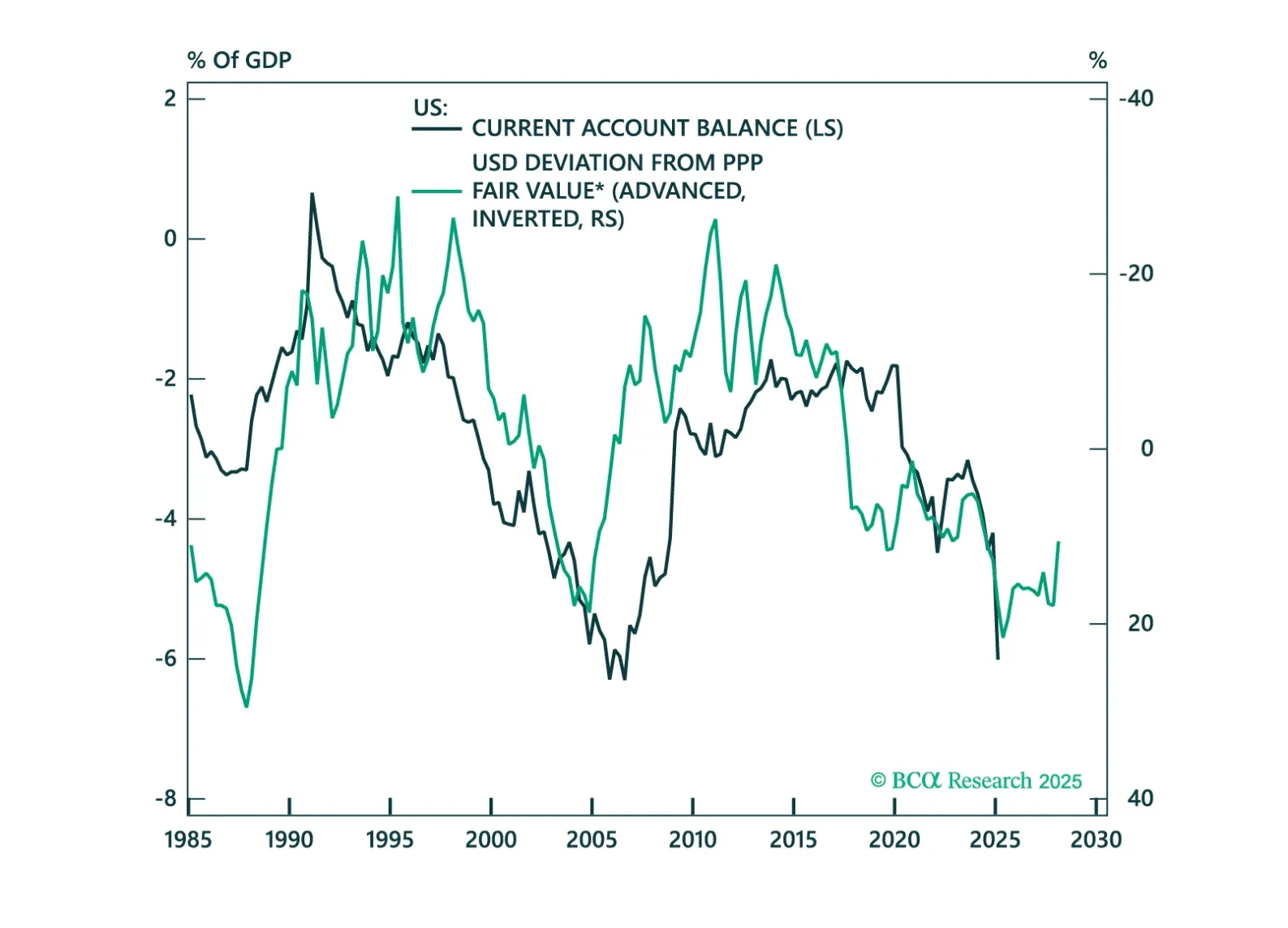
En este libro de gráficos, analizamos la balanza de pagos en países desarrollados (DM) y mercados emergentes (EM). A Estados Unidos no le va bien, pero a algunos otros países tampoco.

In this FX note, we provide a rationale for why it is important to pay attention to technical indicators, while still keeping your eyeball on the structural factors that drive currencies. This report answers the following questions: 1. Should you buy or sell the USD over a three-to-six month period from the pure lens of our proven technical indicators and 2. What are the best tactical cross trades among currencies.
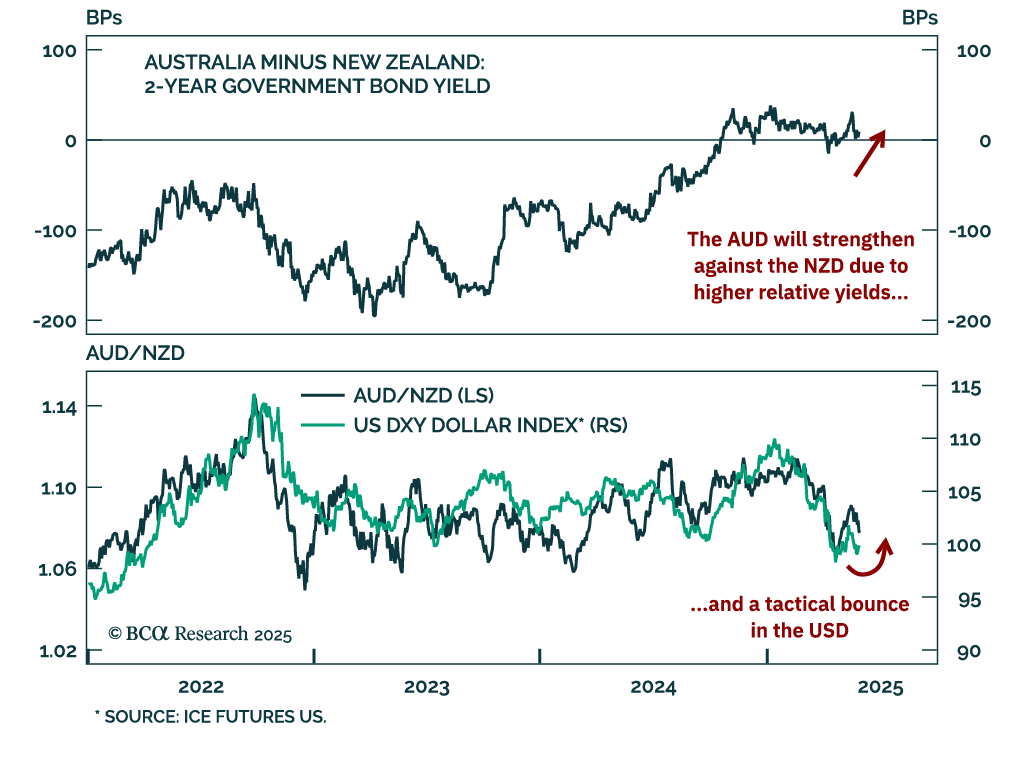
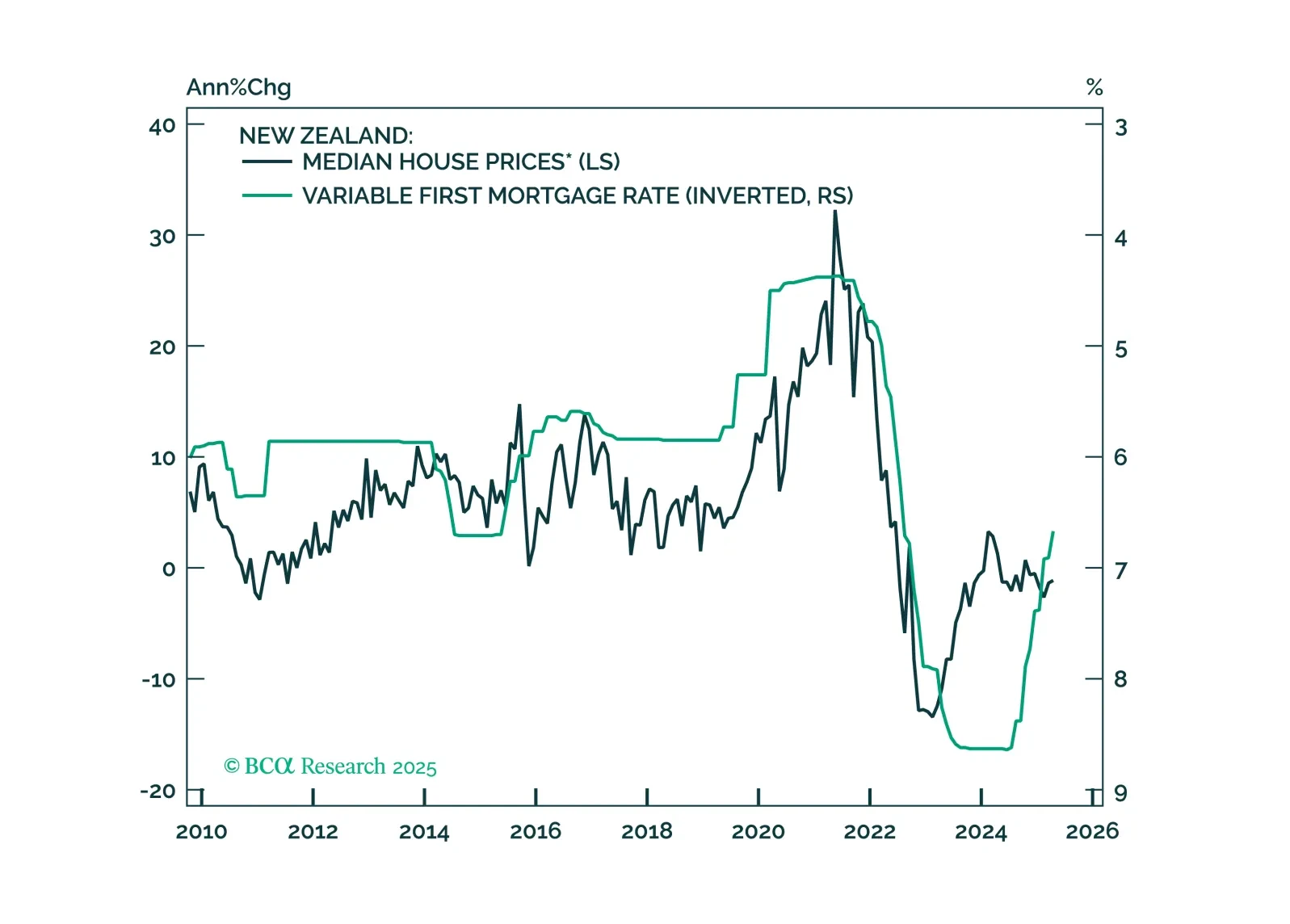
This Insight looks at the implications of the RBNZ’s rate cut on New Zealand assets.

The easing bias remains, but not all central banks are equal. This Central Bank Monitor update reveals who is ready to cut more and who is still pretending not to.
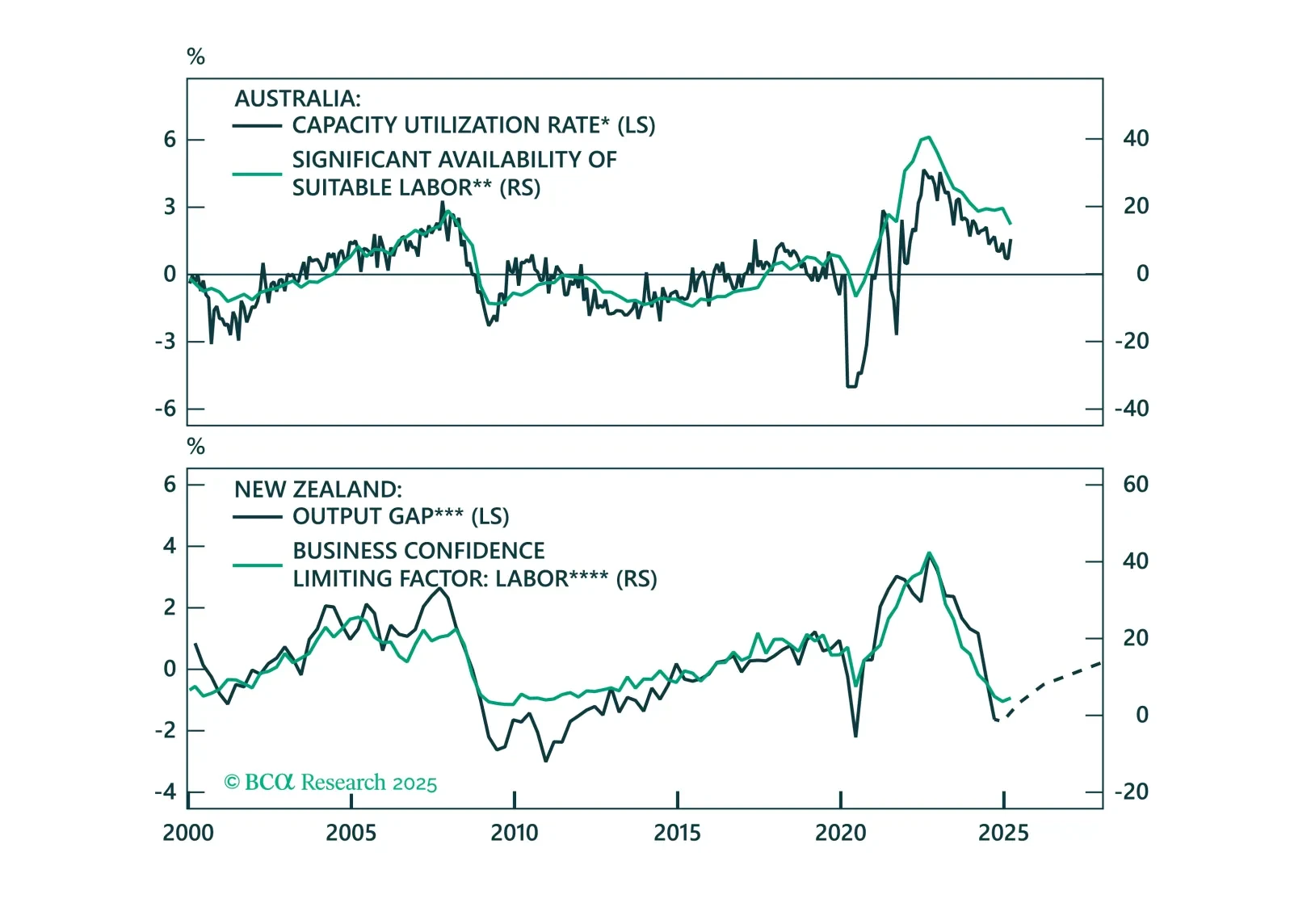
Following the escalation of the US-China trade war, the Reserve Bank of Australia is priced to cut rates most aggressively among its G10 peers. Across the Tasman Sea, the Reserve Bank of New Zealand has already cut rates aggressively, but the economy has yet to respond to this policy easing. This Special Report will examine the prospects of monetary policy for both of these central banks.
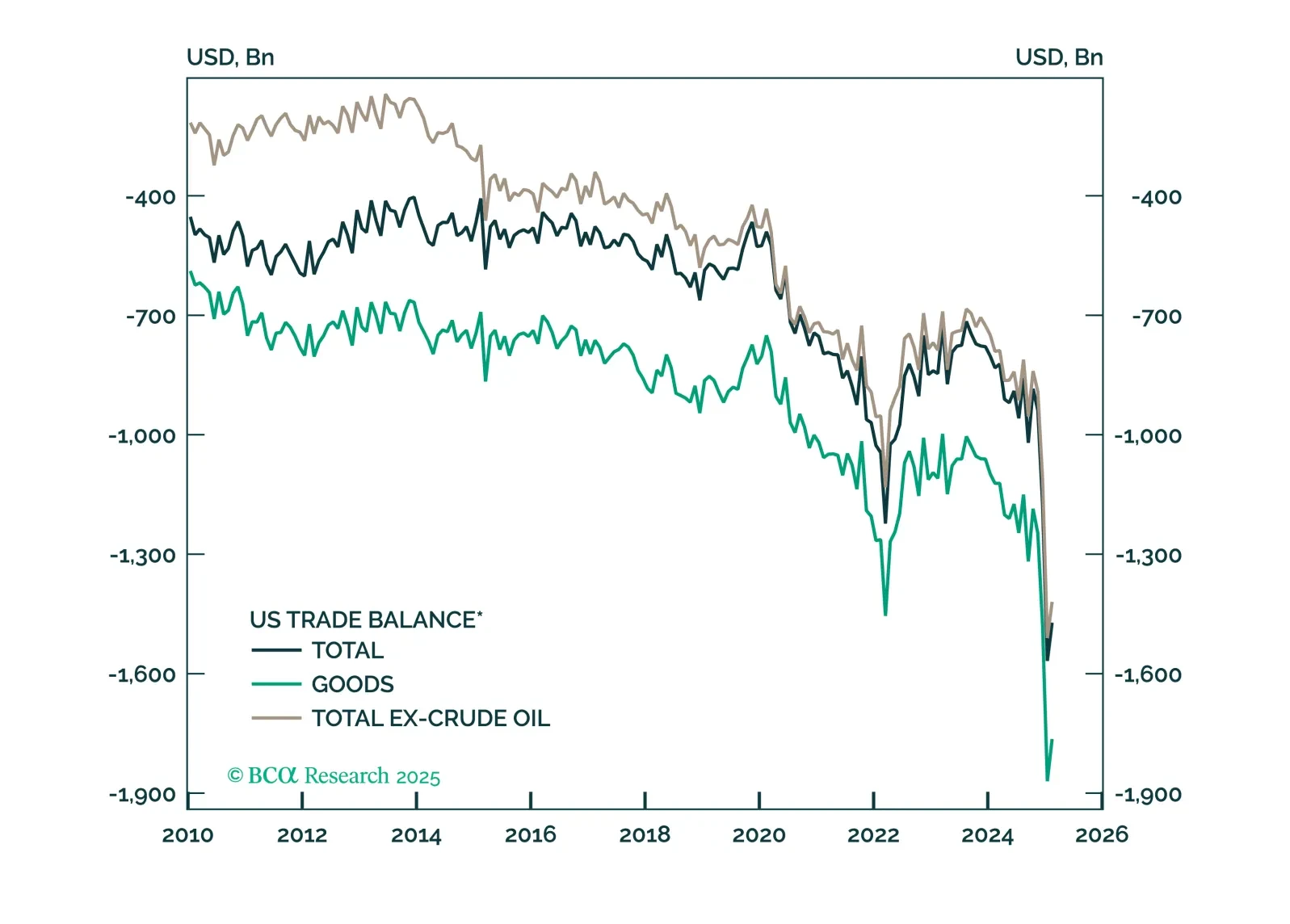
This report looks at the FX implications of the Trump tariffs, and the review of our Q1 trades.