Asset Allocation
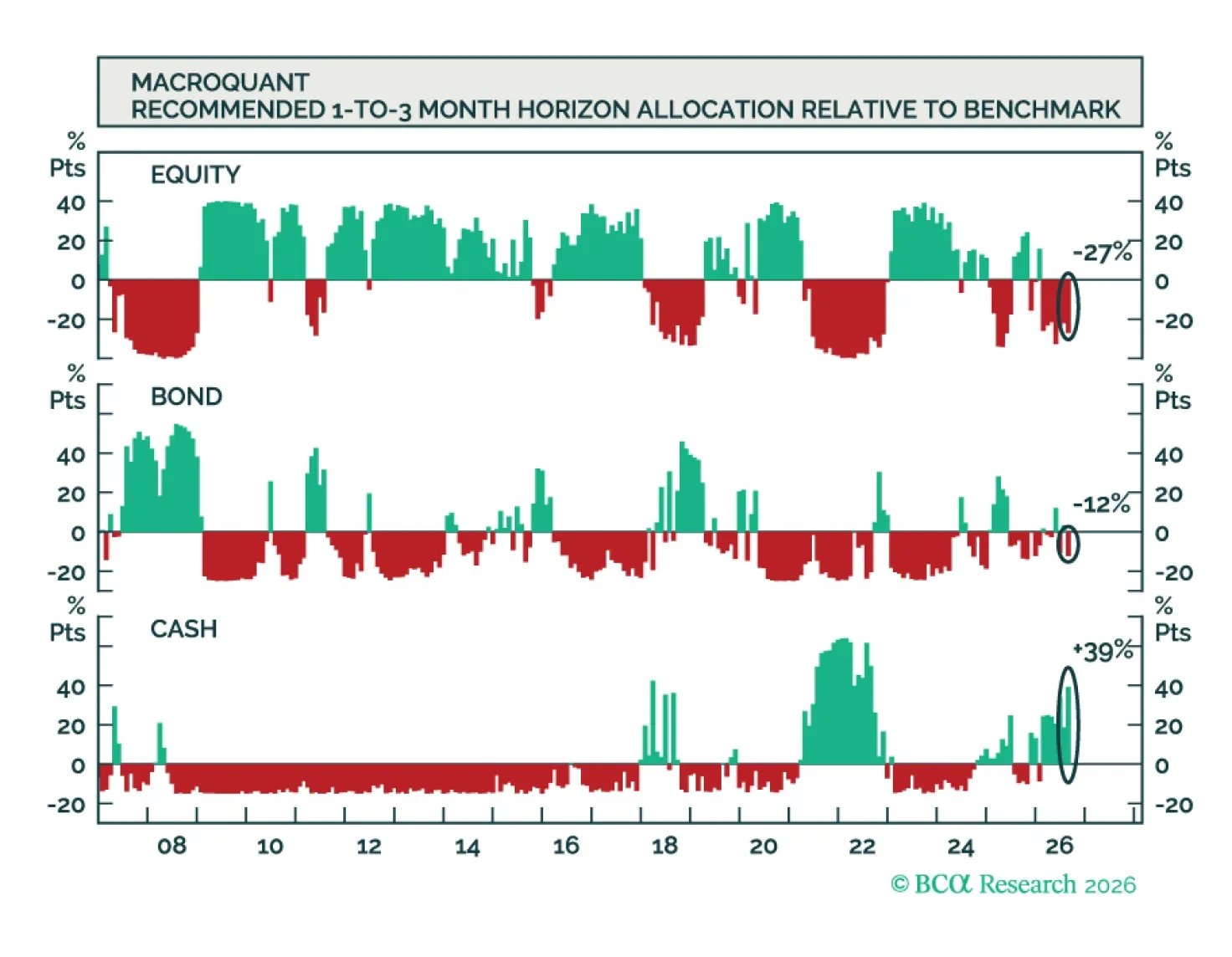
MacroQuant recommends an underweight to equities and bonds, counterbalanced by a significant overweight to cash. The model is very bullish on the US dollar, slightly negative on gold and copper, and positive on oil.
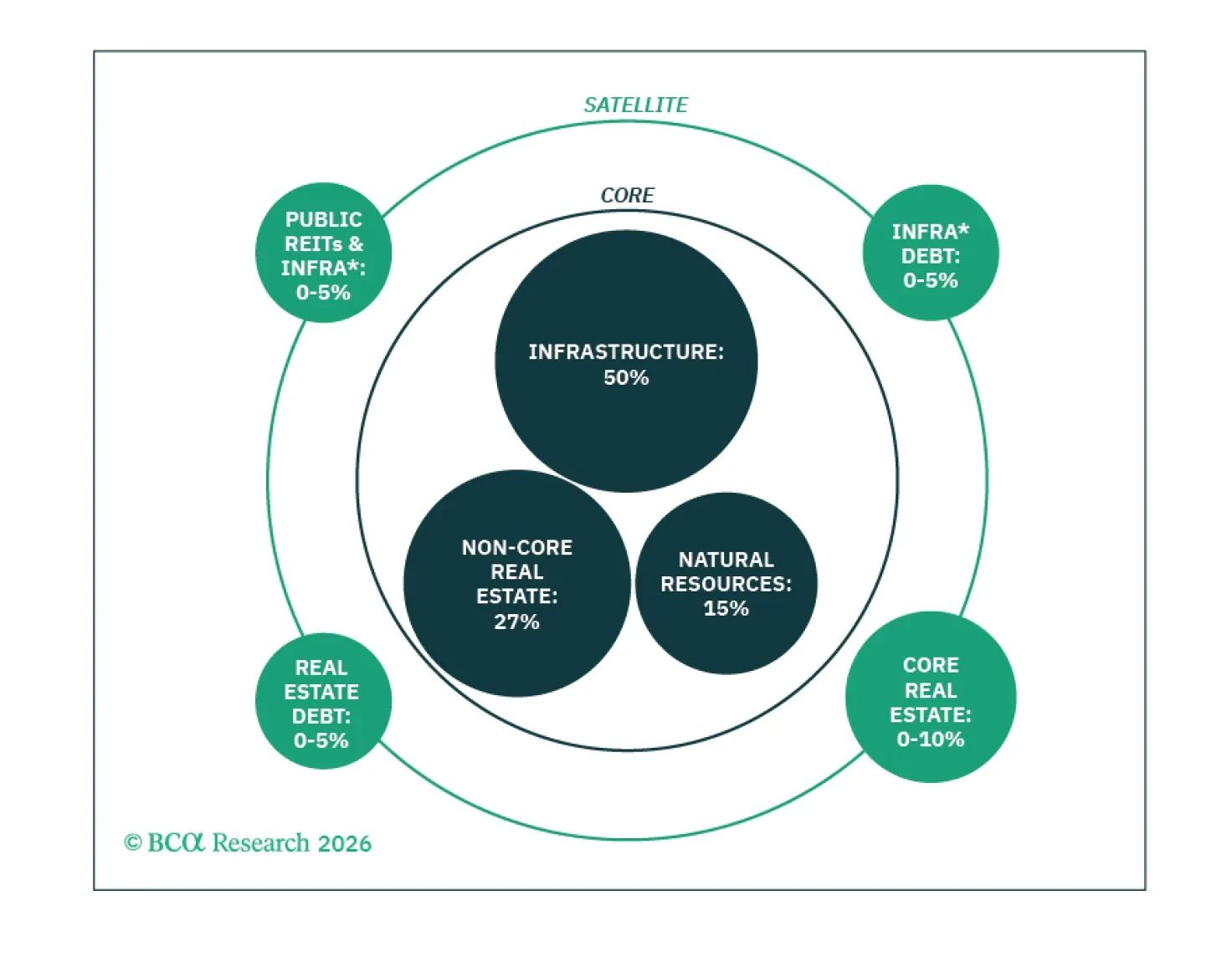
Real Assets remain underweight in investor portfolios, a gap the 2020s bond bear market has exposed. We provide specifics on constructing a portfolio that supplies more than diversification, it delivers return. The specific weightings may not fit every investor, but the three core principles behind them can.
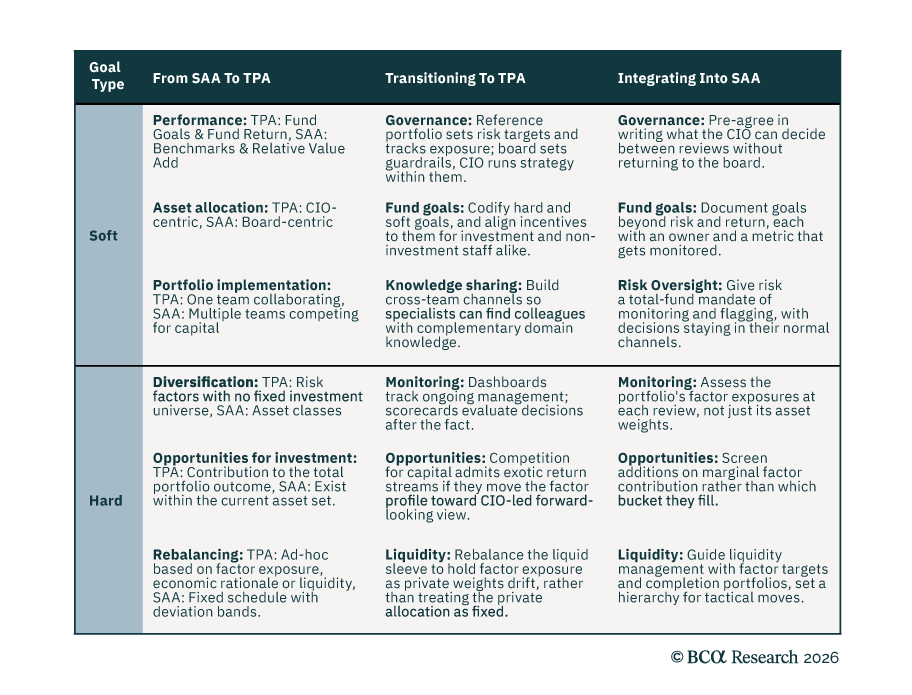
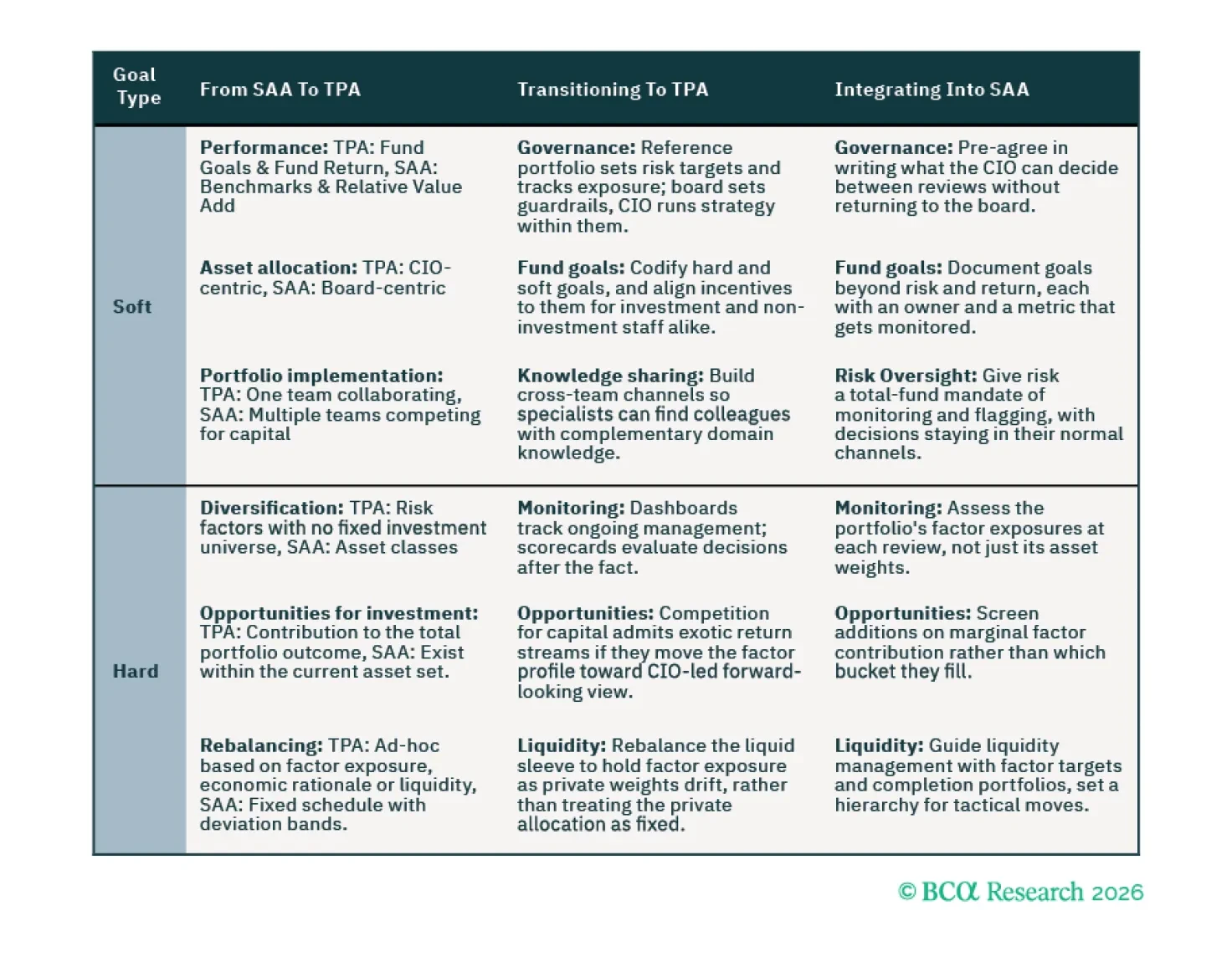
High-profile adoptions of the Total Portfolio Approach (TPA) and the often-cited outperformance of TPA funds have generated FOMO among funds following an SAA framework. Buzzwords and vague rulesets frustrate anyone trying to learn more. We combed through the TPA literature, built practical examples, and found that many components are just best practices, repackaged. Our suggestion: look past the hype, adopt what fits, ignore what doesn't.
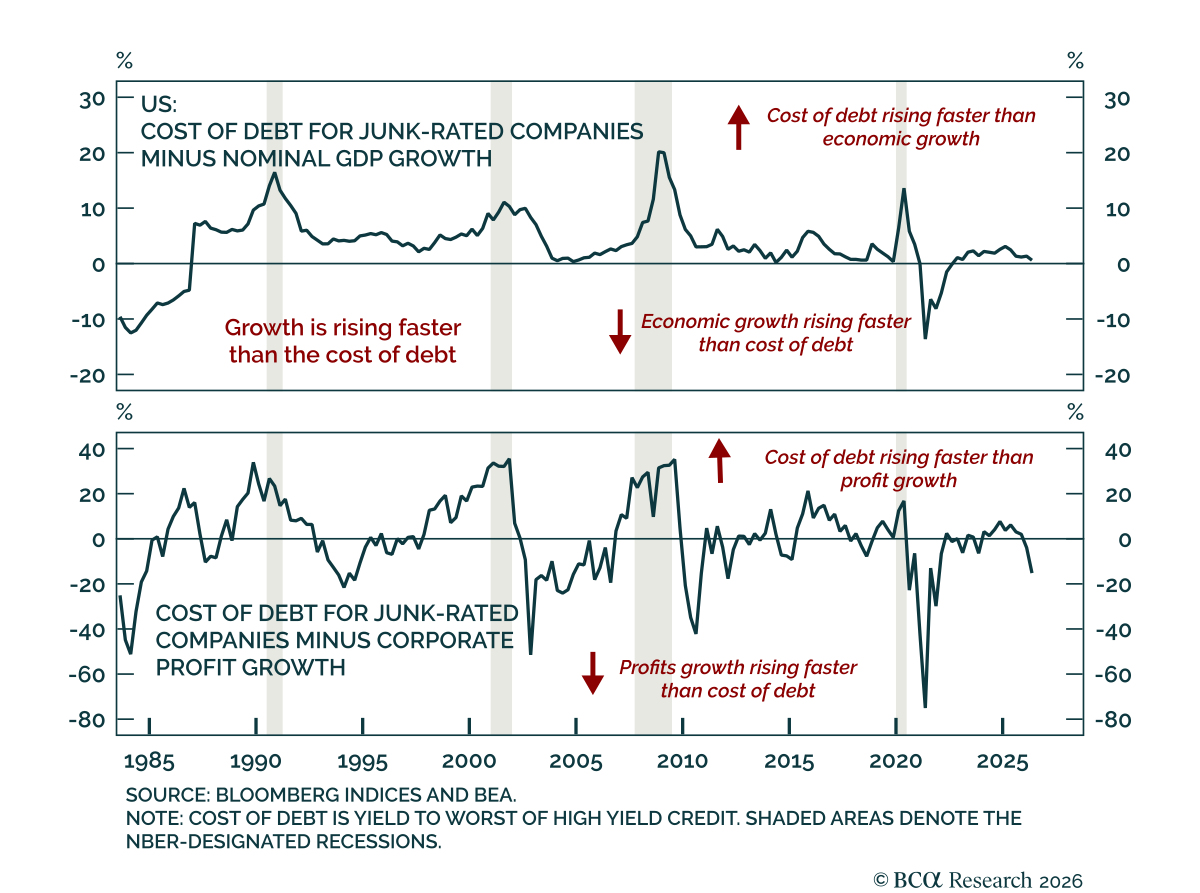
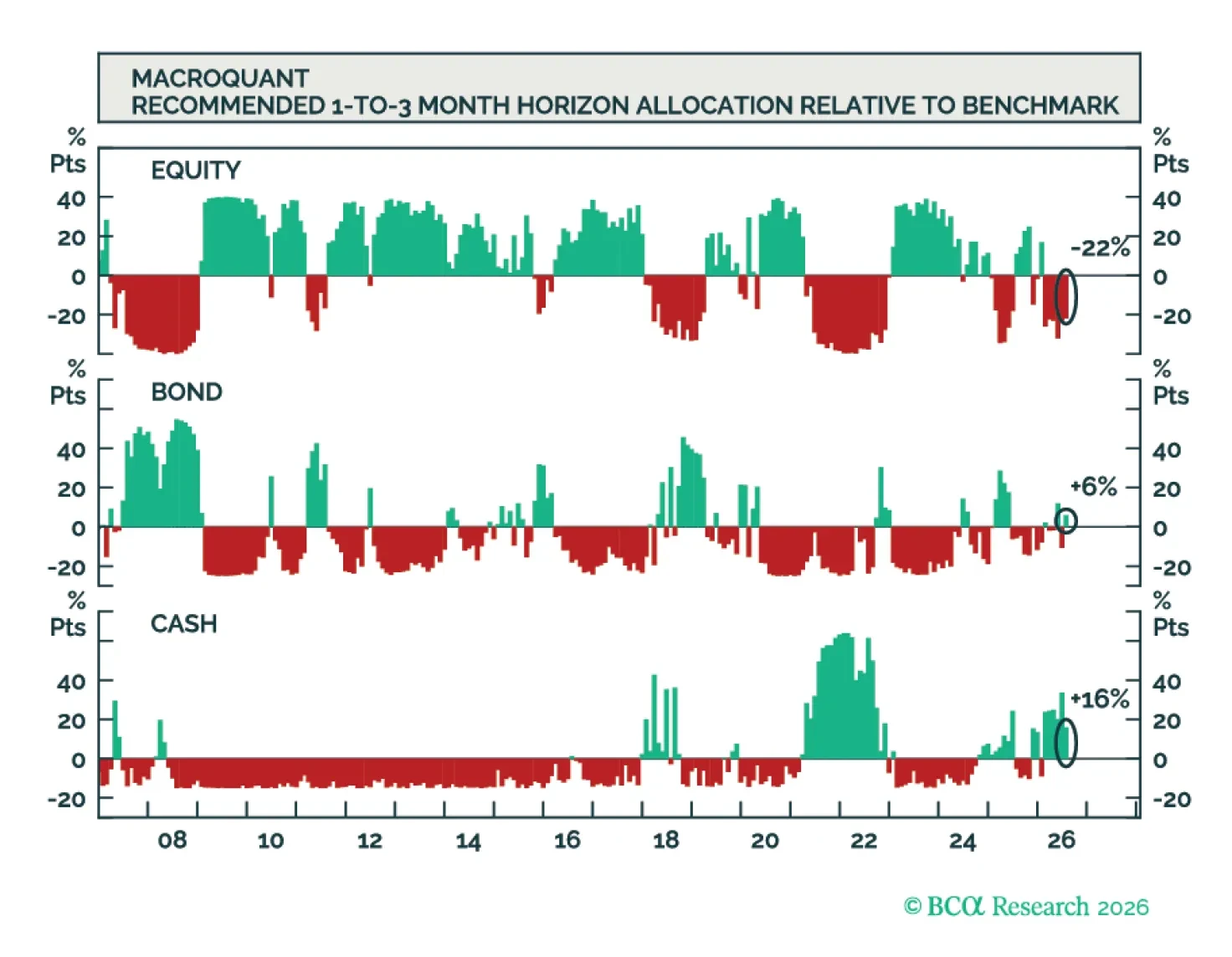
MacroQuant recommends a slight underweight position in equities, counterbalanced by a slight overweight to bonds, and a significant overweight to cash. The model is positive on the US dollar, modestly negative on gold, and bullish on copper and oil.
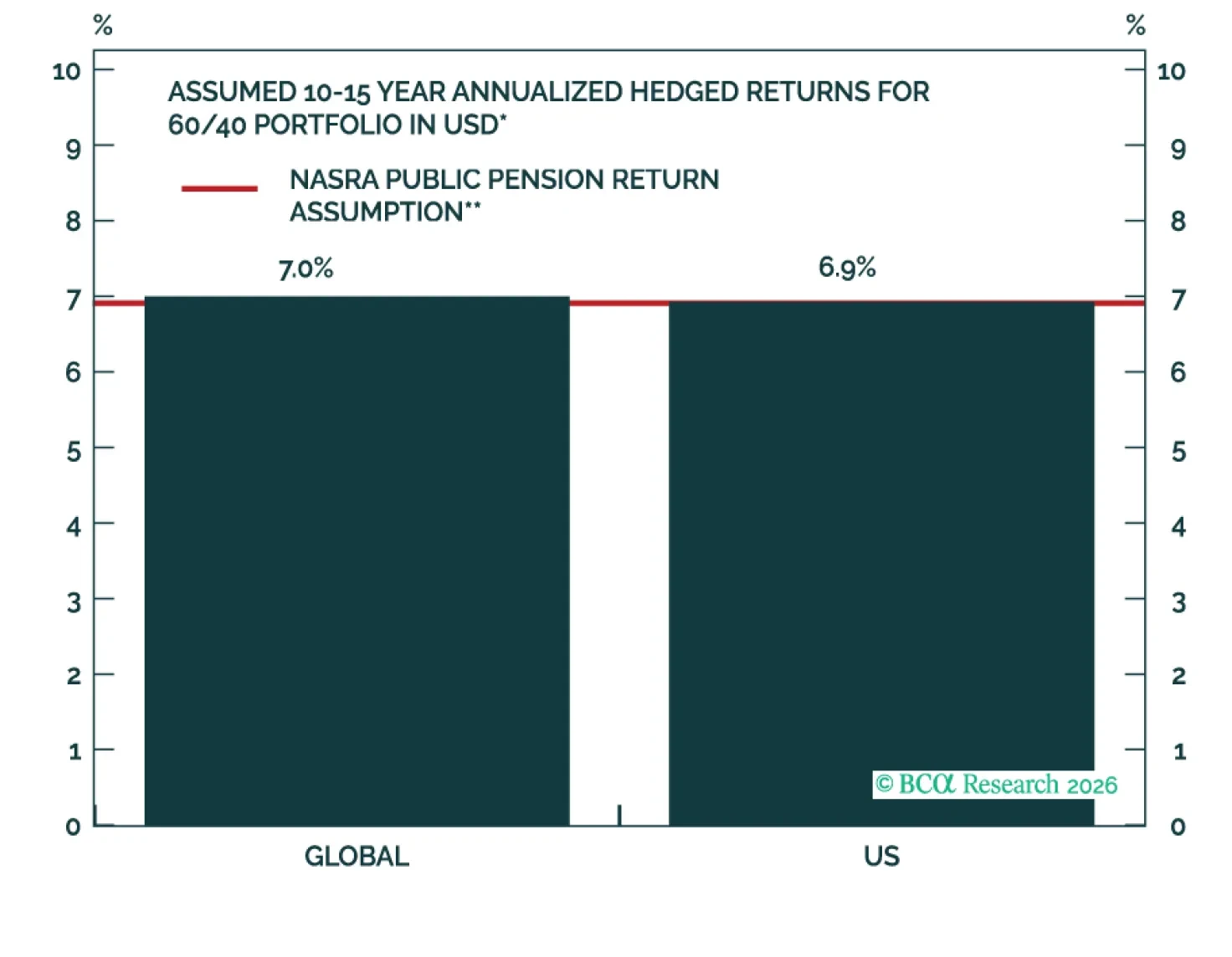
We estimate that a US 60/40 portfolio will return 6.9% over the next 10-to-15 years. In this update, we include hedging costs projections and revamp our scenario analysis to incorporate hypothetical outcomes to the AI capex cycle.