Australia
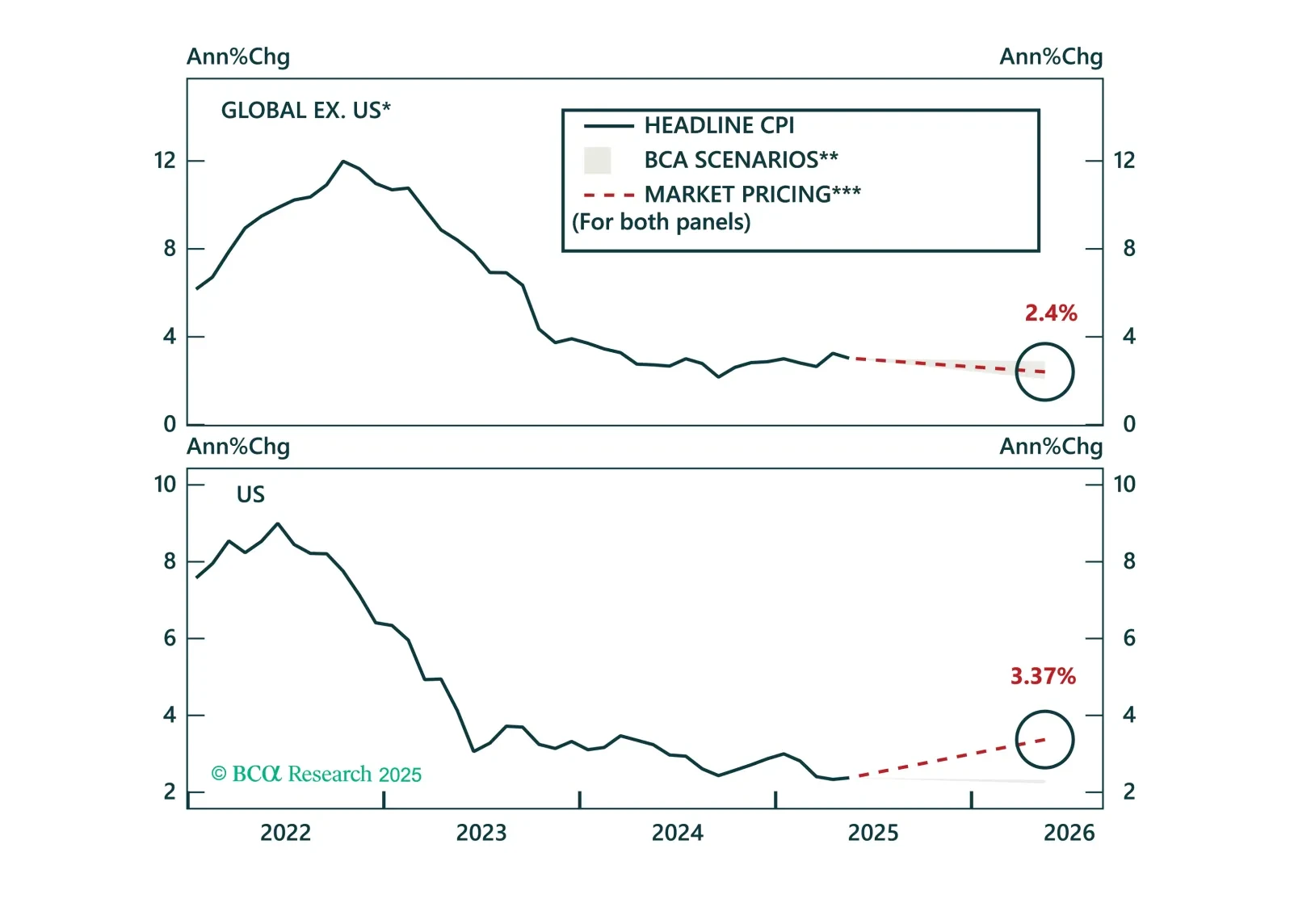
ディスインフレが世界的に進展しており、市場もようやく追随し始めています。インフレ期待は概ねファンダメンタルズと一致するようになり、グローバルなインフレ連動債(ILB)配分をニュートラルにシフトしました。関税リスクがアメリカのインフレ期待を押し上げている一方で、イギリス、日本、オーストラリアの価格調整は急激に進みました。本日のストラテジーレポートでは、これらの動向を検討し、国別のILBポジショニングを更新しています。
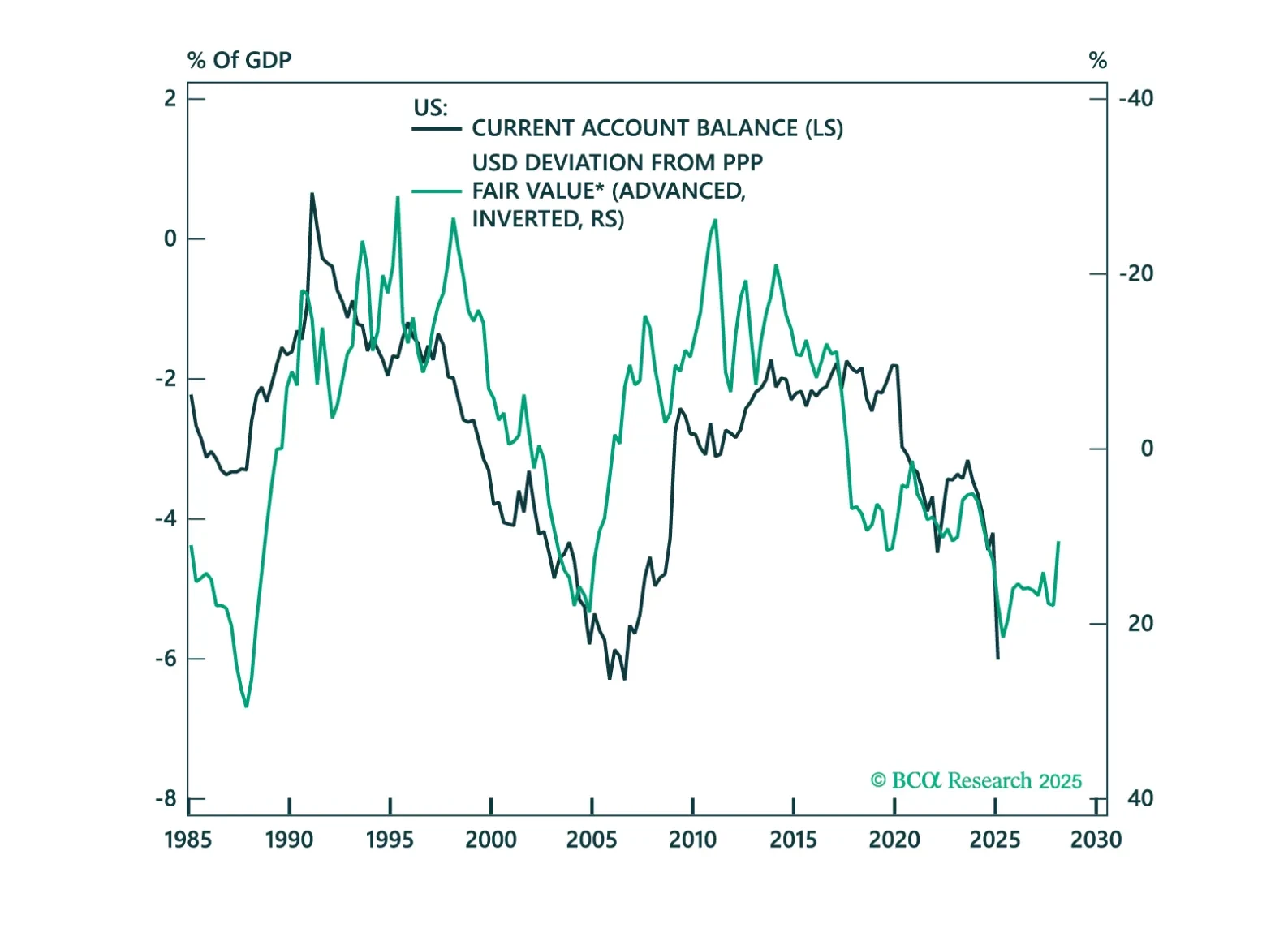
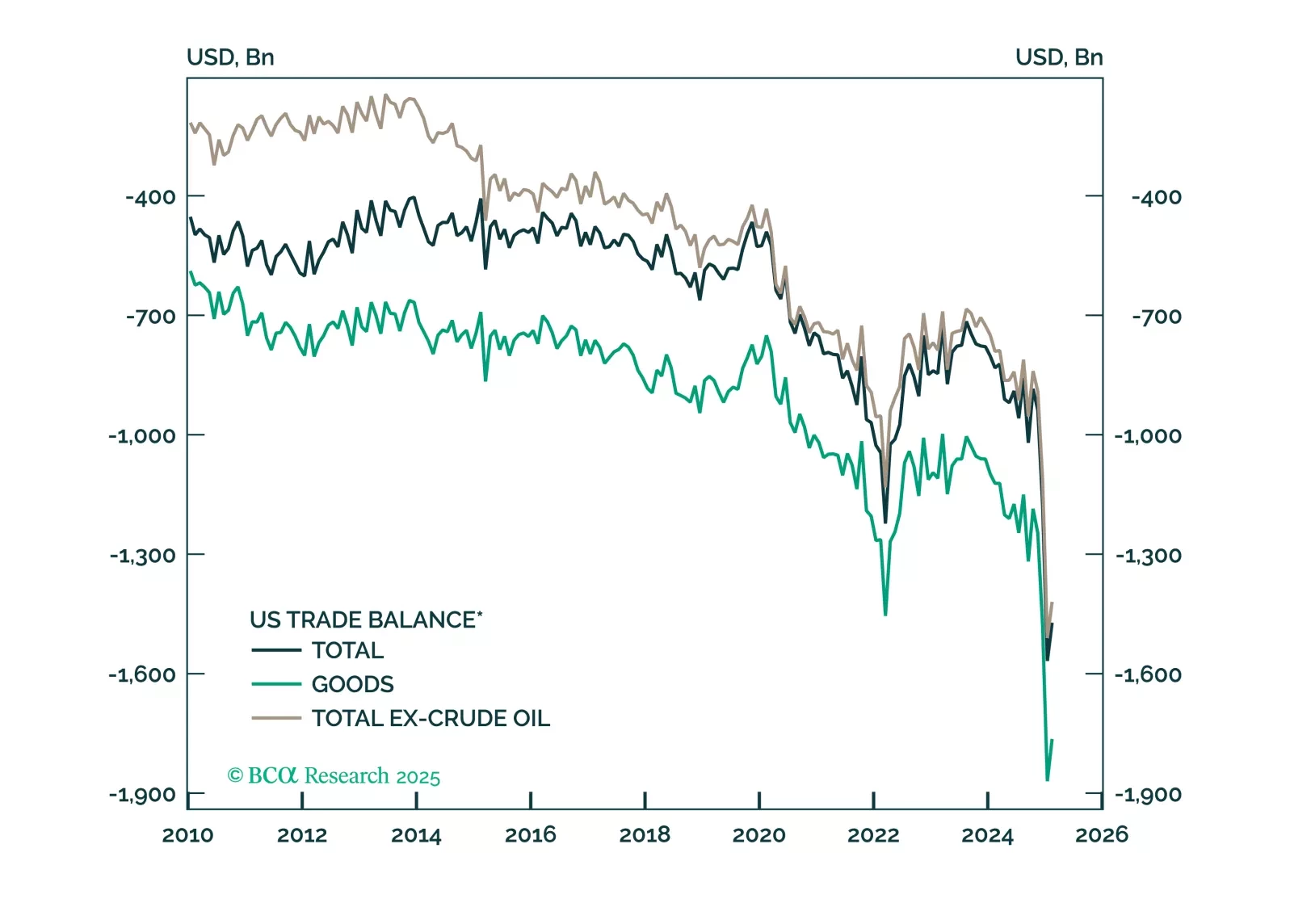
このチャートブックでは、先進国(DM)および新興国(EM)の各国の国際収支を検討します。米国の状況は良くありませんが、他のいくつかの国も同様です。
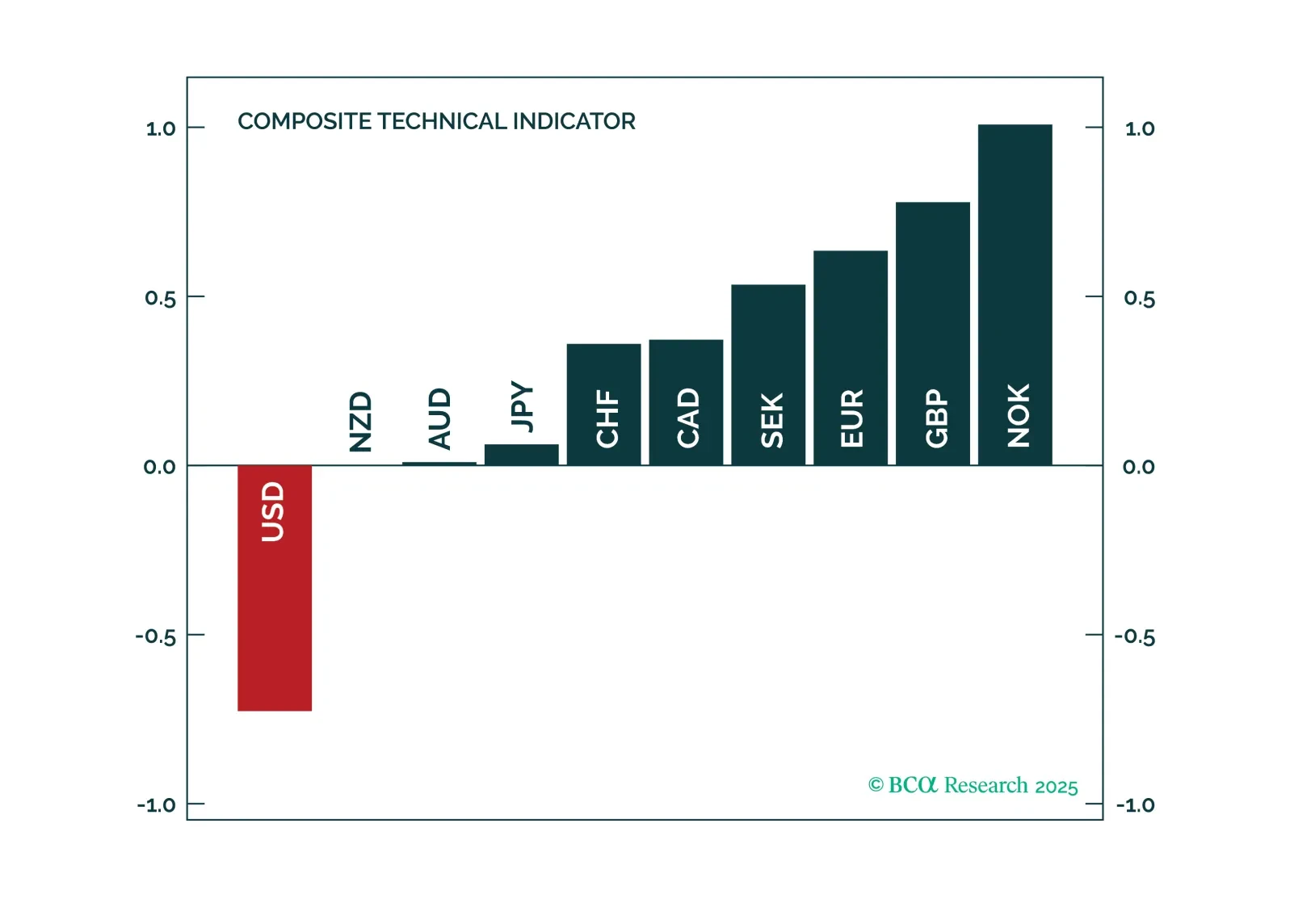
In this FX note, we provide a rationale for why it is important to pay attention to technical indicators, while still keeping your eyeball on the structural factors that drive currencies. This report answers the following questions: 1. Should you buy or sell the USD over a three-to-six month period from the pure lens of our proven technical indicators and 2. What are the best tactical cross trades among currencies.

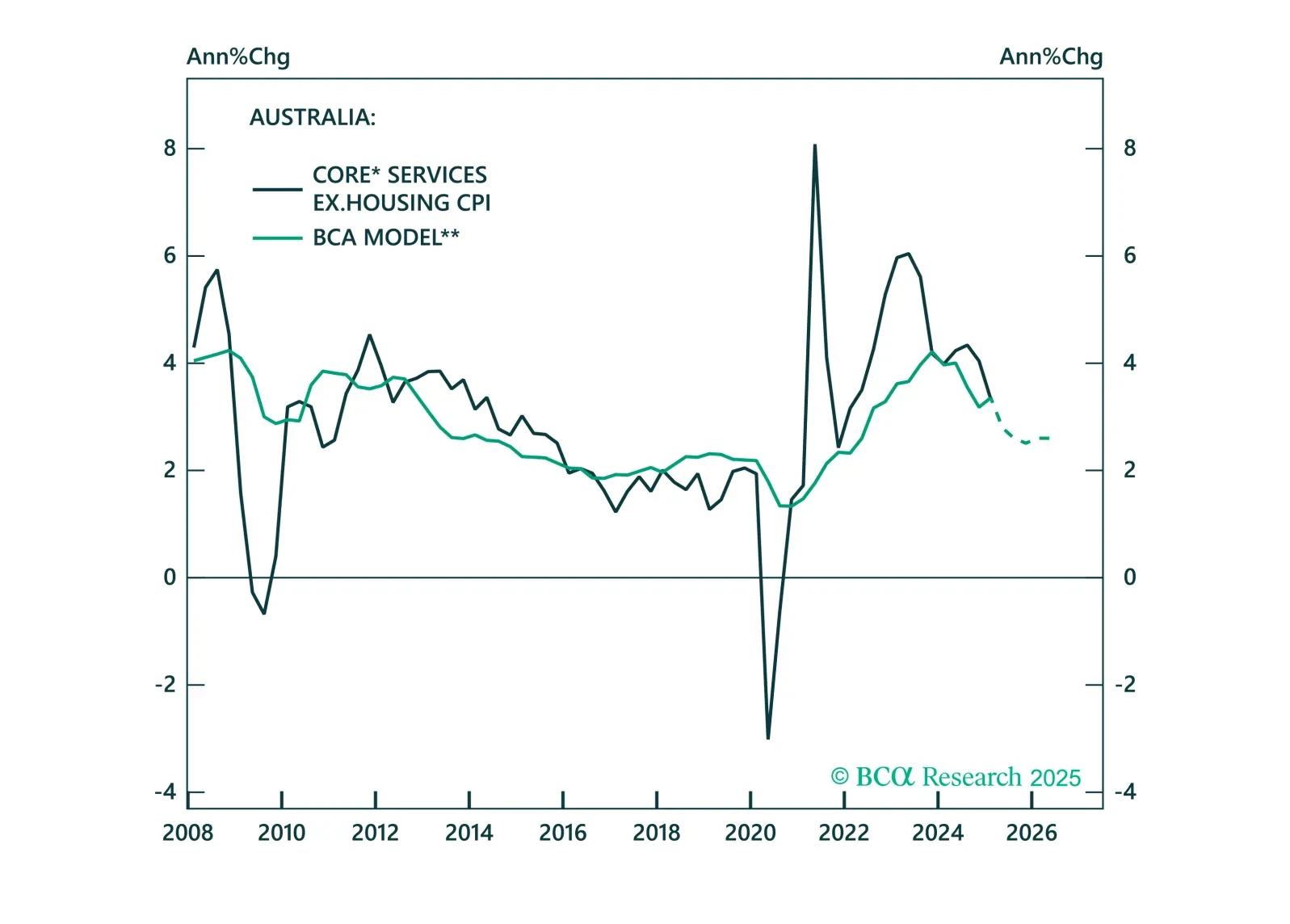
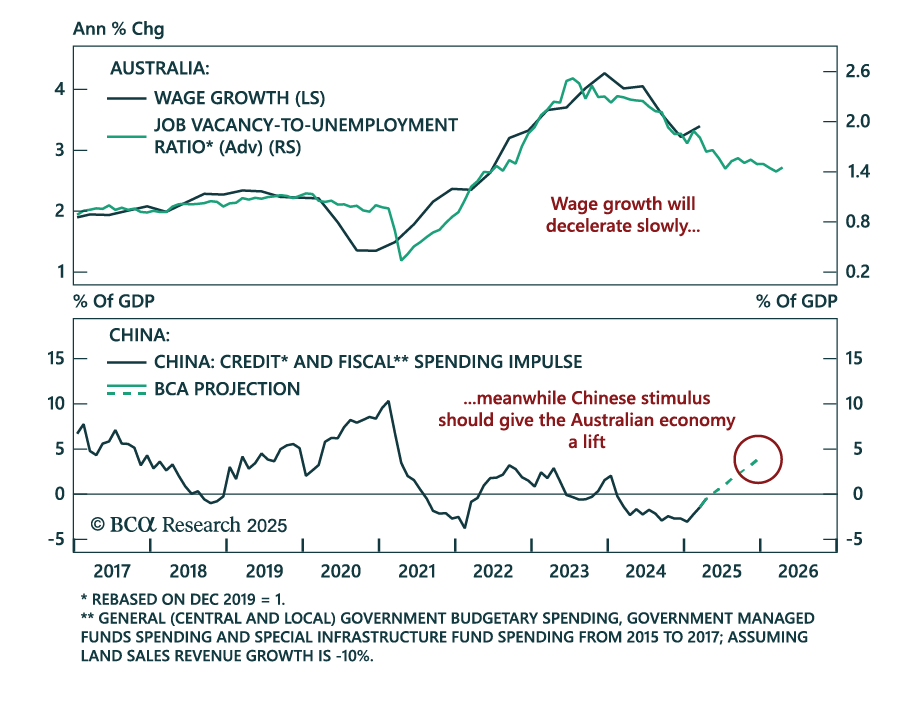
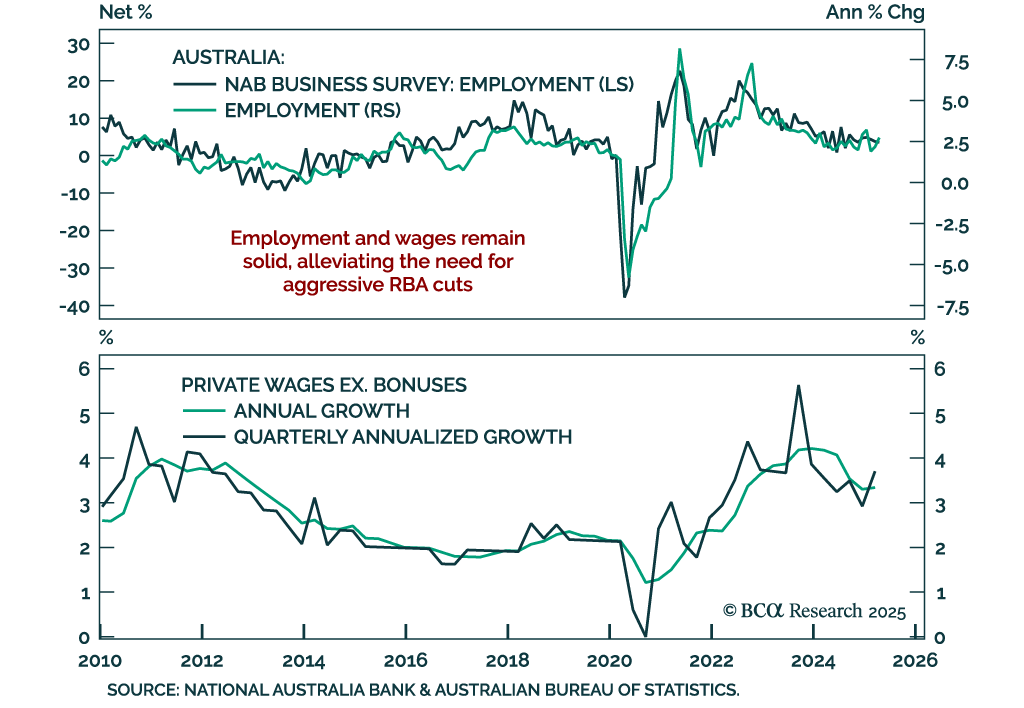
The RBA just turned dovish, but the macro data do not justify many more cuts. We unpack why Australia’s strong labor market and sticky inflation limit the scope for further easing.
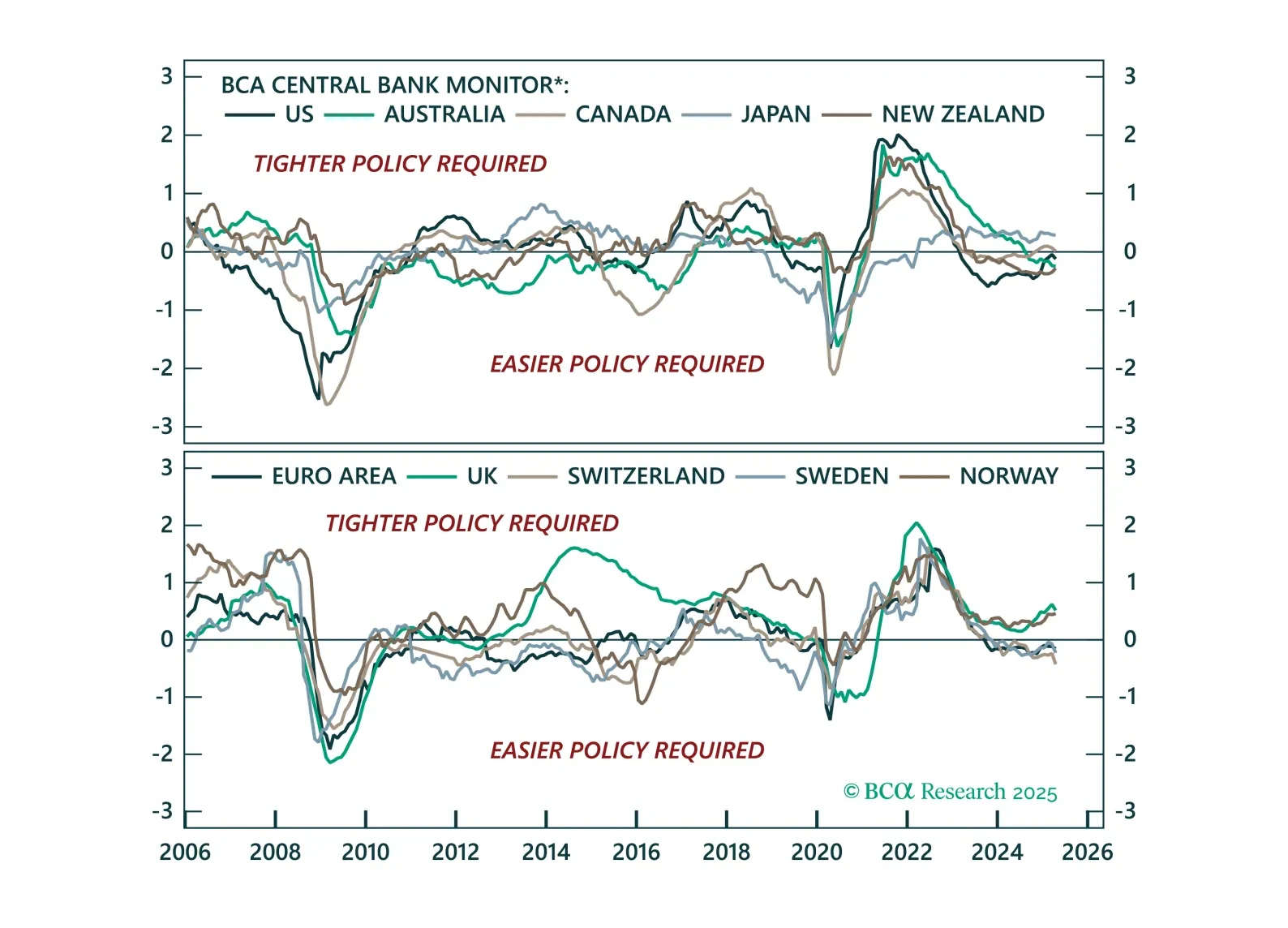
The easing bias remains, but not all central banks are equal. This Central Bank Monitor update reveals who is ready to cut more and who is still pretending not to.
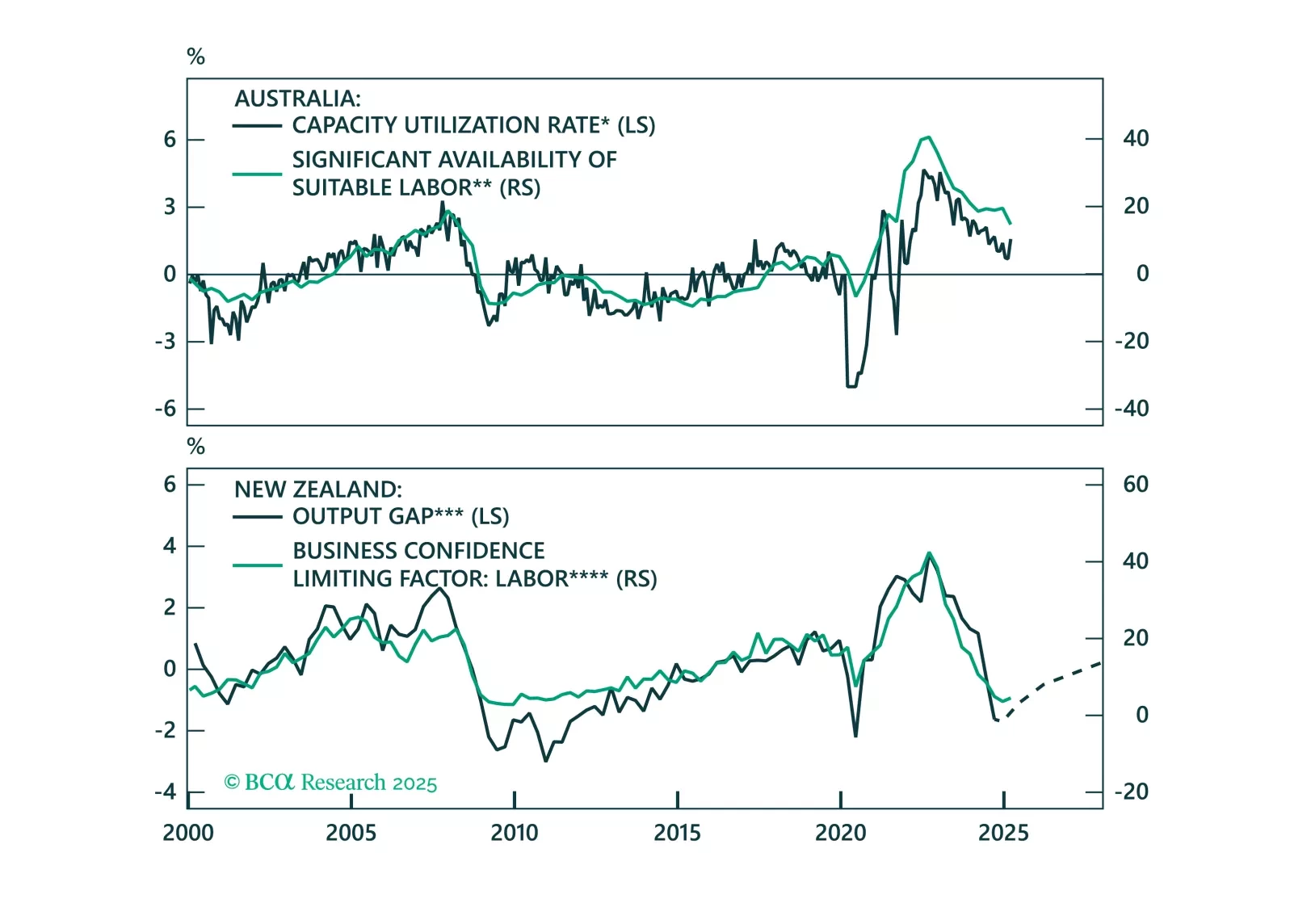
Following the escalation of the US-China trade war, the Reserve Bank of Australia is priced to cut rates most aggressively among its G10 peers. Across the Tasman Sea, the Reserve Bank of New Zealand has already cut rates aggressively, but the economy has yet to respond to this policy easing. This Special Report will examine the prospects of monetary policy for both of these central banks.
This report looks at the FX implications of the Trump tariffs, and the review of our Q1 trades.