 FICC
FICC
Find out more
We expand our risk/reward analysis of US investment grade corporate bonds to focus on the 44 industry groups included in the Bloomberg index.
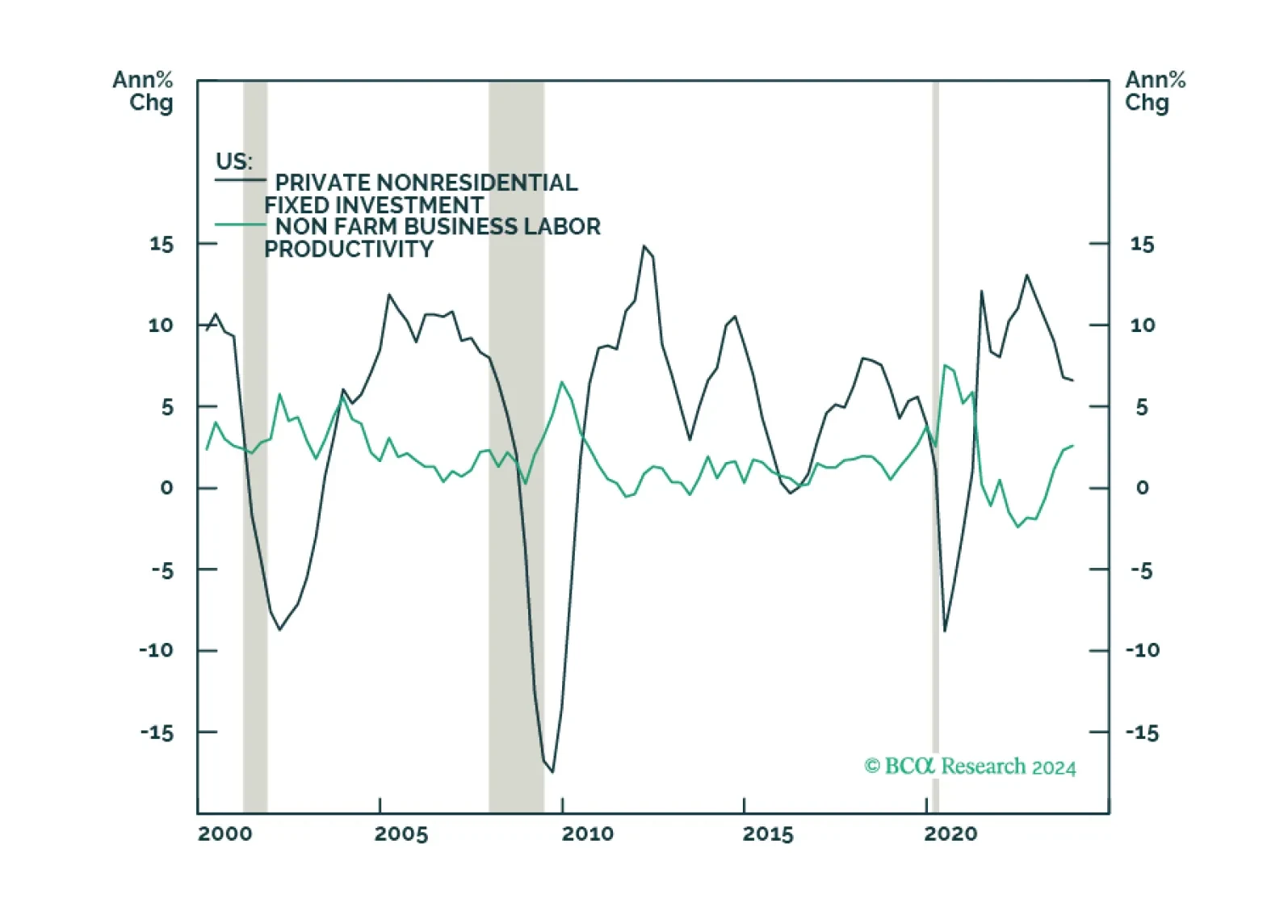
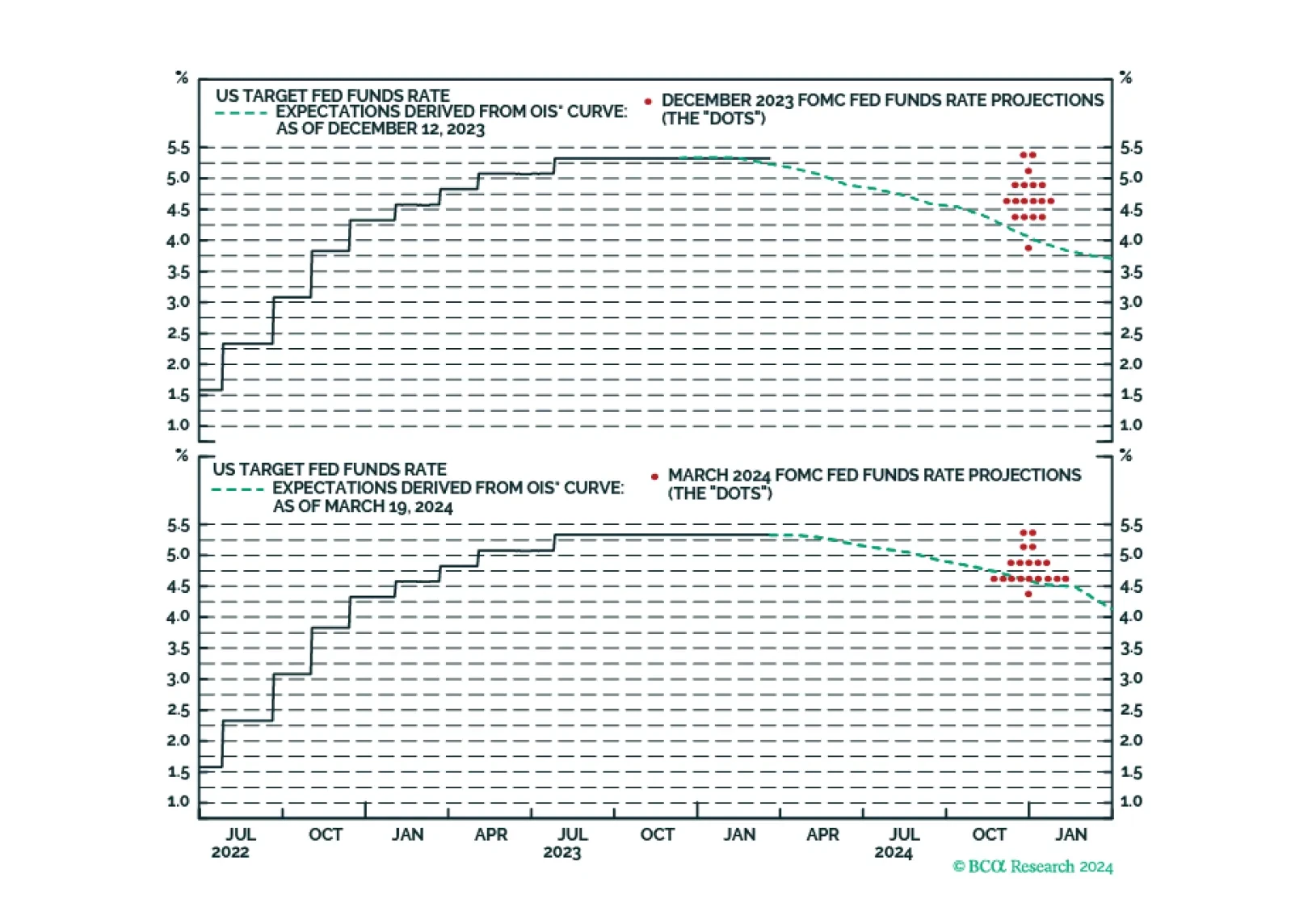
Inflationary pressures this year will remain subdued as labor-productivity growth – driven by strong capex and R+D spending – continues. This will make the Fed more confident in beginning its policy-rate-cutting cycle in June, and will keep gold well bid. We are raising our gold target to $2,300/oz. We continue to expect no recession this year.
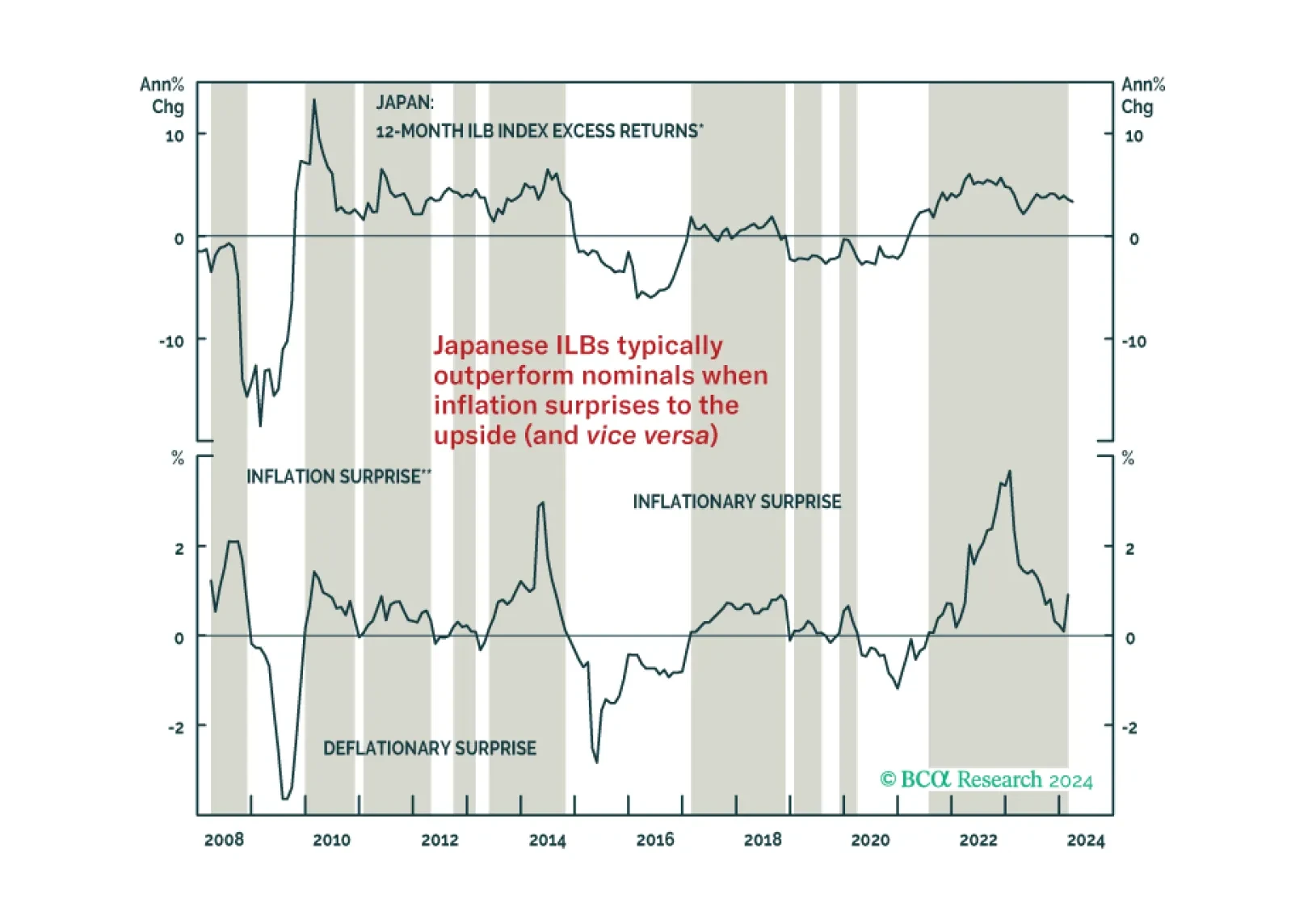
In this Insight, we continue our series of reports outlining investment frameworks for inflation-linked bonds in the developed markets, this time focusing on Japan. Our Japanese Inflation-Linked Golden Rule suggests that investors should overweight Japanese inflation-linked bonds versus nominal JGBs on a strategic (6-12 month) investment horizon. Our new Japanese inflation models suggest that there is a material risk that Japanese inflation exceeds the current level of market-based inflation expectations over the next year.
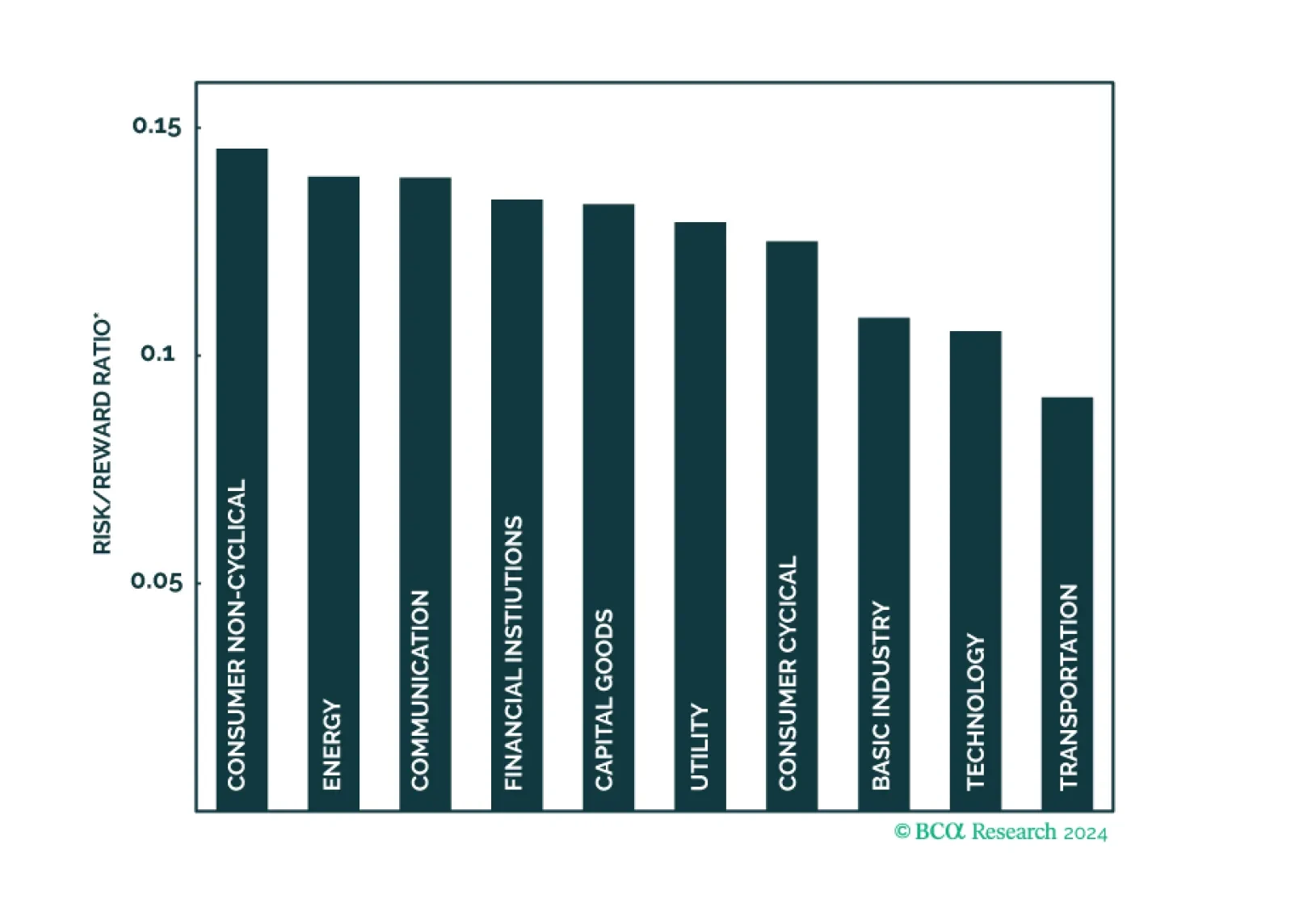
A risk/reward ranking of the 10 major US investment grade corporate bond sectors.
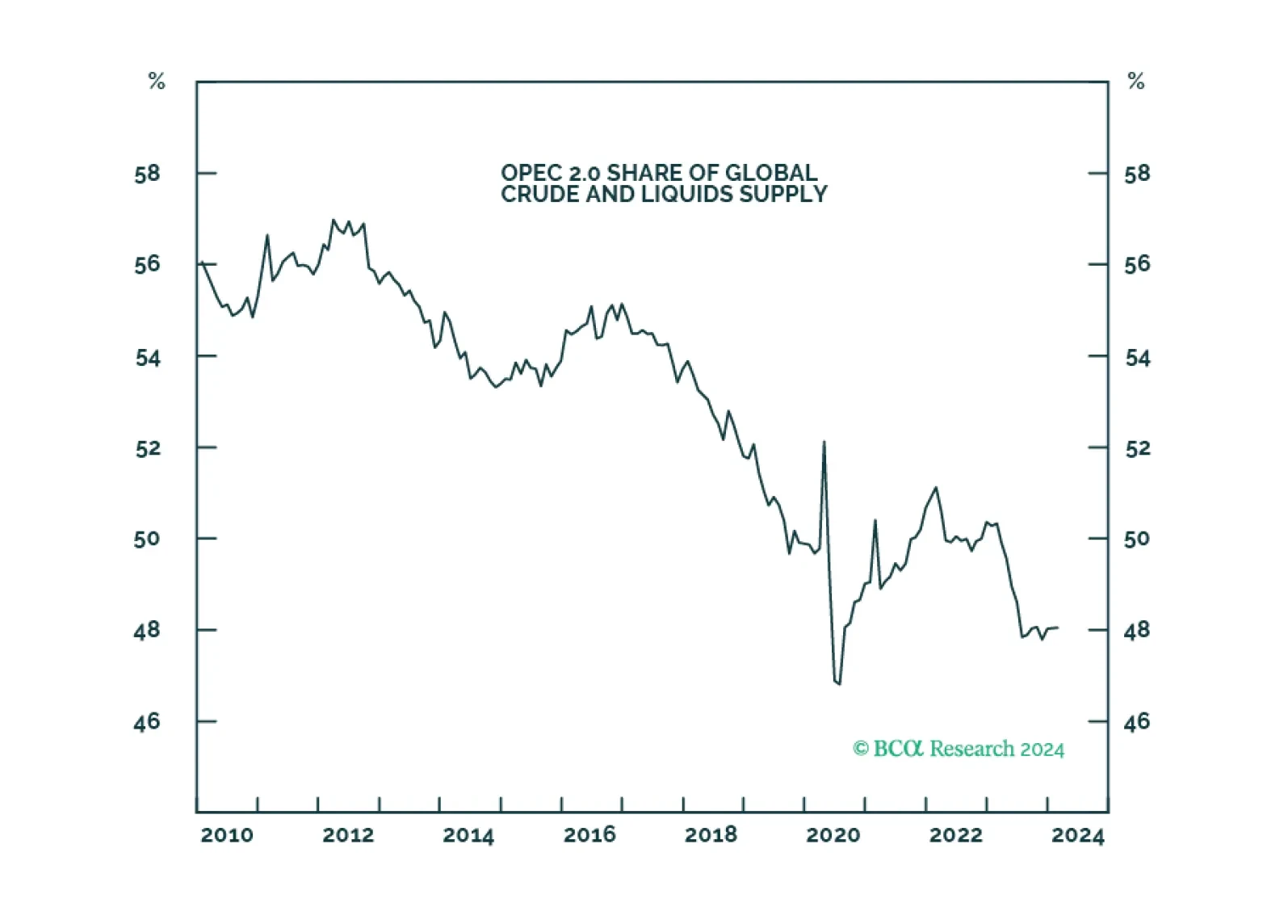
We expect oil-demand growth to increase this year – to 1.7mm b/d from 1.4mm b/d (0.30% of total demand) – and anticipate tighter supply at the margin. Our balances estimates are unchanged, leaving our Brent price forecasts for 2024 and ’25 at $95/bbl and $105/bbl. We expect the US to deploy warships if Venezuela makes a move on Guyanese territory in a bid to grab deep-water oil production.
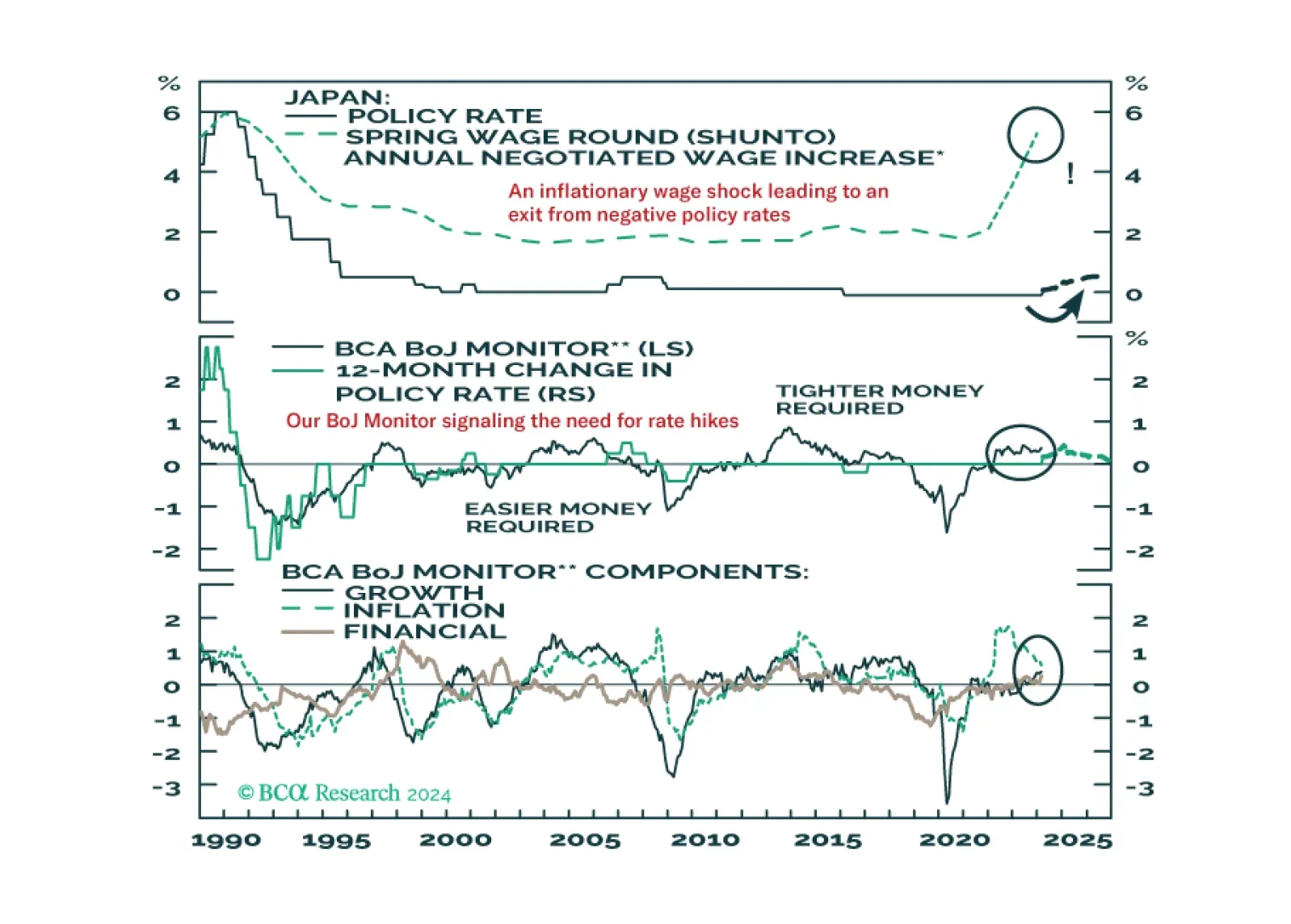
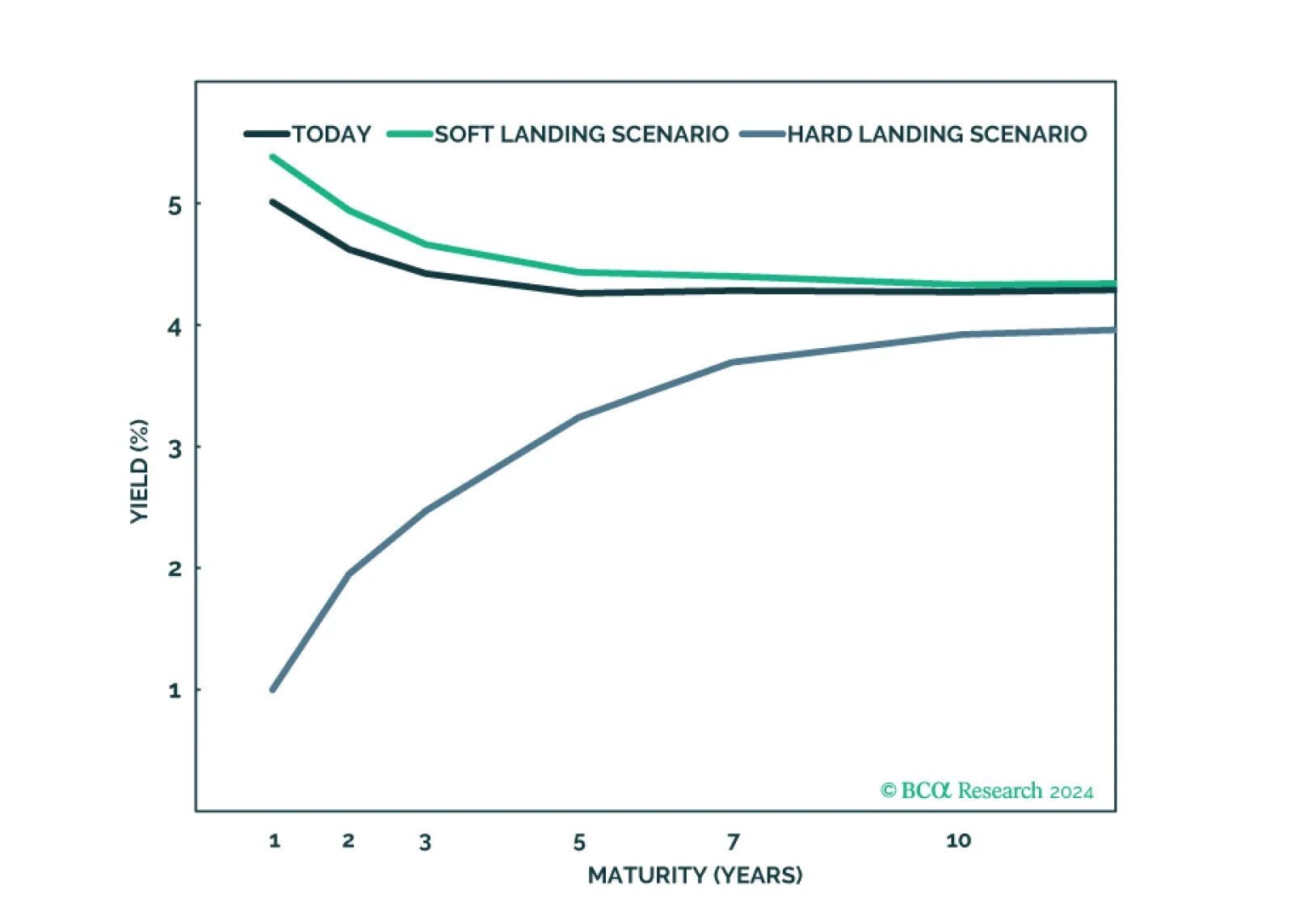
The Bank of Japan delivered a historic policy adjustment this week, ending both negative interest rates and Yield Curve Control. In this Insight, BCA’s global fixed income and currency strategists discuss the immediate implications of the move for Japanese bond yields and the yen, and the potential for additional tightening actions.
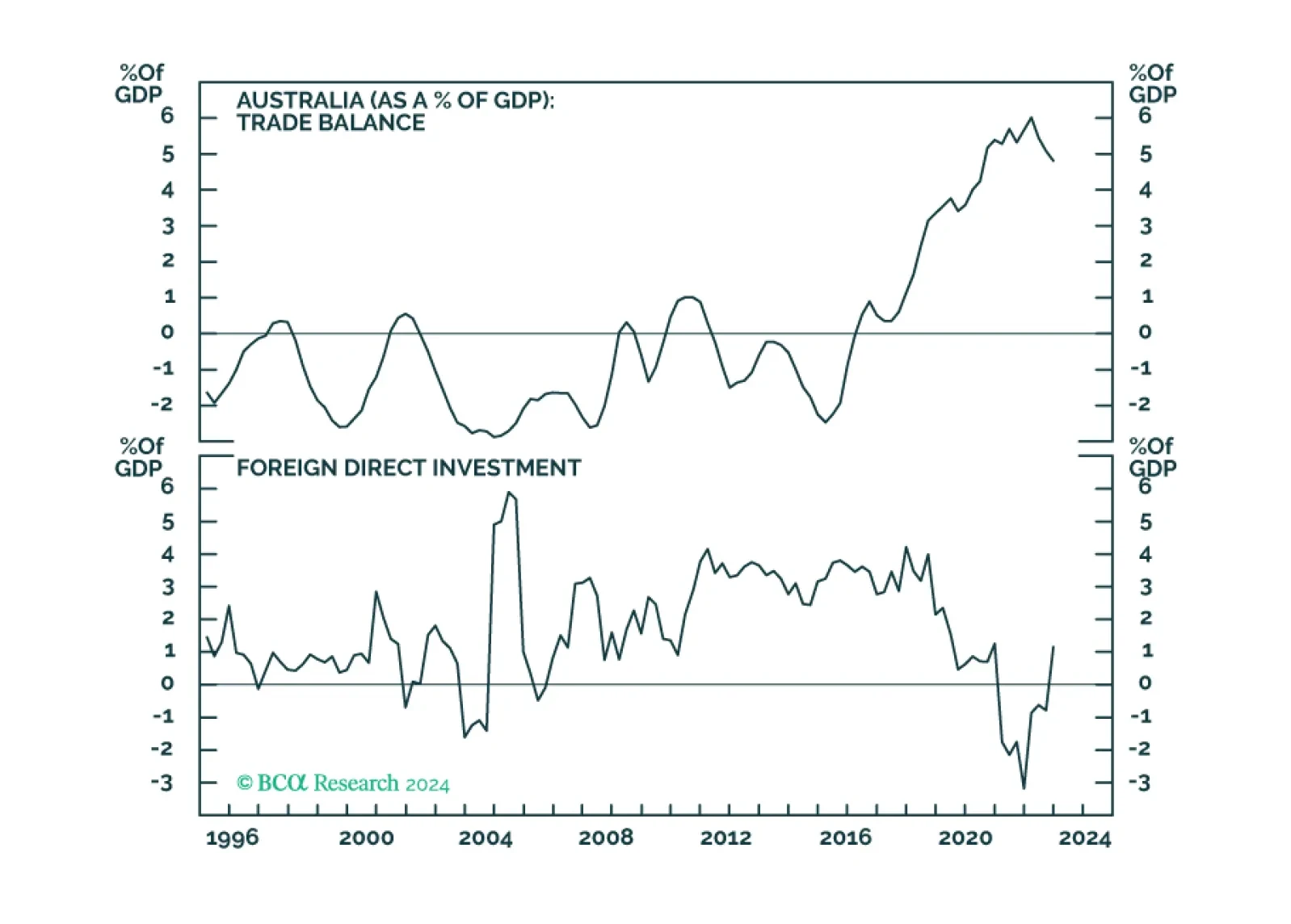
In this Insight, we revisit our long AUD trades, after the upgrade from our attractiveness ranking last week.
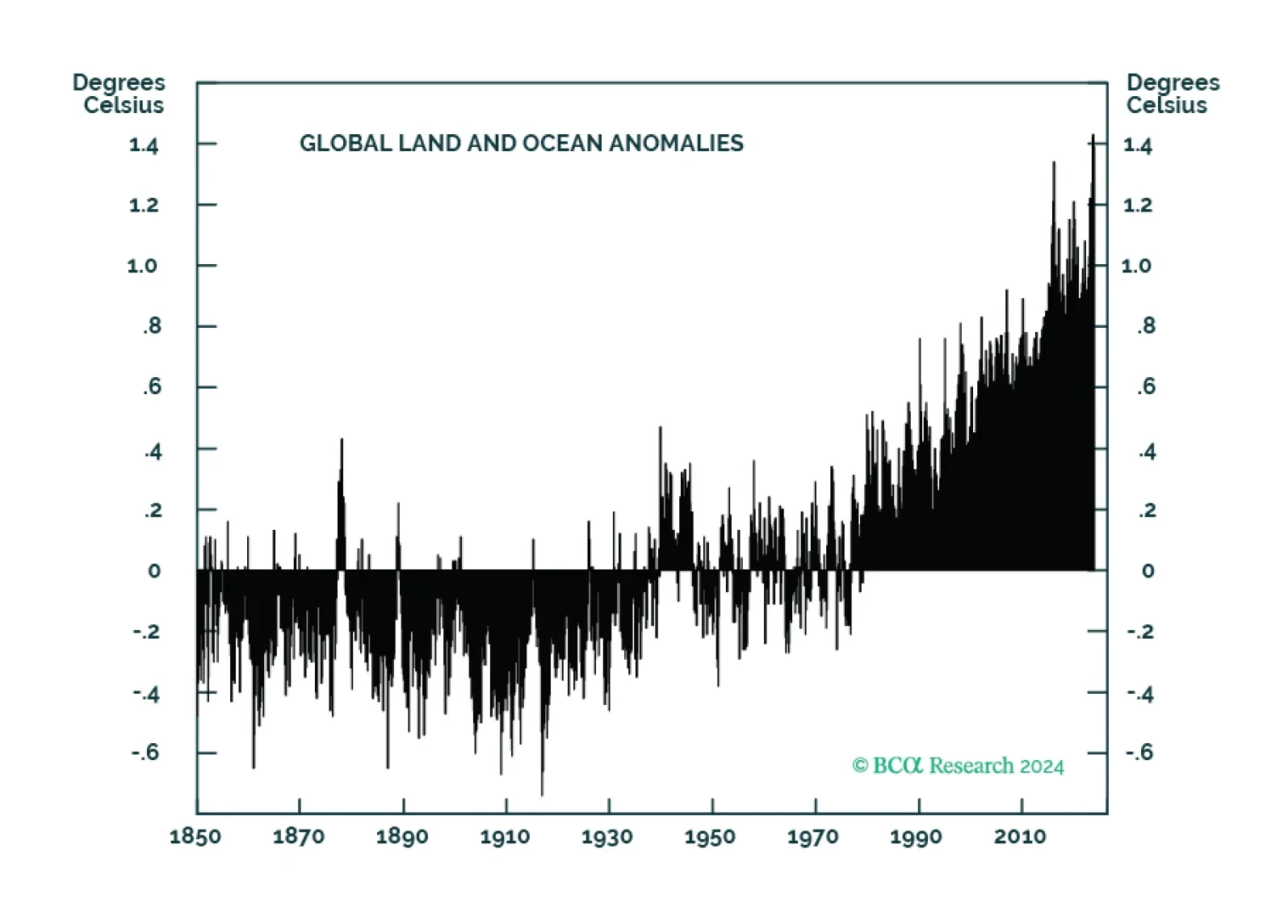
Global ag markets will become more volatile as anthropogenically induced climate change continues to degrade farmland. This will make price signals emanating from these markets less efficient in terms of processing supply-demand fundamentals. All else equal, food prices likely move higher, which will contribute to inflationary biases in the medium-to-long run. Investors will continue to seek out farmland investments as a way to diversify portfolio risk and raise absolute returns.