 Explore FICC
FICC | Commodities
Global macro commodity and energy coverage, combining top-down and bottom-up fundamental research. Typically published twice a month.
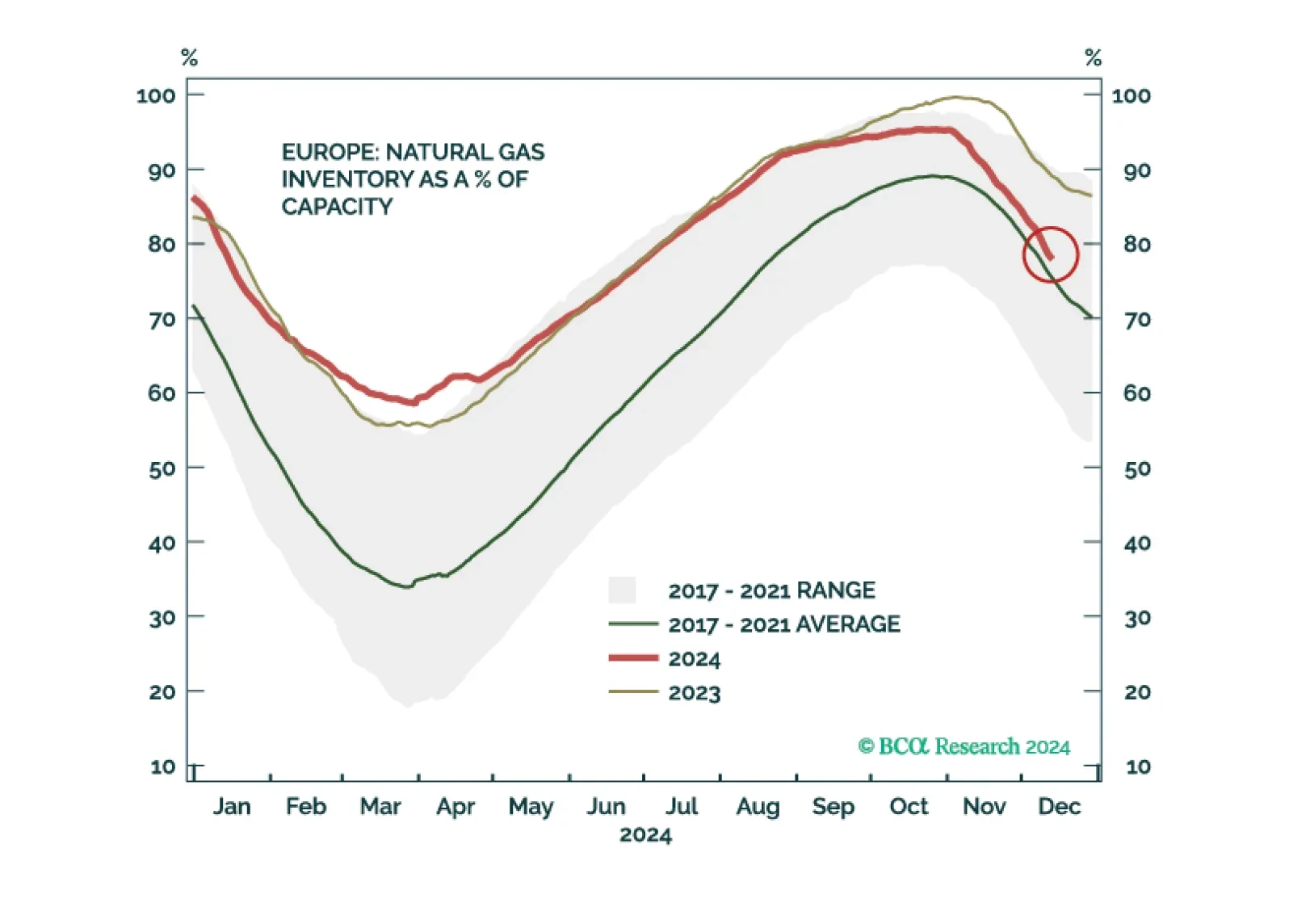
A confluence of both supply and demand factors contributed to the natural gas rally over the past few months. This trend could continue for a while longer. However, cyclical and structural factors ultimately argue against a sustained increase in prices.
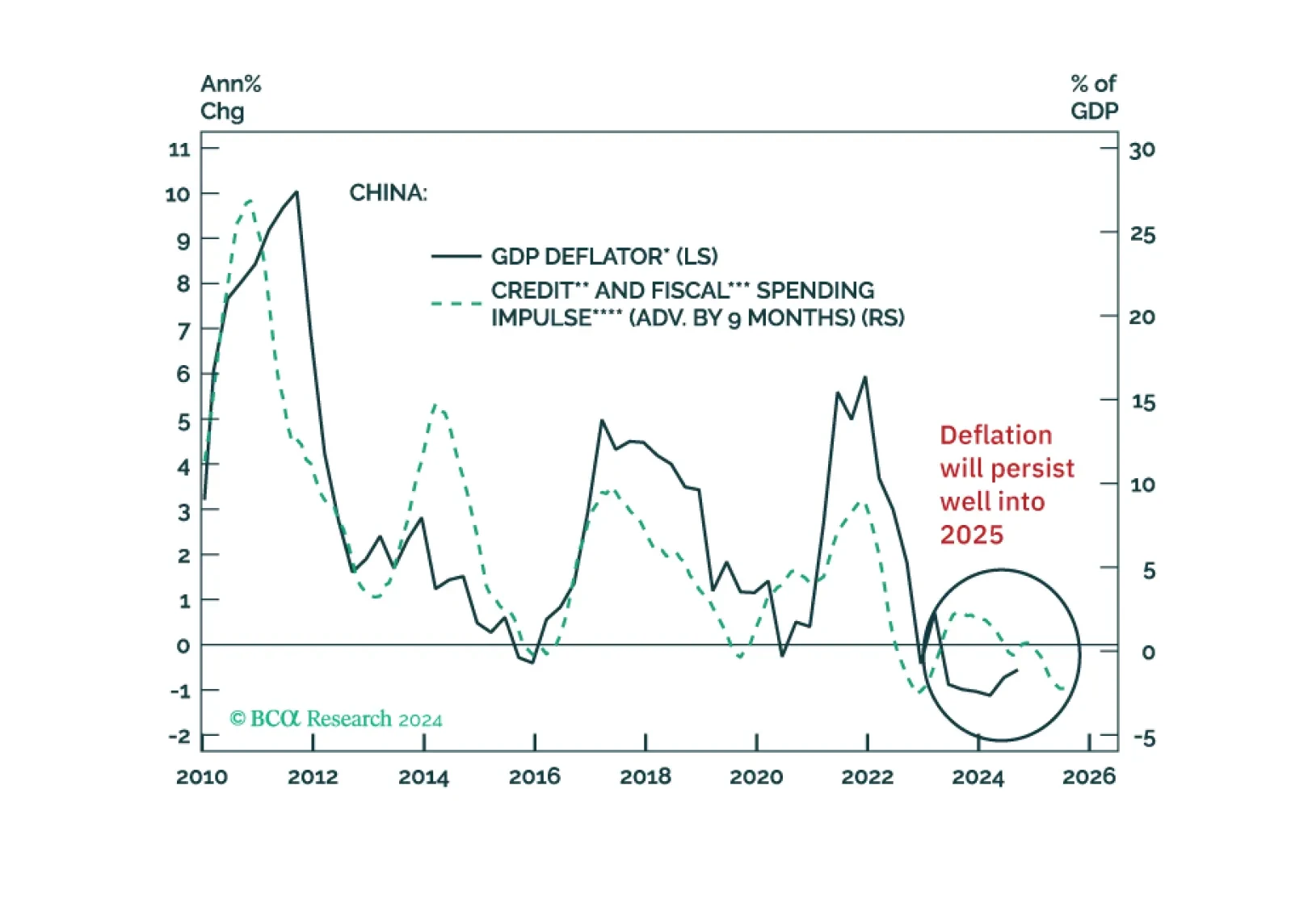
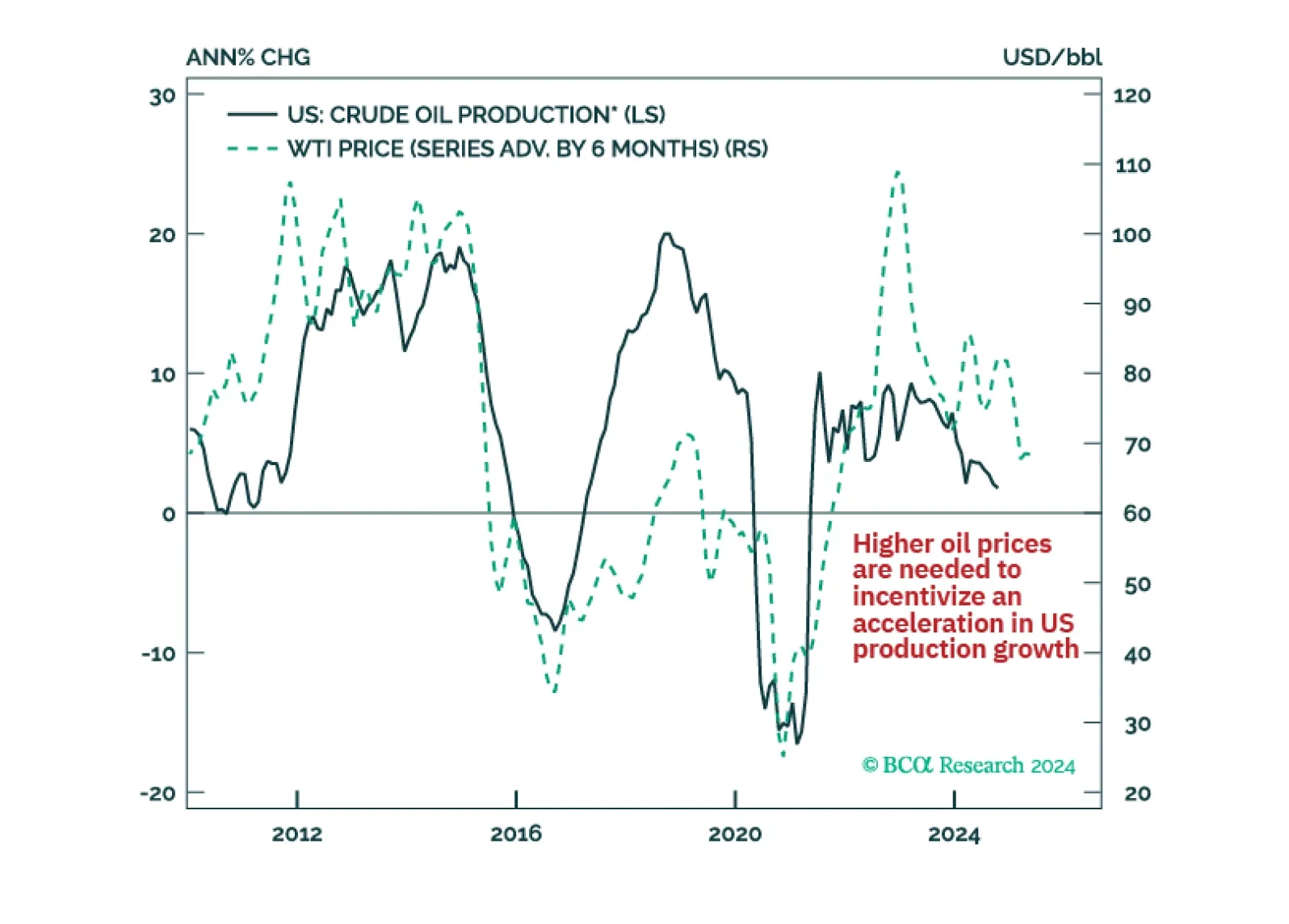
President Trump’s victory has injected a dose of uncertainty into the outlook for commodity markets. Most notably, the new administration’s energy policies are likely to be part of the early agenda. Changes in US domestic and foreign policies will also impact the outlooks for gold and industrial metals. In this Strategy Report we highlight the likely consequence of Trump’s election on the major commodities.
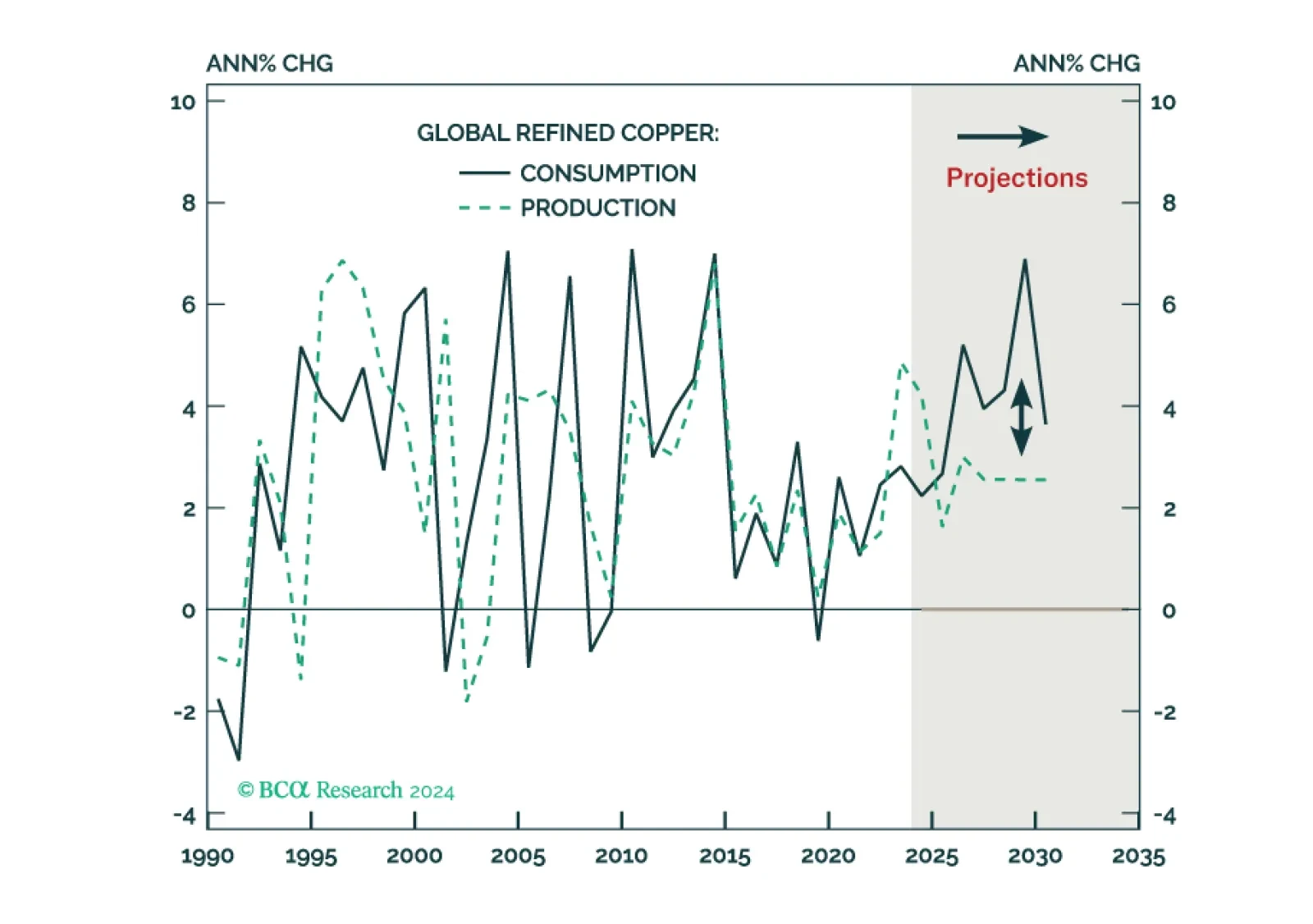
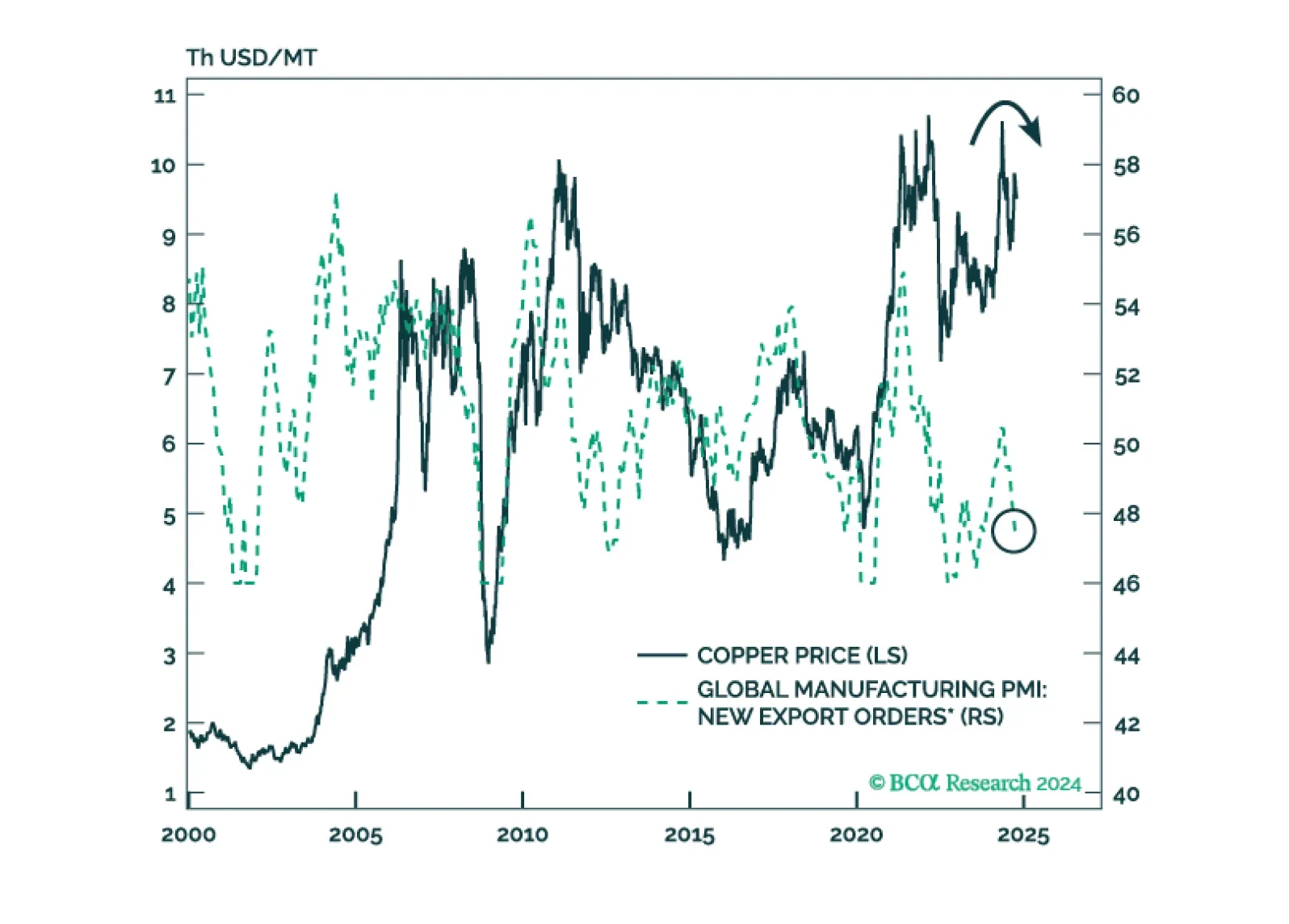
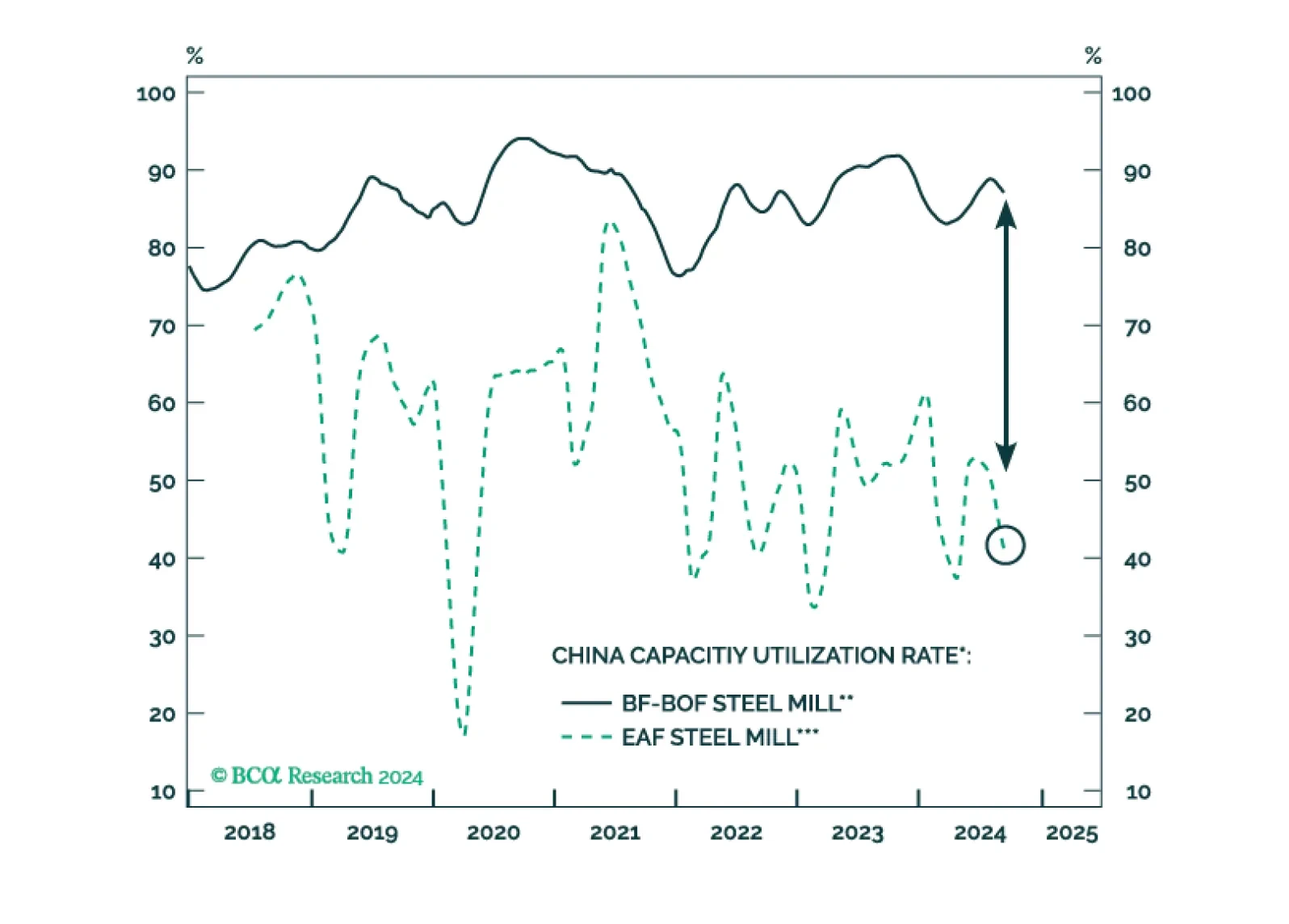
It is premature to bet on a copper demand acceleration over the coming months. Rather, copper prices are vulnerable to the downside. We believe that a better opportunity to turn bullish on copper prices and copper mining stocks will emerge in the coming six-to-nine months.
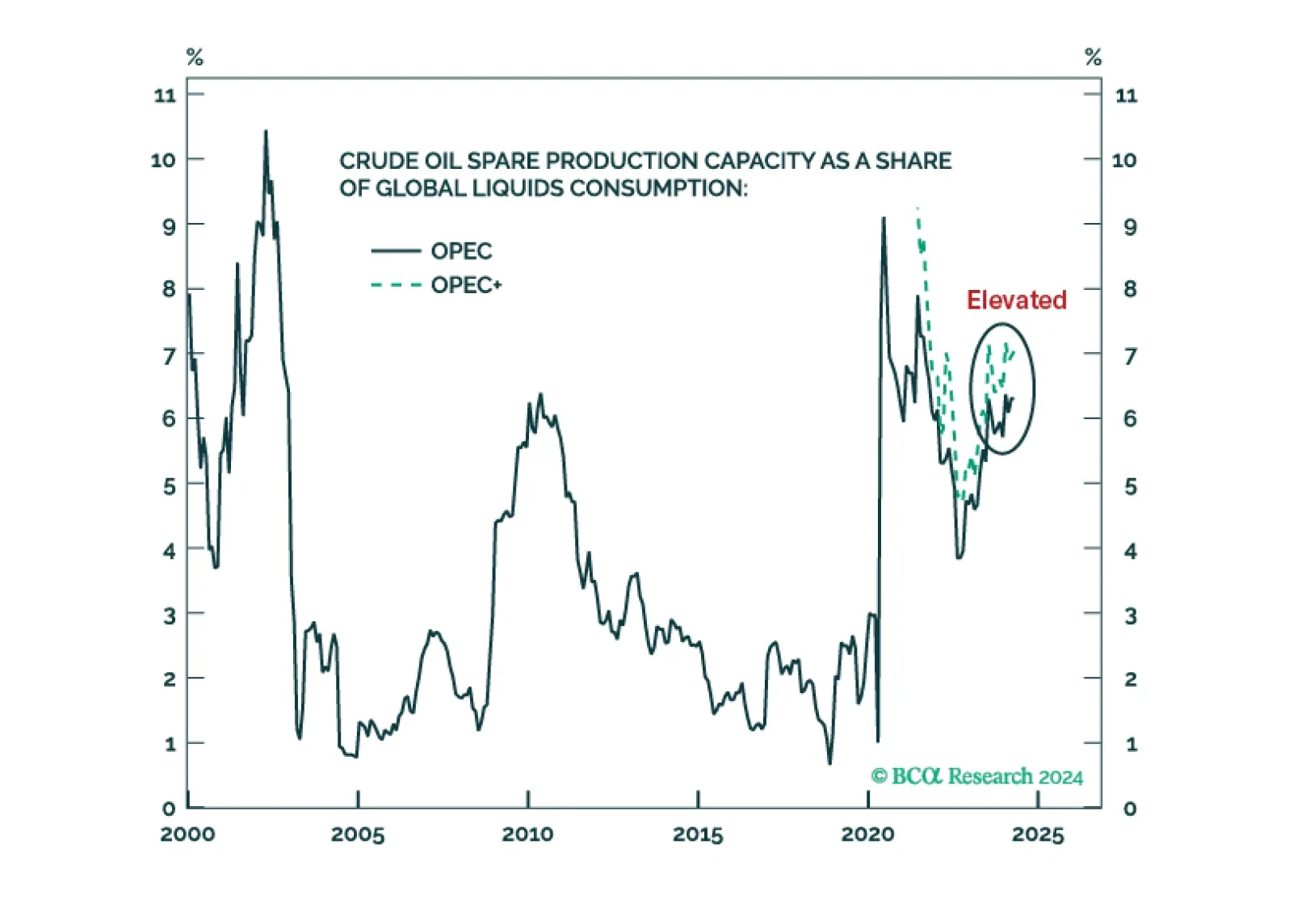
On net, the upside risks to crude prices have increased. These dynamics are likely to produce volatility over the near term. Elevated geopolitical risks could sustain upward pressure on prices over the coming months. Nevertheless, the conditions are not yet in place to warrant a change to our cyclical view.
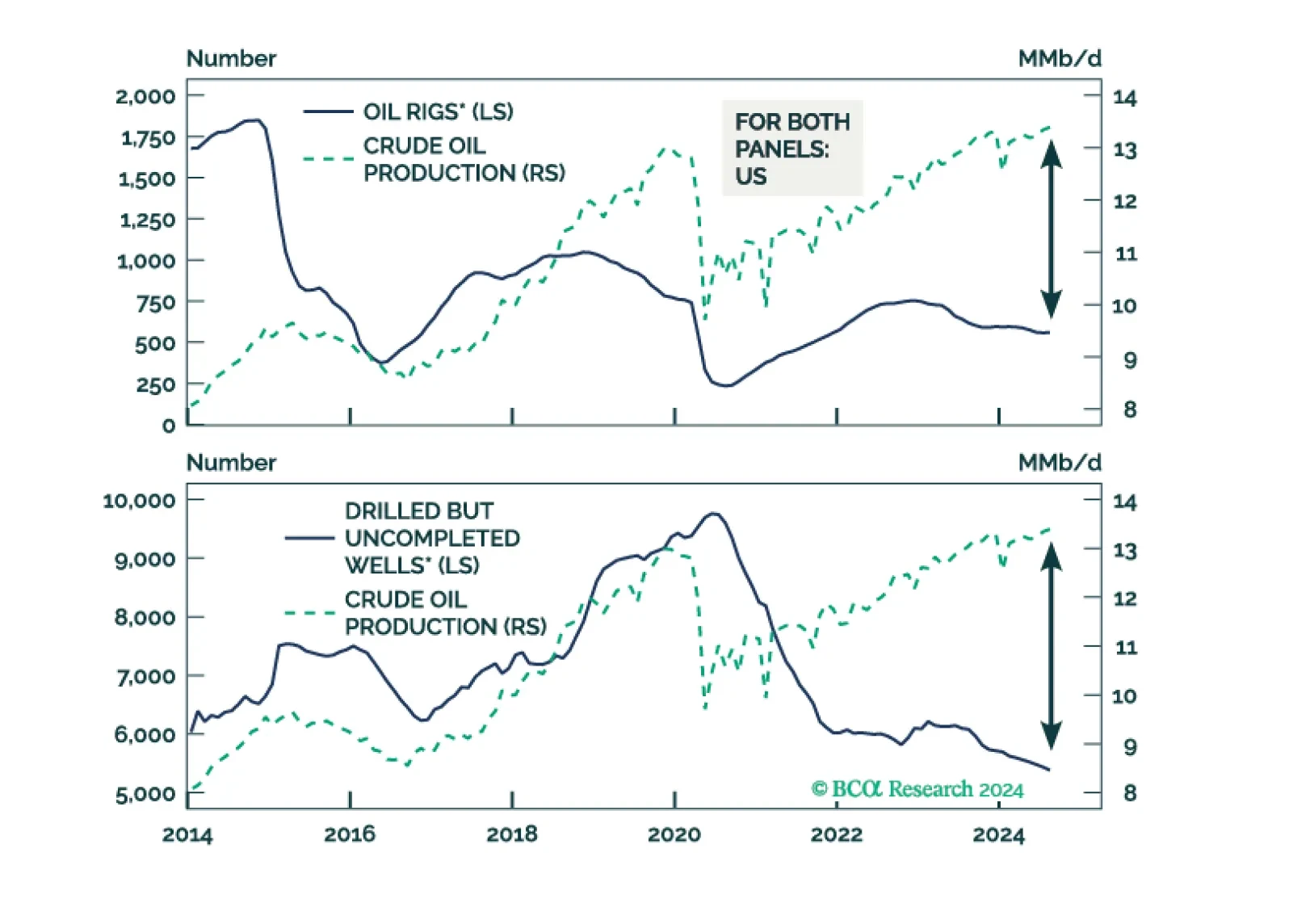
US crude oil output has not peaked. It will continue to increase. A continued expansion of US production, even if it is moderate, along with a possible increase in OPEC+ output, will lead to an oversupplied oil market. Moreover, we expect the demand headwind from the business cycle slowdown to weigh on crude prices. Over a 6-to-12-month horizon, the path of least resistance for oil prices is to the downside.
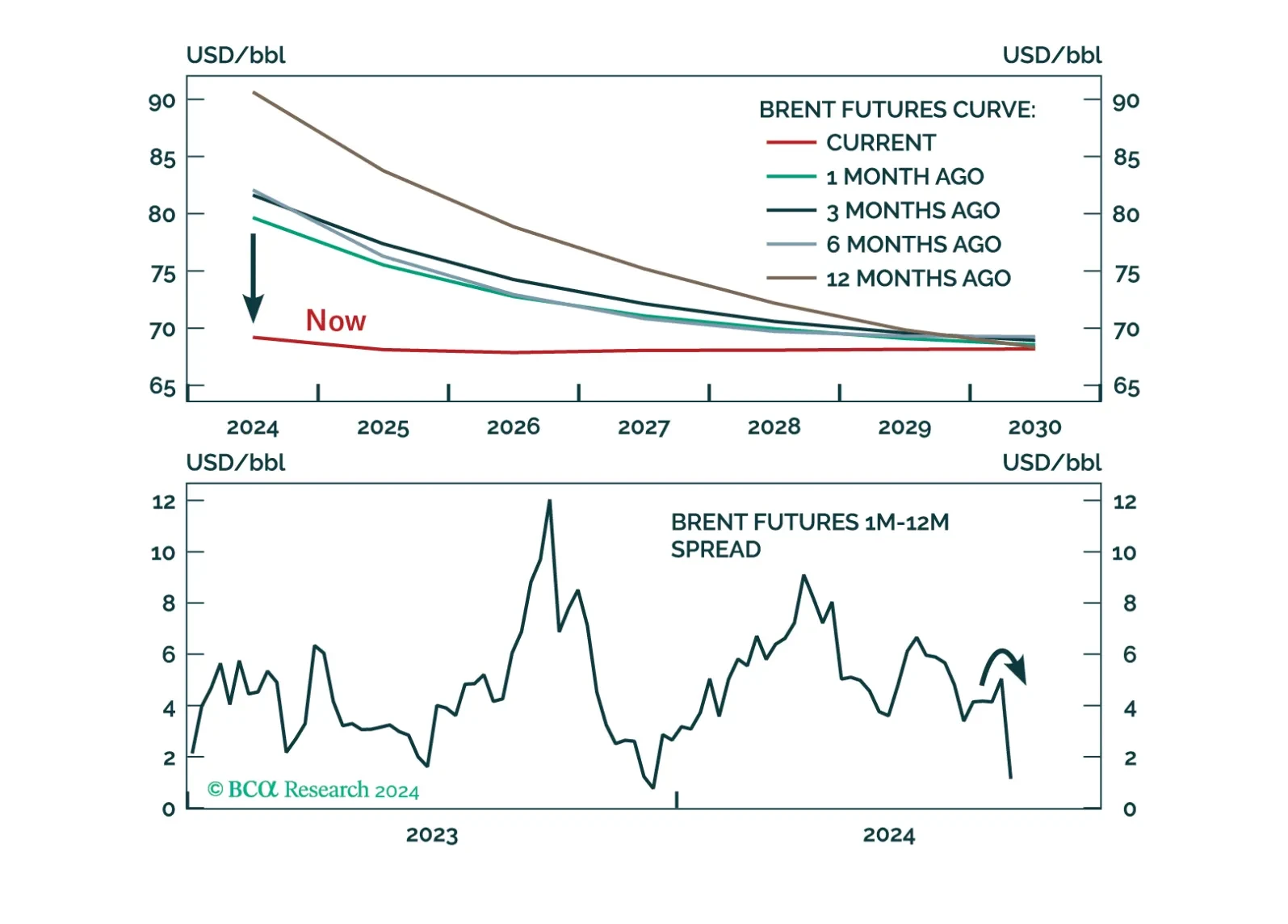
A bearish chill has engulfed oil markets. Earlier this week, Brent dropped to a near three-year low, falling below the trading range that had prevailed over the prior 18 months. In this Strategy Insight we detail why we do not believe that the worst has passed for oil markets. Rather, prices are likely to drop further over a six-to-nine-month horizon.
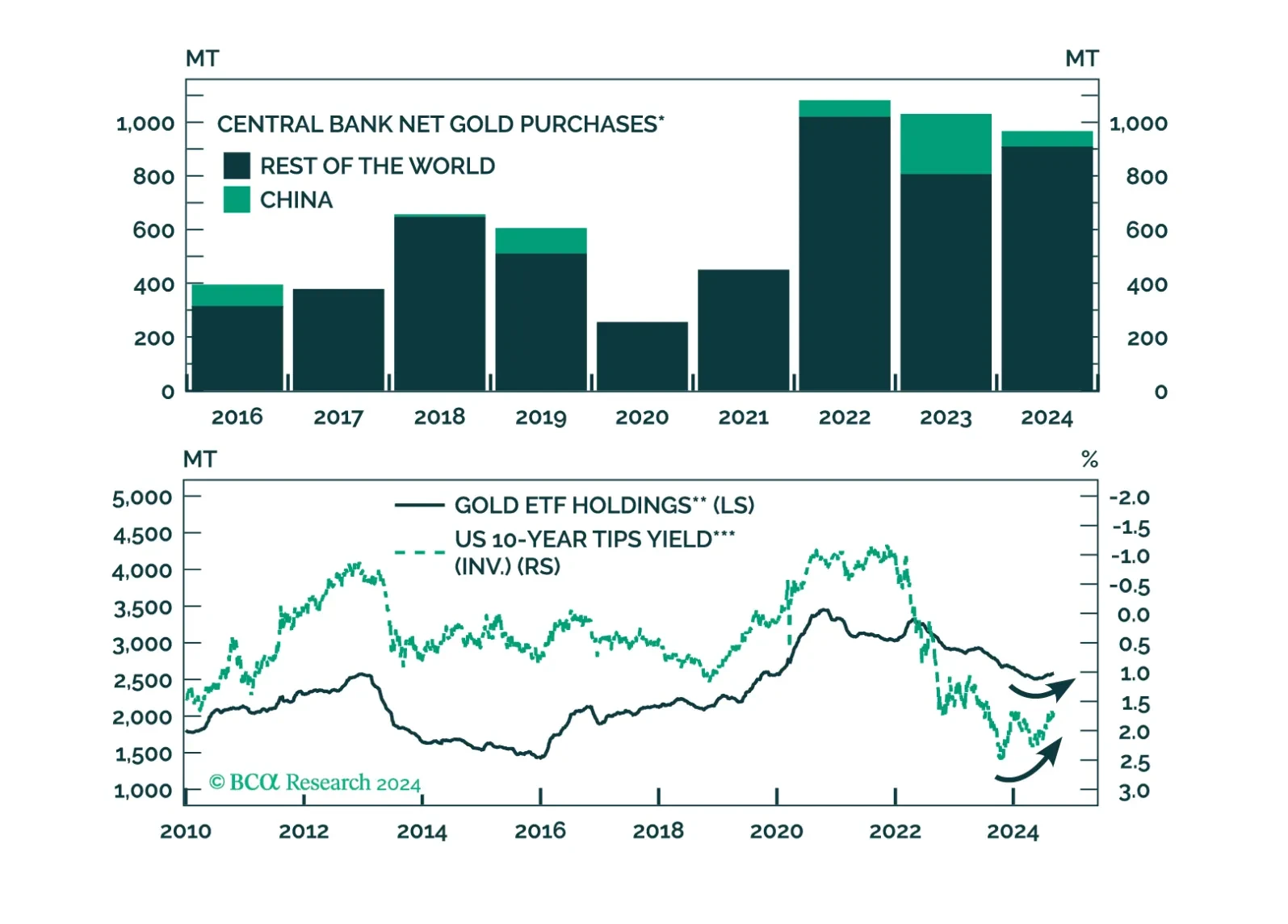
Central bank gold buying is likely to remain a tailwind for the yellow metal, supporting a continuation of the rally over the coming years. We maintain a long strategic position in COMEX gold and recommend an overweight to the yellow metal within commodity portfolios.