FICC | Commodities
Global macro commodity and energy coverage, combining top-down and bottom-up fundamental research. Typically published twice a month.
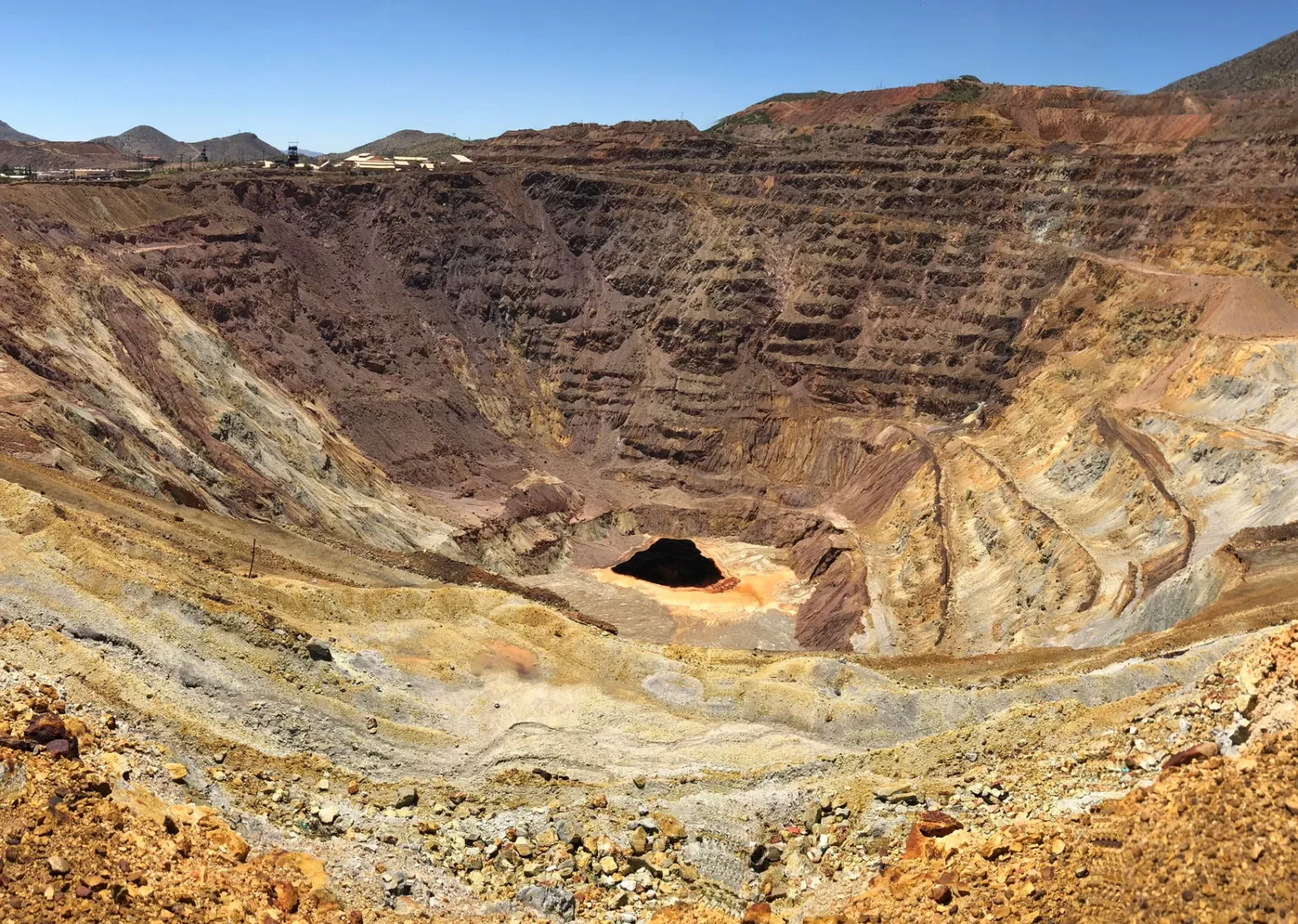
Copper markets will remain tight on the back of growing physical deficits and pressure on capex. Policy-rate increases by central banks, uncertainty over re-opening in China and its fiscal-stimulus plans in the short run restrain risk taking. In the long run, the implications of China’s inward turn will keep supply-concentration risk for metals high, given its dominance of base-metals refining globally. Notwithstanding the disconnect between physical and futures markets, we remain bullish metals mining equities, and remain long the XME ETF.

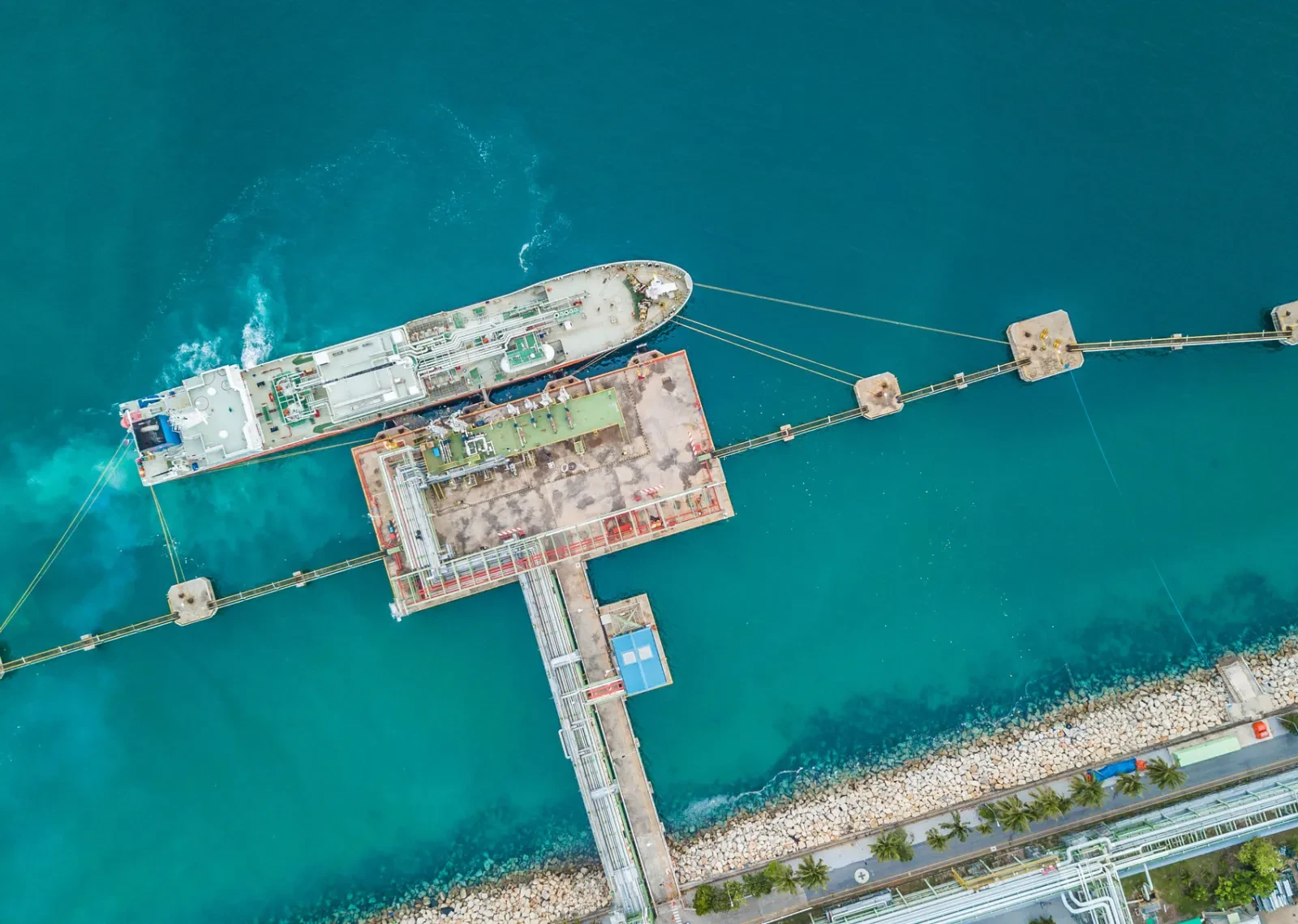
Despite uncertainty and intrusive government policy, natural gas and oil markets have managed to direct much-needed supplies to Europe going into winter. Natgas markets attracted massive LNG inflows – at a cost of record-high prices – that now leave the continent’s on-land storage close to full. A floating LNG market now exists on Europe’s Atlantic Coast – made possible by spot prices at the Dutch Title Transfer Facility trading ~ 40% below 1Q23 futures. The TTF futures contango market structure allows unsold cargoes to be stored on vessels off the coast of Europe until needed this winter via hedging (e.g., buy spot, sell 2- to 3-month-forward futures to lock in storage costs). This expands storage for the continent, leaving the EU in much better shape to weather the loss of Russian pipeline gas.

Monetary and energy policy errors will keep oil- and gas-price volatility elevated. This will continue to weaken capex in conventional and renewable energy. Headline inflation will remain elevated. We remain long the XOP ETF, to retain exposure to the equities of oil and gas producers, which will benefit from these policy errors.

OPEC 2.0’s decision to cut 2mm b/d of output beginning in December telescopes the loss of Russian volumes we expect over the course of the coming year. OPEC 2.0 clearly is not playing by the G7’s or the US’s rules. This will keep prices volatile.