 Explore FICC
FICC | Commodities
Global macro commodity and energy coverage, combining top-down and bottom-up fundamental research. Typically published twice a month.

The CCP is poised to roll out a re-boot of China’s economy that will focus on its comparative advantage in the processing of base metals – particularly copper – and the export of metals-intensive products like EVs. The re-boot will emphasize deeper policy coordination to revive construction, manufacturing, exports and renewed efforts to attract and retain FDI. This will be bullish for commodities – particularly conventional energy and metals – as funding flows to SOEs.

We expect the CCP to pivot toward more fiscal stimulus – and less credit stimulus – this year, which will put a bid under energy and metals prices. On the back of this view, at tonight’s close we are getting long 4Q23 Brent futures vs short 4Q24 futures, and re-establishing our XME and PICK ETF positions expecting higher prices and steeper backwardations in metals markets. We also are getting long 4Q23 COMEX copper vs short 4Q24 futures.

EM oil demand remains resilient and will continue to be propelled by global growth this year. Supply management by OPEC 2.0 and production discipline outside the coalition will be maintained, forcing inventories lower. Recent price weakness – largely reflecting political uncertainty – has pulled our 2023 Brent forecast down to $90/bbl (from $95/bbl); our 2024 forecast remains at $115/bbl.

The crisis hitting regional and local banks in the US is adding to oil-price volatility and gold demand. The crisis arguably is fallout from the Fed’s aggressive monetary policy tightening, and contributes to the upending economic relationships that reliably informed policy, investments and forecasts in the past. This feeds into higher price volatility, which reduces liquidity in the short run, and impedes capex in the long run, which limits future supply growth.

The initial phase of the EU’s ambitious CBAM will launch 1 October and will begin collecting a carbon tax in 2026. Between now and then, it will be challenged as it attempts to put a price tag on CO2 emissions as imports cross the EU border. The CBAM will impart an inflationary bias in EU commodity and goods markets as 2026 draws near and importers have to secure EU ETS credits, the number of which, by design, will contract over time.

Fertilizer prices will continue to move lower as the natgas price shock touched off by the Russian invasion of Ukraine dissipates. As a result, we expect grain prices to soften another 10% this year. Food-price inflation will move lower over the course of the year as grain prices weaken, provided a weather- or geopolitical shock does not once again send natgas prices higher.

We are increasing our gold price target to $2,200/oz, given the increasing risk of fiscal dominance in the US, rising geopolitical risk, the return of trading blocs and currency debasement risk. These risks also will increase economic uncertainty, which also will be bullish for gold.

The Gulf’s political economy – particularly that of KSA – drives the supply side of oil-price discovery. This has been evolving since 2017, when OPEC 2.0 was formed. It is now fundamental to the market. We expect Brent to average $95/bbl this year, unchanged from last month, and $115/bbl (up $5/bbl vs. last month). WTI will trade $4-$6/bbl below Brent over the forecast interval. We remain long the XOP and COMT ETFs.
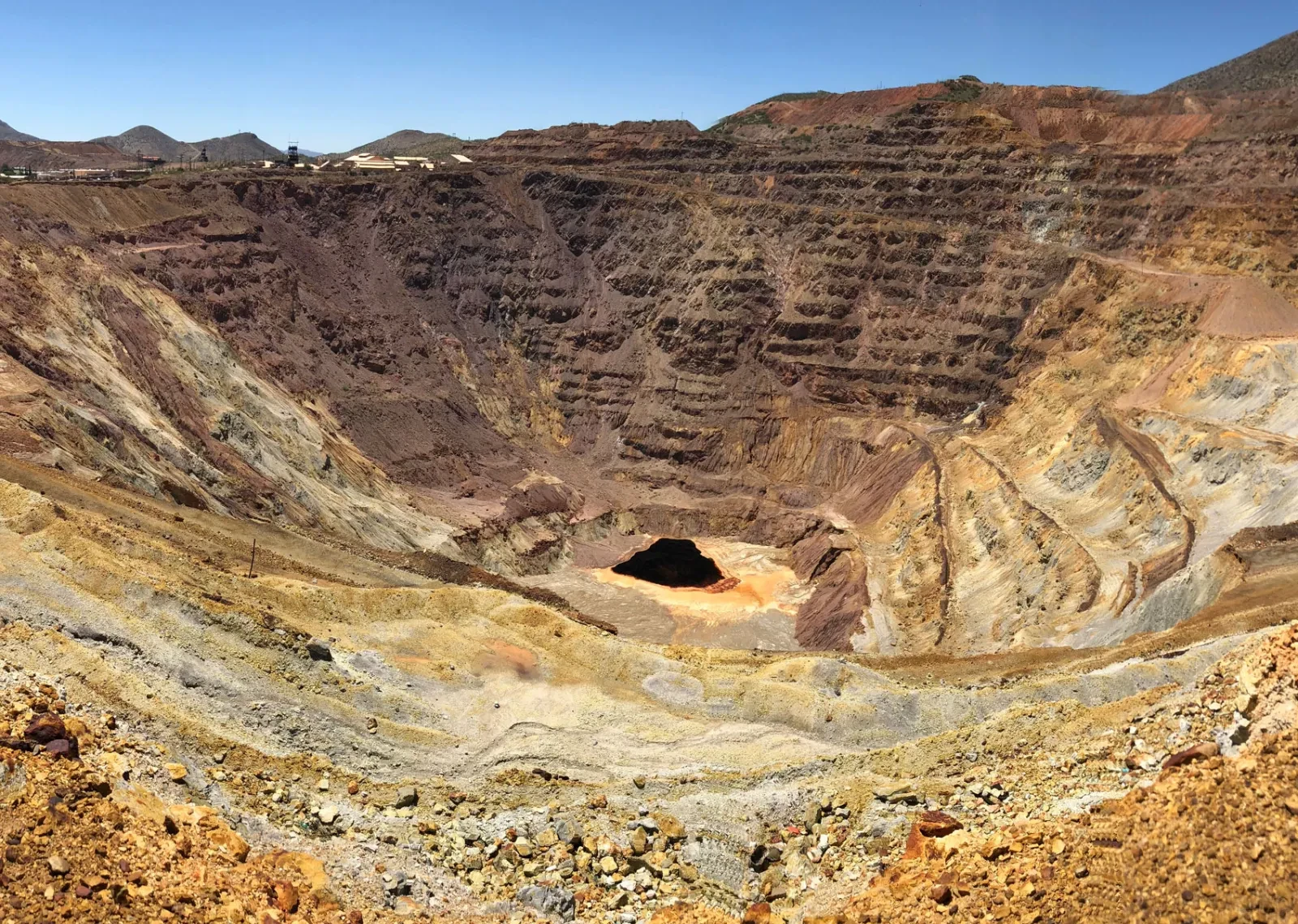
Tight monetary policy will suppress copper capex. Loose fiscal policy, which is lavishing stimulus on energy and defense firms, will stoke copper demand. Constrained copper supply and turbo-charged demand will feed into headline inflation. If the CCP adopts large-scale monetary stimulus to break its liquidity trap, inflation pressures will rise. This global policy mix will bolster oil and gas demand well beyond the 2050 target for net-zero emissions, given the long lead times to bring new copper supply online. We remain long the XOP and XME ETFs, and the COMT ETF to retain exposure to tightening supplies and rising demand for copper and oil.

The OPEC 2.0 supply cuts announced over the weekend will be fundamentally bullish international crude oil prices. According to our model, brent will cross the USD 100/bbl mark by August this year. We believe the cohort is pre-emptively cutting oil supply in response to threats to their economic interest, including risks arising from the higher possibility of recession and rising market volatility following the banking crisis.