Latest from BCA Research
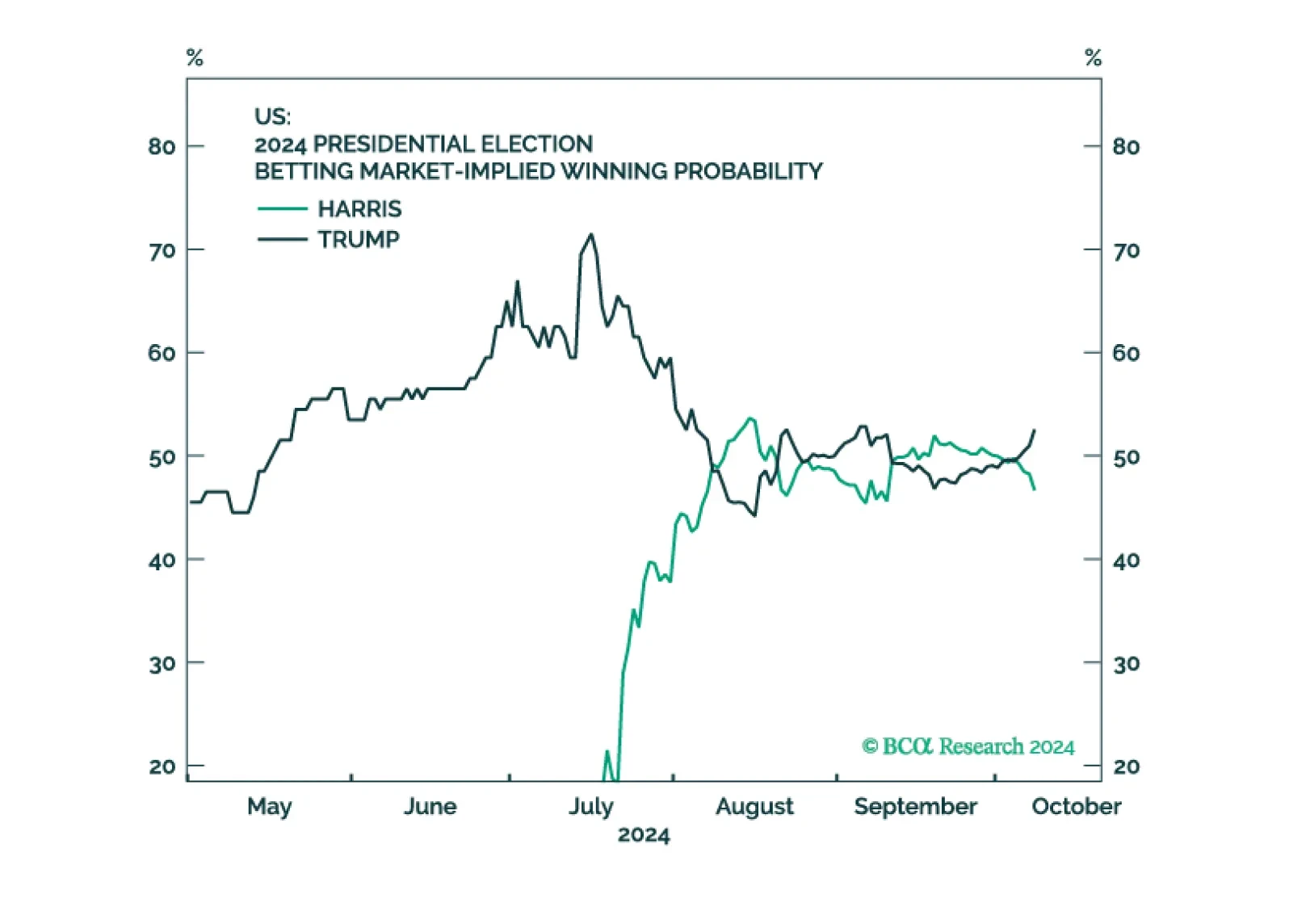
The month of October ahead of a US general election tends to be a volatile month with negative outcome for equities. As such, it is prudent to remain on the sidelines until after the election.

The US election underscores three long-term trends of Generational Change, Peak Polarization, and Limited Big Government. Investors should expect more volatility around the election and should assess the results before adding more risk. While we predicted the October surprise from the Middle East, more surprises are coming before the final vote is cast.
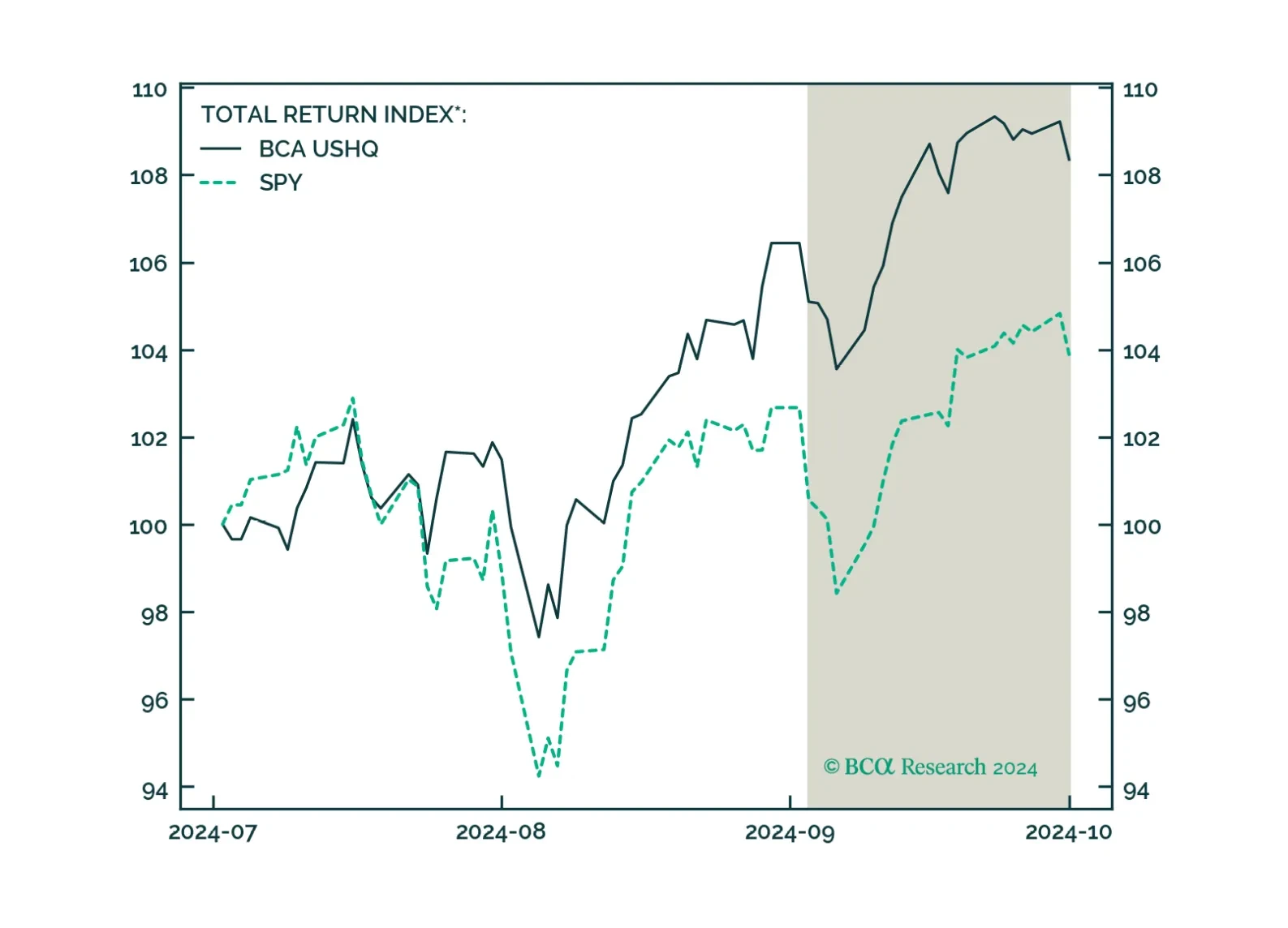
The BCA Score L/S pure factor was marginally up on the month, returning 0.80%. More positively, the factor spectrum was led by Technical (6.1%) and Quality (2.5%). The USHQ portfolio marginally underperformed its benchmark in September. Specifically, the SPY benchmark returned 3.3% and the USHQ portfolio returned 3.1%. Positively, the USHQ portfolio showed strong outperformance through Q3, posting a return of 8.4% vs. the SPY at 3.9% The USHQ portfolio is still well positioned to recapture alpha over its benchmark through the remainder of 2024.
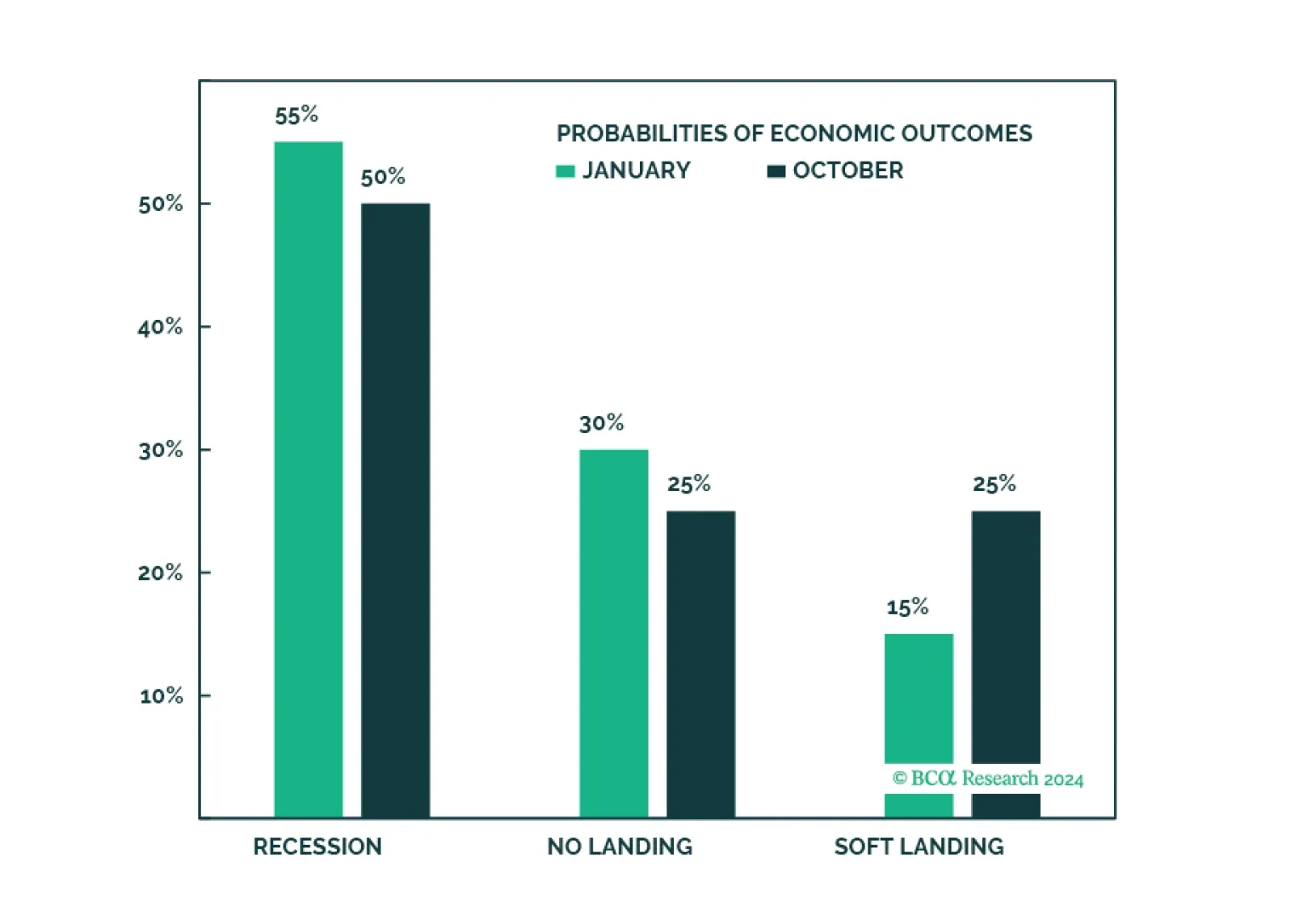
Recent data releases and revisions indicate that the US economy is stronger than initially reported, reducing the odds of a recession. While we harbor concerns about the reliability of the data, for now, it appears that aggressive monetary easing is taking place against the backdrop of a strong economy. If that is indeed the case, the economy may overheat again. This warrants portfolio rebalancing away from sectors that offer downside protection in a downturn, such as Telecom and Utilities, to sectors that outperform in a no-landing scenario, such as Energy.
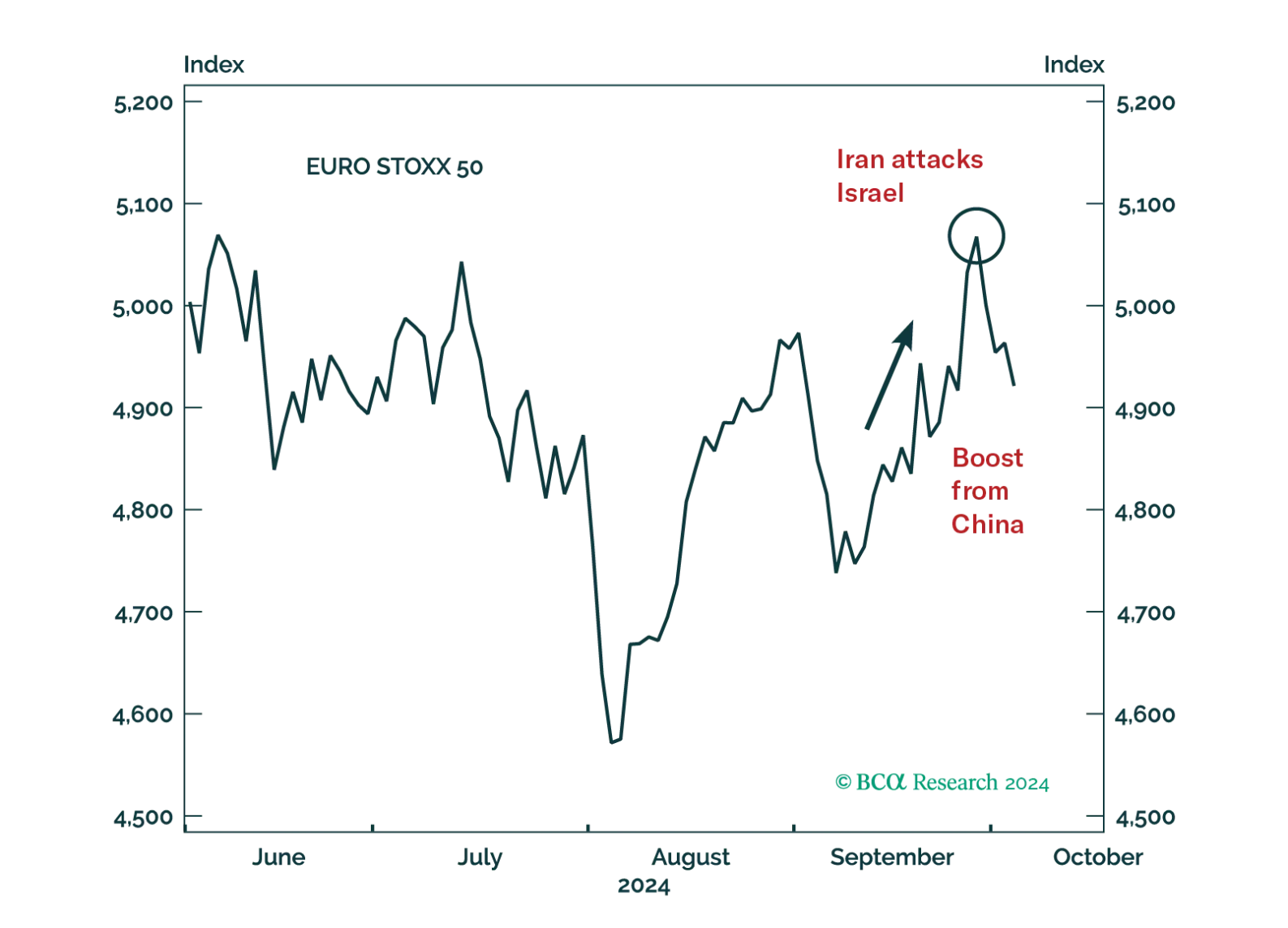
European equity markets are on a roller-coaster ride. Geopolitical tensions and a deteriorating economic outlook are weighing down on equities. More easing from the ECB now that inflation is back at target will not save the day.
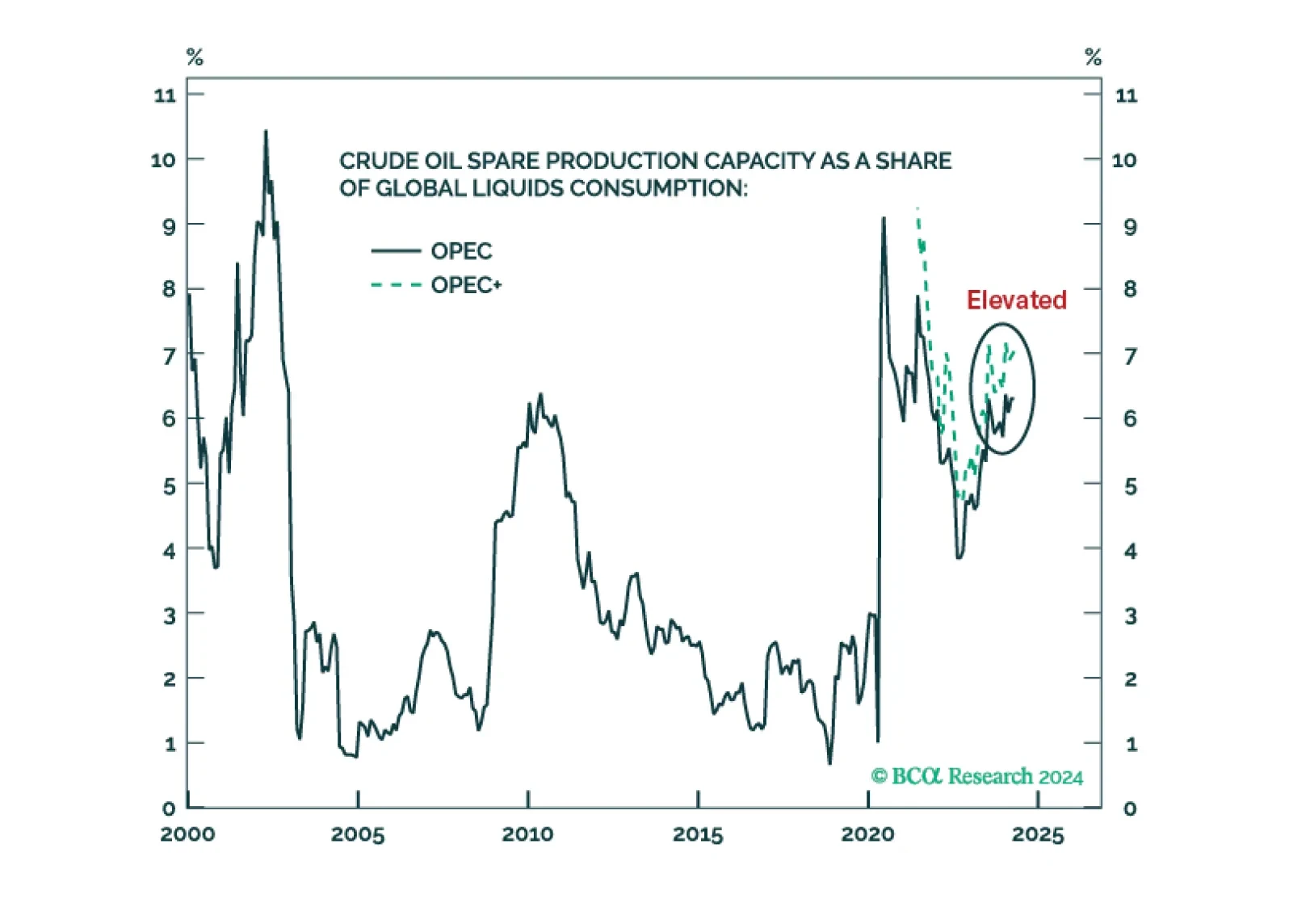
On net, the upside risks to crude prices have increased. These dynamics are likely to produce volatility over the near term. Elevated geopolitical risks could sustain upward pressure on prices over the coming months. Nevertheless, the conditions are not yet in place to warrant a change to our cyclical view.

This report looks at the likely path for the dollar and bond yields over the next 6-to-12 months.
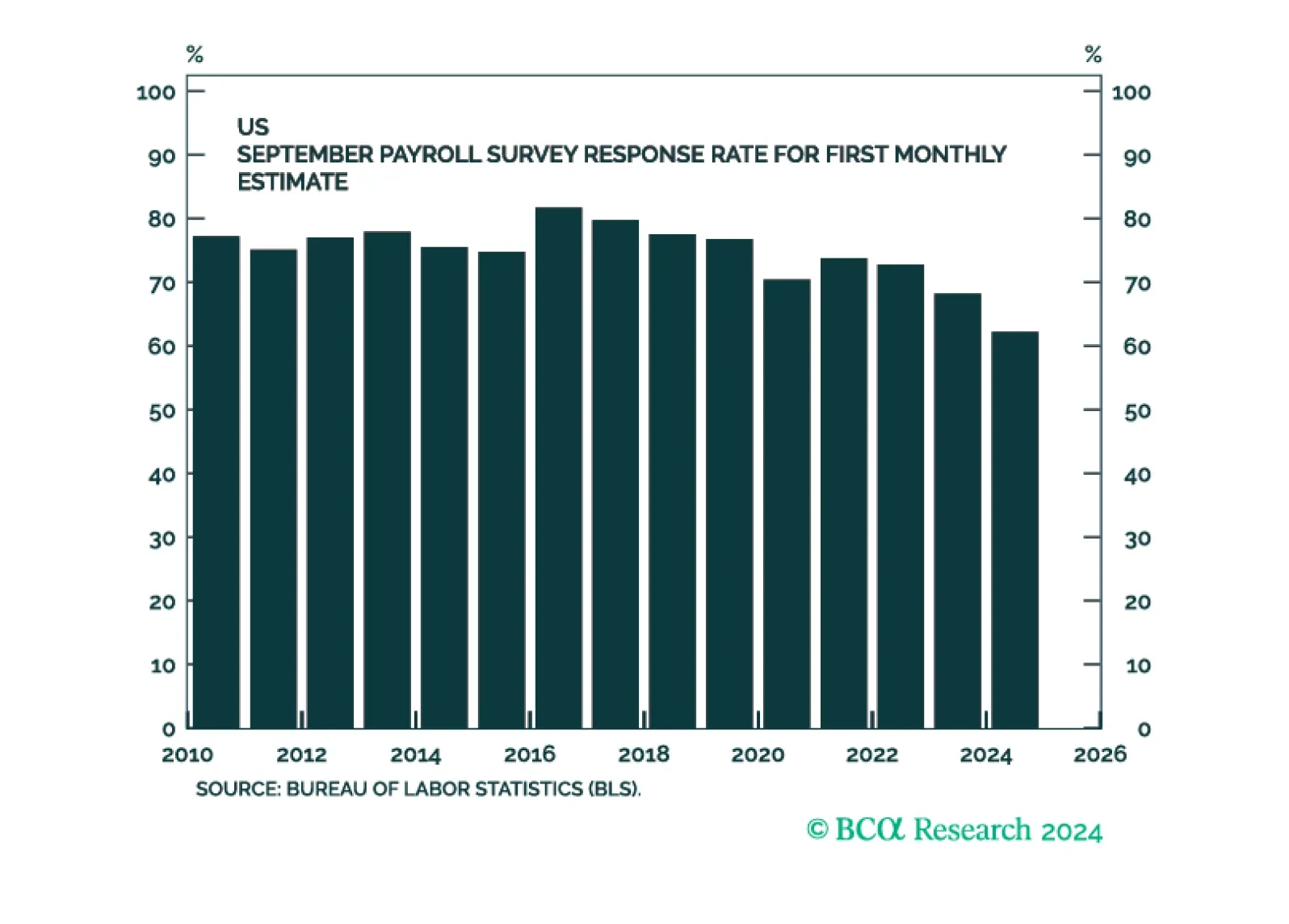
I am starting to regret my decision to join the dark side a few months ago. The September jobs report was very strong. In the spirit of being a good Bayesian and adjusting my credences based on new information, I am revising down my 12-month US recession probability from 70% to 60% and shifting the likely start date of the recession into the first half of 2025 (previously, I had said late 2024 or early 2025).
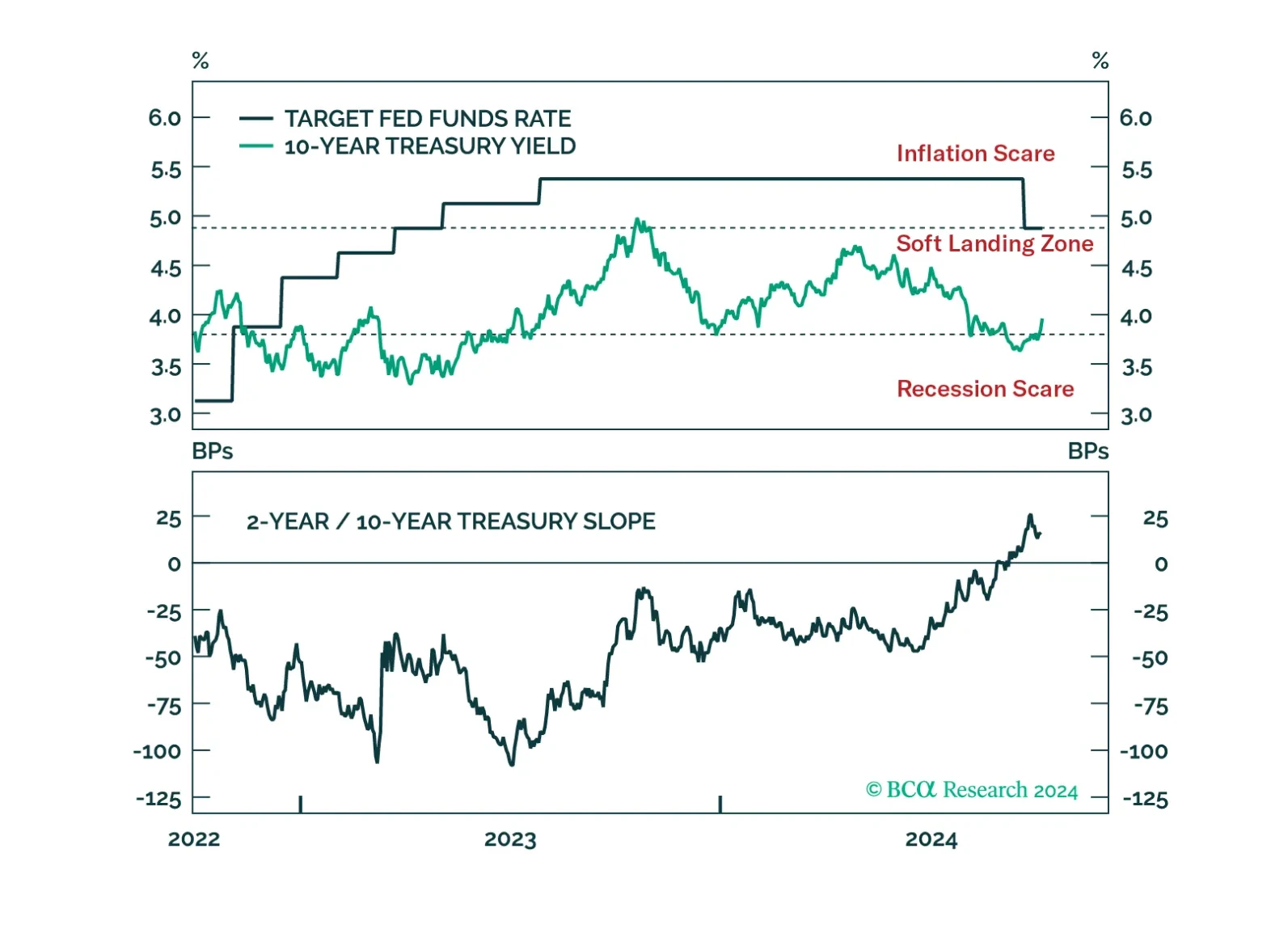
The bond market priced out a lot of recession risk after this morning’s employment report, and the 10-year Treasury yield has moved back into the Soft Landing Zone. We assess the data and consider whether we need to change our cyclical positioning.
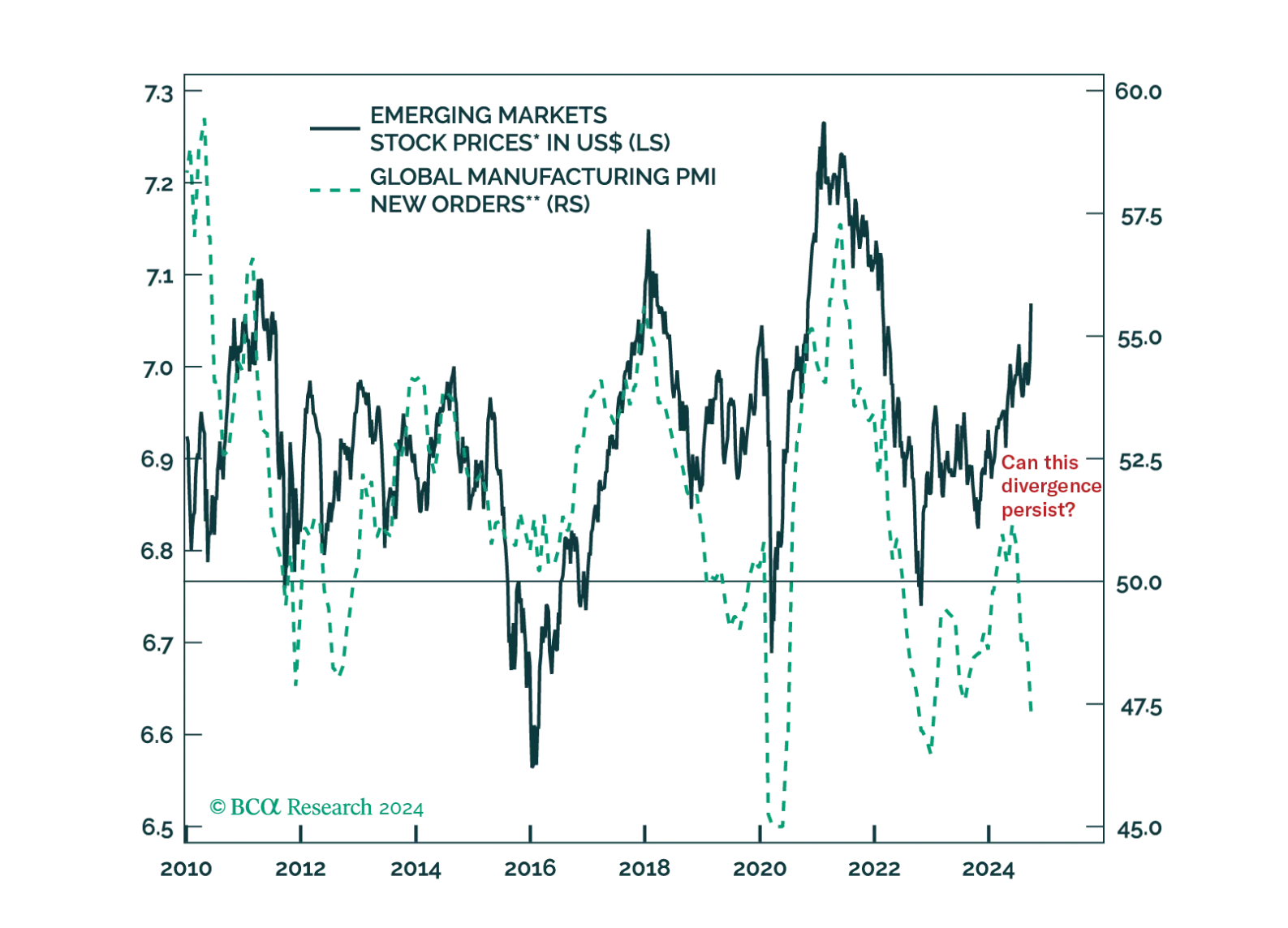
Conditions are not yet in place for going long EM stocks in absolute terms and upgrading their allocation from neutral to overweight relative to global equities. The broad trade-weighted US dollar will likely rebound in the next three-to-four months, and global trade will contract. The recent weakness in the US dollar is driven by the narrative that the Fed’s easing cycle is bearish for the greenback, but we believe this thesis is flawed.