 FICC
FICC
Find out more



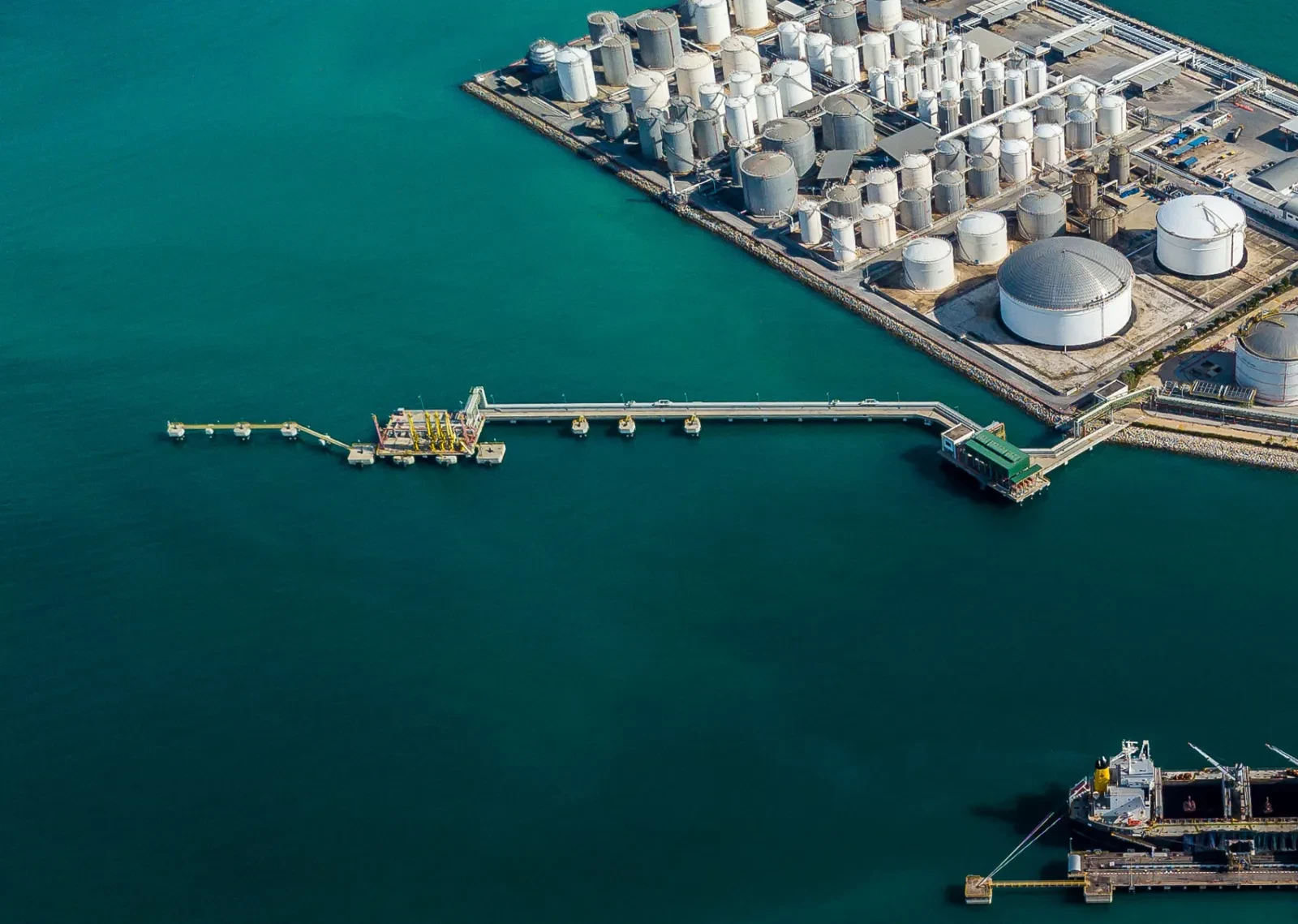
EM oil demand remains resilient and will continue to be propelled by global growth this year. Supply management by OPEC 2.0 and production discipline outside the coalition will be maintained, forcing inventories lower. Recent price weakness – largely reflecting political uncertainty – has pulled our 2023 Brent forecast down to $90/bbl (from $95/bbl); our 2024 forecast remains at $115/bbl.

The change in the BoE’s tone has likely altered the path for sterling. In this report, we explore if the BoE’s lens for monetary policy is justified, and provide some targets for the pound.

The change in the BoE’s tone has likely altered the path for sterling. In this report, we explore if the BoE’s lens for monetary policy is justified, and provide some targets for the pound.
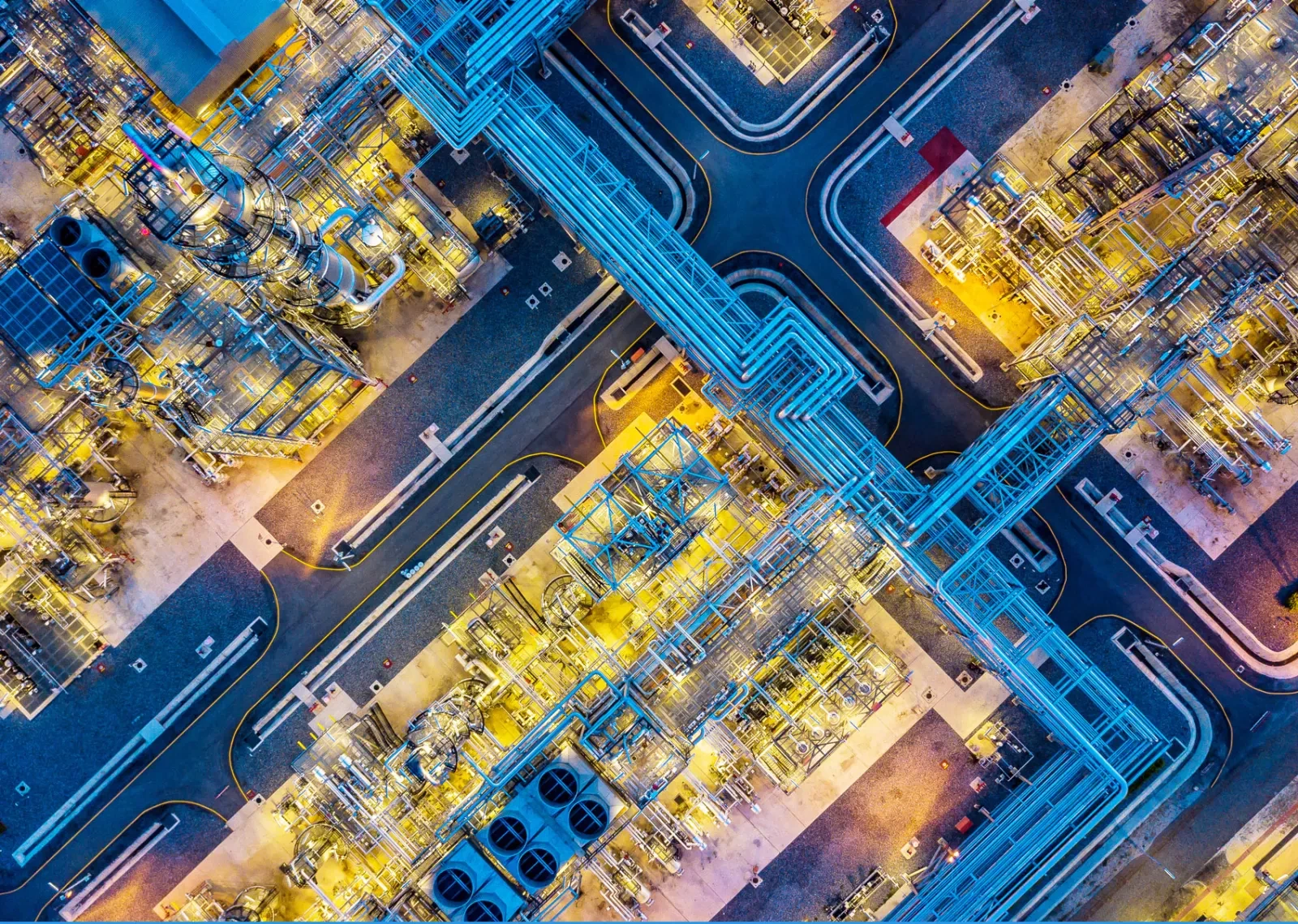
The crisis hitting regional and local banks in the US is adding to oil-price volatility and gold demand. The crisis arguably is fallout from the Fed’s aggressive monetary policy tightening, and contributes to the upending economic relationships that reliably informed policy, investments and forecasts in the past. This feeds into higher price volatility, which reduces liquidity in the short run, and impedes capex in the long run, which limits future supply growth.

April’s CPI report was soft enough to justify a Fed pause in June. However, the overall economic data still don’t justify the magnitude of rate cuts priced into the yield curve.

The ECB continues to focus on lagging indicators and risks once again to cause a policy error that unduly hurts European growth. What does it mean for investors?

The initial phase of the EU’s ambitious CBAM will launch 1 October and will begin collecting a carbon tax in 2026. Between now and then, it will be challenged as it attempts to put a price tag on CO2 emissions as imports cross the EU border. The CBAM will impart an inflationary bias in EU commodity and goods markets as 2026 draws near and importers have to secure EU ETS credits, the number of which, by design, will contract over time.