Skip to main content

Latest from BCA Research
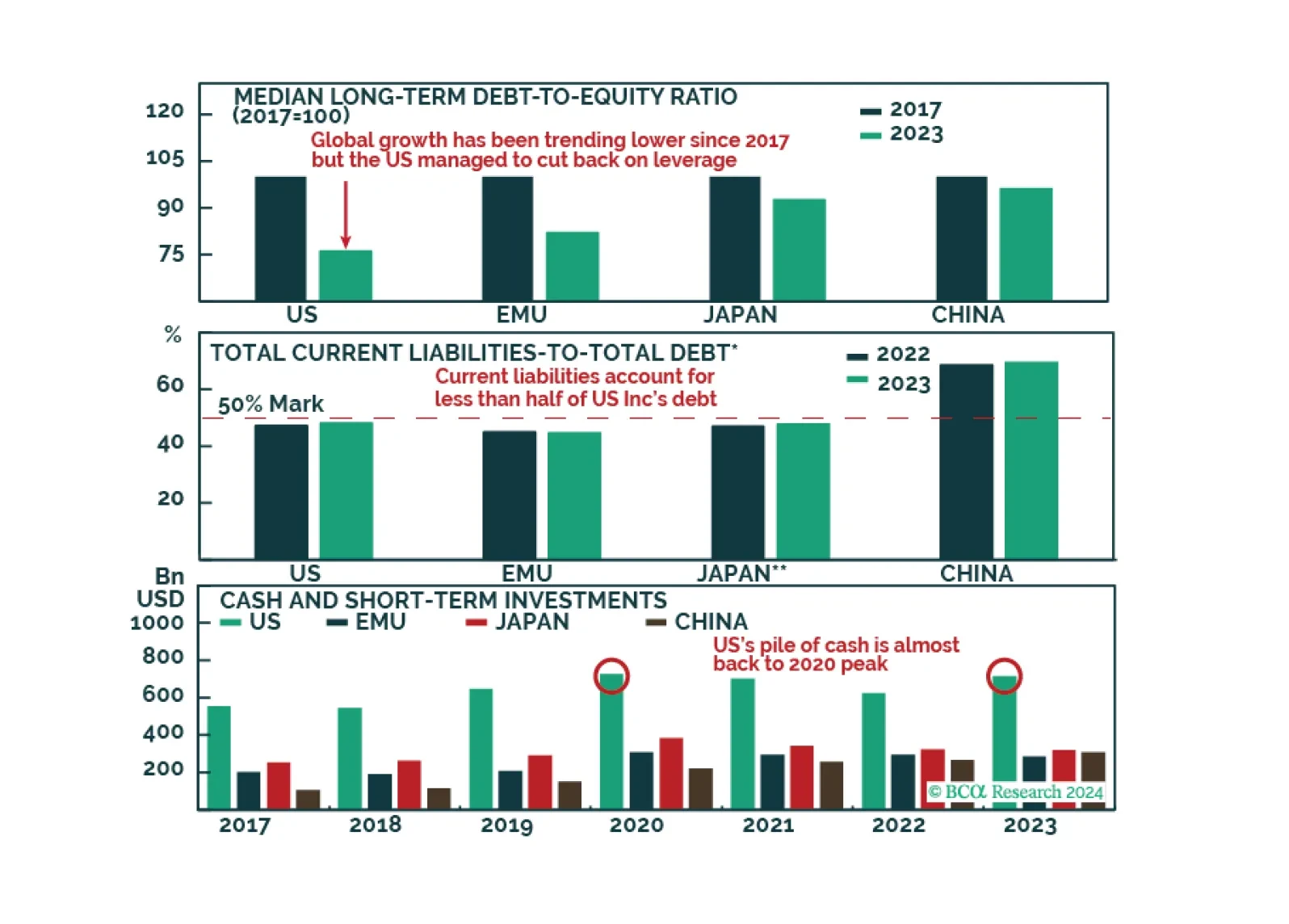
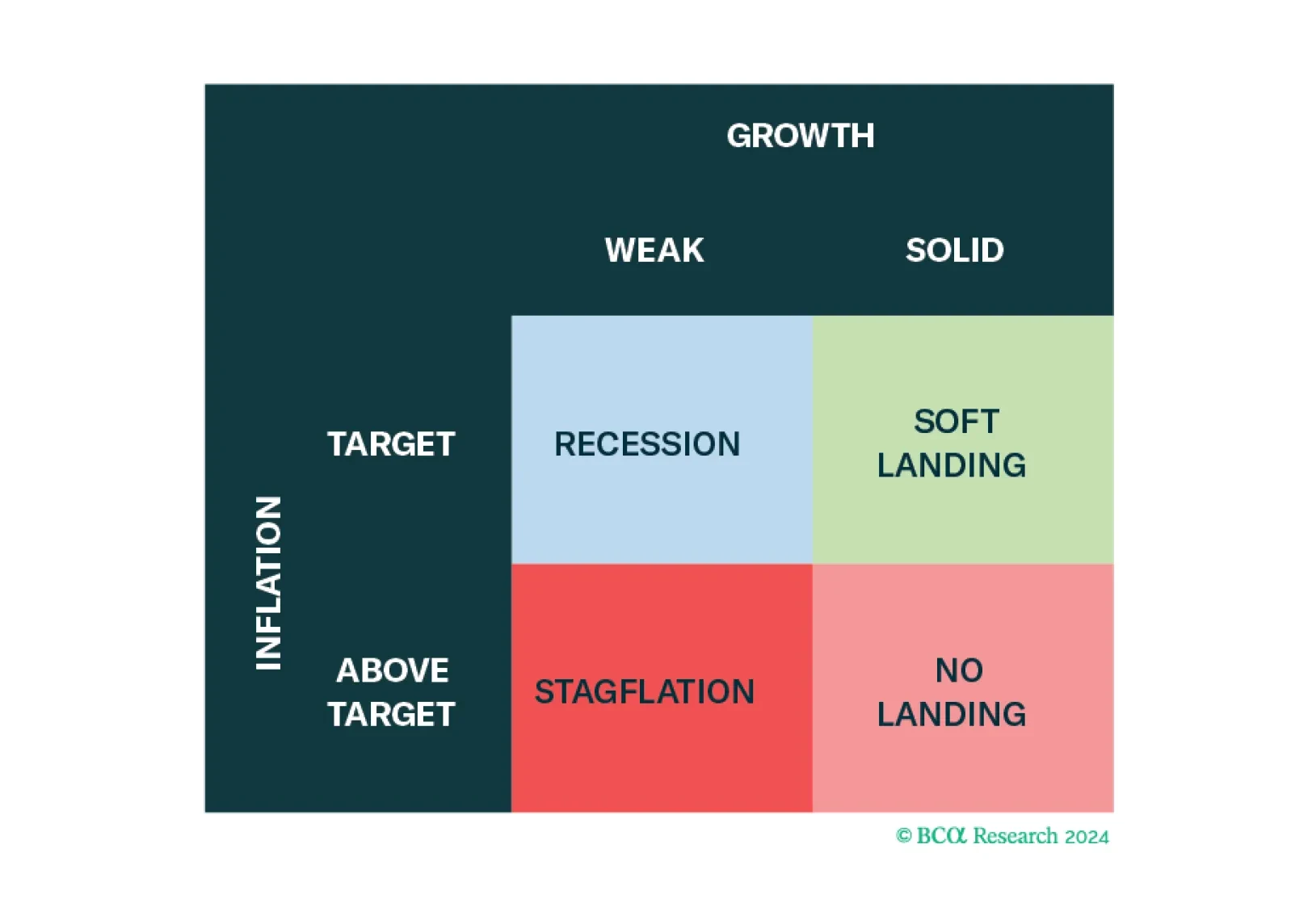
Special Report A deep dive into the balance sheets of top listed firms around the world suggests that corporate health differs substantially across key equity markets. To profit from these differences when the next recession arrives, we recommend that equity investors favor the US and Japan, be neutral on Europe while being wary of China for a range of compelling reasons.
Bank Credit Analyst In a guest authorship of Section I, Doug Peta addresses the recession skepticism often raised by investors. Excess savings are nearly or already drained, labor market indicators remain consistent with an eventual contraction in payroll growth, and there are no signs that credit growth will keep consumer spending afloat. Additionally, this month’s Section II is a guest piece written by Ritika Mankar of BCA’s Global Investment Strategy service. Ritika checks in on the balance sheet health of large, global, listed nonfinancial firms. Firms in the US and Japan appear to be the most resilient in advance of a coming recession, followed by Europe. Chinese firms are the least resilient from a balance sheet perspective.
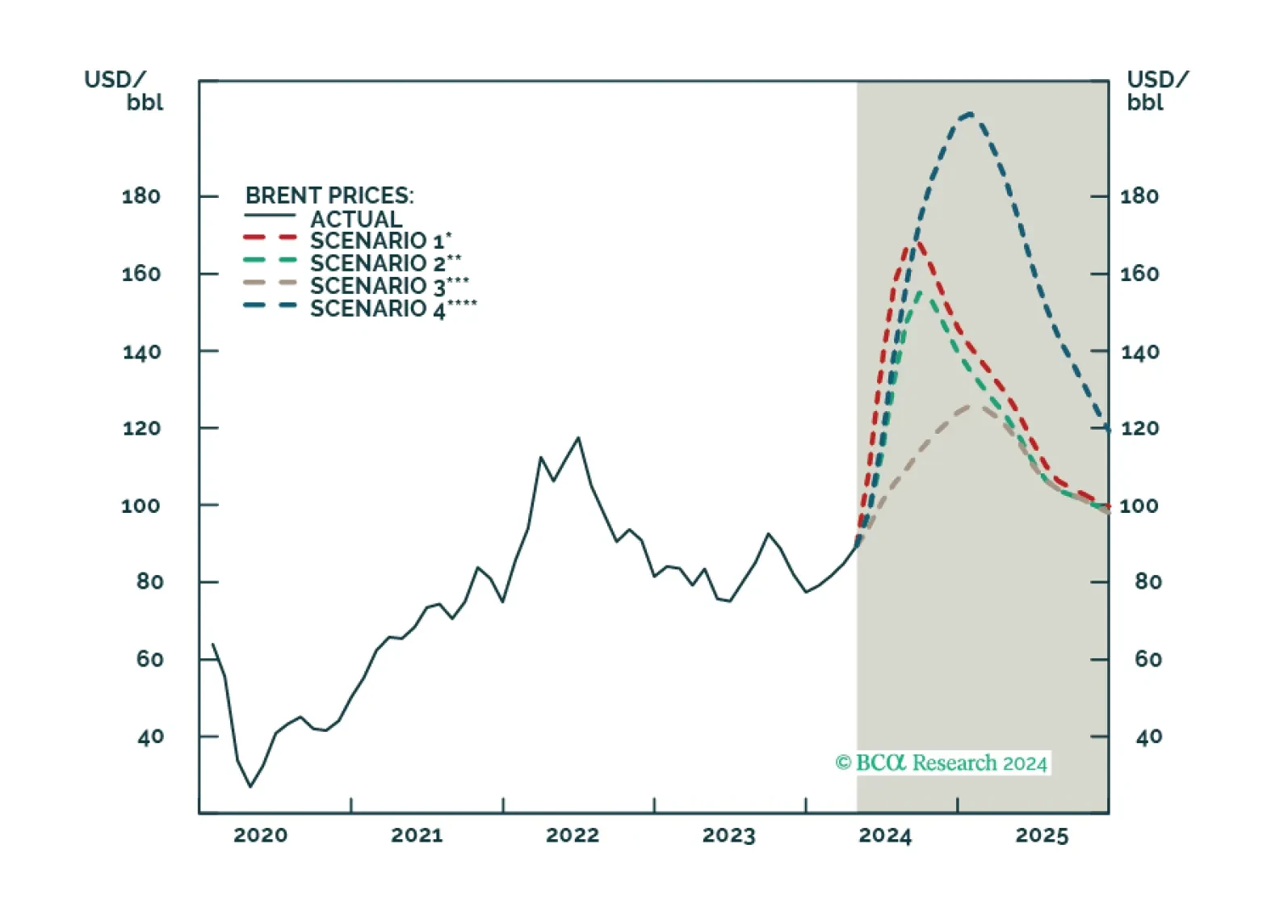
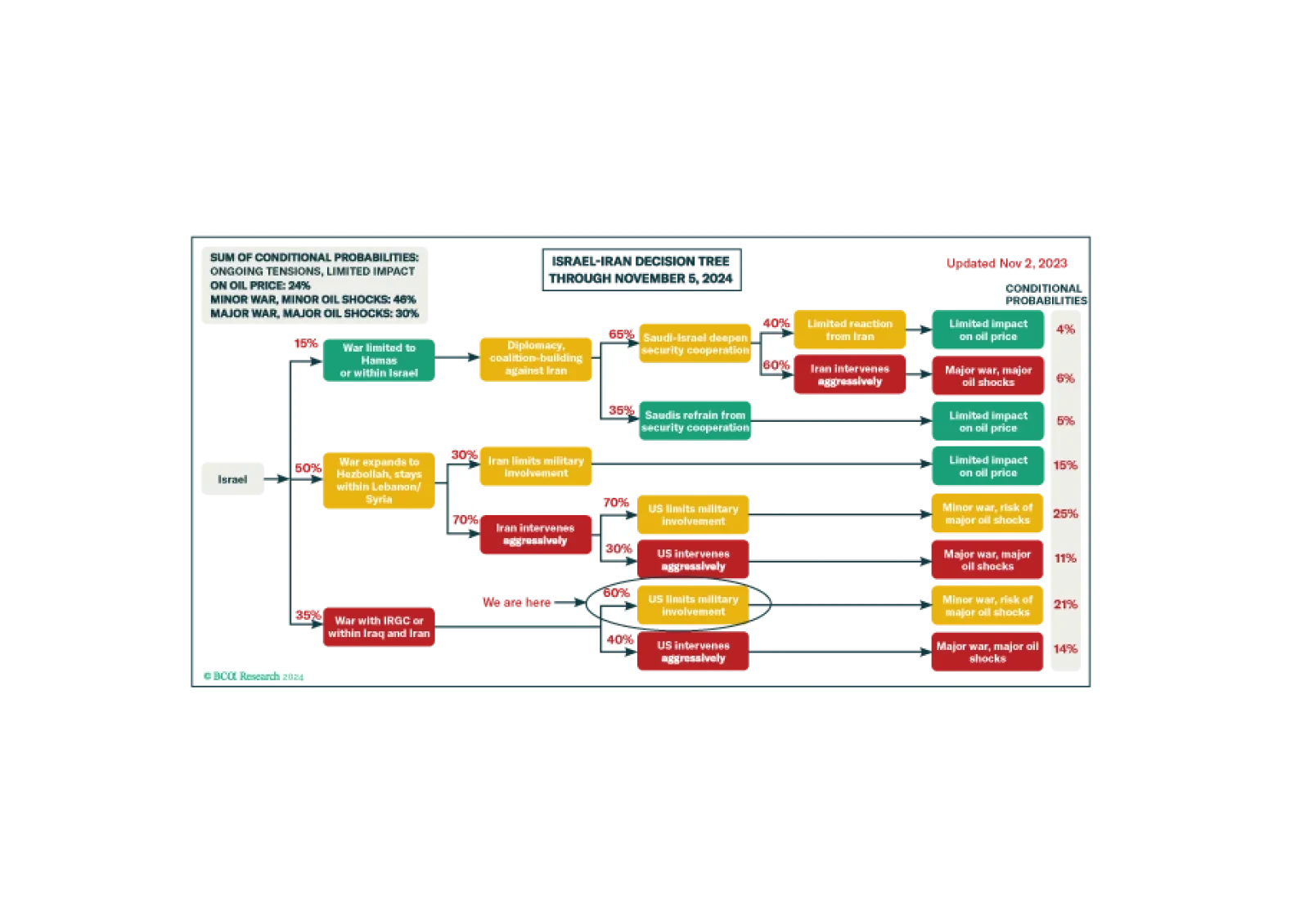
Special Report Investors should not underrate the chance of an oil shock ahead of the US election as Israel needs to push back against Iranian proxies, and Iran needs to demonstrate its regional reach to put a wedge between Israel and the US. We remain strategically long energy commodities and equities, and defense stocks via the COMT, XOP and PPA ETFs, which will continue to outperform cyclicals.
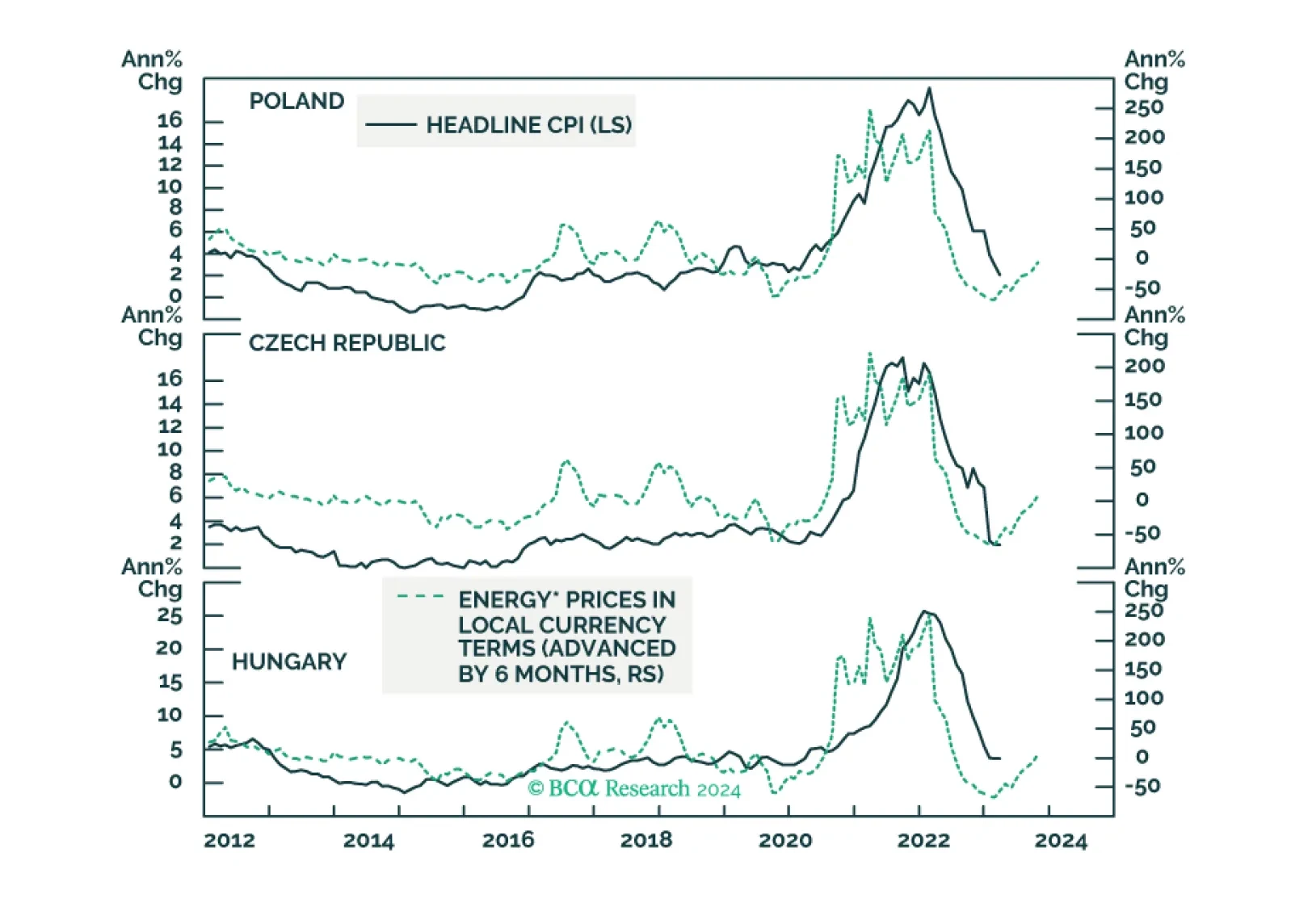
The disinflation process is over in Poland and Hungary. Only the Czech Republic will see its core inflation meet its central bank target this year. The reason is much tighter labor market dynamics in the first two. Investors should continue to short a basket of CE3 currencies vis-à-vis the US dollar.
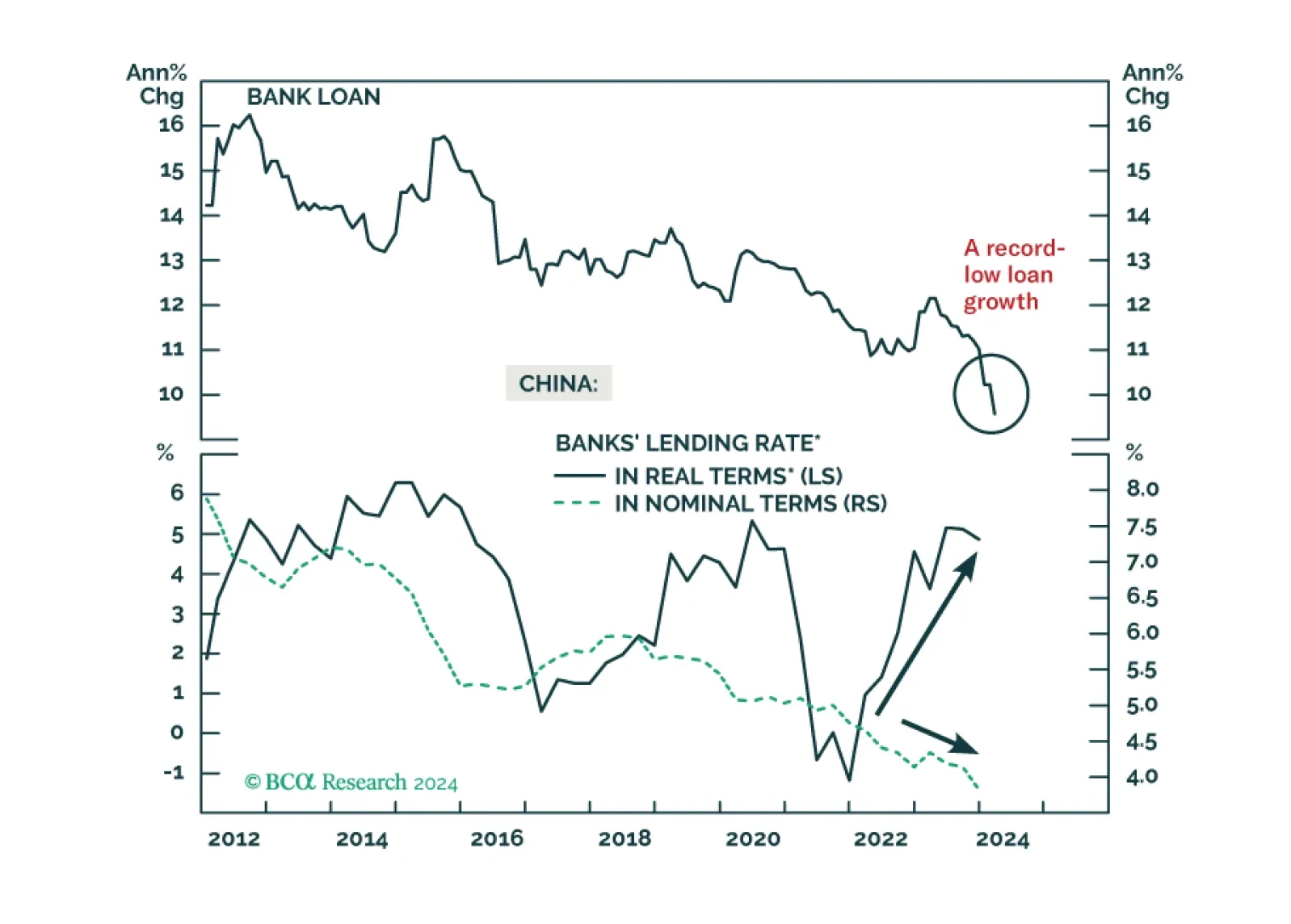
China’s economy is cruising at a very low altitude. The odds are that China’s equity rebound is running out of time. The RMB will continue to depreciate versus the US dollar in the coming months, albeit the pace may be modest.
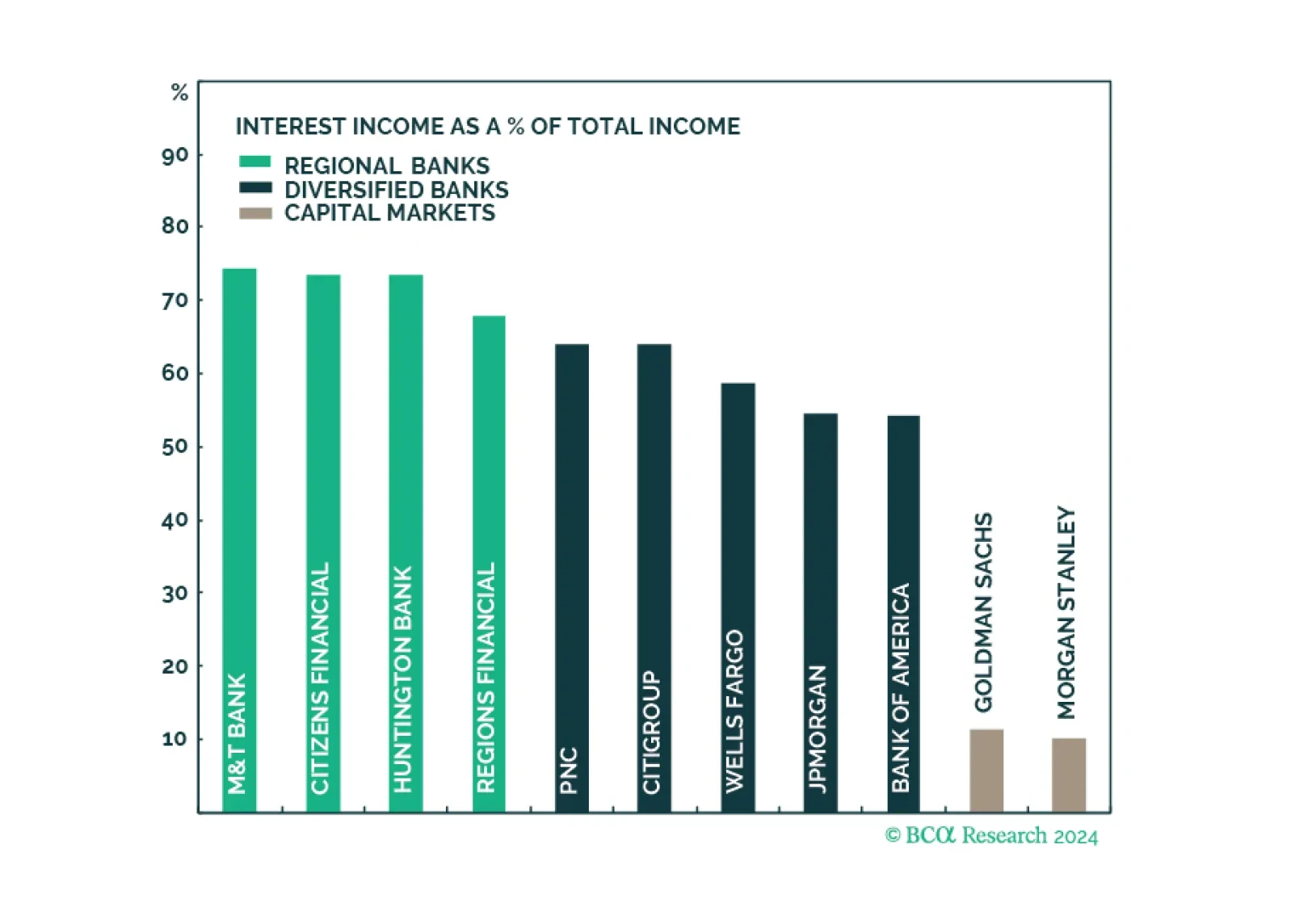
Q1 earnings results of the largest US banks have demonstrated that the engine of recent growth in profitability, NII, has faltered as funding costs are rising fast. However, the resurgence in non-NII thanks to a revival in corporate activity has been a saving grace. Earnings growth appears to have bottomed, while valuations are attractive. To play up portfolio exposure to an upcoming surge in capital markets activity, and minimize exposure to declining profitability in traditional banking services, overweight Diversified Banks and Capital Markets, and underweight Regional Banks.
European profits margins are elevated. Will a mild recession be enough to bring them down?
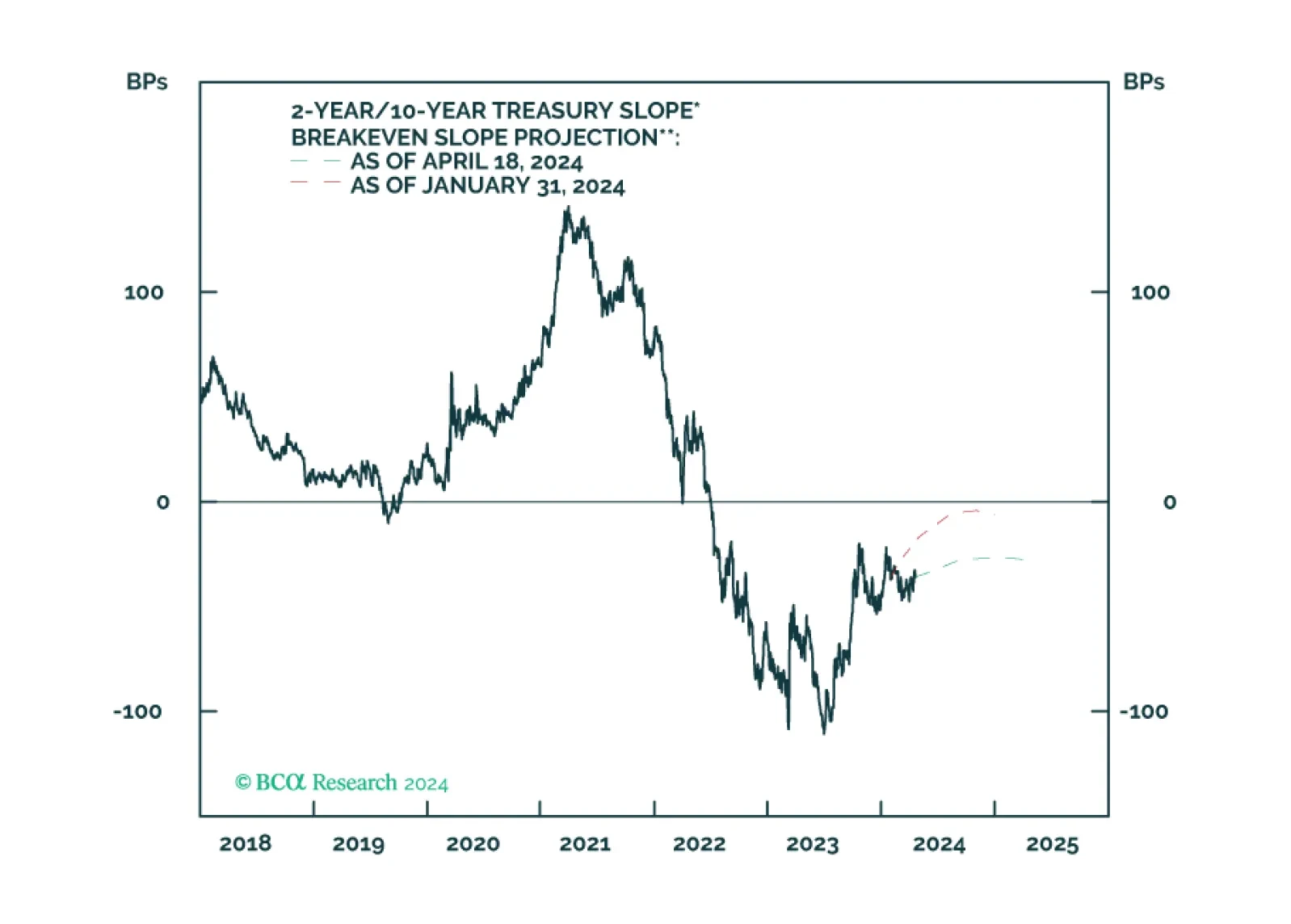
Special Report This Special Report introduces a framework for assessing the relative importance of slope change and initial yield in curve trade performance. The yield penalty for curve steepeners has fallen significantly since the beginning of the year, and we recommend shifting out of Treasury curve flatteners and into Treasury curve steepeners in US bond portfolios.
The implication is that Israel chose not to escalate the risk of direct war with Iran. Hence we remain in our base-case “Minor War, Minor Oil Shock” scenario.
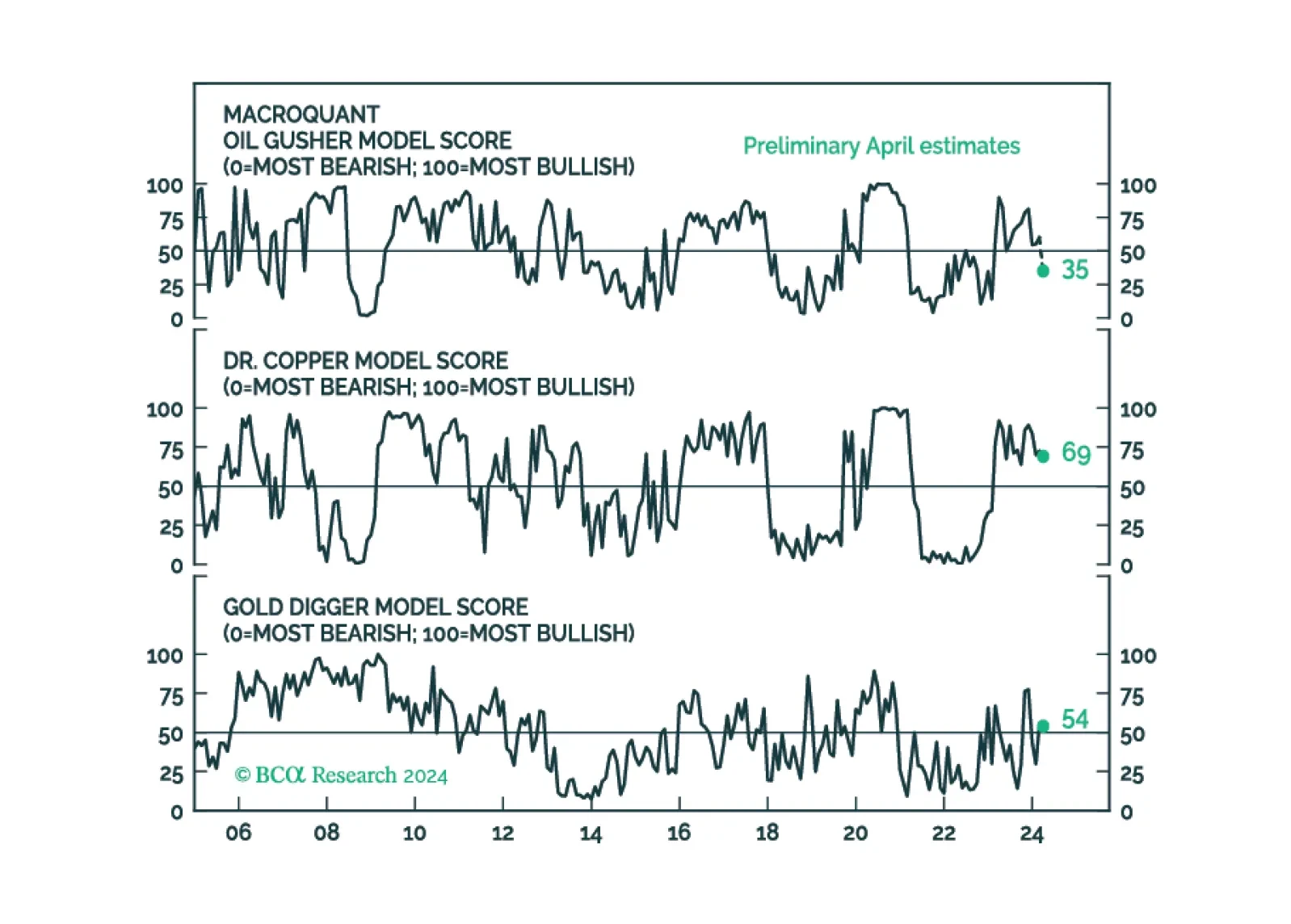
This year’s rise in commodity prices represents a blow-off rally rather than the start of a durable bull market. The global economy is heading for a recession. Stocks, commodities, and other risk assets are vulnerable.