Skip to main content

Latest from BCA Research
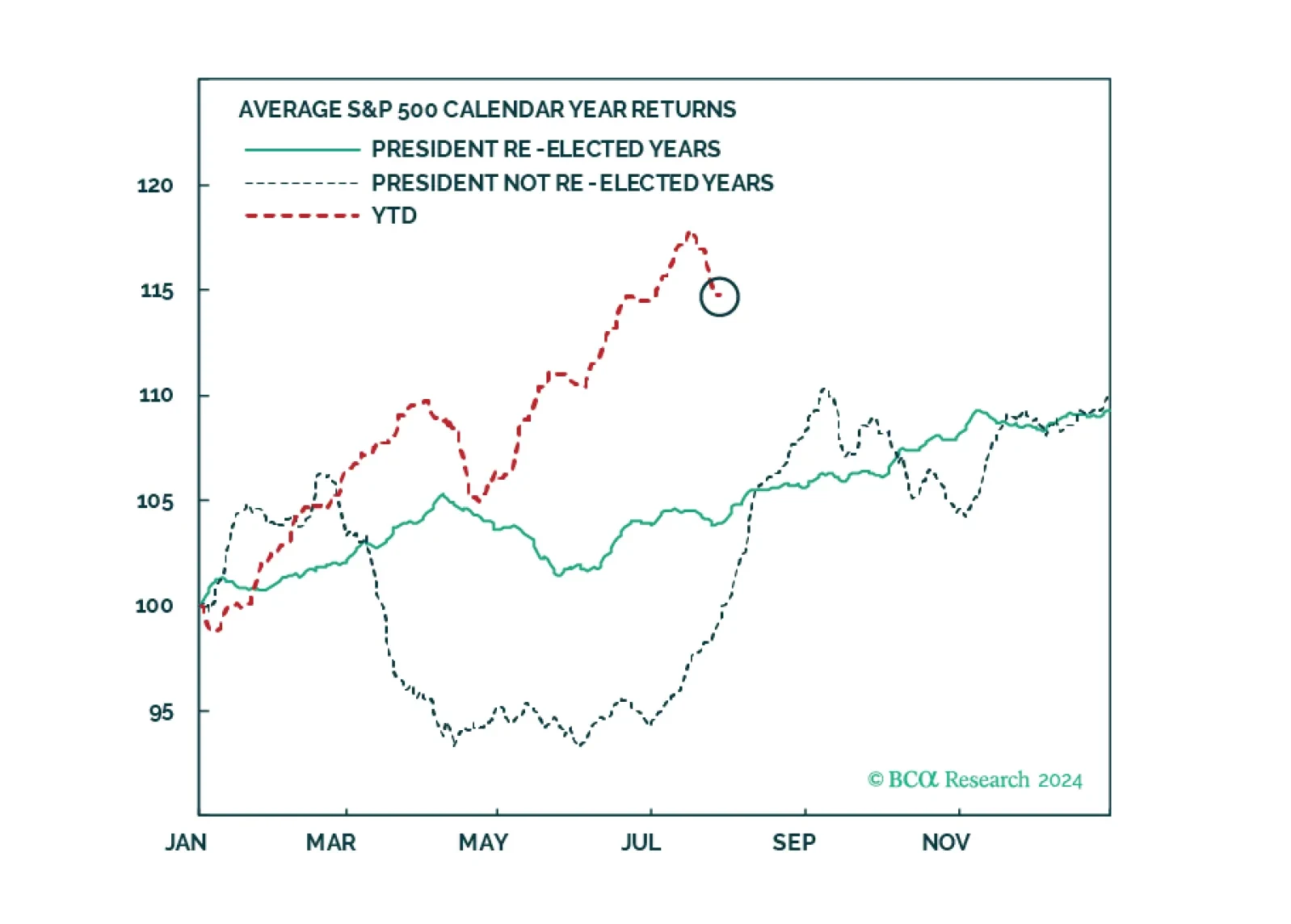
Special Report The Trump trade is just a trade, not an investment, and a risky trade at that. It wagers simultaneously on a soft landing and a Trump victory. Yet Trump's victory is more likely amid slowing economic growth than a soft landing. Investors should position for the slowdown first, then the trade shock, and only then take on more risk in the form of “Trump trade winners.”
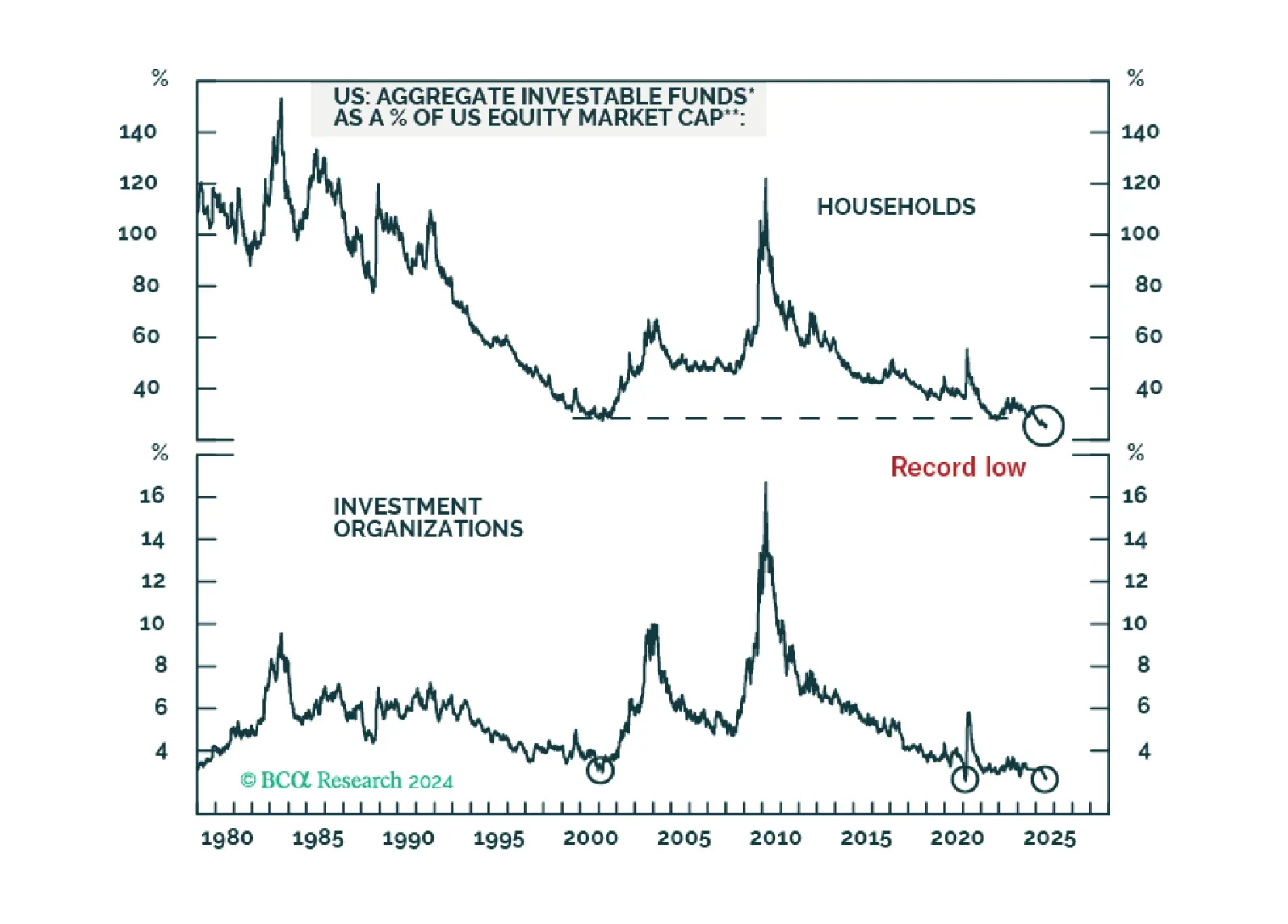
Special Report Today, we are sending you a report recently published by BCA’s Emerging Markets Strategy service titled Little Cash On The Sidelines. Arthur Budaghyan, Chief EM/China Strategist, argues that “cash on the sidelines” in the US is low relative to the market value of investable US securities in general, and US equities in particular.
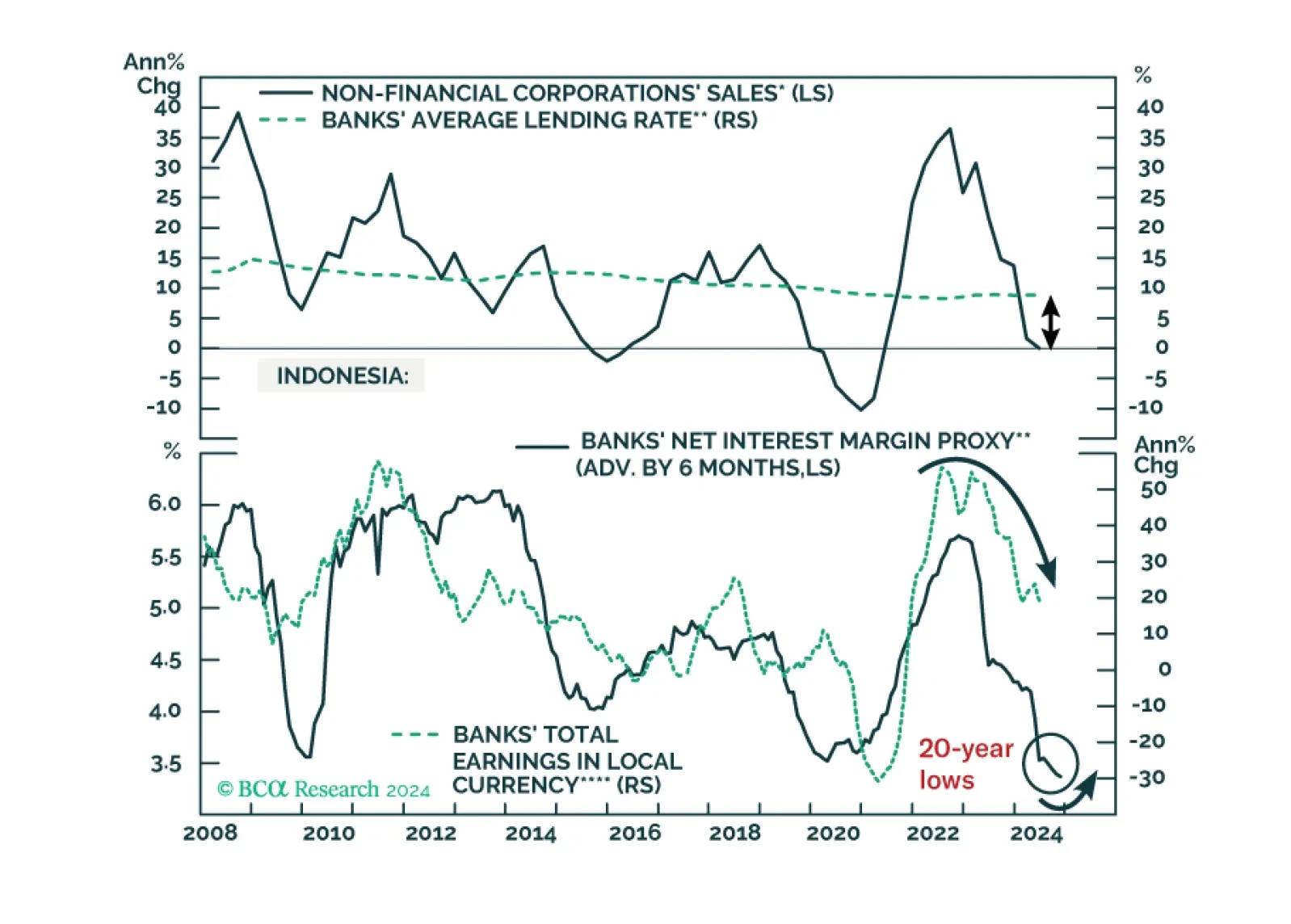
A major slowdown in nominal growth was behind Indonesia’s recent stock underperformance. Dedicated EM equity portfolios should upgrade Indonesian stocks from underweight to neutral. We also recommend a new relative trade: go long Indonesian banks / short EM banks.
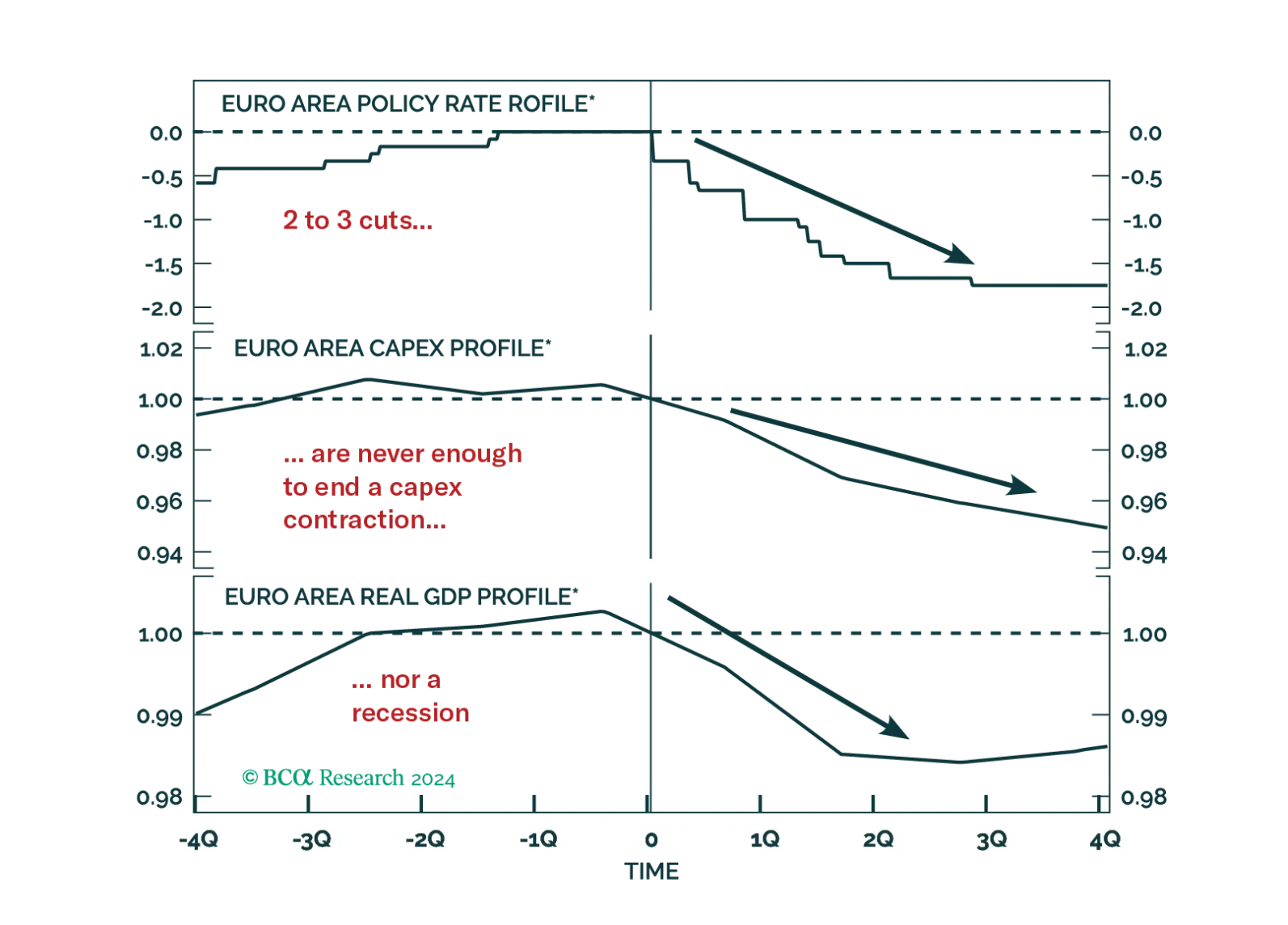
Investors hope that the ECB rate cuts priced into the curve will be sufficient to achieve a soft landing in Europe. History argues against this view, but will this time be different?
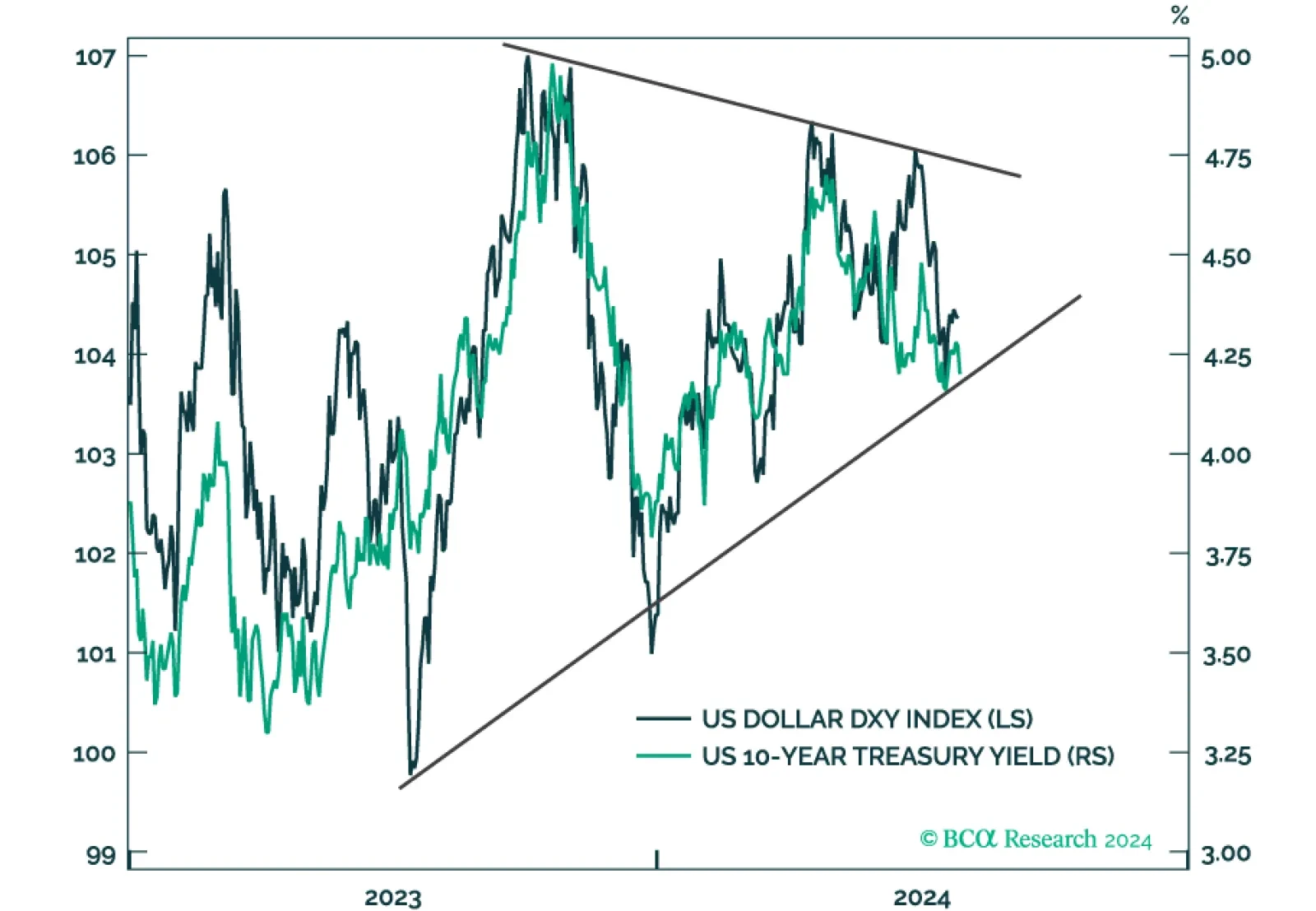
This report takes a look at bond and FX market technical indicators and calibrates the decision to increase portfolio duration and get long the US dollar.
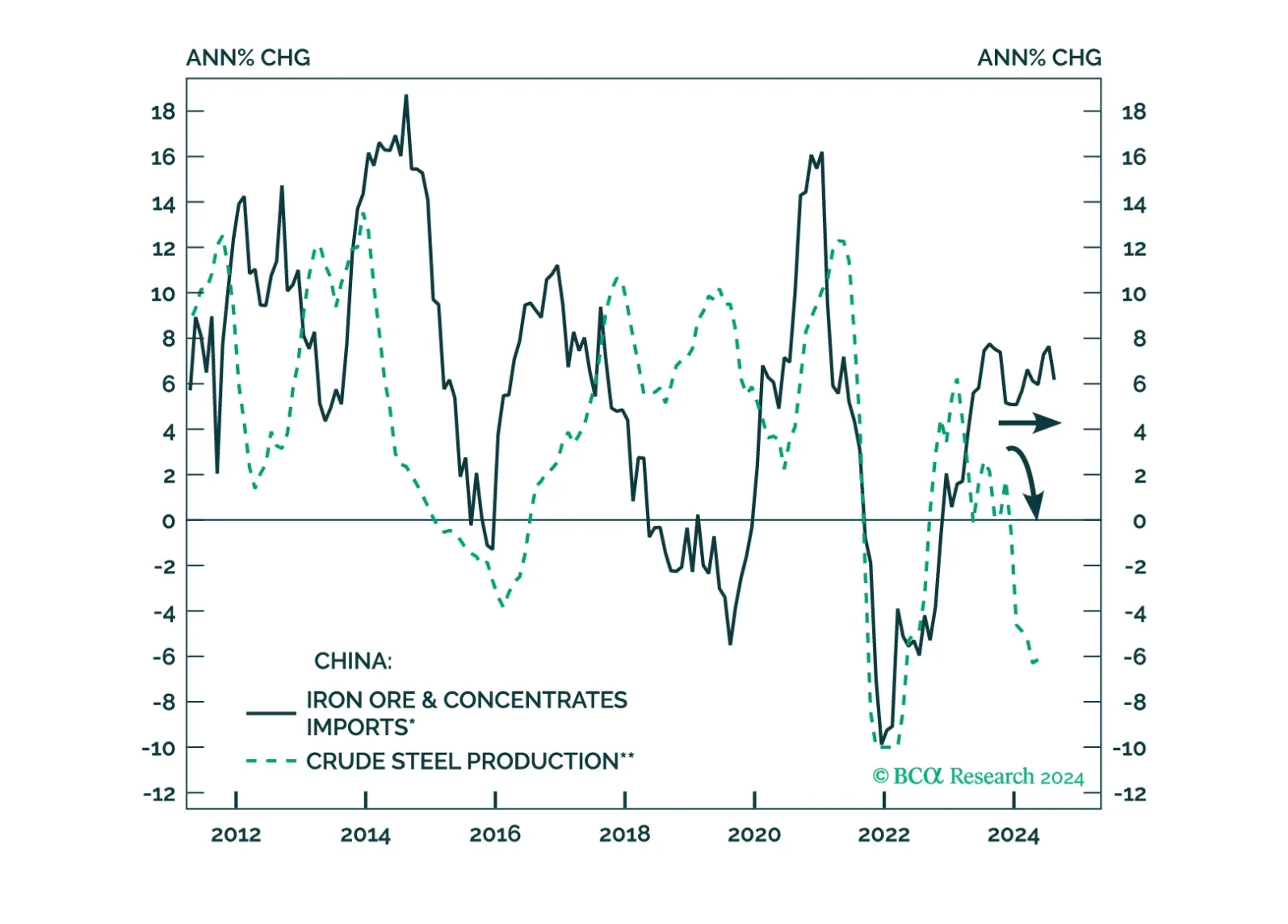
The absence of a catalyst that will boost Chinese steel demand dims the odds that iron ore and steel prices will recover over the coming six-to-nine months. Instead, we expect ferrous metals to face further downside into year-end.
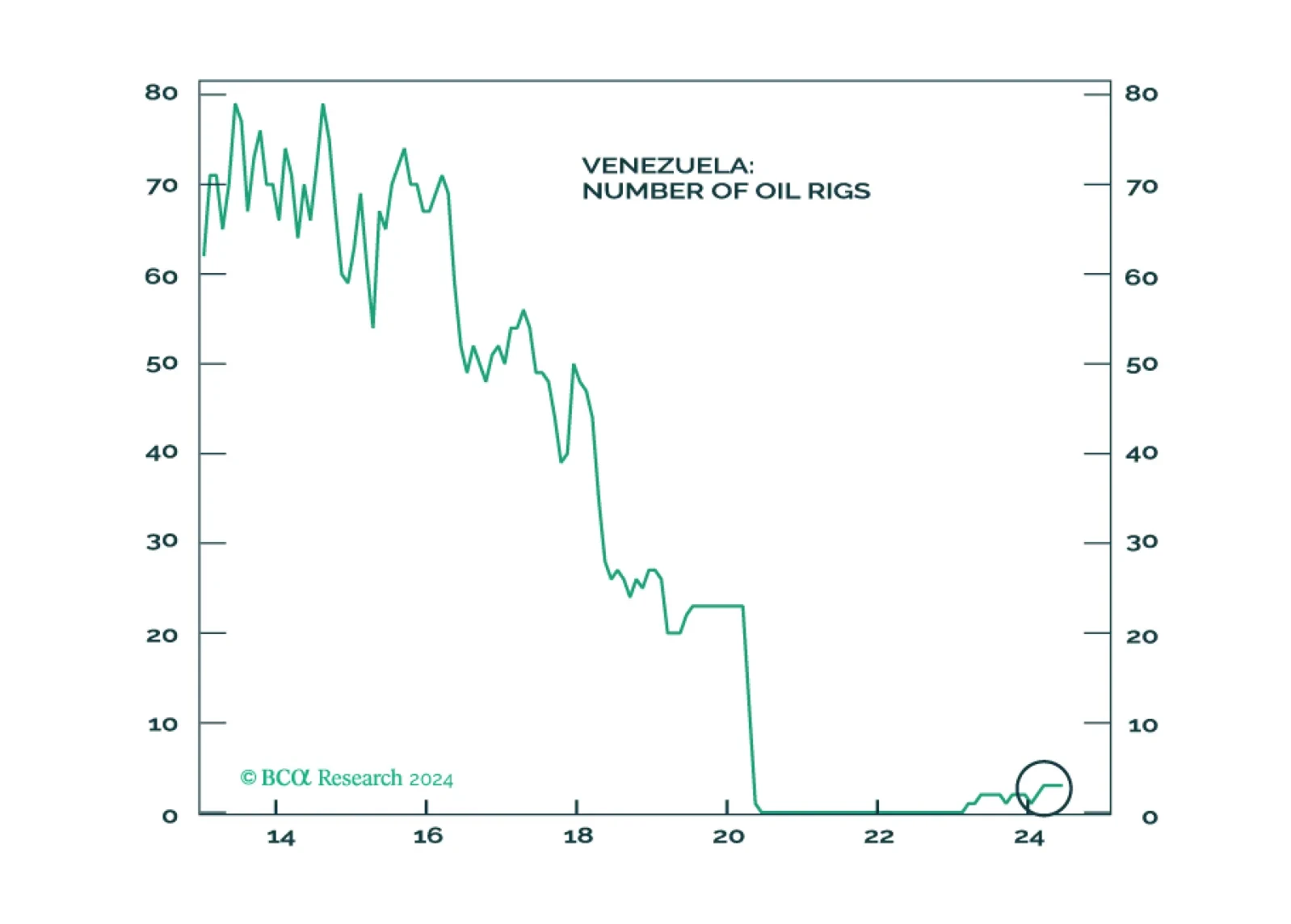
Special Report Oil markets will not be impacted by Venezuela in the near term, but by shocks from the Middle East. Maduro’s ability to stay in power in the short-term removes an avenue of oil supply relief. The same avenue is cut off if Trump is reelected. Geopolitical shocks in Venezuela could present tactical buying opportunities for Chile, Peru, and Colombia.
Bank Credit Analyst
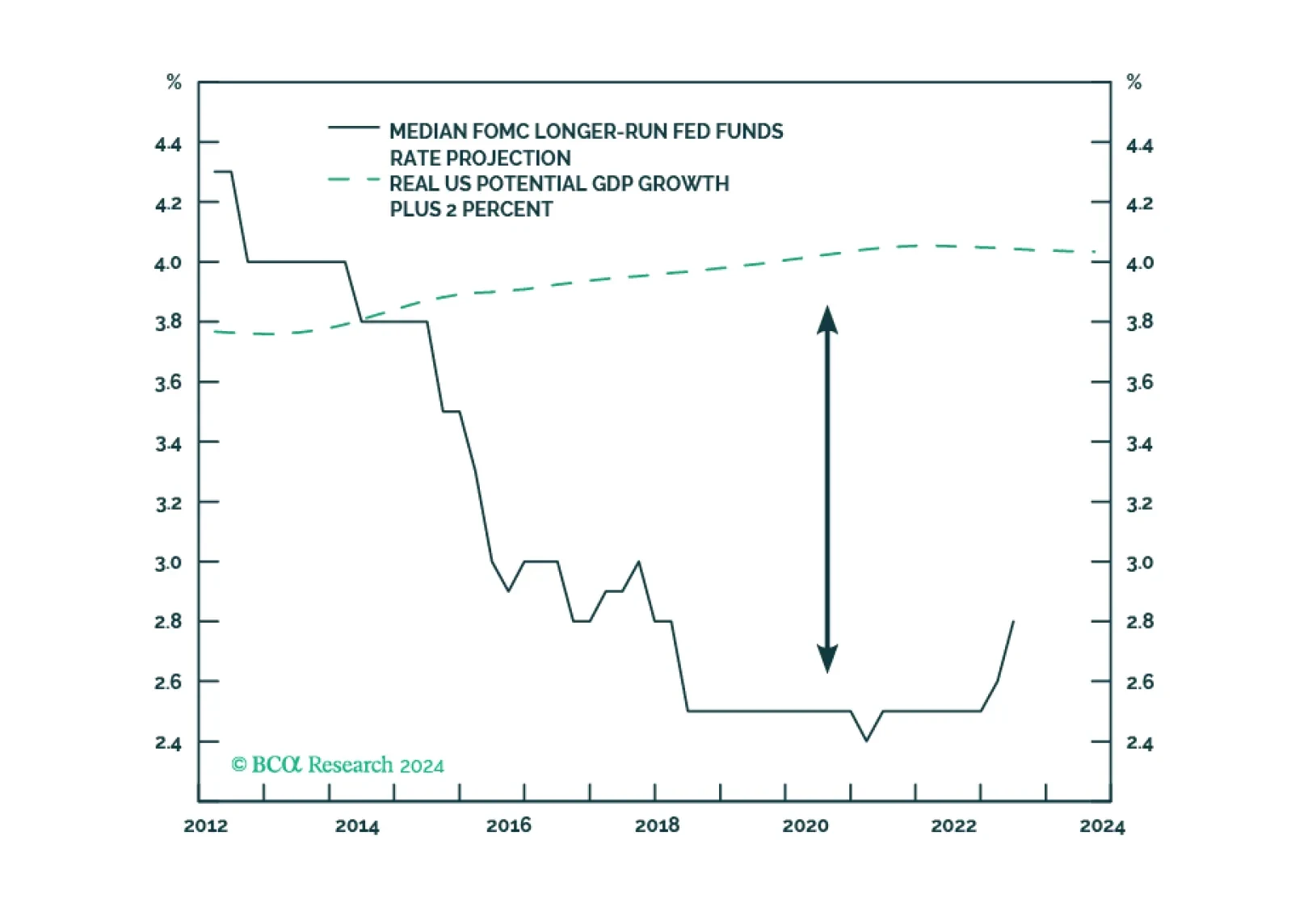
Special Report In this Special Report, Jonathan LaBerge of The Bank Credit Analyst argues that the Fed should abandon the framework changes that it made in 2020, both to its inflation and employment objectives. If “structural dovishness” is made a permanent feature of Fed policy, investors can expect more frequent booms and busts in financial markets, and higher odds of future inflation overshoots.
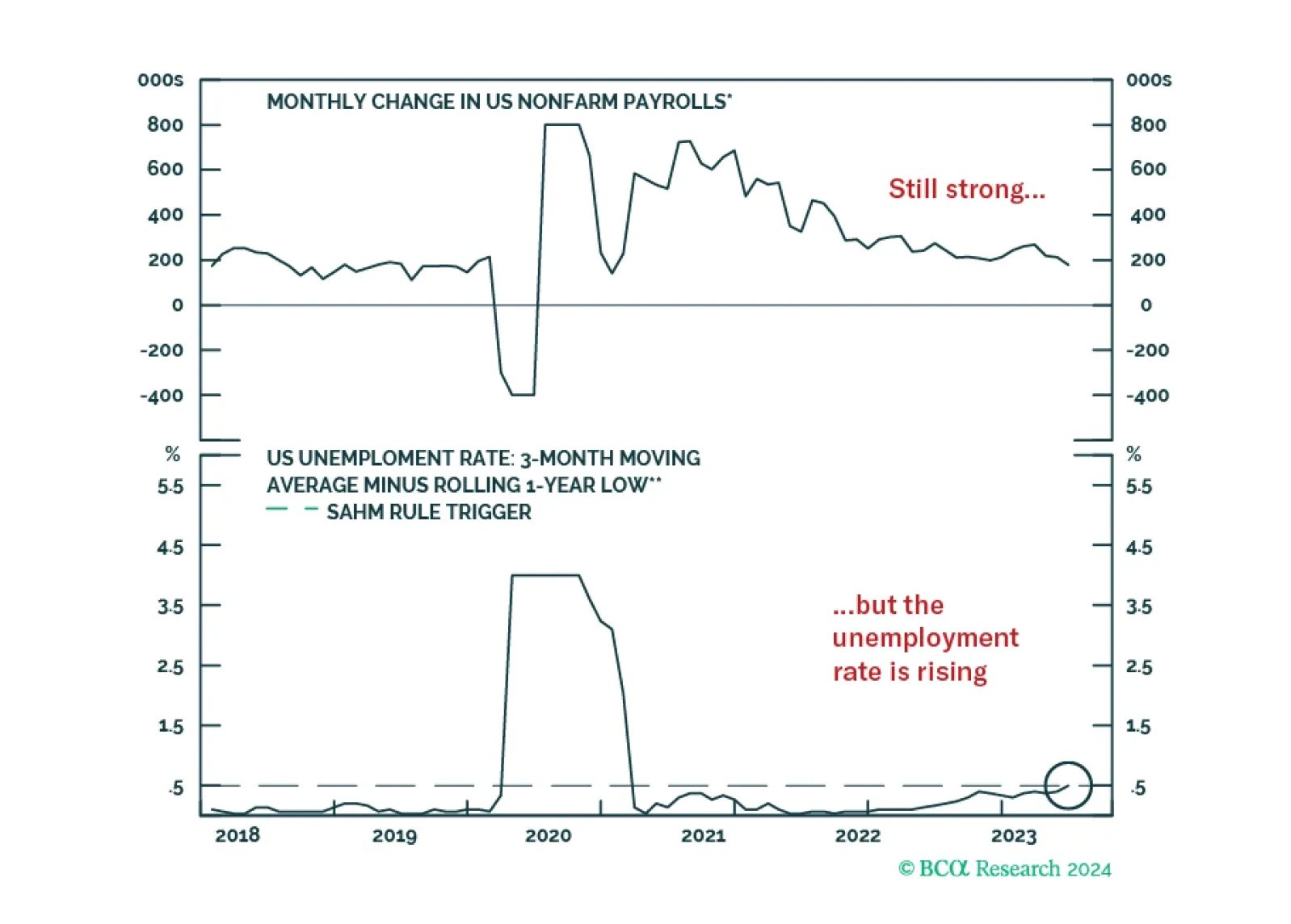
Bank Credit Analyst In Section I, we note that the US labor market is turning, and that the economy is indeed slowing to a recessionary tipping point. Disinflation continues, but not at a pace that would allow the Fed to cut aggressively outside of the context of a recession. We continue to expect that Donald Trump will win in November, and trade policy under a second Trump presidency represents a significant risk for investors. We continue to recommend conservative positioning over a 6-12 month time horizon. In Section II, we argue that the Fed should abandon the framework changes that it made in 2020, both to its inflation and employment objectives. If “structural dovishness” is made a permanent feature of Fed policy, investors can expect more frequent booms and busts in financial markets, and higher odds of future inflation overshoots.