Latest from BCA Research
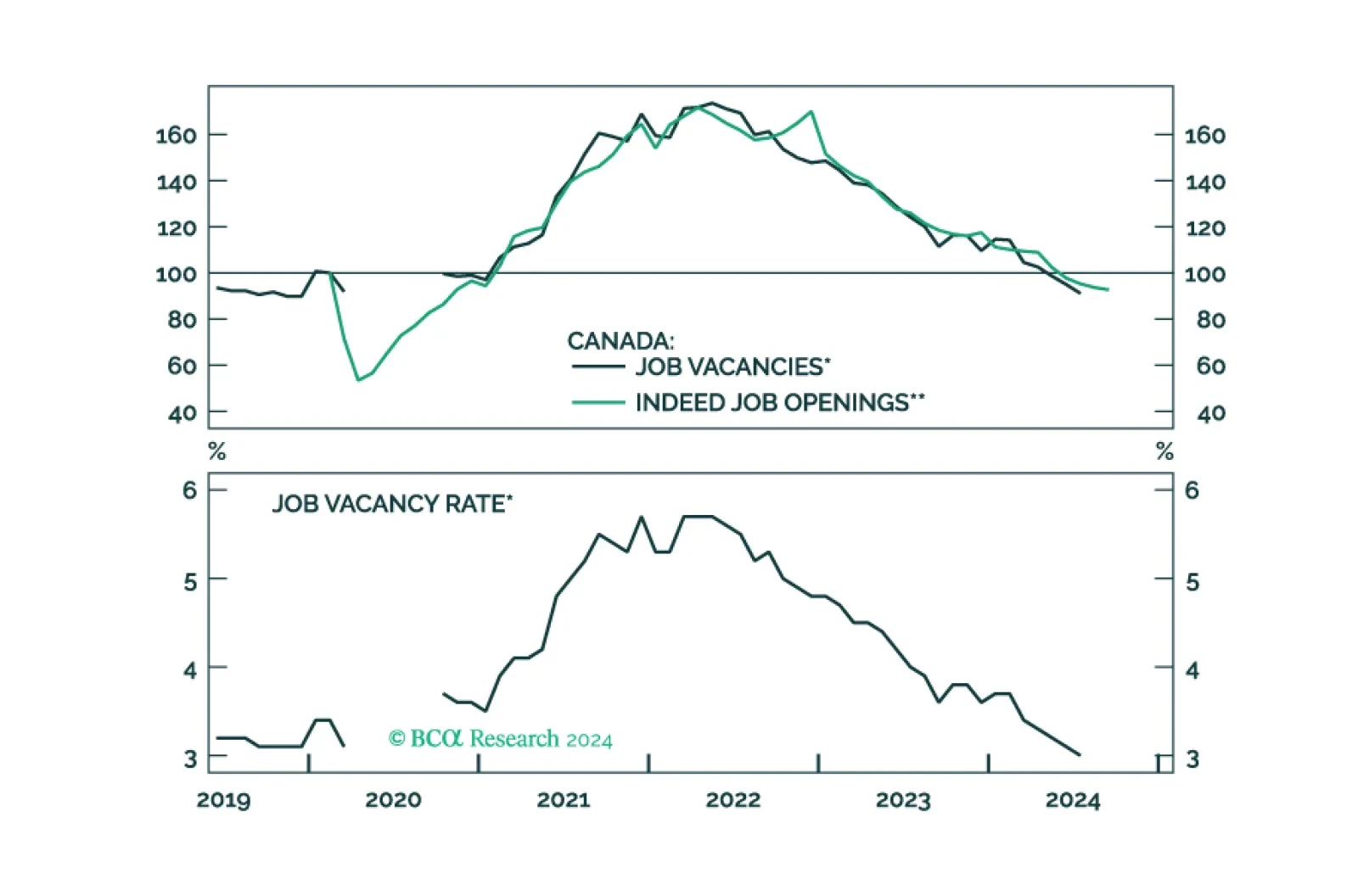
In this Insight, we evaluate if there is more juice in our macro bet of being long June 2025 CORRA versus SOFR futures, and correspondingly, being short the CAD, for investors with a 1-3 month horizon.
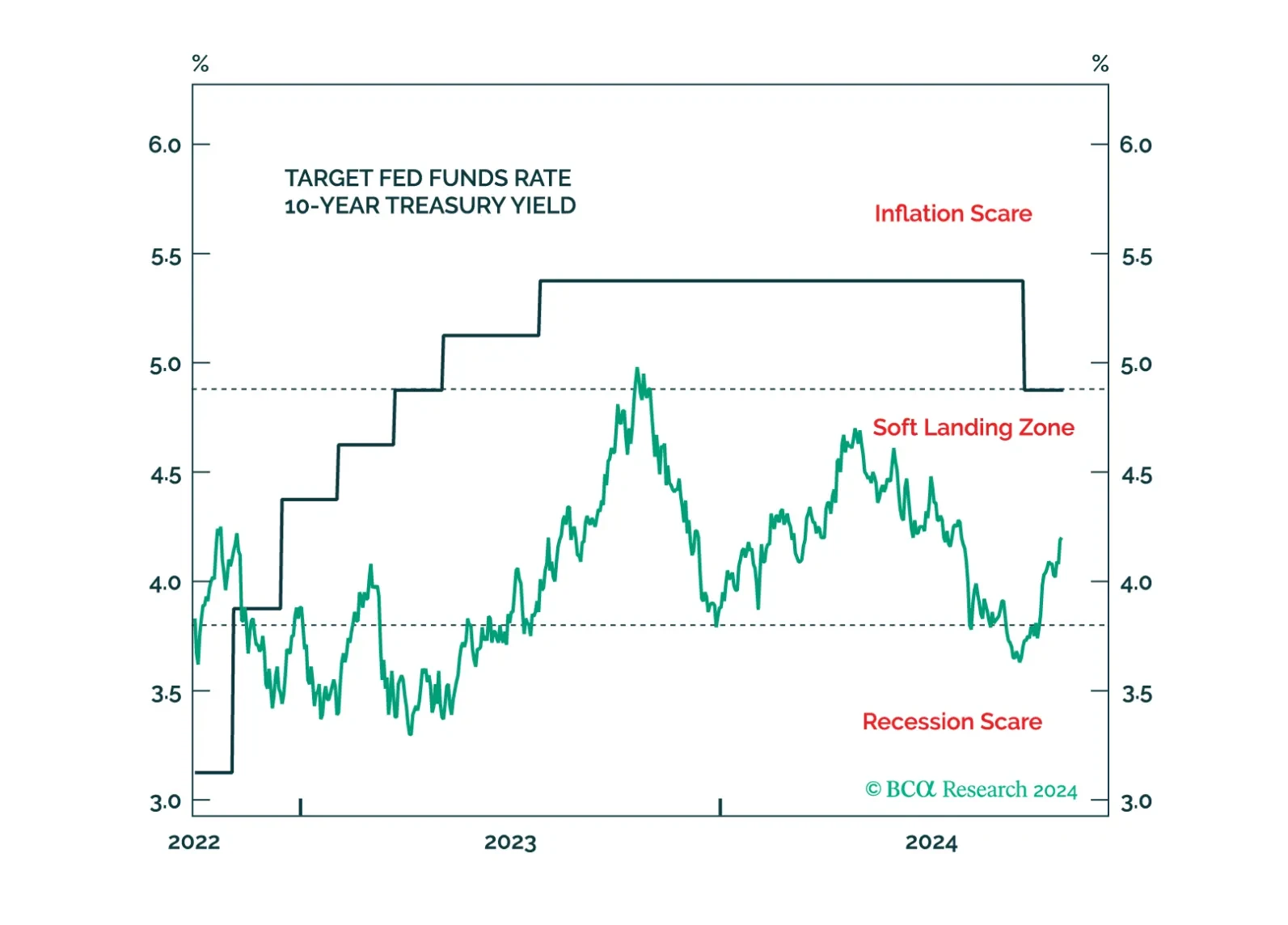
A Donald Trump victory would send bond yields higher during the next few weeks, but yields will fall in 2025 no matter the election outcome.
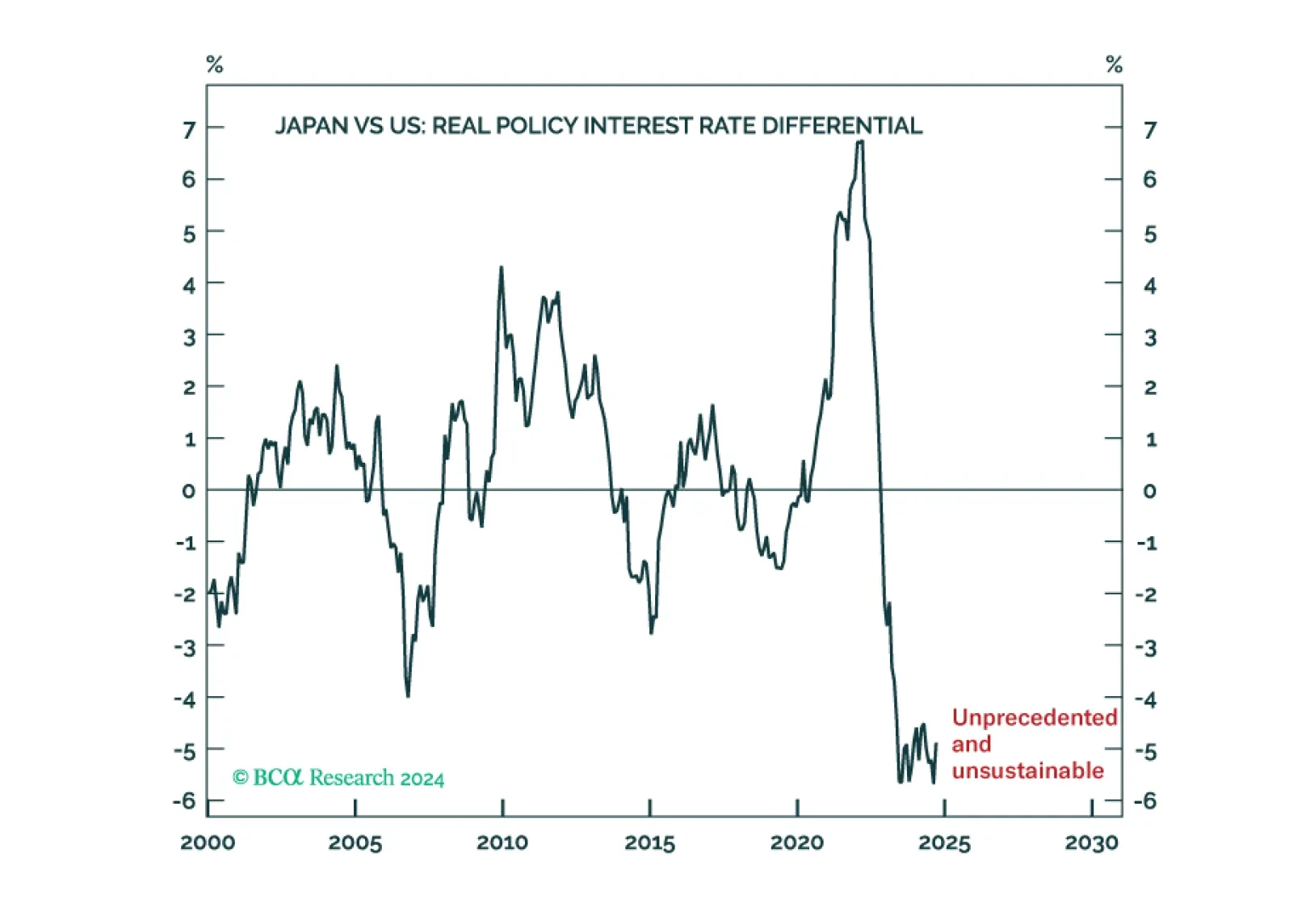
The biggest risk to the equity bull market is not a US recession. The biggest risk is the end of the deeply negative real rates in Japan versus the US that have caused the rampant post-2022 inflation in US tech stock valuations. We go through the investment implications. Plus: bond prices have further tactical downside whoever wins the US election.
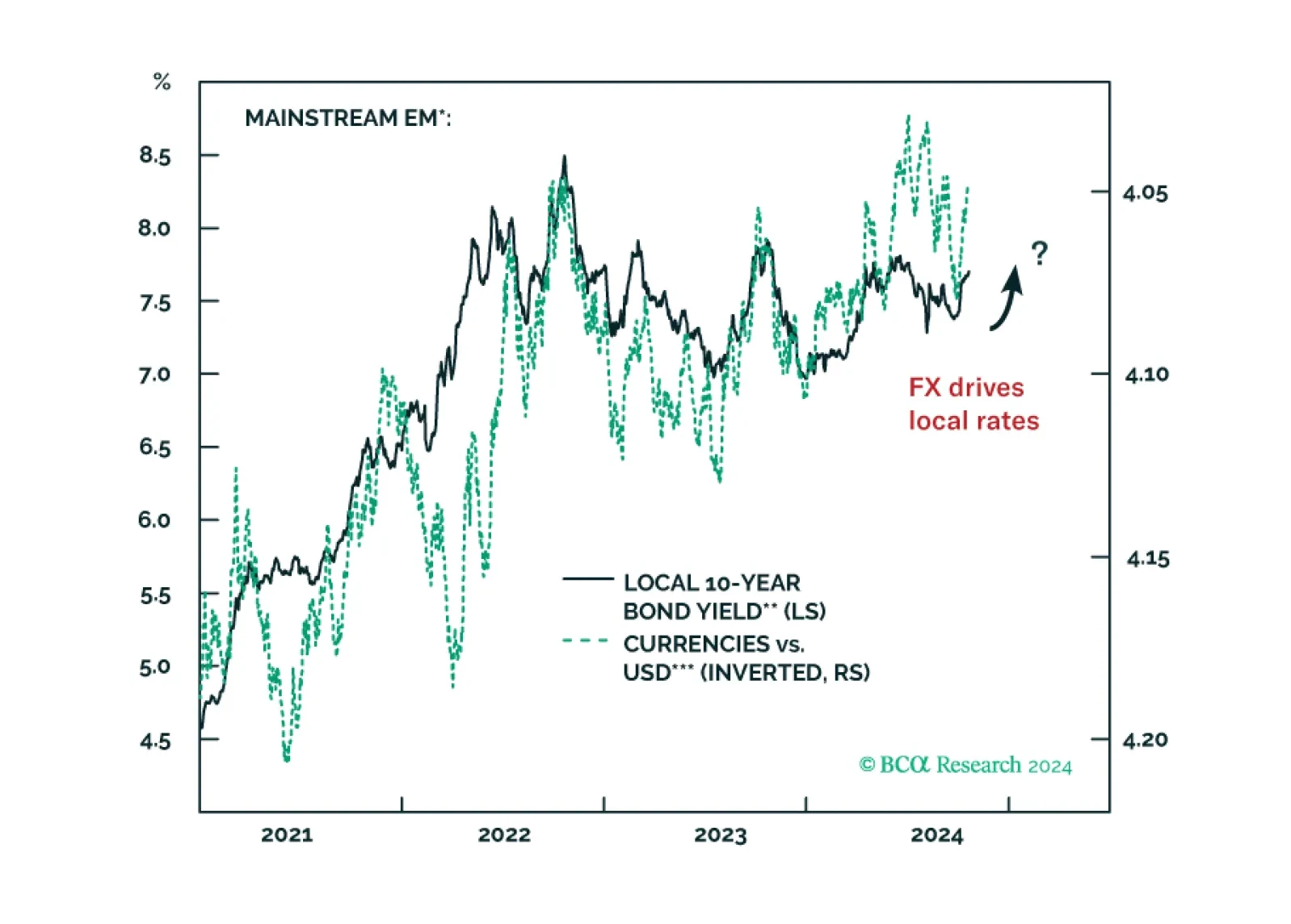
As the odds of a Trump victory increase, there are indications that the “Trump trade” has commenced in global financial markets, with negative short-term implications for EM. In short, the US dollar will strengthen, and US bond yields will rise in the lead-up to and after the election if Trump wins. In response, EM countries’ currencies will depreciate, and their fixed-income and equity markets will suffer over the coming months.
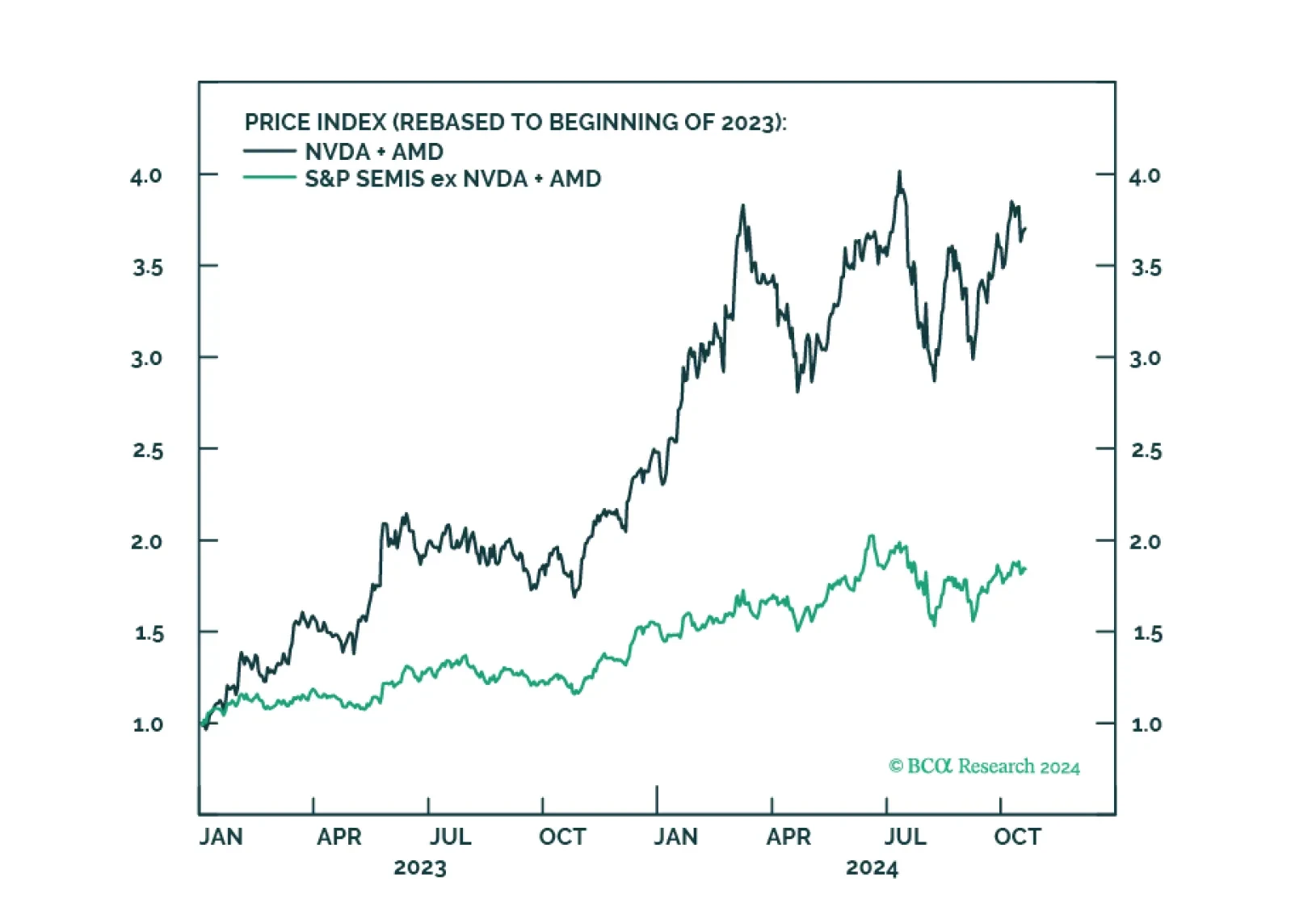
The semiconductor industry has decoupled: Demand for AI and advanced chips is booming, while the outlook for legacy and non-AI semiconductors is downbeat. We upgrade the US semiconductors to overweight on a tactical investment horizon as Nvidia’s good fortunes will drive the performance of the entire industry. We also reiterate overweight in Diversified Financials and Capital Markets as the resurgence in capital market activity is still in its early innings and will continue to drive the outperformance of the nation’s largest investment banks.
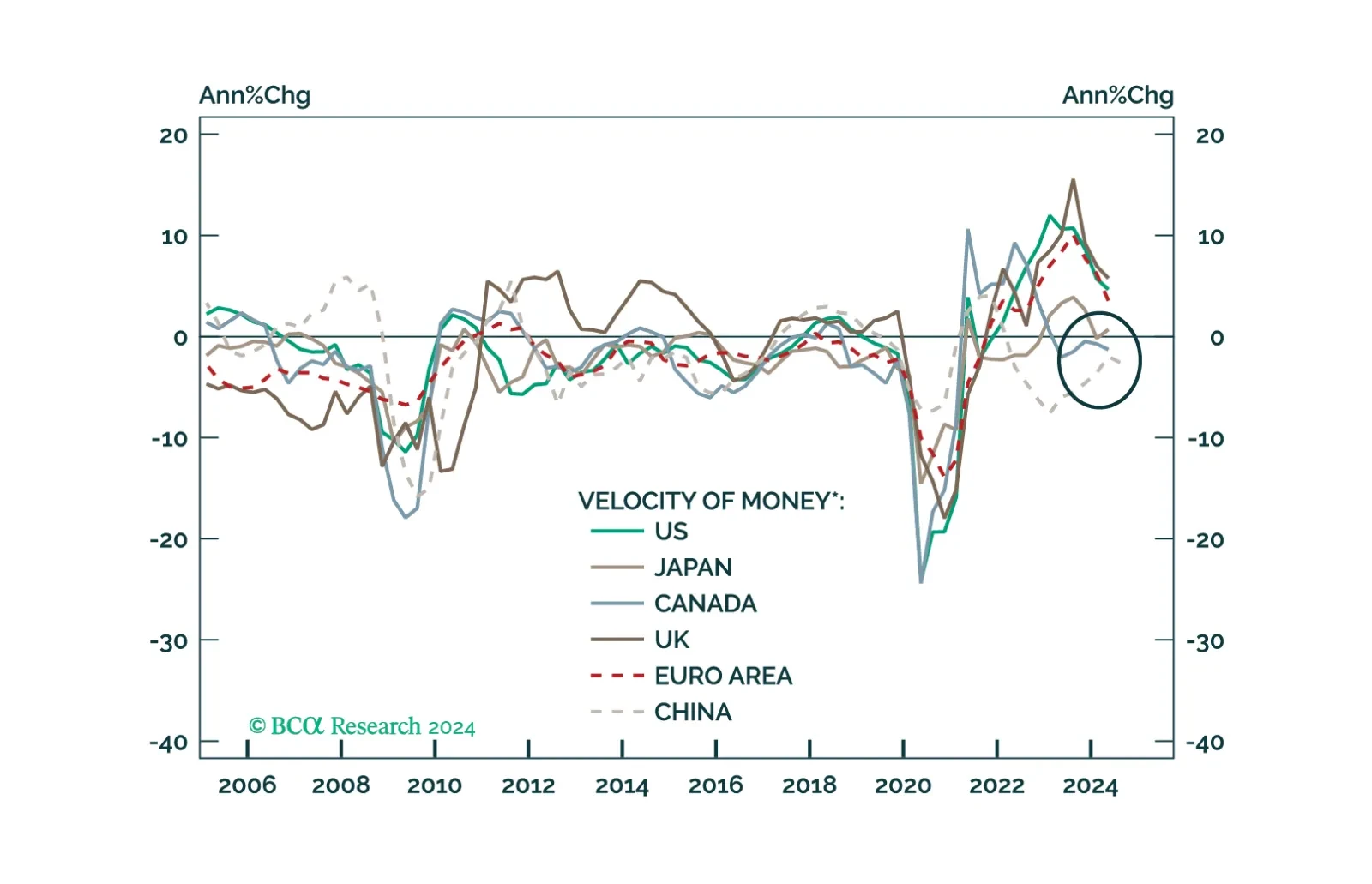
This Insight looks at the likely direction of bond yields and the dollar, from the lens of money velocity.
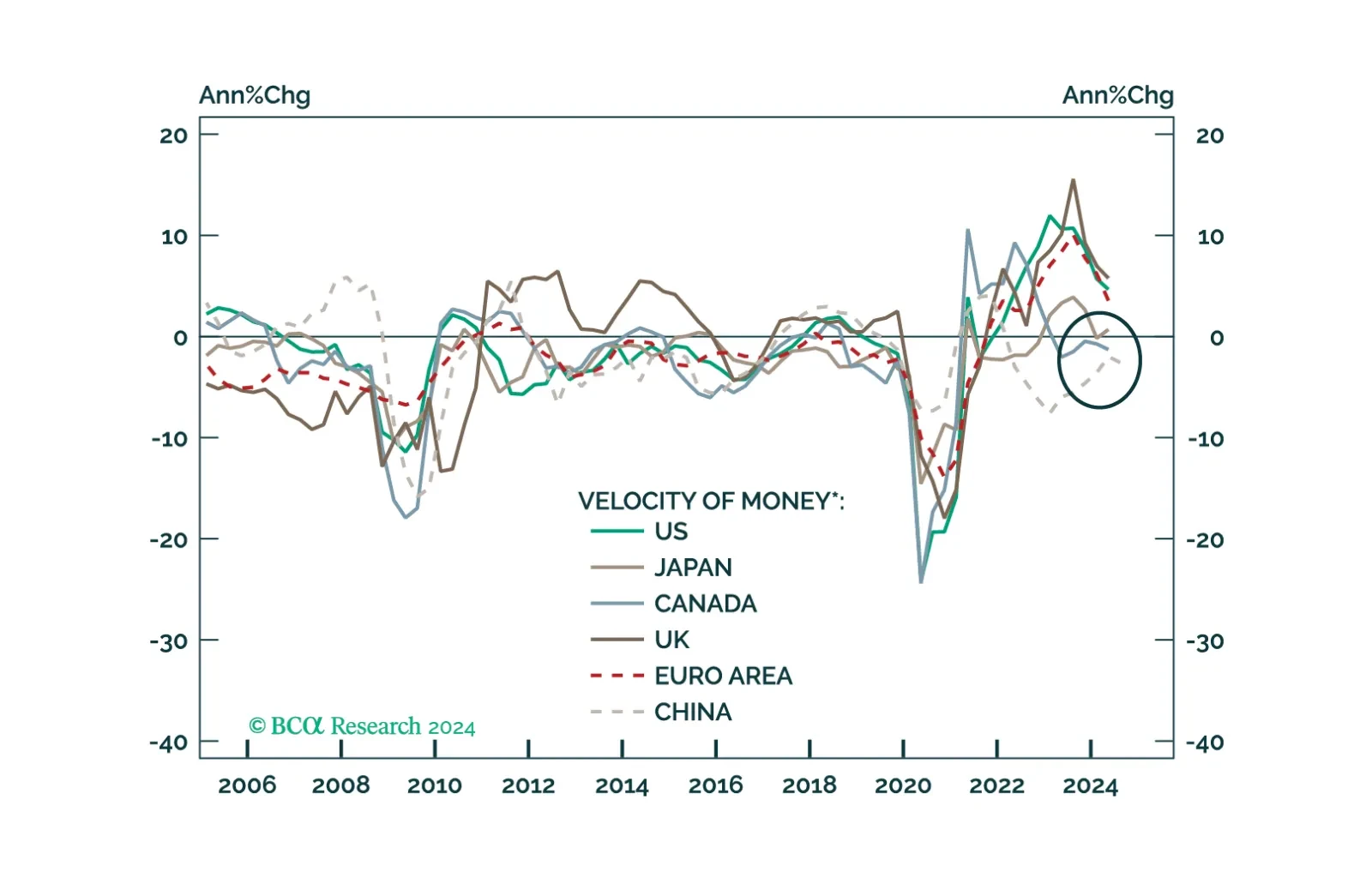
This Insight looks at the likely direction of bond yields and the dollar, from the lens of money velocity.
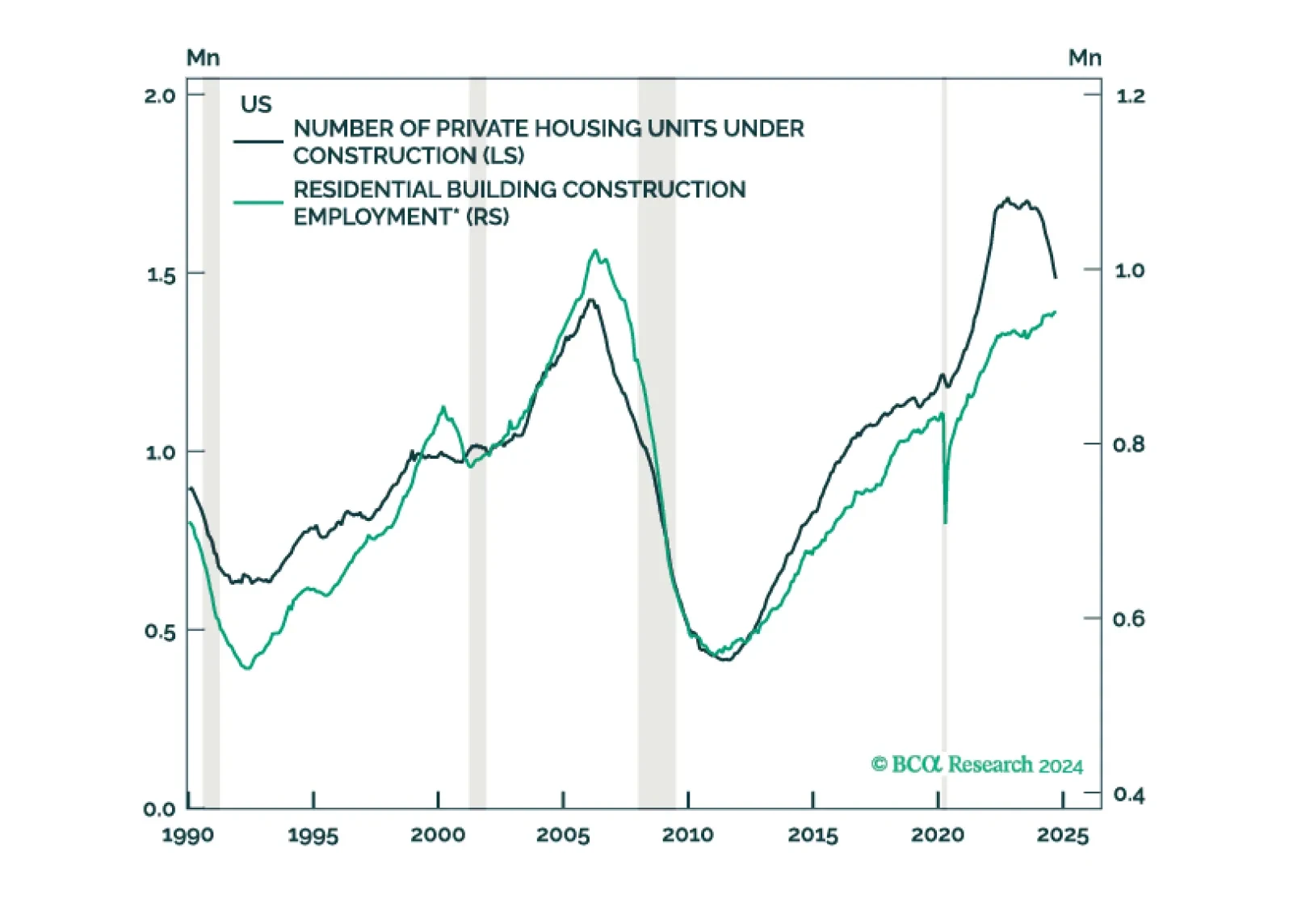
In August 2007, Ed Leamer famously presented a paper entitled Housing IS the Business Cycle at the Jackson Hole symposium. I was reminded of this paper after seeing today's US housing data.
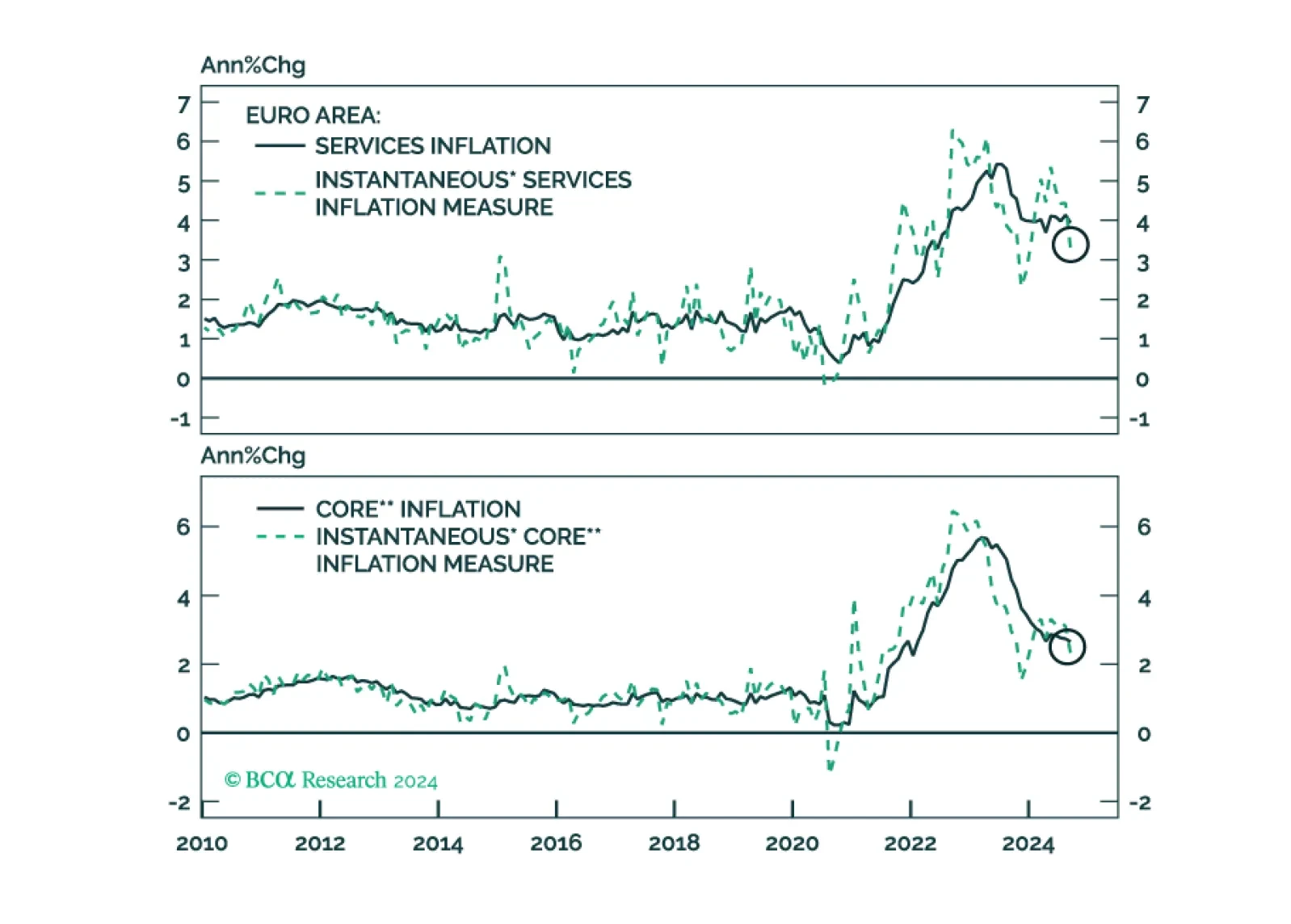
Yesterday, the ECB solidified its recent dovish tilt in response to weaker growth and decreasing inflationary pressures. It is now set to cut rates 25bps each meeting. How low will the ECB deposit rate ultimately go and what does this imply for yields and the euro?
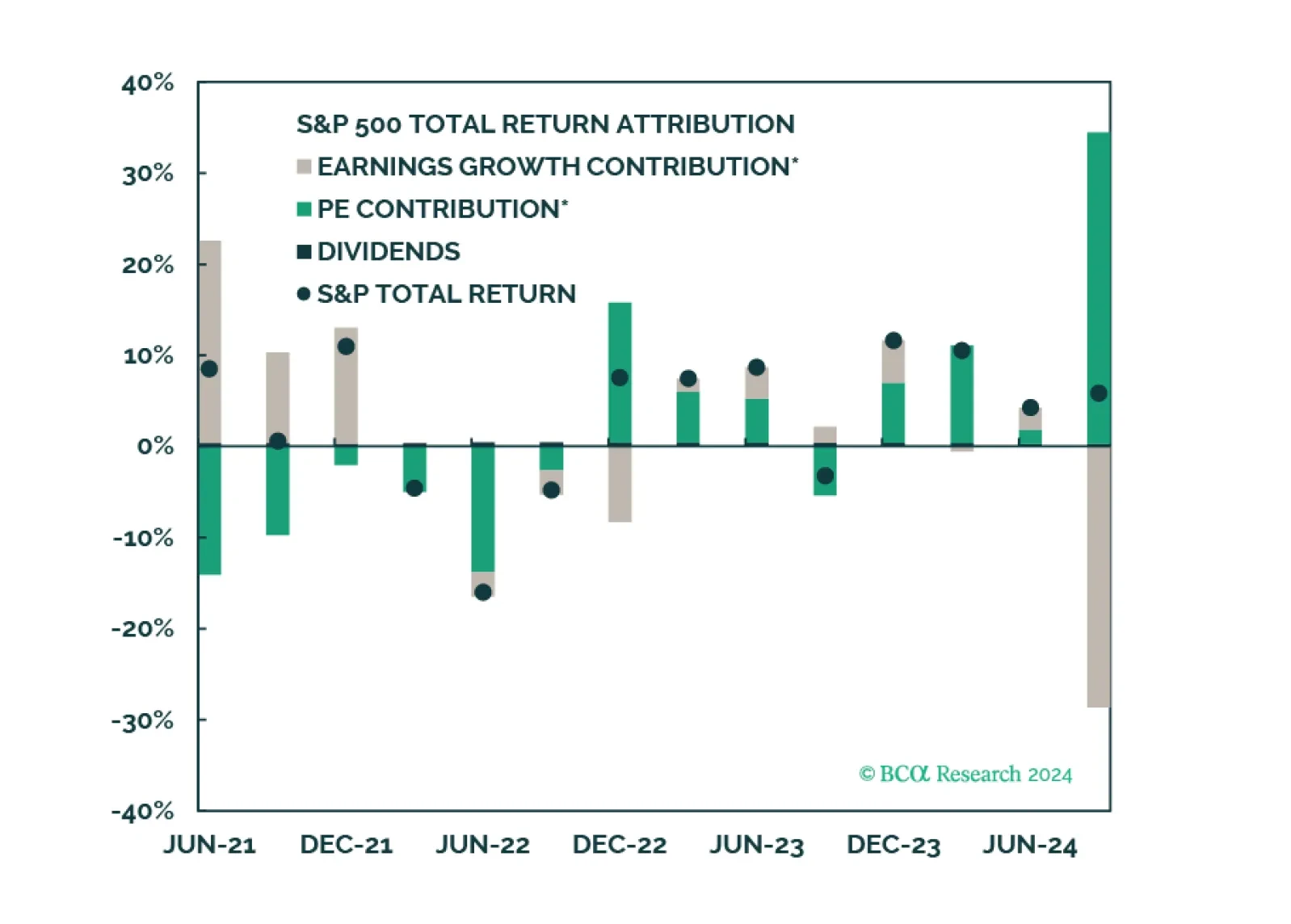
Earnings growth is expected to be strong enough to assuage investors' fears that recession is not yet imminent. Q3 earnings expectations have been revised downward over the past three months, and the bar for the beats has been lowered. Operating margins are also expected to expand.