Sorry, you need to enable JavaScript to visit this website.
Skip to main content

Fixed Income

Special Report

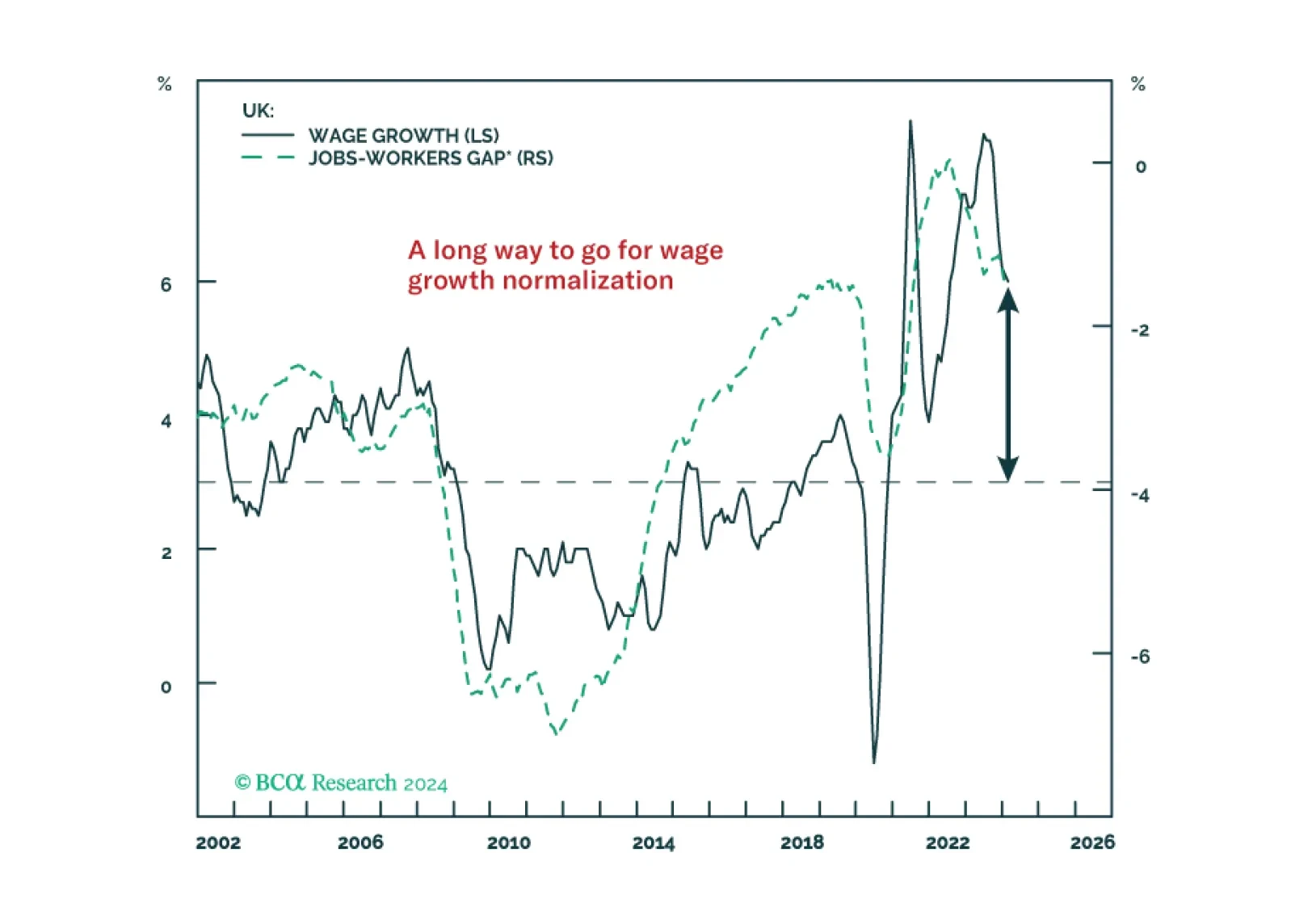
The UK labor market remains far too tight to expect wage growth to slow to levels consistent with the Bank of England inflation target. A true recession with rising unemployment is needed to finally slay the UK inflation beast. 2024 rate cuts are off the table, with the central bank having to keep monetary policy tighter for longer than markets expect and the UK economy now rebounding. We recommend downgrading UK gilts to underweight in global bond portfolios, while also looking for opportunities to buy the British pound on pullbacks versus the euro, Canadian dollar and Swedish krona.

USD/JPY has appreciated by over 10% so far in 2024, making the yen the worst performing G10 currency year-to-date. This cross has also surpassed the 150 threshold which historically is the level at which the Bank of Japan begins to intervene. Today, it stands…

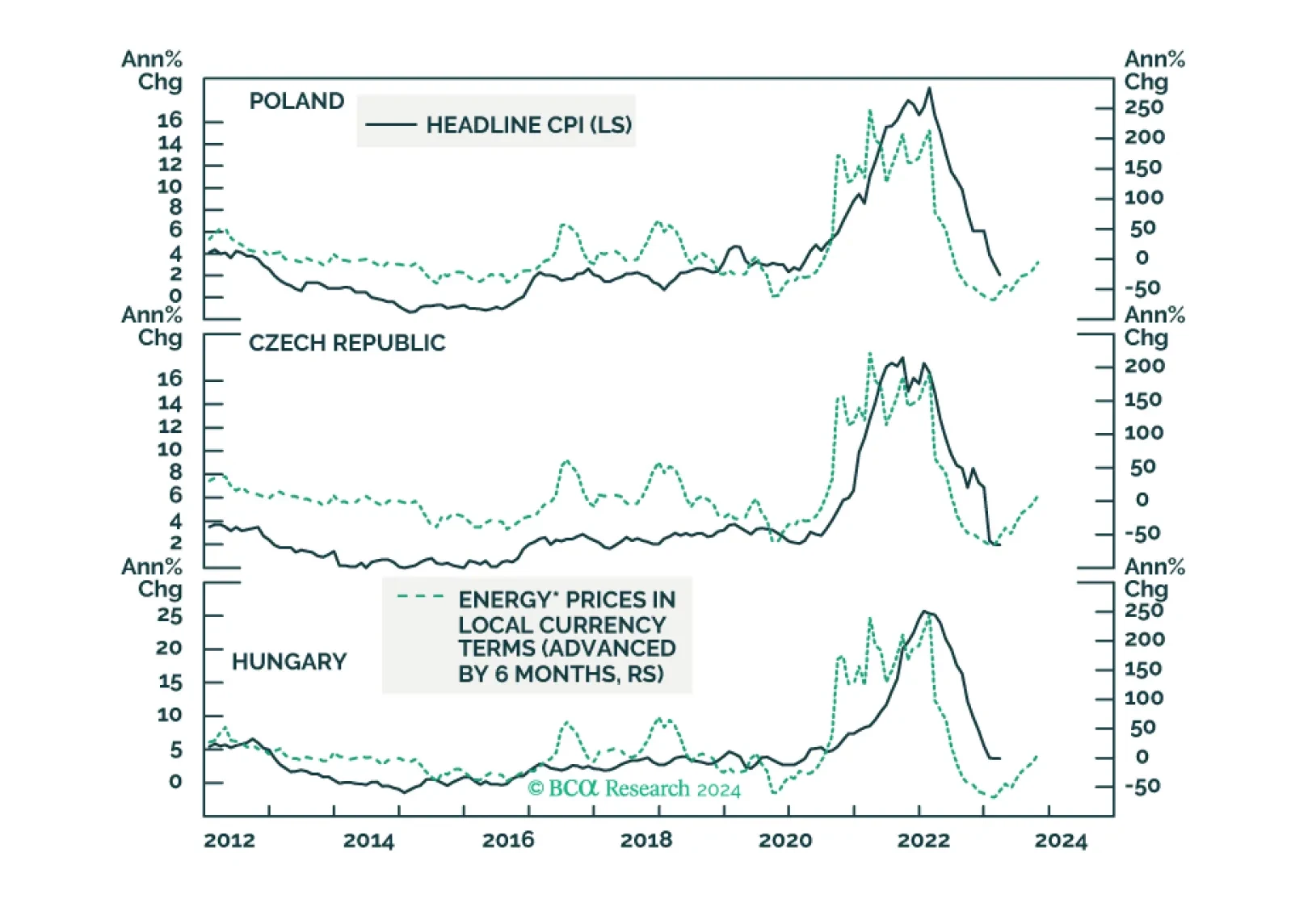
The disinflation process is over in Poland and Hungary. Only the Czech Republic will see its core inflation meet its central bank target this year. The reason is much tighter labor market dynamics in the first two. Investors should continue to short a basket of CE3 currencies vis-à-vis the US dollar.
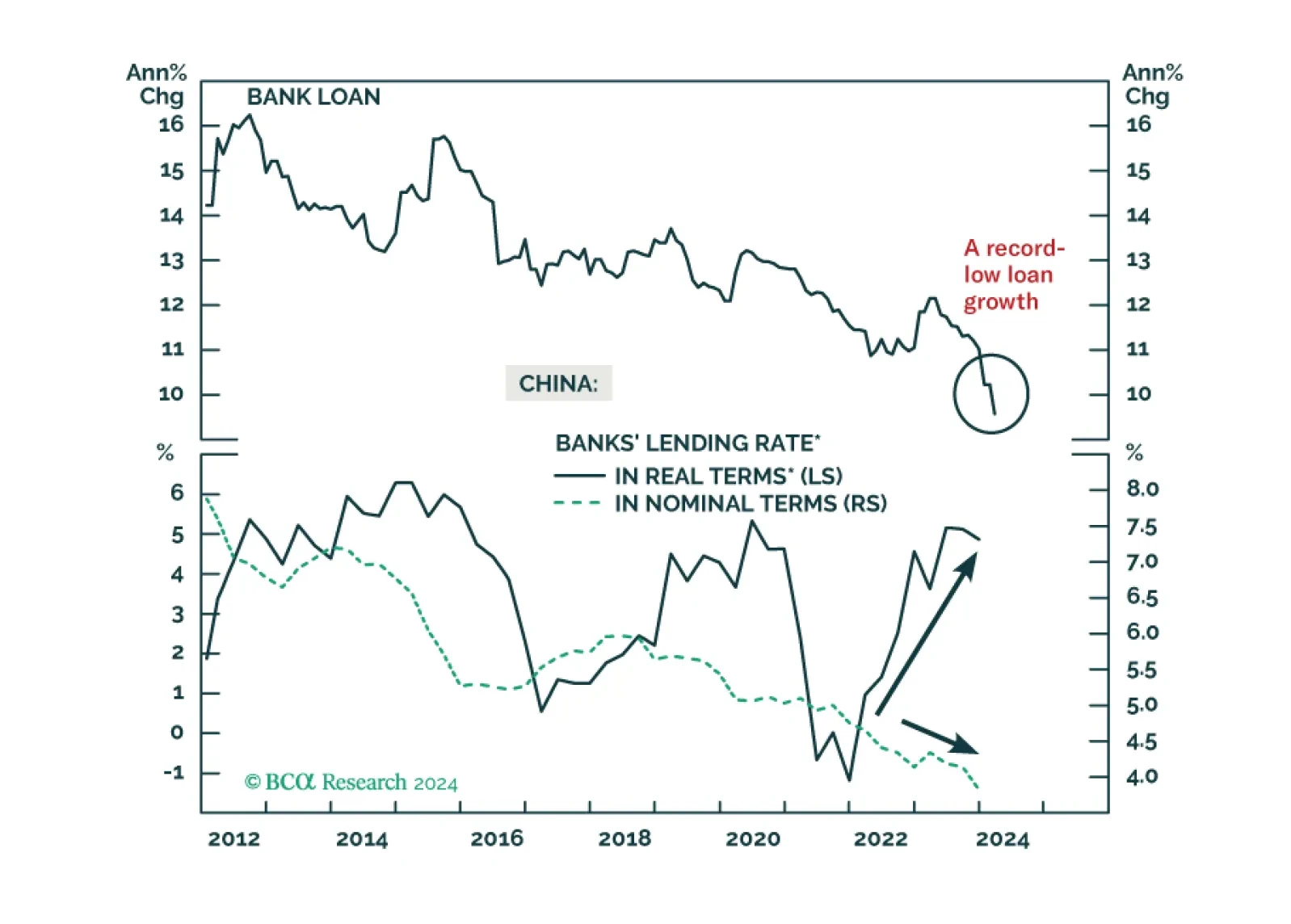
China’s economy is cruising at a very low altitude. The odds are that China’s equity rebound is running out of time. The RMB will continue to depreciate versus the US dollar in the coming months, albeit the pace may be modest.
UK retail sales volumes were flat in March, a decrease from the 0.1% growth registered in February and disappointing expectations of a 0.3% m/m increase. The details were mixed, with automotive fuel and non-food stores sales volumes rising by 3.2% and 0.5%,…
By the end of 2023, the “soft landing” scenario became the dominant narrative in financial markets. Following the regional banking scare in March of last year, market participants slowly came around to the view that the economy was entering a goldilocks…
Special Report

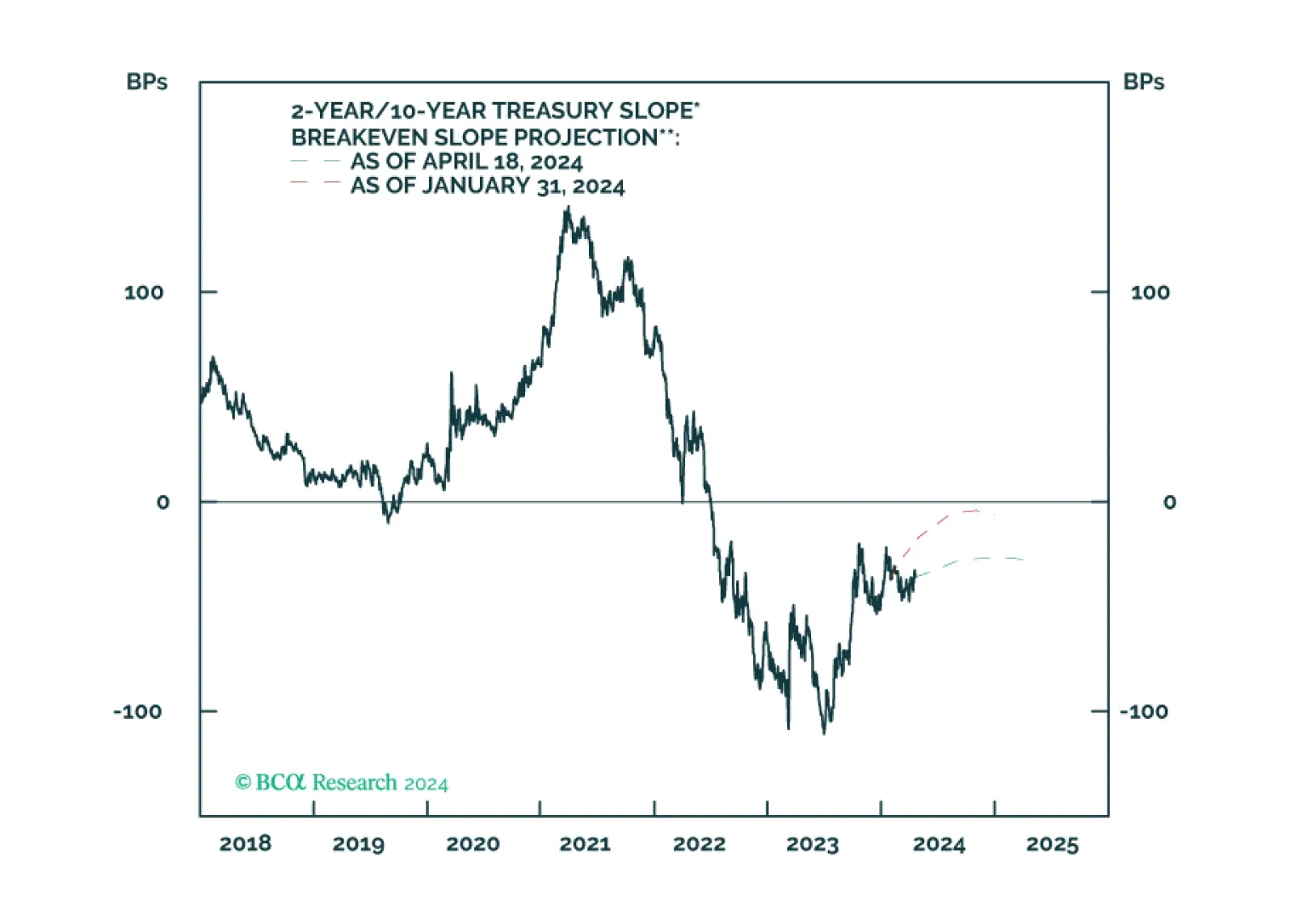
This Special Report introduces a framework for assessing the relative importance of slope change and initial yield in curve trade performance. The yield penalty for curve steepeners has fallen significantly since the beginning of the year, and we recommend shifting out of Treasury curve flatteners and into Treasury curve steepeners in US bond portfolios.

BCA’s US Beige Book Monitor – an indicator we use to gauge changes in the language of the Fed’s Beige Book report and which historically tracks US GDP growth – has improved in April. Nevertheless — and despite March's hot retail sales and February's…
The IMF’s latest fiscal monitor report highlighted the dangers that rising sovereign debt alongside rising deficits pose to advanced economies. The United States, in particular, is at risk. The IMF projects that fiscal deficits in the US will stay above 3% of…
The equity risk premium – calculated as the 12-month forward earnings yield minus the 10-year real rate – continues to drop both for US and global stocks, standing at 2.7% and 3.7% respectively. The compression of the equity risk premium has been the result…