Skip to main content

Latest from BCA Research
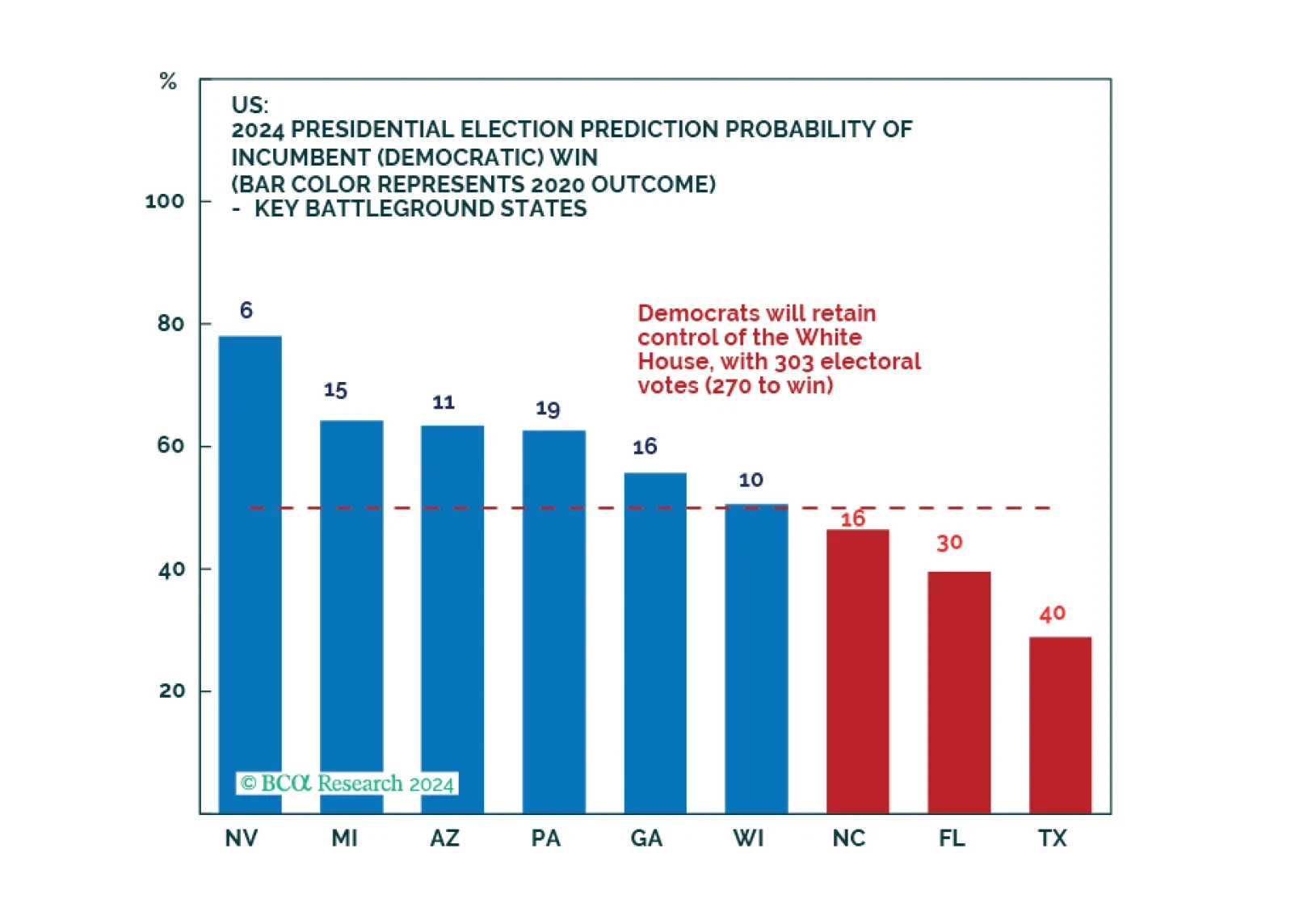
Democrats will not win a full sweep and implement drastic new tax hikes. However, our quant model still favors them to win the White House and just upgraded their odds. While we expect equity volatility around the election, investors do not need to worry about corporate tax hikes.
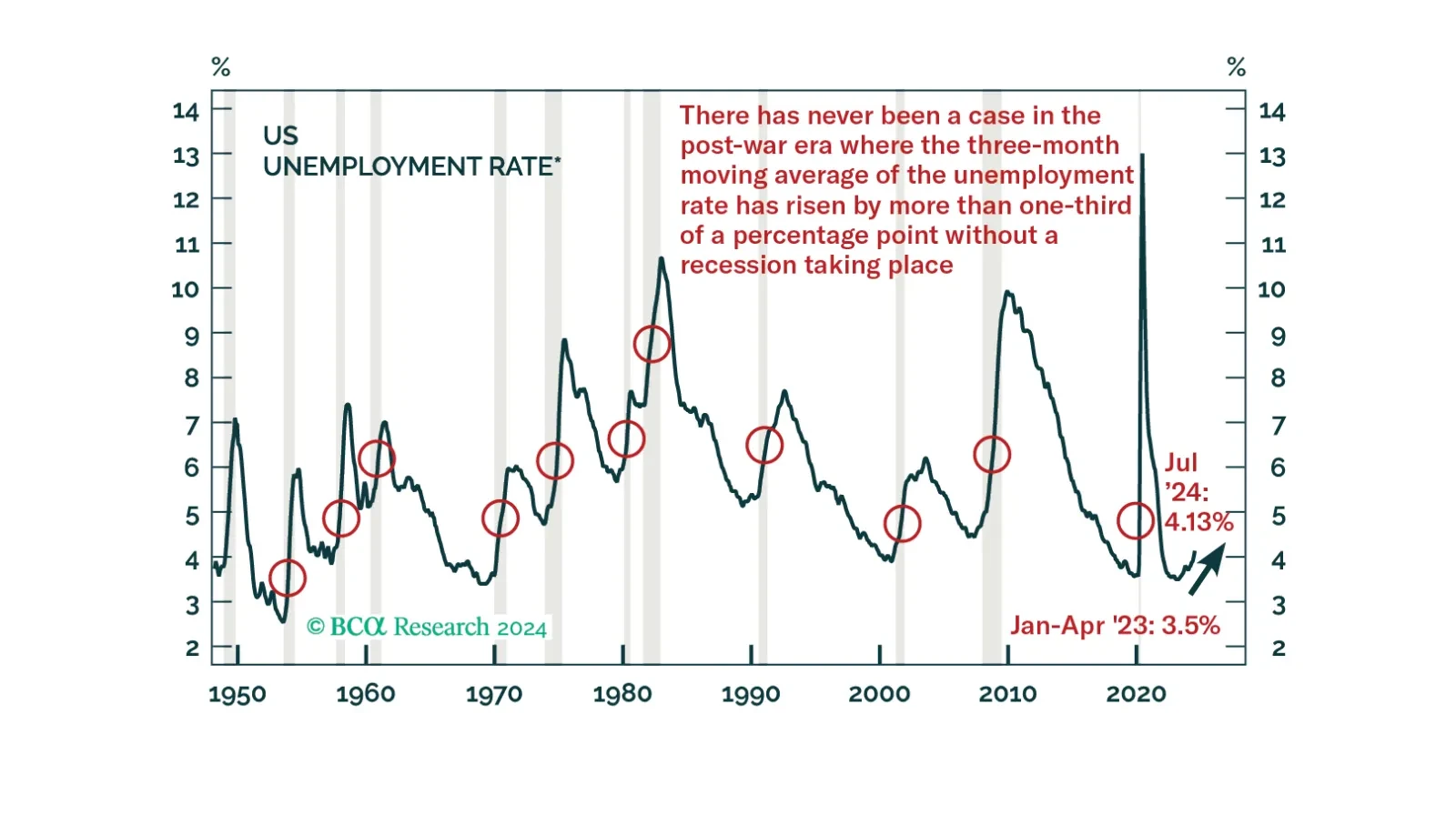
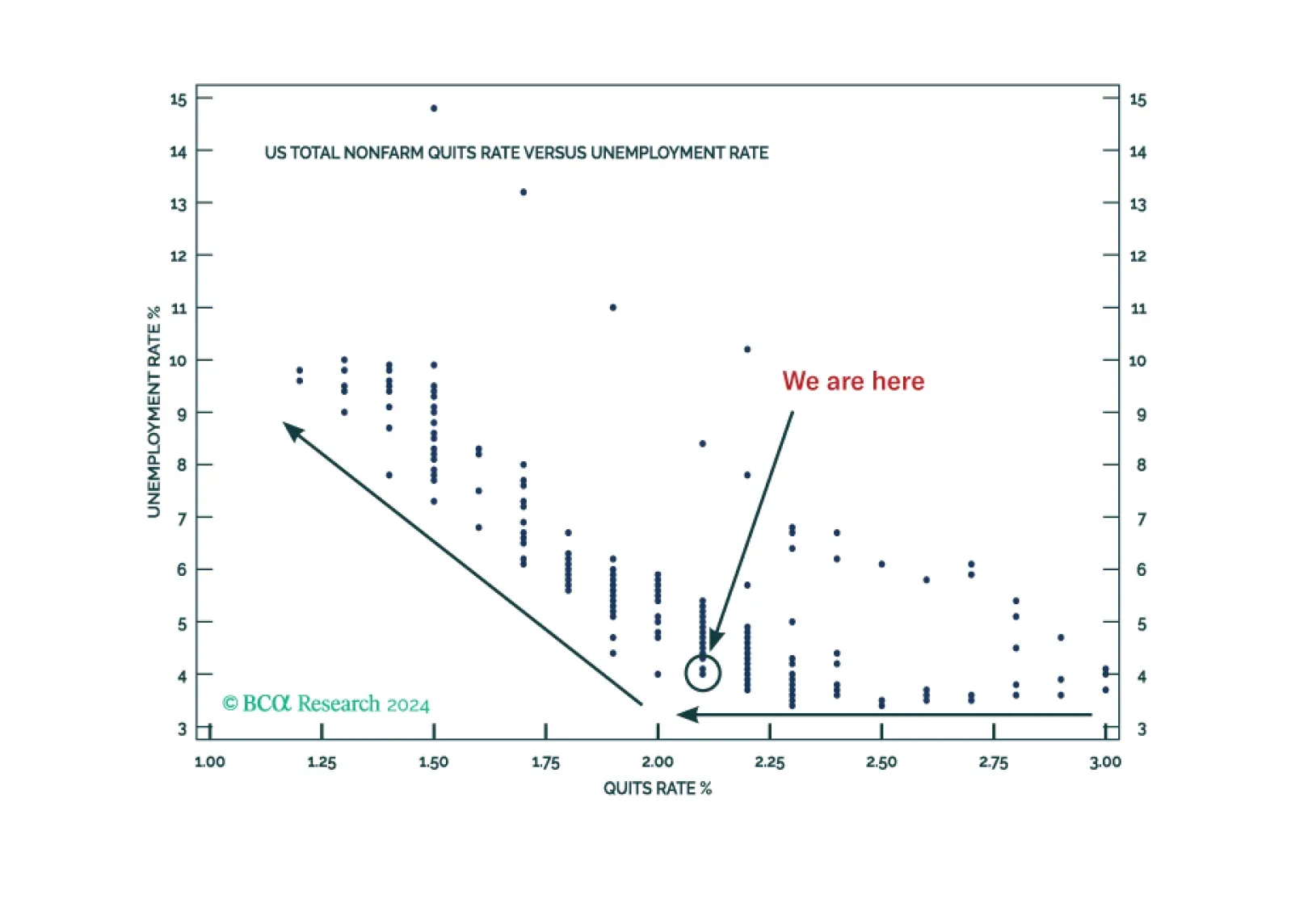
Our annual end-of-summer chartbook report traces the labor market deterioration that led us to downgrade equities at the beginning of August. It also highlights the soft-landing expectations that the credit and equity markets are discounting. We like the risk-reward profile of our newly defensive stance.
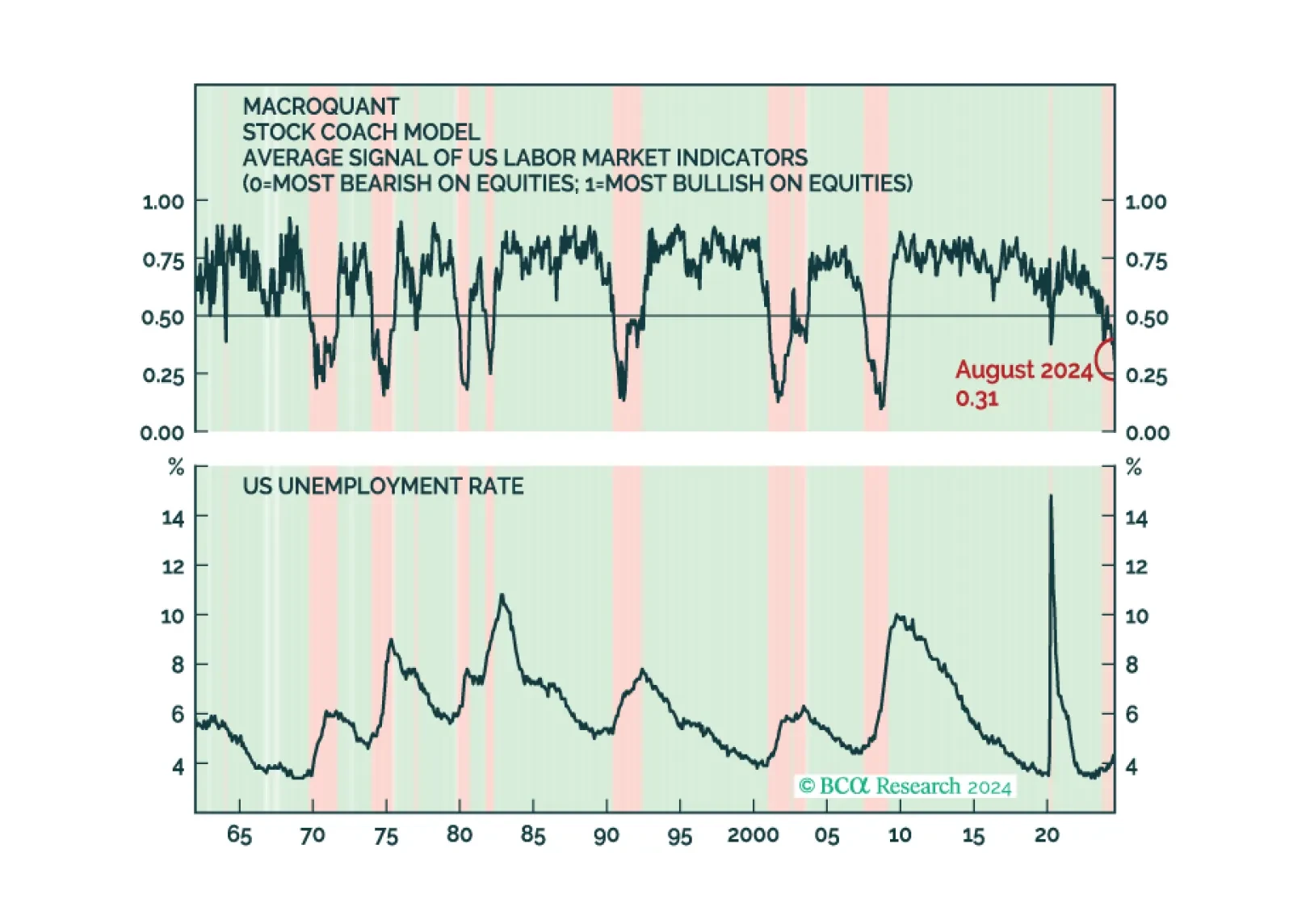
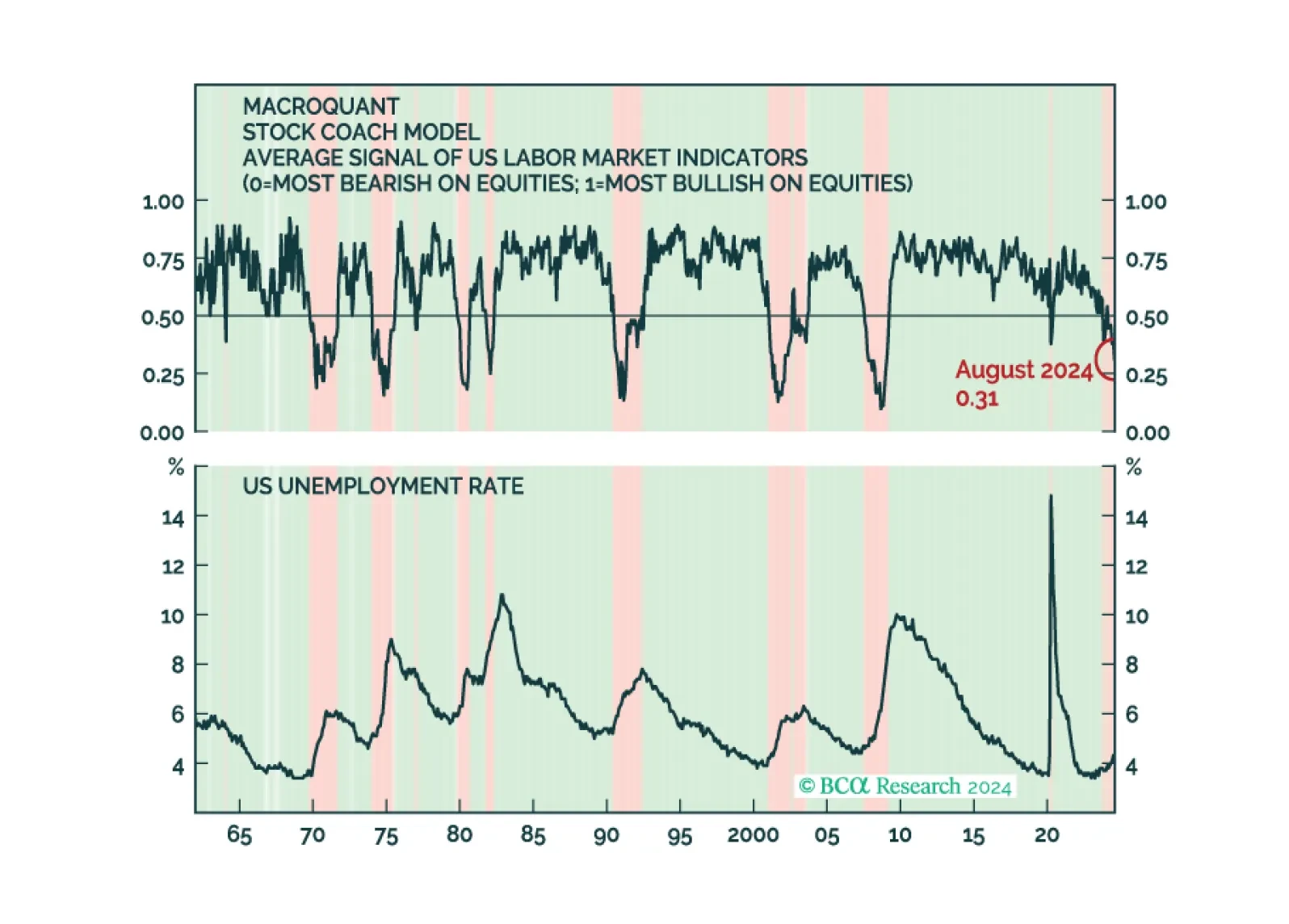
MacroQuant continues to recommend underweighting equities and overweighting bonds. This is consistent with the Global Investment Strategy Team's decision to downgrade global equities to underweight in late June.
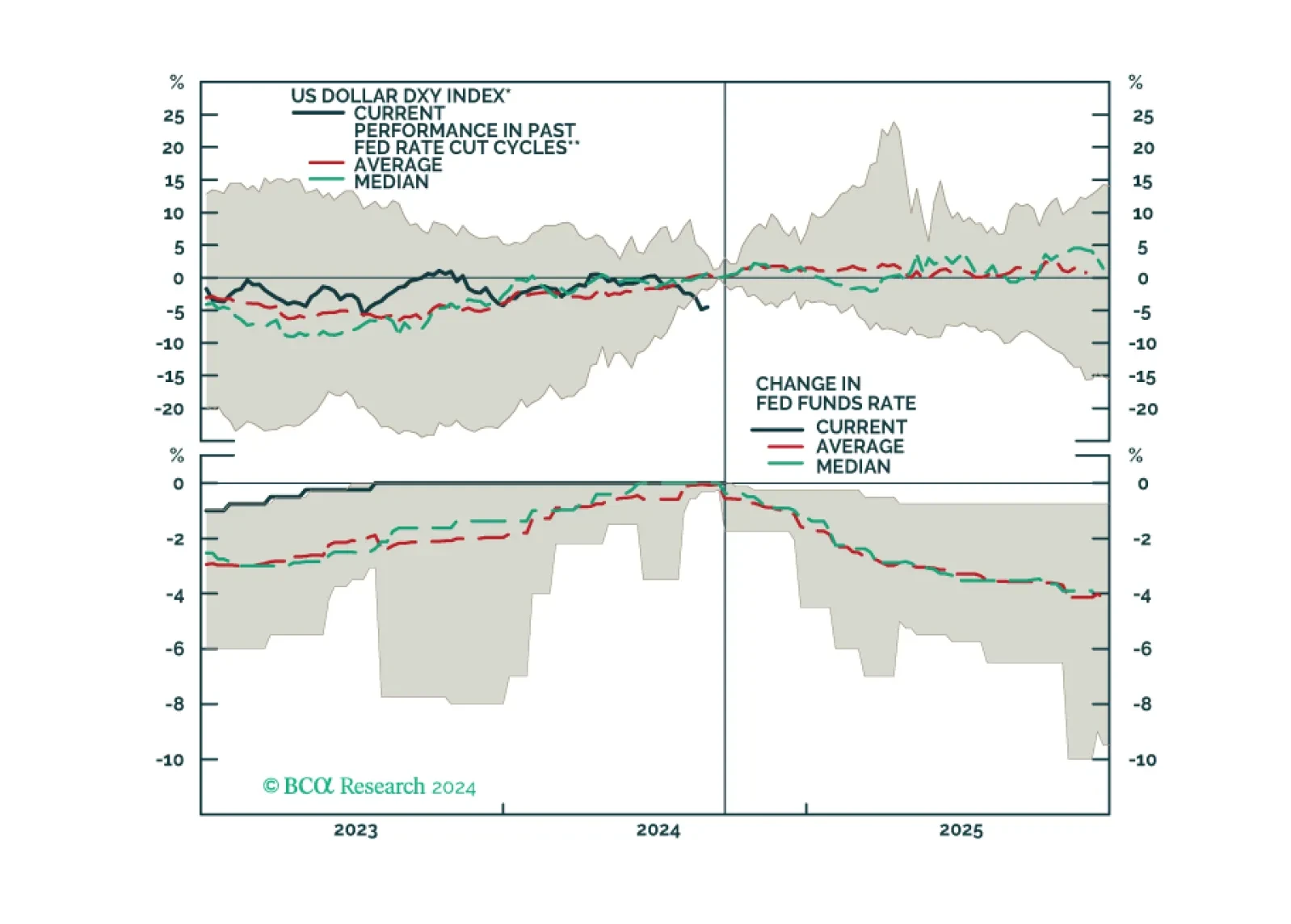
This Insight looks at potential dollar moves in the next six-to-twelve months.
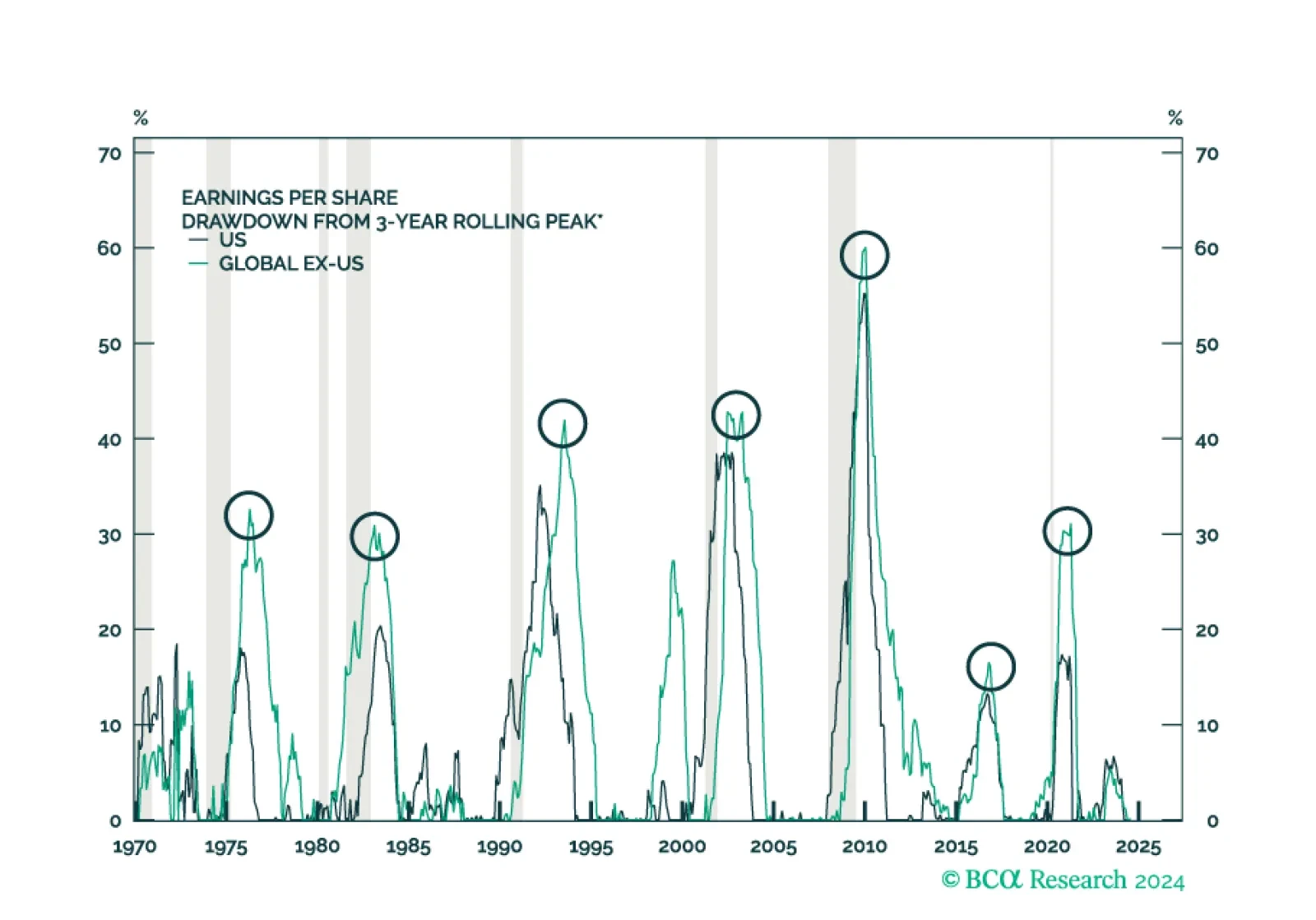
Bank Credit Analyst In Section I, we discuss the economic and financial market outlook in the wake of Jerome Powell’s Jackson Hole speech. Equity investors may pursue a bullish rate-cut narrative for a few months, and it is possible that the economic data will remain consistent with a soft landing for a time. However, we recommend selling rather than buying such a rally, given an ongoing decline in labor demand that will ultimately turn recessionary. Investors should remain conservatively positioned. In Section II, we present a list of answers to questions that we have received about our equity portfolio positioning recommendations. We continue to recommend underweighting small caps, overweighting US stocks, and favoring defensive sectors. We are neutral growth versus value for now but expect to downgrade once clear recessionary dynamics emerge.
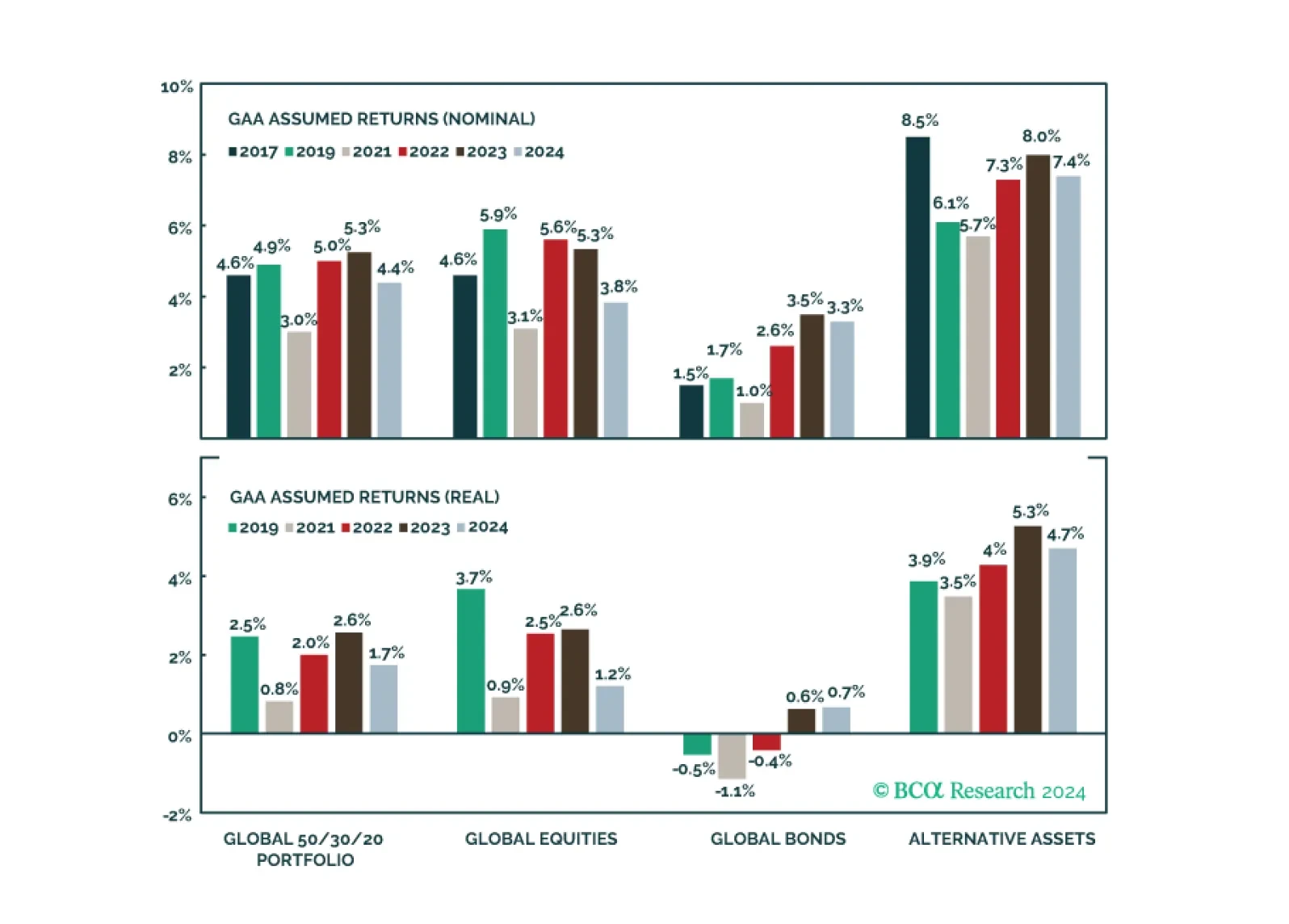
Special Report We update our long-term return assumptions for public and private assets. A global portfolio is likely to return only 4.4% a year over the next decade, compared to 6.9% in the past. Investors either need to lower their return expectations, or take more risk. On top of this annual update, we are also publishing a companion piece offering our analysis on the long-term return outlook for different asset classes.
Chinese property developers will require at least RMB 500 billion in additional government funding to prevent further declines in housing completions for the rest of 2024. However, without addressing the underlying challenges, any new rescue measures similar to those announced in May are unlikely to effectively support the real estate market.
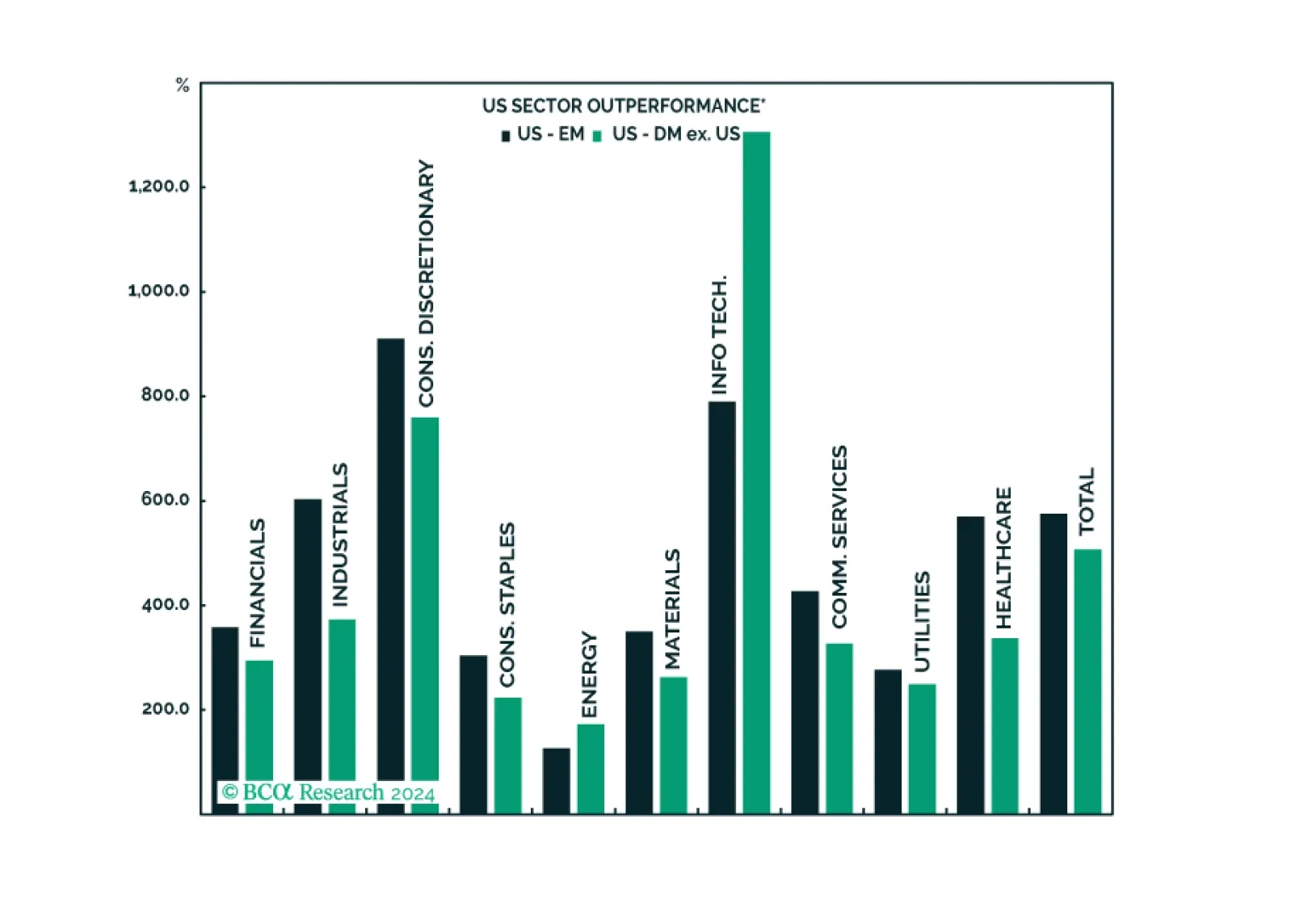
Special Report This companion piece to our updated return assumptions offers our analysis on themes related to strategic asset allocation. This year, we discuss: The long-term outlook for US stock market outperformance, the role of dilution and economic growth in long-term equity returns, how investors can use equity factors over the strategic horizon; the role of the term premium when making a strategic allocation to government bonds, and the benefits of including commodities in a strategic portfolio coupled with the dynamics of commodities supercycles.