Sorry, you need to enable JavaScript to visit this website.
メインコンテンツにスキップ
メインコンテンツにスキップ

Inflation/Deflation

Japanese equities and government bonds sold off on Monday and the yen strengthened following the release of the revised Q4 GDP report showing the economy expanded by an annualized 0.4% q/q in Q4 2023 versus earlier estimates of a 0.4% contraction. A…
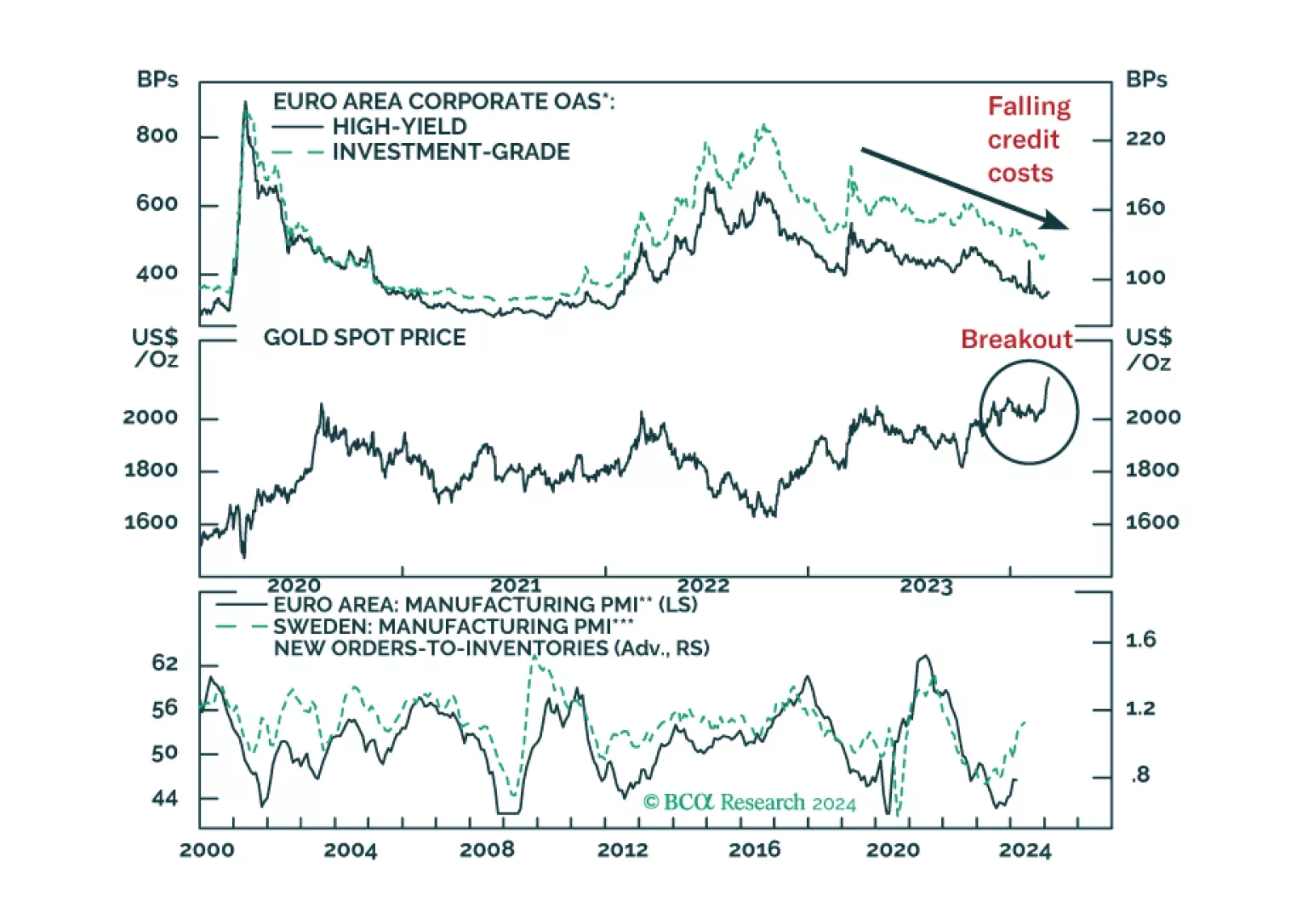
According to BCA Research’s European Investment Strategy service, last week’s ECB meeting confirmed their long-held view that the most likely date for the first ECB rate cut would be June. The ECB continues to acknowledge that the European economy is soft…

We are pushing back the anticipated start date for a Eurozone recession and assessing how it affects our equity stance.
As we discussed in a recent Insight, the krone is the top pick for our Foreign Exchange Strategy team. The krone upgrade is one of the most significant changes in our colleagues’ attractiveness ranking model. Norway has the perfect storm of sticky inflation,…
Our Emerging Markets Strategy team posits that the South African economy is heading into a recession later this year. The South African government refrained from announcing any stimulus measures in its recent budget proposals. The fiscal plan for 2024-25…
According to Factset, analysts are forecasting S&P 500 earnings and revenues to grow by 11.0% y/y and 5.0% y/y respectively in 2024 (an acceleration from 0.9% and 2.8% in 2023). Information technology and communications services (broadly-defined tech) are…

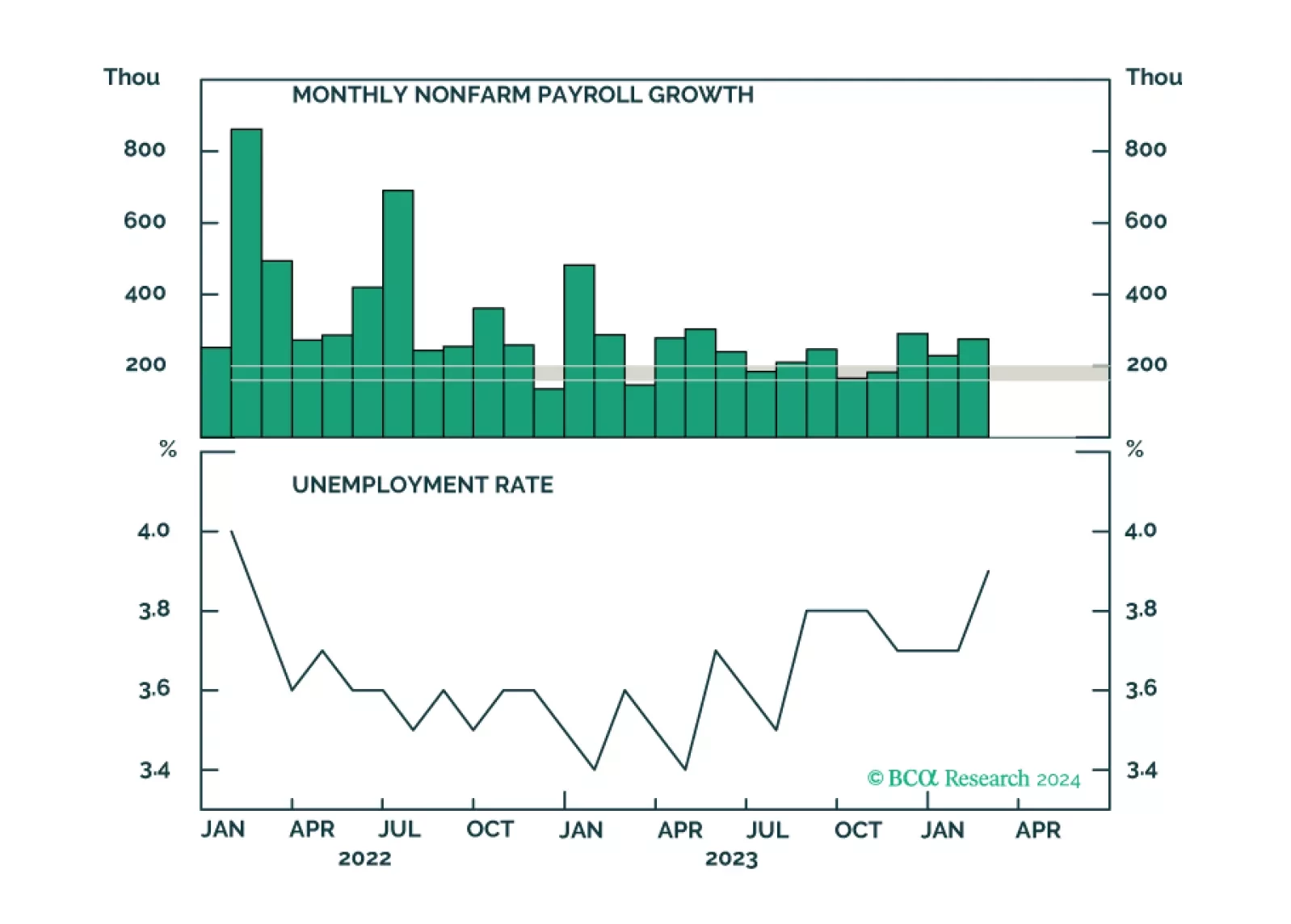
We update the indicators in our duration checklist following this morning’s employment report.
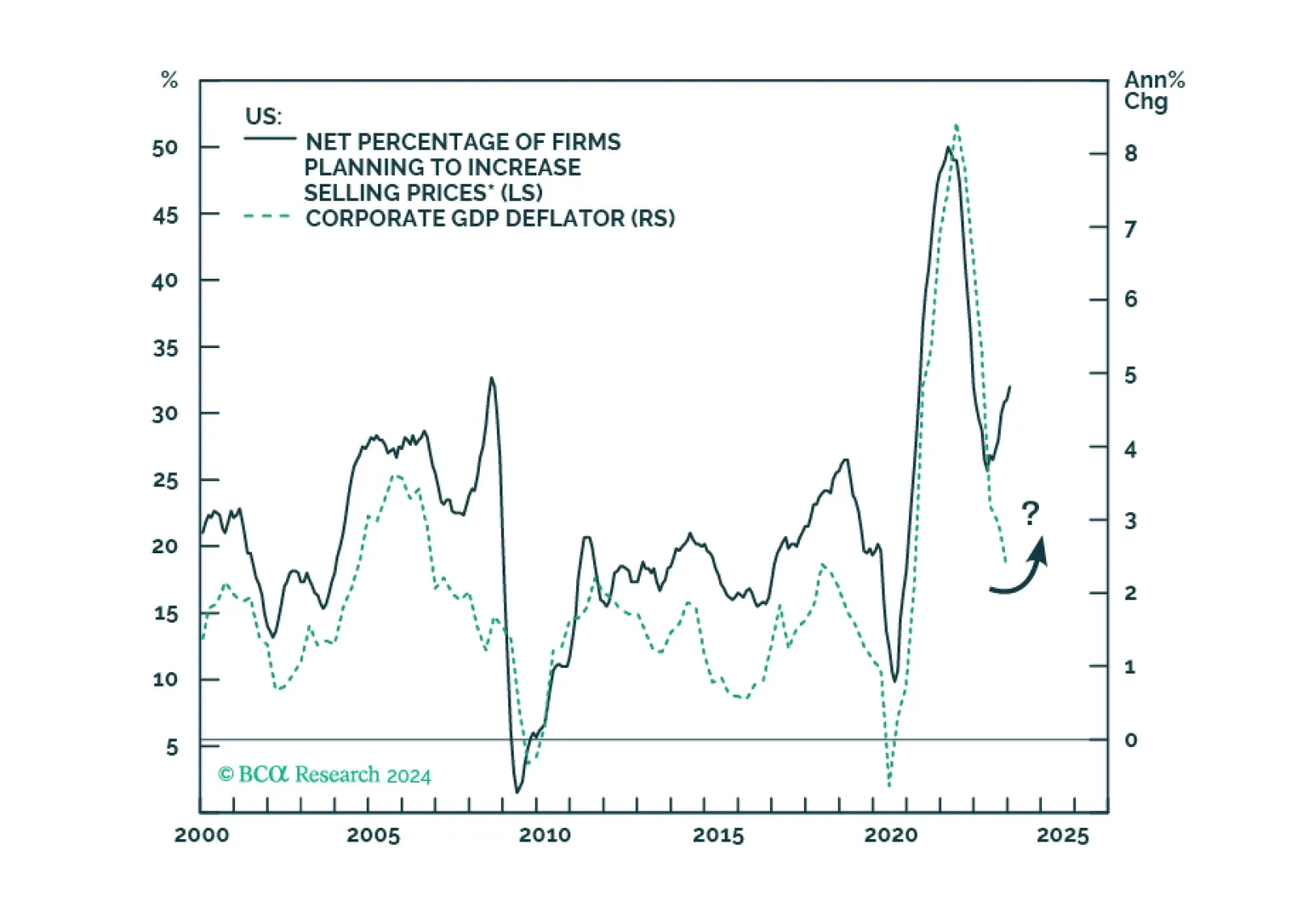
Presently, our four high-conviction themes are: (1) the US dollar will rally as US growth continues to outpace the rest of the world; (2) US equities will continue to outperform EM and European stocks until a major sell-off occurs; (3) a US profit margin squeeze is imminent; (4) EM domestic bonds and sovereign USD bonds are due for a setback.
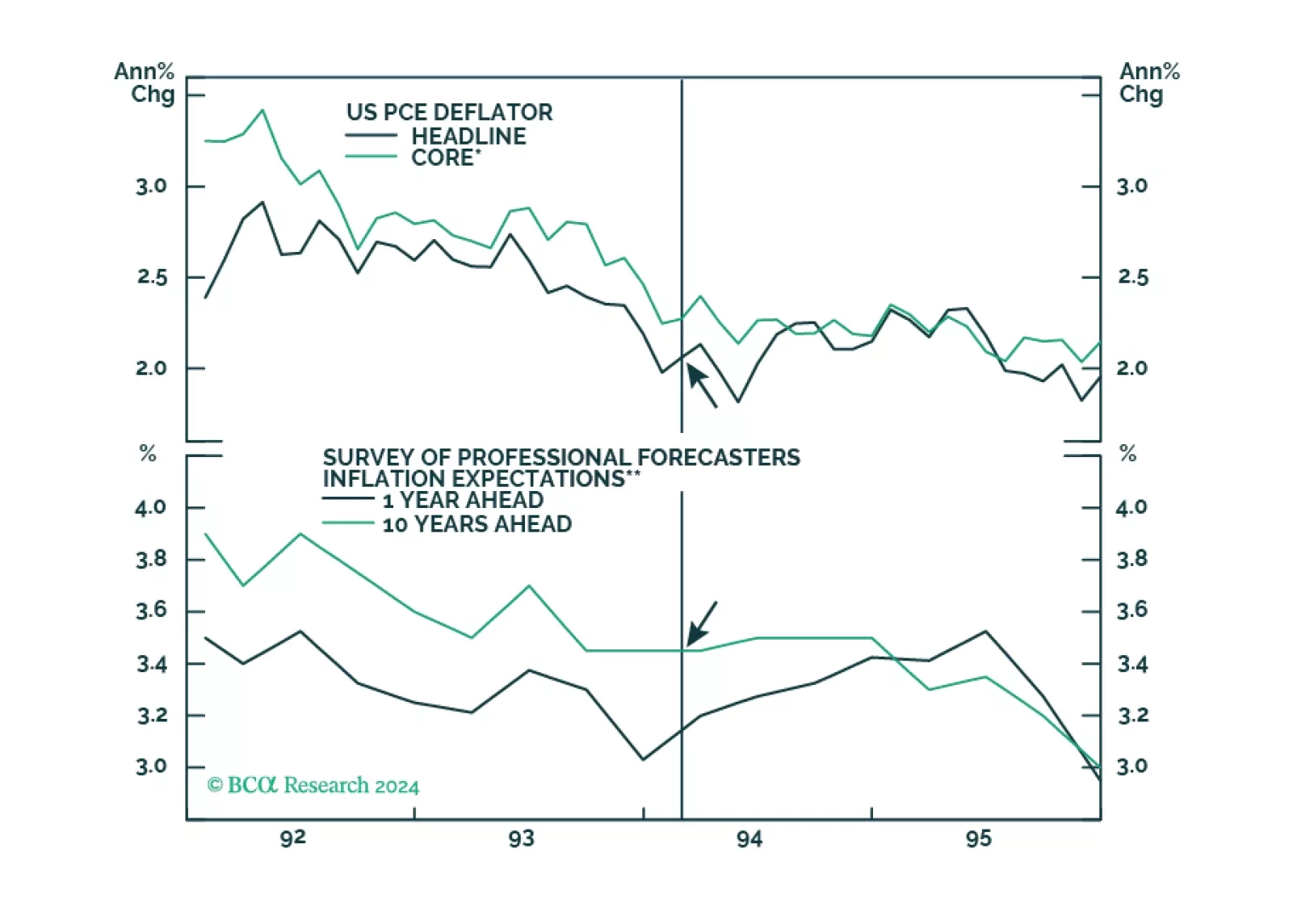
Many investors have cited the 1994 tightening cycle as an example of how the Fed managed to raise rates without triggering a recession. However, the unemployment rate was 6.5% in early 1994, which meant that inflation was less of a risk than it is today. Productivity growth also accelerated starting in the mid-1990s. While something similar may happen again thanks to AI, so far this is not visible in the aggregate productivity data.

The Bank of Canada (BoC) kept its policy rate steady at 5% for the sixth consecutive meeting yesterday, in line with expectations. The BoC, which has changed its communication policy to now provide a press conference after every meeting, reasserted the need…