Asia

China’s November PMIs were mixed, and reflected very low growth. The official composite PMI was unchanged at 50.8, driven by a small uptick in manufacturing to 50.3 and a small downtick of services to 50. The Caixin manufacturing PMI jumped to 51.5 from 50.3.…
The November ISM Manufacturing index beat expectations, increasing to 48.4 from 46.5 in October. The improvement was partly driven by the new orders component, which increased to 50.4 from 47.1. Price pressures moderated. The underlying details of the report…
This week we conduct a thorough audit of our open positions by revisiting the original basis and subsequent performance of all 13 cyclical recommendations. Following the review, we recommend closing 6 of the 13 positions.
The November Philly Fed manufacturing survey missed expectations and fell to -5.5 vs. 10.3 in October. New orders and shipments softened although they still indicate growth. Most indicators of current activity decreased, while indicators of expectations…
Taiwanese export orders surprised positively when a deceleration was expected, printing at 4.9% y/y, up from 4.6% in September. The increase was spread across most categories, with exports of electronic products accelerating to 11.2%. Japanese exports also…
East Asian exports reveal the global economy keeps decelerating. Singaporean non-oil domestic exports (NODX) missed expectations and decelerated in October, falling 7.4% m/m (-4.6% y/y). Electronics exports grew 2.6% y/y, slowing down from 4.0% in September.…
Chinese activity indicators showed resilience in October, with retail sales jumping from 3.2% to 4.8% y/y. Industrial production growth was roughly unchanged at 5.3% y/y. New and used home prices keep falling, albeit at a slower pace. We would fade this…
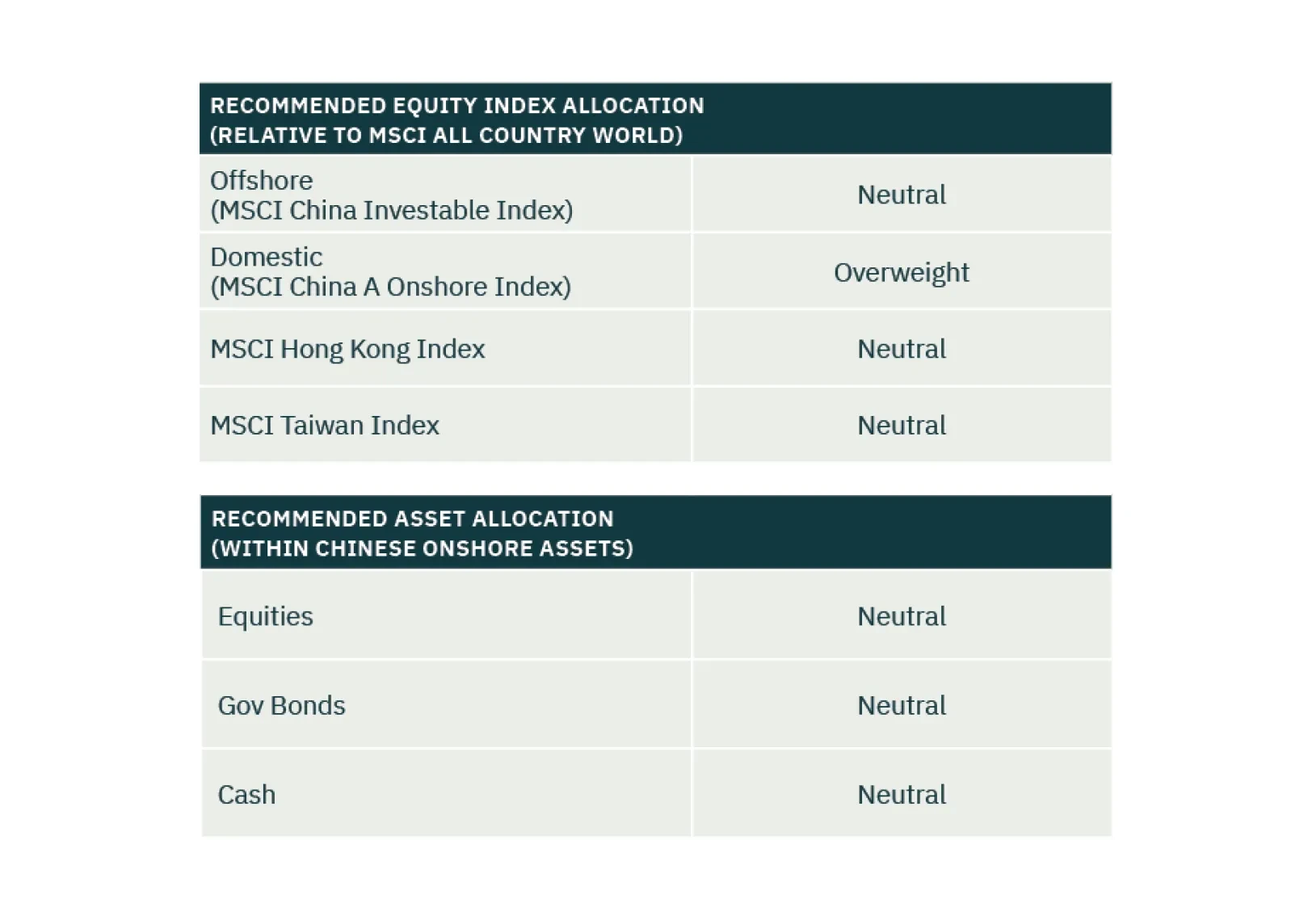
Our China Investment Strategy team assessed the country’s outlook in a context of underwhelming stimulus and rising trade tensions. Trump’s re-election raises the likelihood of tariff hikes on Chinese exports. China’s recent stimulus announcements…
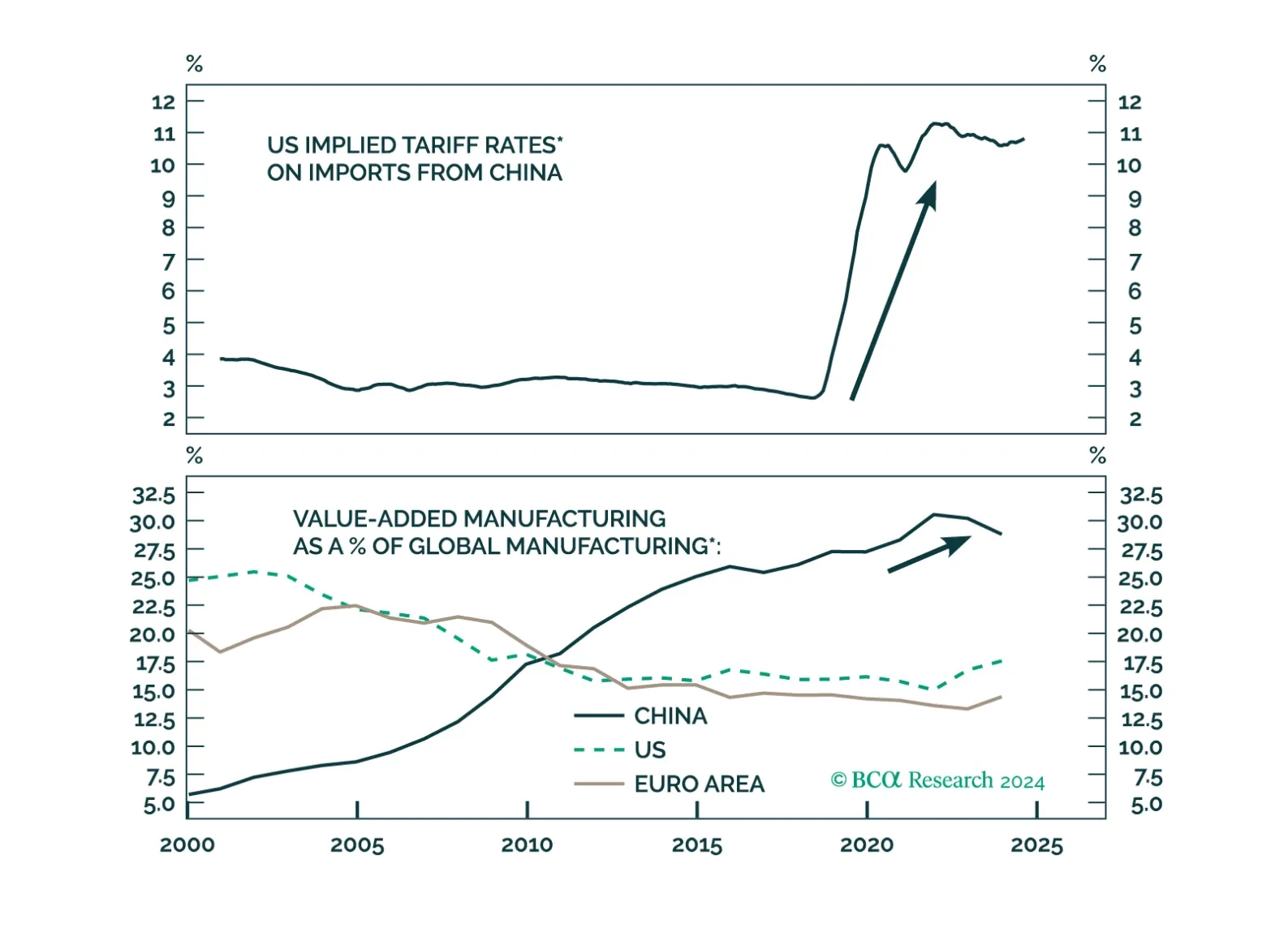
La reelección presidencial de Trump convierte los aumentos de aranceles de EE. UU. sobre las exportaciones chinas en una amenaza inminente. Beijing ha realizado amplios esfuerzos para reducir la exposición al riesgo de la economía doméstica y diversificar el comercio alejándolo de EE. UU. Sin embargo, China no está hoy mejor posicionada que en 2018 para soportar el impacto de una guerra comercial renovada.
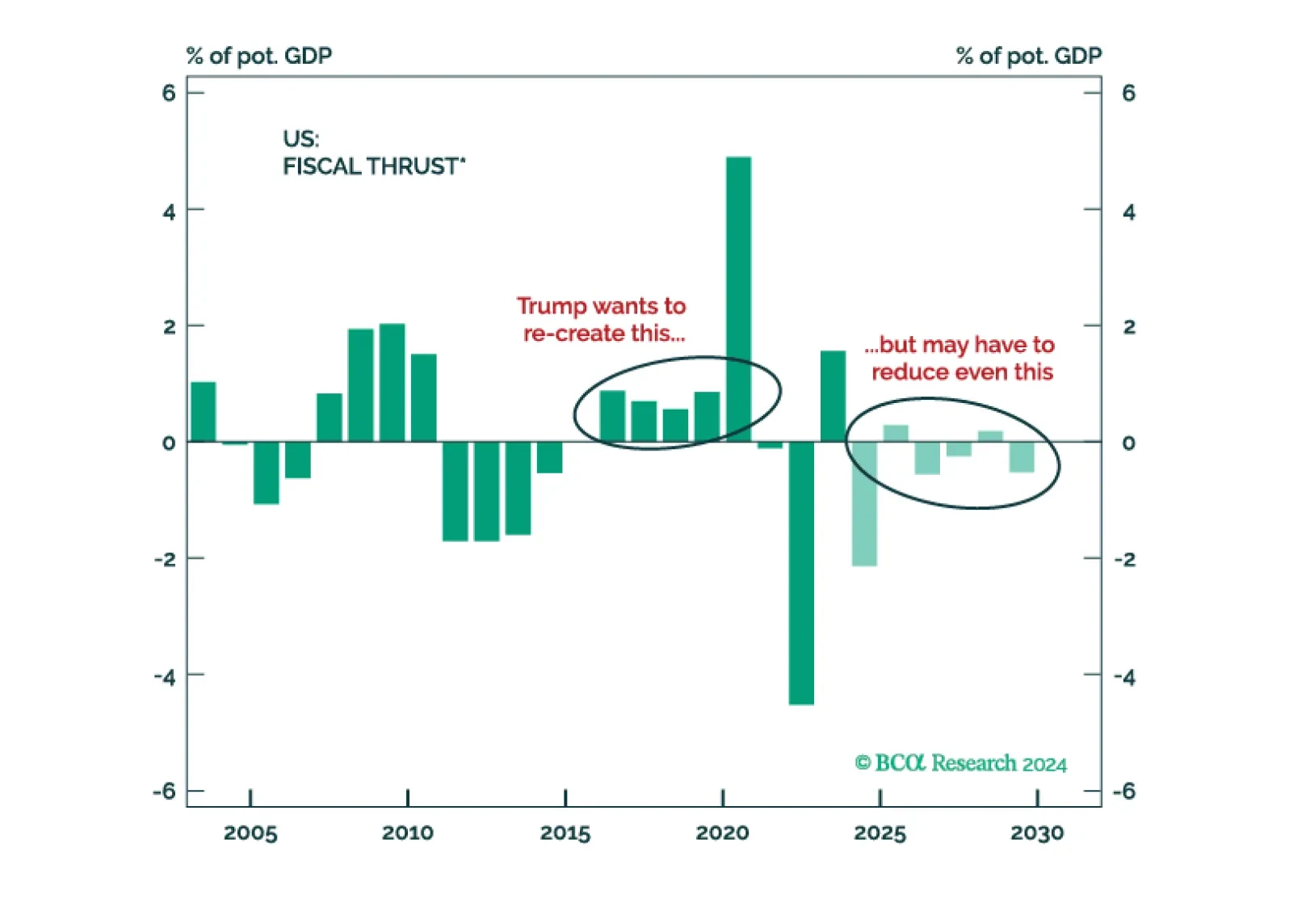
¡El mes de noviembre nos ha traído S&P 6,000! El presidente Trump ha ganado una “Red Sweep” (como esperábamos todo el año) y ha dado paso a un cambio de régimen en Estados Unidos. Por ahora, estamos abiertos a aprovechar el impulso. Sin embargo, el mayor riesgo para el mercado son los rendimientos de los bonos, que deberían subir a medida que los inversores empiecen a valorar las políticas del presidente Trump y su impacto en los déficits.