Saltar al contenido principal

Essentials

Concise macro insight that cuts through daily noise, helping clients stay informed on what matters in markets, why it matters, and how to talk about it, without spending hours reading research.
Explore Essentials
Bank Credit Analyst Today, we are sending you the BCA annual outlook for 2024. The report is an edited transcript of our recent conversation with Mr. X and his daughter, Ms. X, who are long-time BCA clients with whom we discuss the economic and financial market outlook for the next twelve months toward the end of each year.
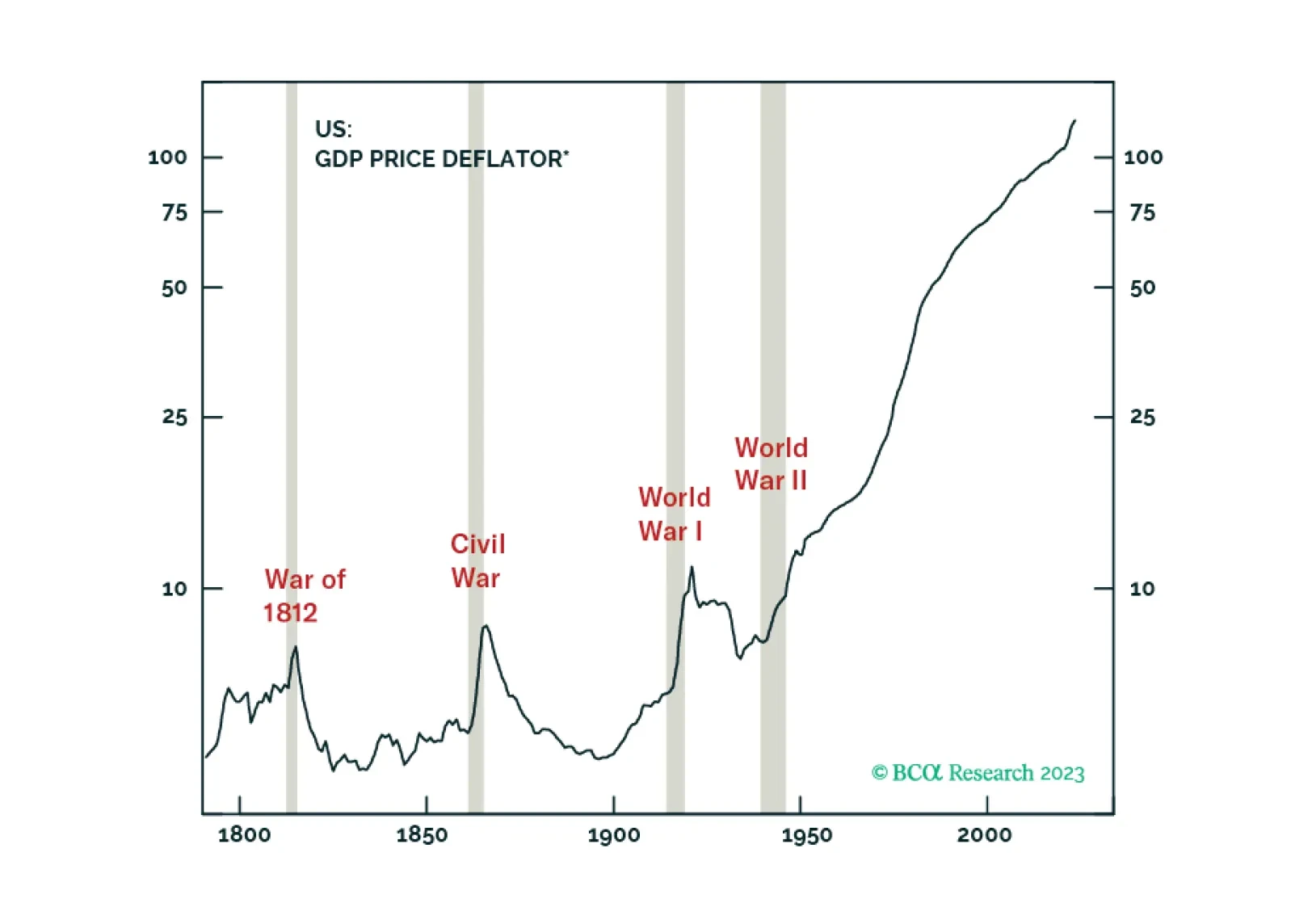
Bank Credit Analyst Section II of this month’s Bank Credit Analyst report is a guest piece written by Martin Barnes, which we are making available to all clients. Martin, who retired from BCA Research as Chief Economist in 2021 after a long and illustrious career, expresses his personal views about the long-run outlook for inflation. He argues that the multi-decade disinflationary era is over, which will bring significant challenges for both policymakers and investors.
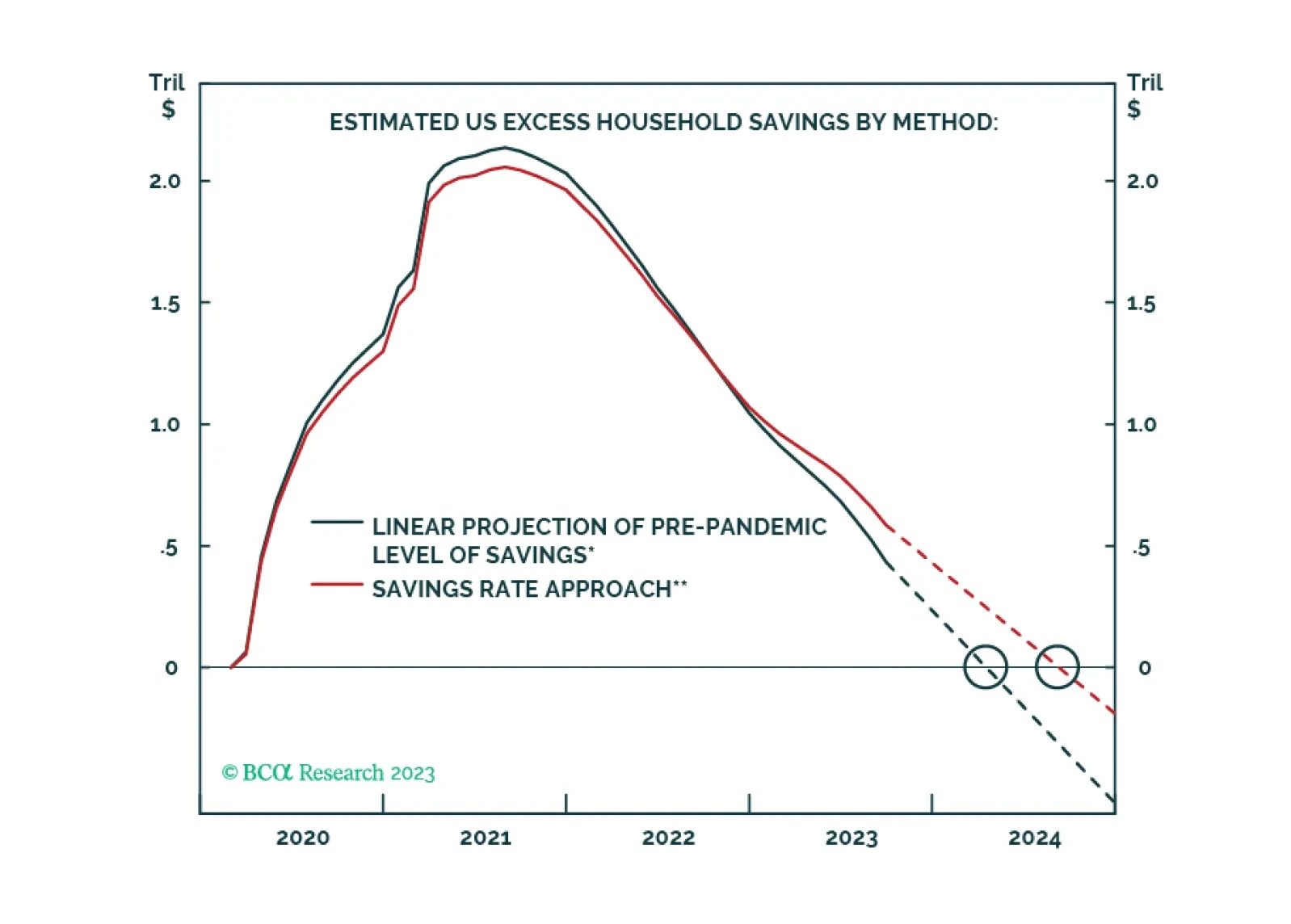
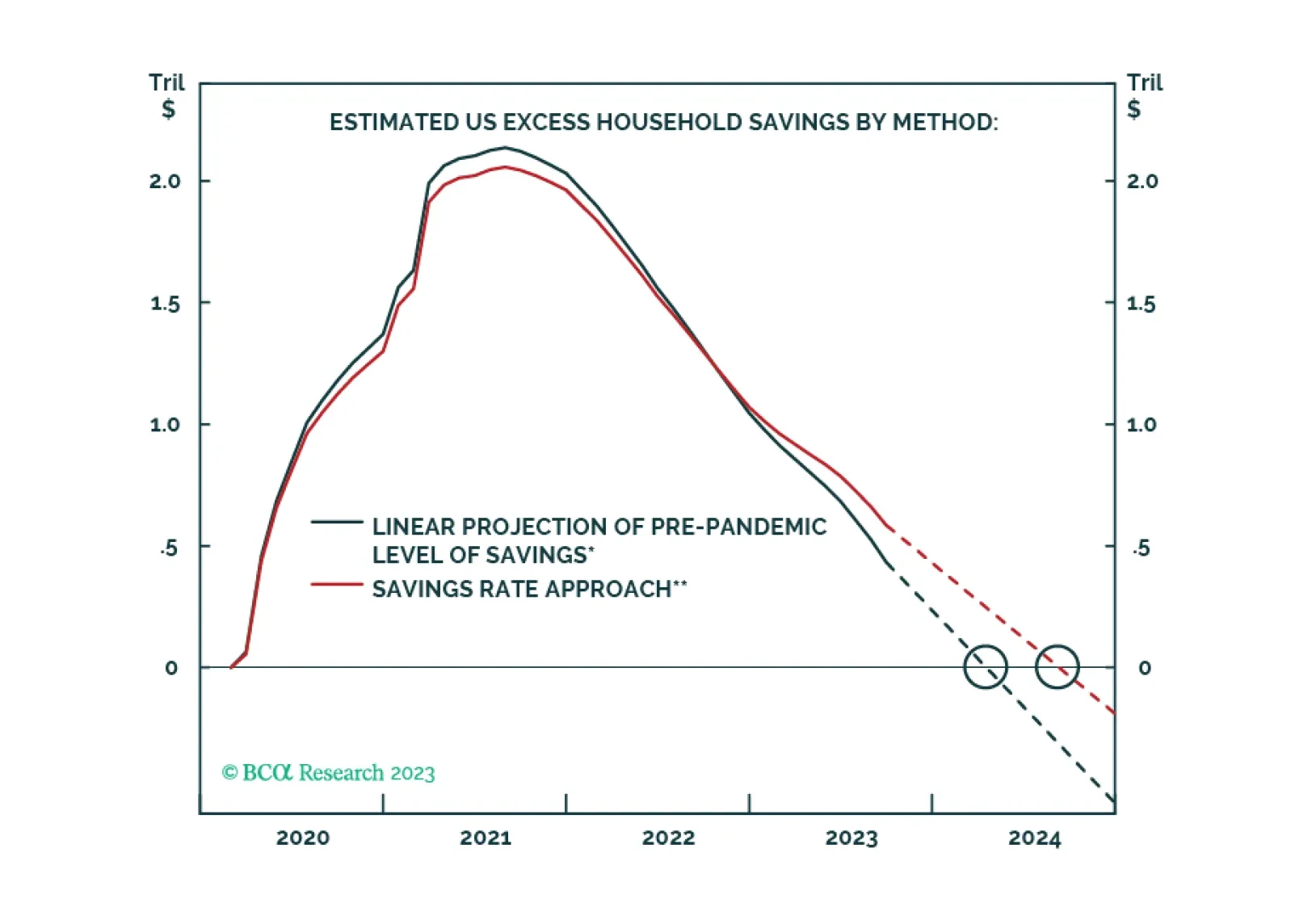
Bank Credit Analyst In a guest authorship of Section I, Doug Peta presents a synthesis of the recent views expressed in our US Investment Strategy and Bank Credit Analyst reports. Doug underscores that excess savings are unlikely to support US consumer spending beyond the middle of next year, which argues for conservative investment positioning on a 6-12 month time horizon. Additionally, this month’s Section II is a guest piece written by Martin Barnes, who retired from BCA Research as Chief Economist in 2021 after a long and illustrious career. Martin expresses his personal views about the long-run outlook for inflation and argues that the multi-decade disinflationary era is over – which will bring significant challenges for both policymakers and investors.
Bank Credit Analyst Section II of this month’s Bank Credit Analyst report is a guest piece written by Martin Barnes, which we are making available to all clients. Martin, who retired from BCA Research as Chief Economist in 2021 after a long and illustrious career, expresses his personal views about the long-run outlook for inflation. He argues that the multi-decade disinflationary era is over, which will bring significant challenges for both policymakers and investors.
Bank Credit Analyst Volatility will remain the key dynamic in oil markets in the aftermath of the surprise Hamas attacks against Israel on October 7. The risk of a major oil supply shock has gone up, but meanwhile supply constraints will remain at variance with global growth problems stemming from restrictive monetary policy over the next 12 months. Favor bonds over stocks, large caps over small caps, defense and energy stocks over other cyclicals, and US equities relative to global equities.
Bank Credit Analyst In Section I, we note that the recent surge in long-maturity government bond yields is symptomatic of a sharp reduction in market expectations for a soft-landing economic outcome. This underscores that the US and other developed market economies are on an ultimately recessionary path. We also discuss why the S&P 500 is likely to fall to between 3300 and 3700 in a recessionary scenario, and how OPEC 2.0’s production cuts will, at a minimum, reduce the odds of pre-emptive rate cuts. In Section II, we revisit the economic outlook for Canada, looking for signs that one of the most indebted economies in the world is buckling under the weight of tight monetary policy. We do find evidence suggesting that mounting debt service is already impacting Canadian consumers, and we expect to see a continuation of weak/weakening consumer spending in Canada so long as the current stance of monetary policy is maintained.
Bank Credit Analyst In Section I, we respond to the ongoing challenge to our view that the US economy is on a recessionary path. The available evidence overwhelmingly supports the notion that US monetary policy is tight, which argues against the “no landing” economic scenario. It also underscores that the recessionary clock is indeed ticking unless the monetary policy stance eases soon. The “soft landing” narrative remains improbable and may have been unduly boosted by artificially low inflation readings over the summer. Until concrete signs of the meaningful rate cuts emerge, we will continue to recommend that investors maintain defensive portfolio positions. In Section II, we review the “modern-day” Phillips Curve, and explain why it is unlikely that the Fed will see a sustainable return to its 2% target without a rise in the unemployment rate above NAIRU.