Latest from BCA Research
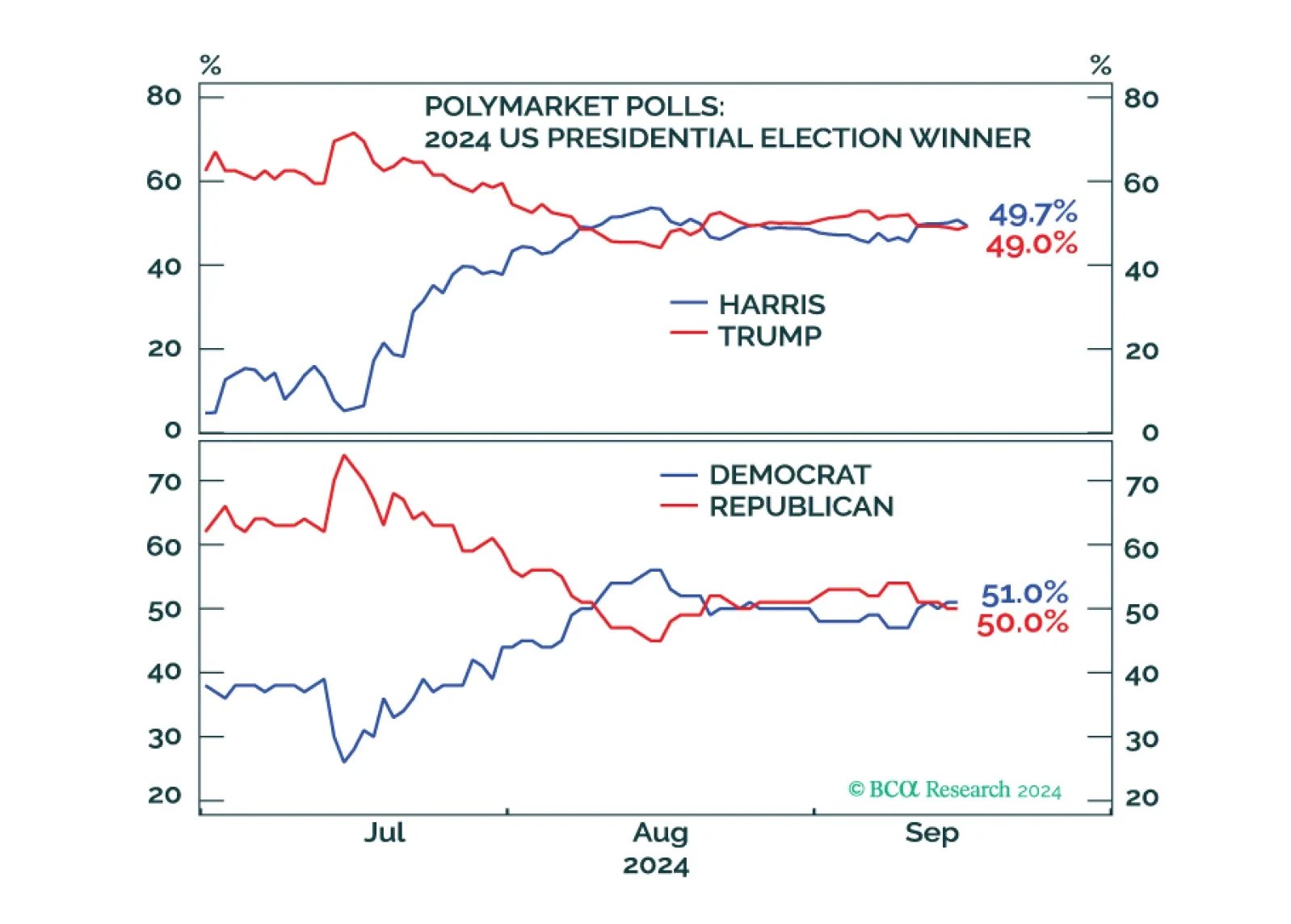
Investors should de-risk tactically in expectation of shocks and surprises ahead of the US election and an uncertain aftermath. Democratic victory with a gridlocked Congress is our base case but would bring minor tax hikes and nuclear brinksmanship with Russia. A Republican single-party sweep offers huge tax cuts but also a global trade war. Recession looms regardless.

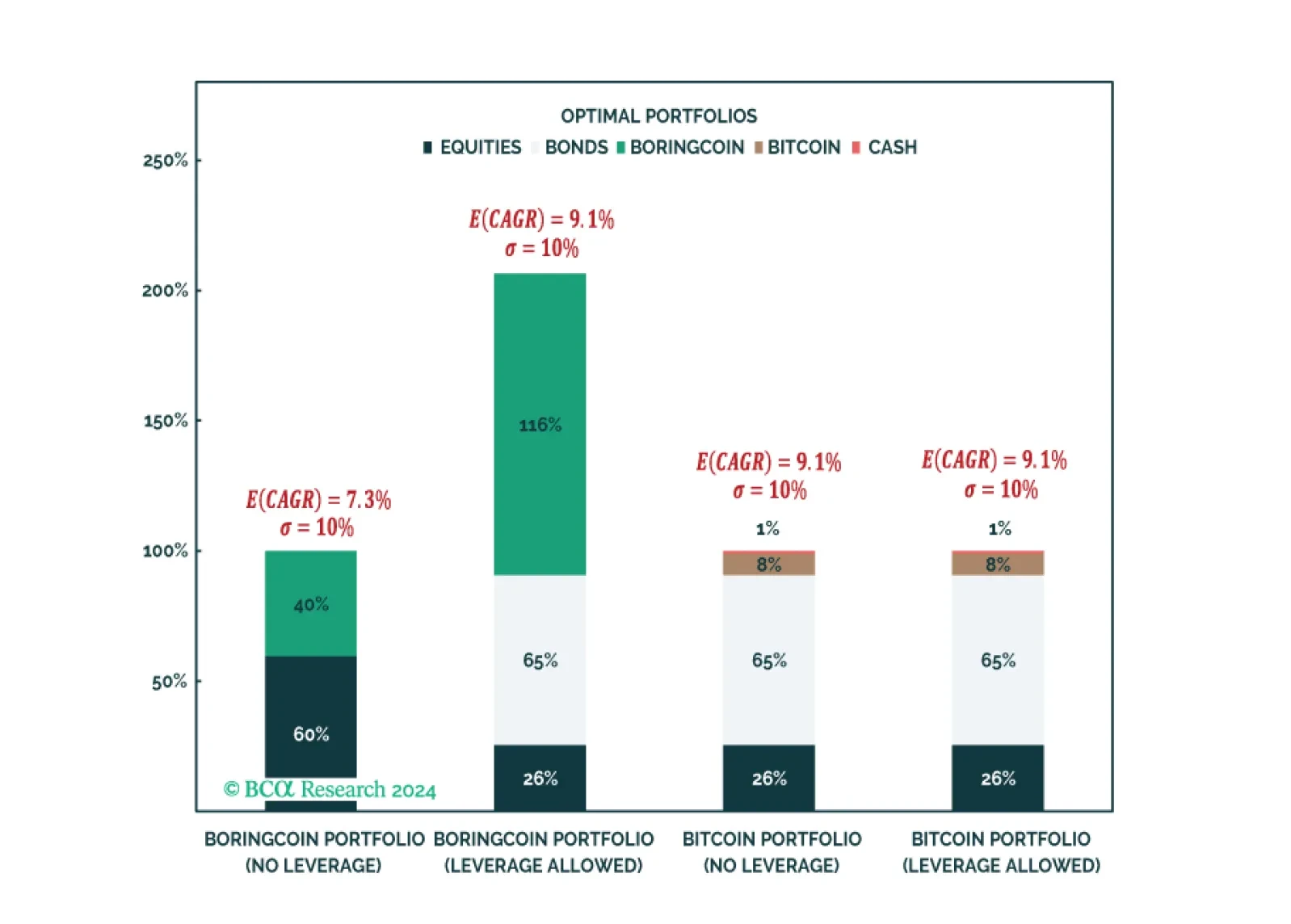
Conservative investors usually shy away from very volatile assets. But is this the right approach? By comparing Bitcoin with a hypothetical asset called “Boringcoin” we show that, all else being equal, high volatility assets are preferable as diversifiers due to better capital efficiency. Asset allocators should remember to think about their portfolio holistically and avoid looking at assets in isolation, particularly when they are very volatile.
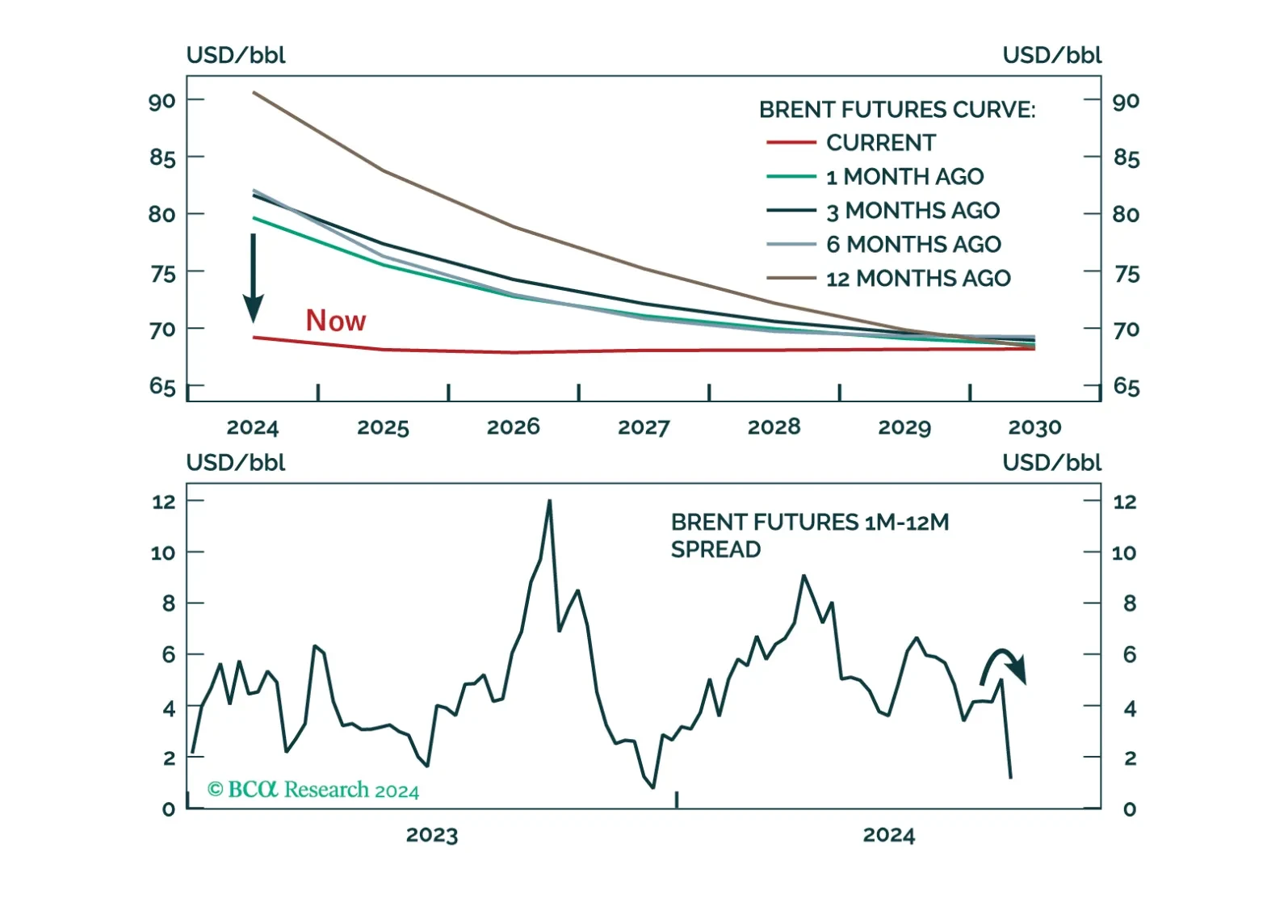
A bearish chill has engulfed oil markets. Earlier this week, Brent dropped to a near three-year low, falling below the trading range that had prevailed over the prior 18 months. In this Strategy Insight we detail why we do not believe that the worst has passed for oil markets. Rather, prices are likely to drop further over a six-to-nine-month horizon.
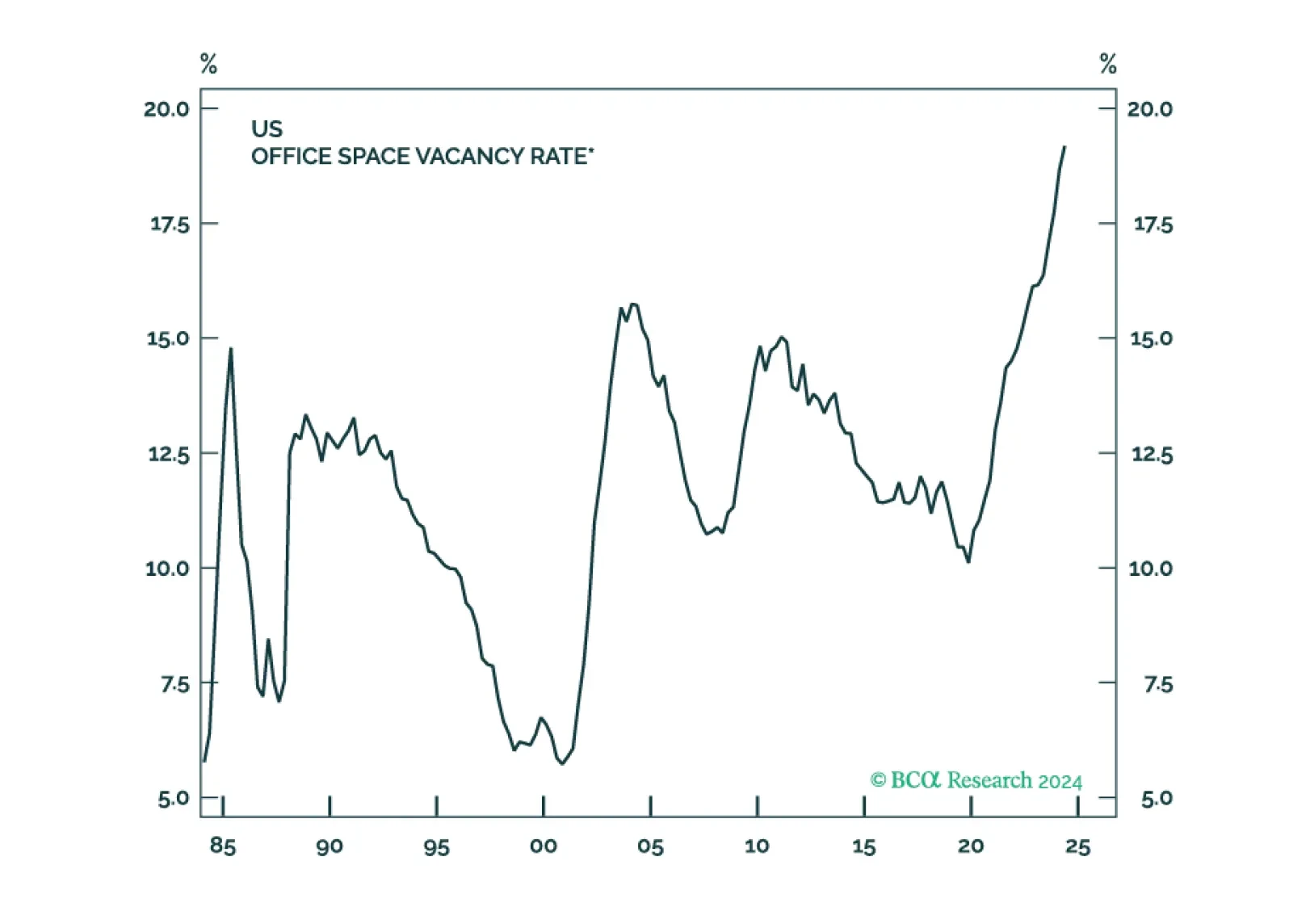
The US suffers from enough imbalances to produce a mild recession. Unfortunately, such a recession could lead to a significant bear market in stocks, just as it did during the very mild 2001 recession.
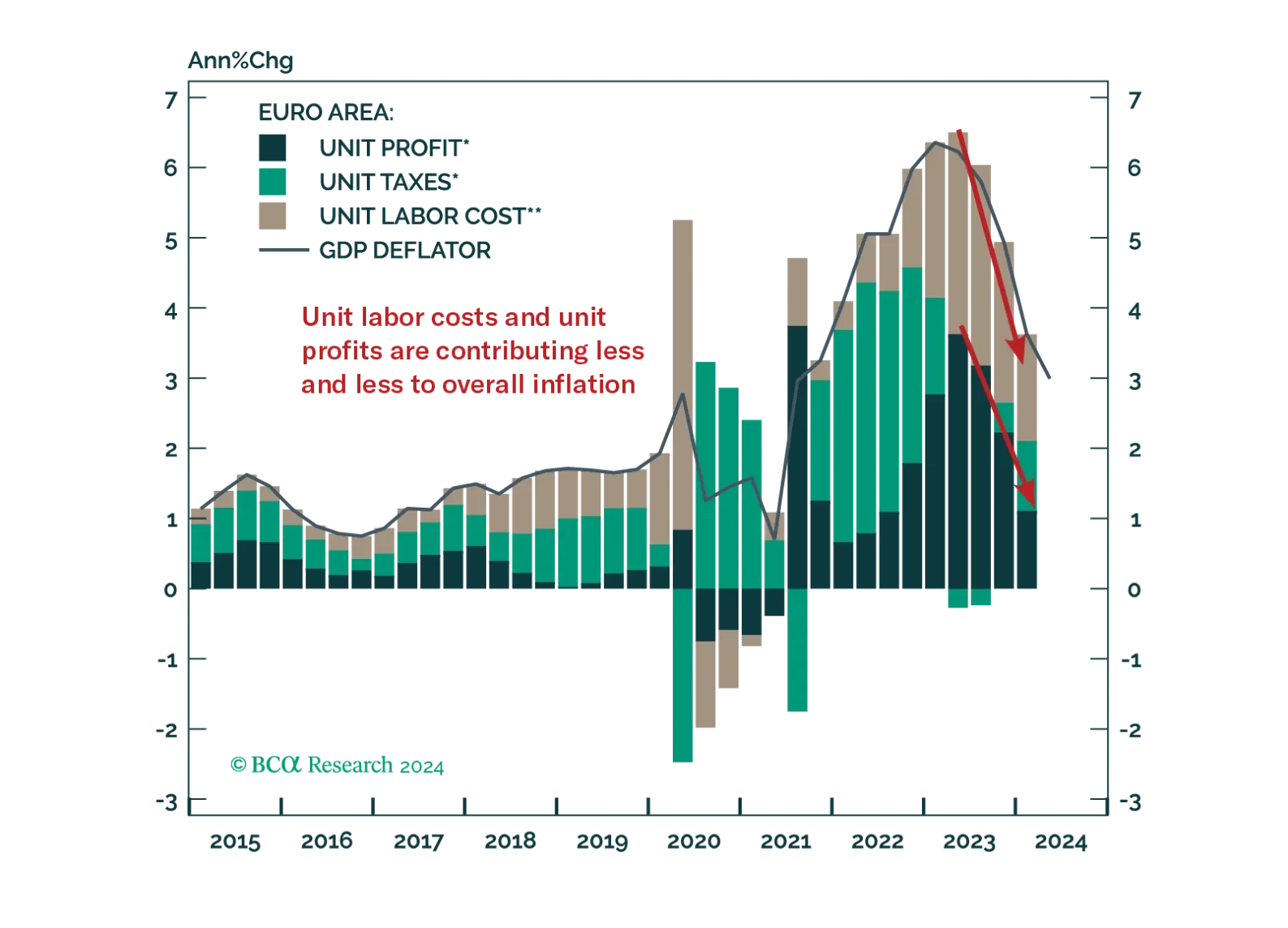
The ECB will cut rates once more this year; however, markets underprice how far it will ease next year.
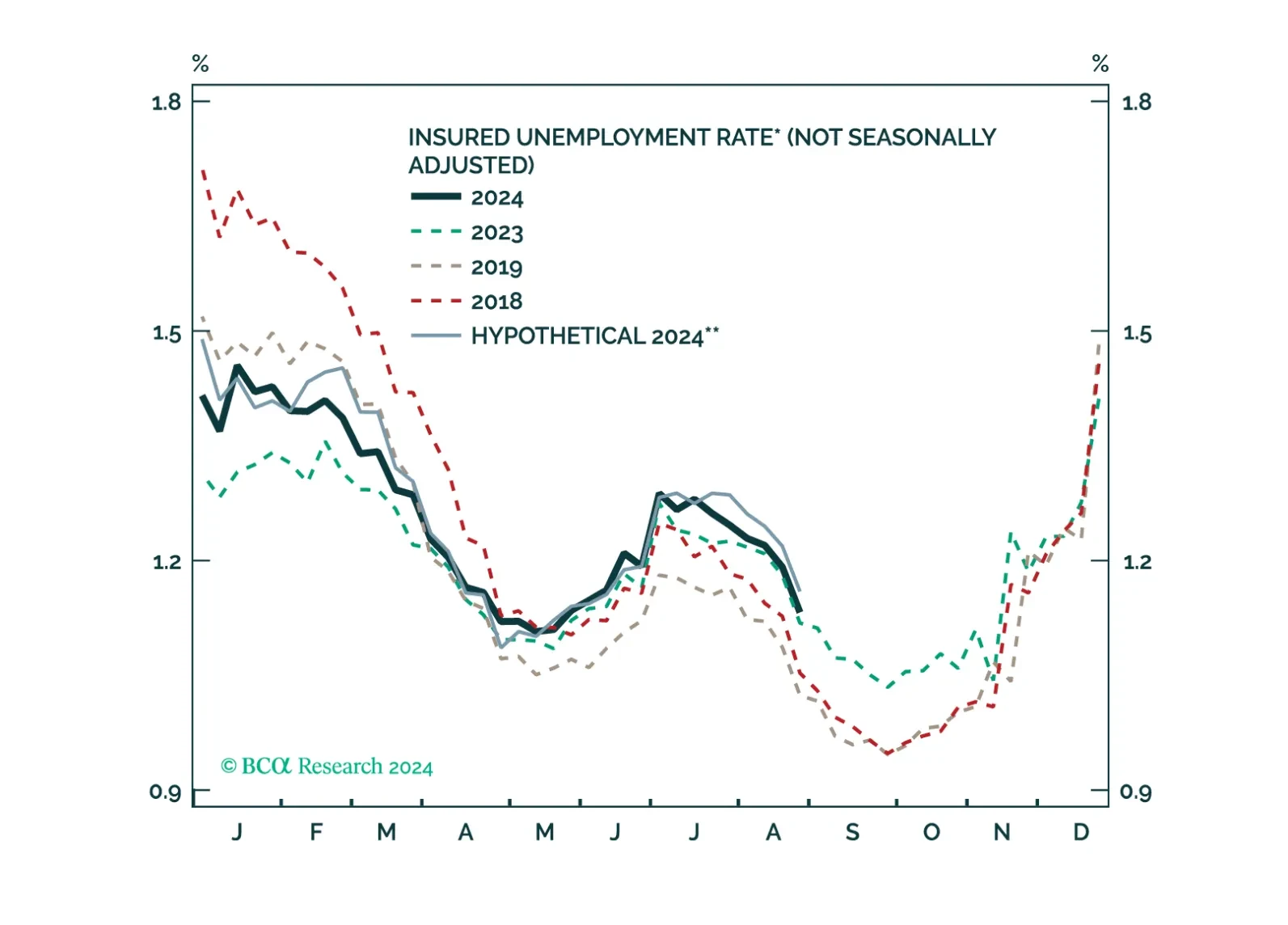
Some thoughts on this morning’s US claims report and a preview of next week’s FOMC meeting.
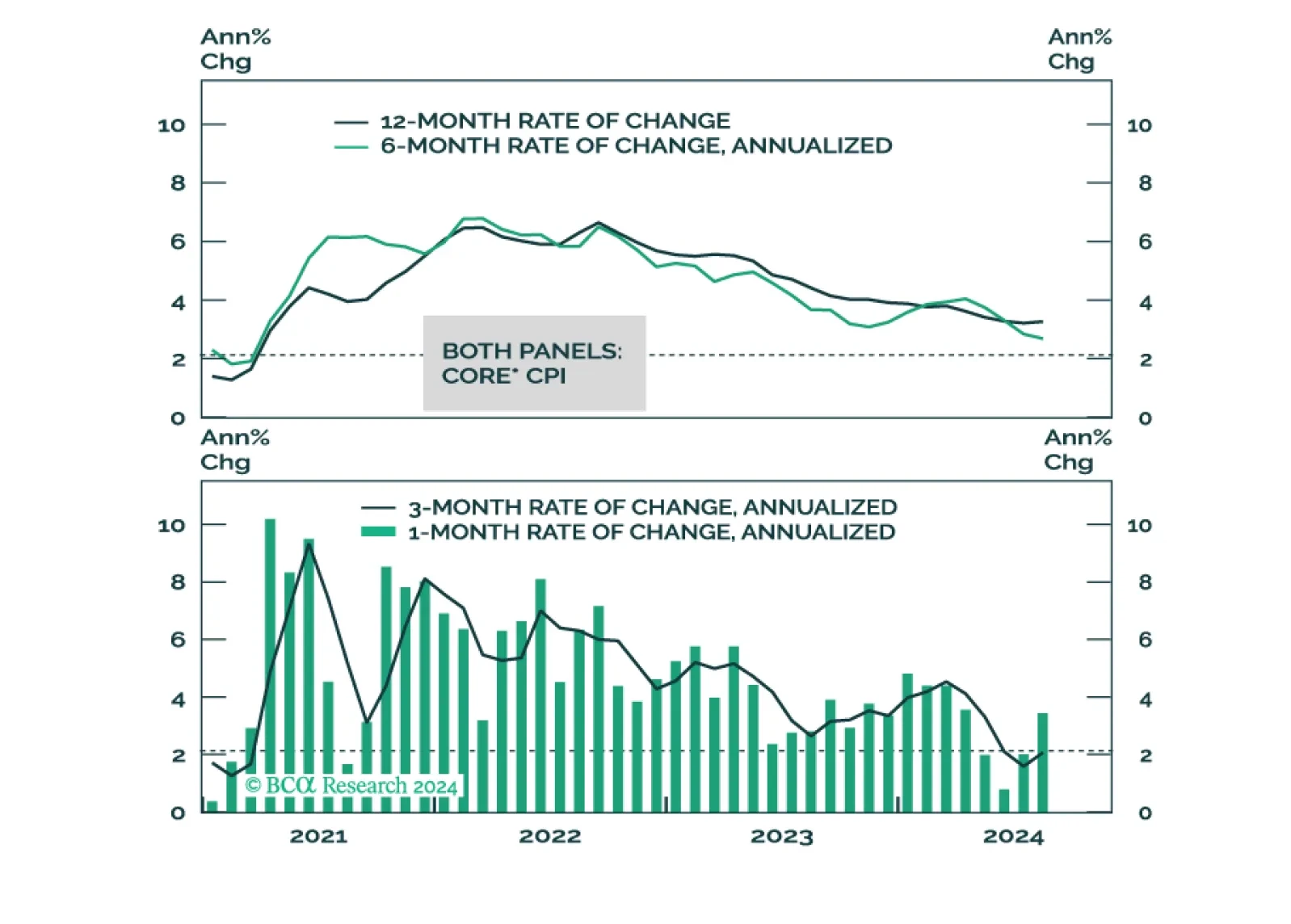
Our reaction to this morning’s CPI report and what it means for Fed policy.
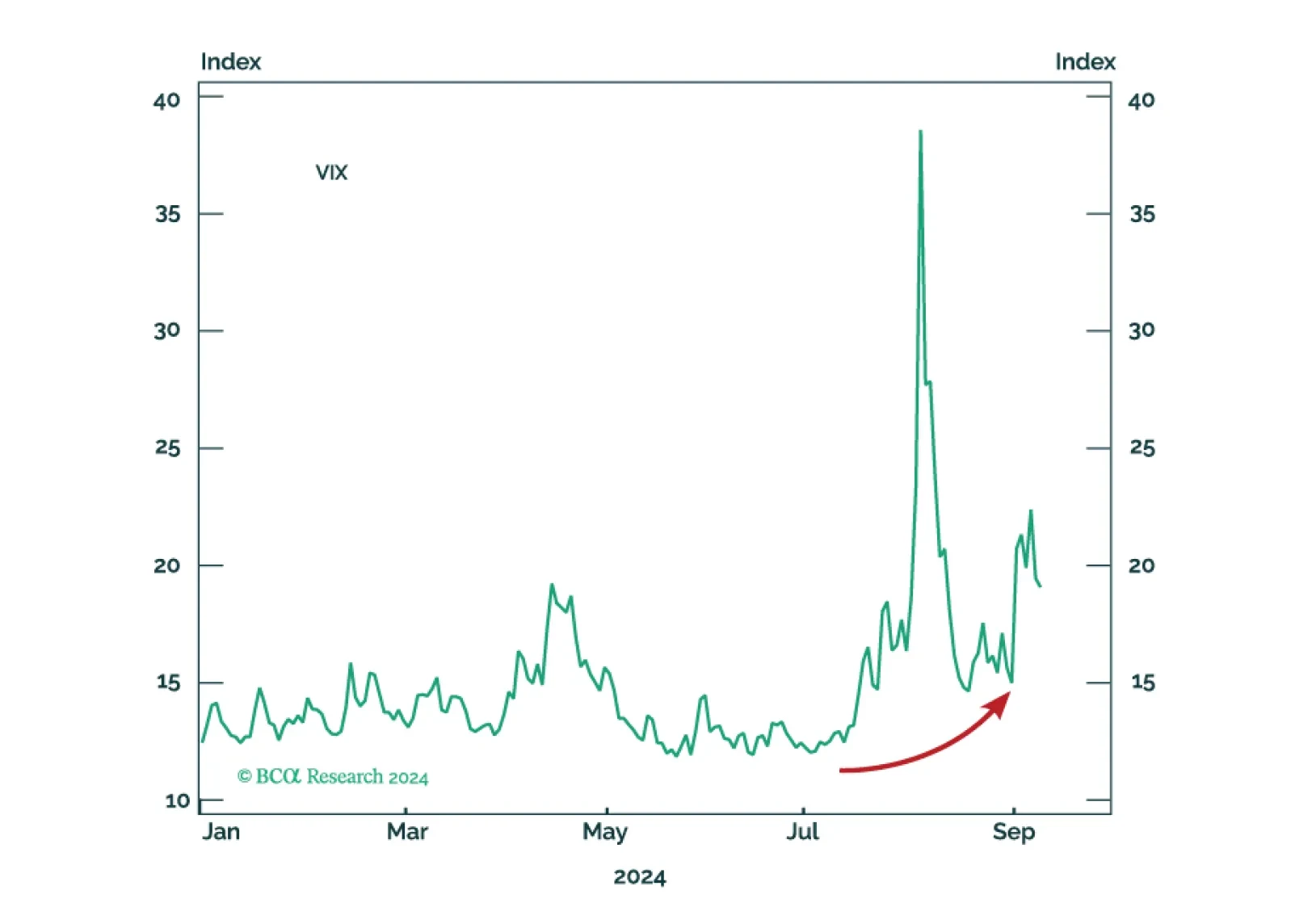
Despite the disastrous performance by former President Trump in the debate with Vice President Kamala Harris, there are still paths for him to come back to power. The economy and global instability could flare up anytime between now and election day, while quirks in the Electoral College ensure that the election will be close. The race is still competitive and policy uncertainty and volatility will be elevated.
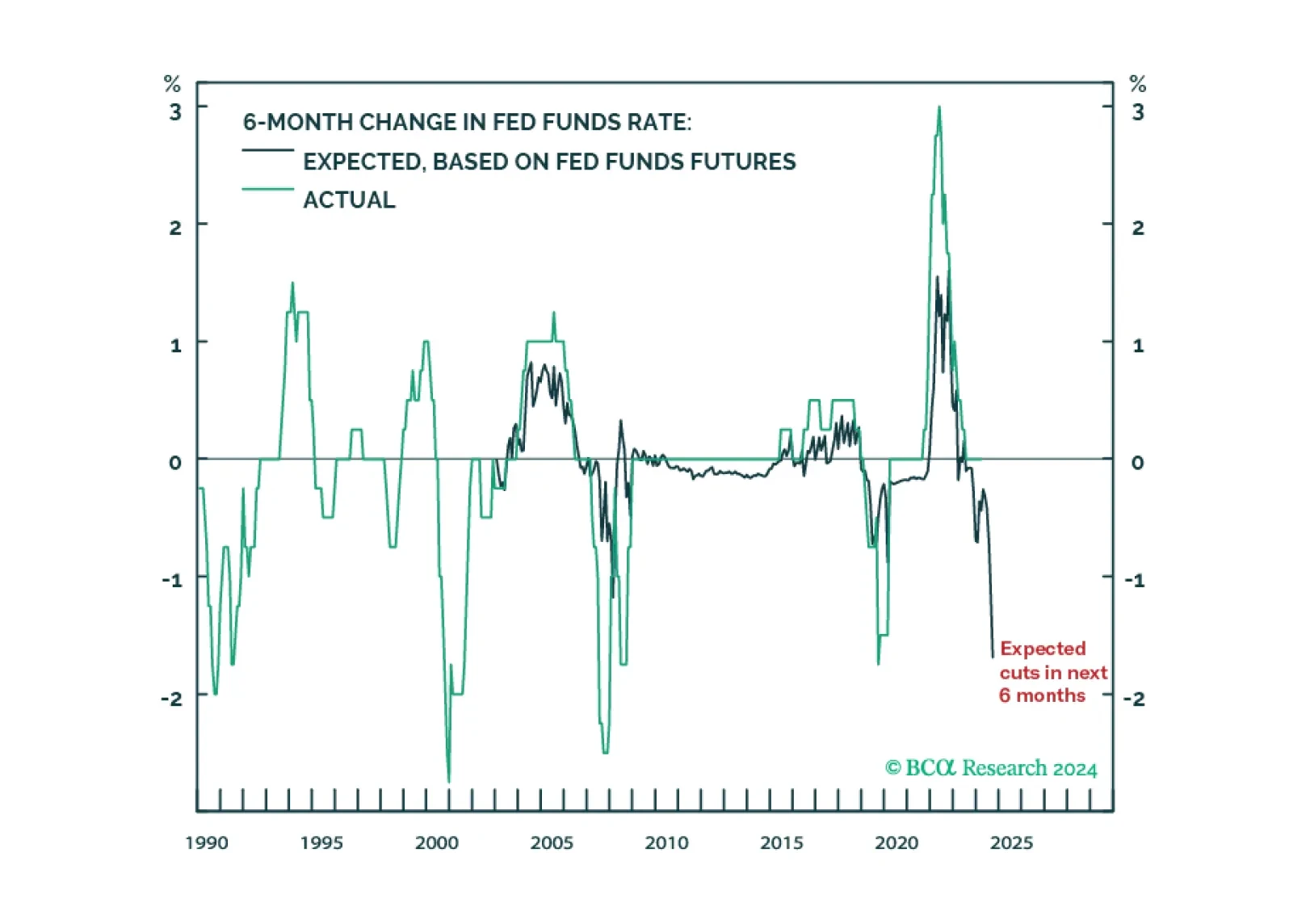
By triggering a renewed surge in the yen, and a disorderly unwinding of the AI bubble, more aggressive rate cutting would guarantee the very recession that the Fed is trying to stave off. This means that underweight short-term US rates or T-bonds combined with underweight US tech is a winning position, one way or another. And we reveal the best way of expressing this.