Skip to main content

Economy

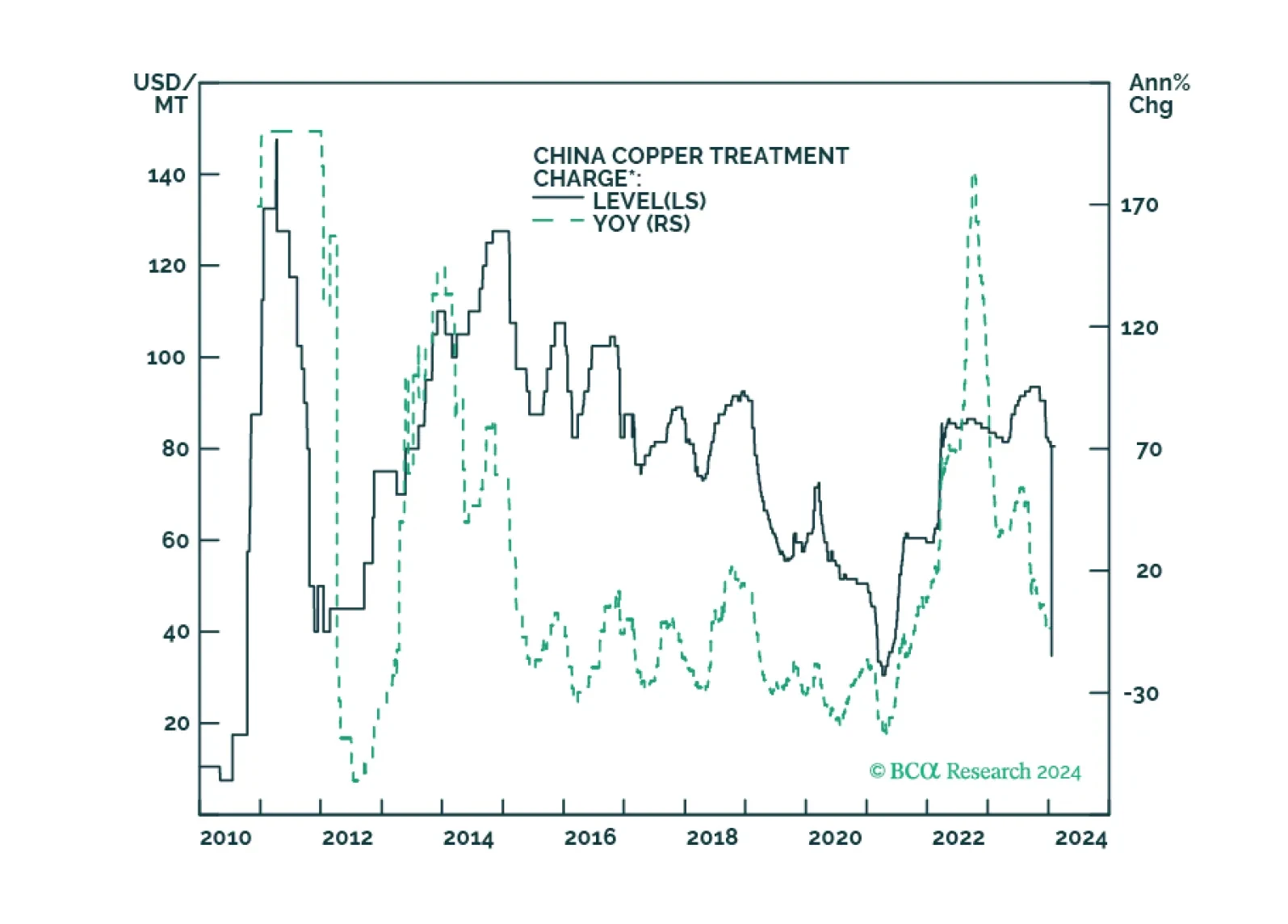
Supply and demand shocks in markets critical to the renewable-energy and defense industries will continue to play havoc with prices, which will negatively impact capex. In the short run, this benefits China given its already-dominant position in these markets. Longer term, investors already are providing capital for long-term projects needed for the energy transition. We remain long the XME ETF, given its low exposure to lithium and nickel holdings.

According to the latest MBA weekly survey, mortgage applications increased 3.7% in the week ending February 2. The contents of the report were mixed. A 12.3% jump in the refinance index drove the increase while mortgage applications to purchase a home fell by…
US equities remain on a winning streak. After a sluggish start to the year, US stocks resumed their rally in late-January. Importantly, the rally has recently broadened out, with nine of the 11 S&P 500 sectors rising so far in February. Meanwhile, other…
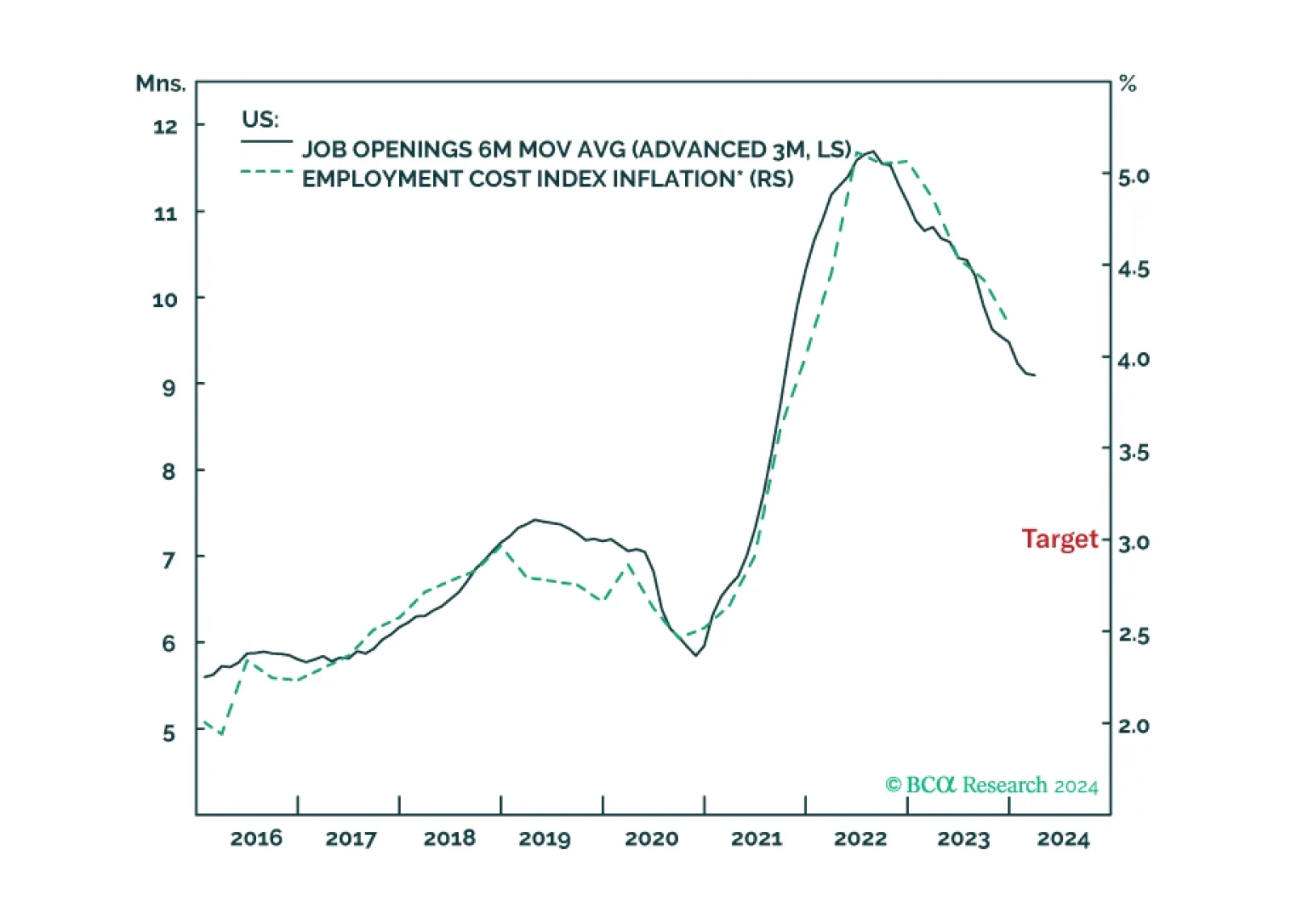
After having surged in the second half of 2021 and early 2022, the Atlanta Fed’s Wage Growth Tracker peaked in mid-2022 and has since been on a general downtrend. The latest reading of 5.0% in January is a continuation of this process, marking the lowest pace…
Chinese domestic stocks have fared quite poorly over the past year. Since late-January 2023, the Shanghai Shenzhen 300 index fell roughly 24% to last week’s low, driven by ongoing weakness in China’s economy and a steady and ongoing collapse in investor…
According to BCA Research’s Emerging Markets Strategy service, Chilean bank stocks offer great value and are poised to outperform the EM equity benchmark. Chilean bank share prices are well-positioned to outperform due to the domestic economic recovery and…

The disinflation to date has been benign because it has come almost entirely from improving supply. But the supply-side tailwind has exhausted, so the last mile of the journey to 2 percent inflation will be the hardest, especially in the US and the UK. We discuss the investment implications. Plus, we highlight an interesting sector pair-trade.

German factory orders delivered a positive surprise on Tuesday, unexpectedly increasing on both a monthly and annual basis. The 8.9% m/m increase in December came in well above consensus estimates of a 0.2% m/m decline. This translated to a 2.7% y/y rise,…
As expected, the Reserve Bank of Australia kept the policy rate unchanged at 4.35% on Tuesday. The updated economic forecasts show a downward revision to the growth outlook for this year versus the previous round of projections released in November. The RBA…
Although our base case remains that a continuation of the disinflation process will allow policymakers to pivot to rate cuts this year, we continue to monitor risks to this outlook. On this front, some key indicators have recently moved in the wrong…