Sorry, you need to enable JavaScript to visit this website.
メインコンテンツにスキップ
メインコンテンツにスキップ

Israel

Stronger US growth elicits a response from the House Republicans. But a government shutdown is not devastating to the economy. What is more devastating would be a crisis in the Middle East, Europe, and Asia. Stay long US defense, energy, and large caps stocks.

特別レポート

The Israeli-Arab crisis is more likely to expand and cause oil disruptions than market consensus holds. Close long dollar trades and go long energy and defense stocks relative to cyclicals.

Hamas’s attack on Israel raises the odds of a wider conflict in the Gulf, which would lead to higher oil prices. Given the response of oil prices Monday, markets appear to be relatively restrained in their assessment of a sharp escalation in prices. However, this is early days in a strategy that is just revealing itself.

Volatility will remain the key dynamic in oil markets in the aftermath of the surprise Hamas attacks against Israel on October 7. The risk of a major oil supply shock has gone up, but meanwhile supply constraints will remain at variance with global growth problems stemming from restrictive monetary policy over the next 12 months. Favor bonds over stocks, large caps over small caps, defense and energy stocks over other cyclicals, and US equities relative to global equities.

In response to the first-ever federal indictment of a former President, investors should focus on the state of the economy and not on Trump’s legal trouble. They should also use the current market rally to stock up on protection, as a recession is still likely, albeit delayed.

The risk-on rally is challenging our annual forecast so we are cutting some losses. But we still think central banks and geopolitics will combine to reverse the rally later this year.

特別レポート Executive Summary Iran Reaches Nuclear Breakout The next geopolitical crisis will stem from the Middle East. The US, Russia, and China are striving for greater influence there and Iran’s nuclear quest is reaching a critical juncture. The risk of US-Israeli attacks against Iran remains 40% over the medium term and will rise sharply if Iran attempts to construct a deliverable nuclear device. Saudi Arabia may increase oil production but only if global demand holds up, which OPEC will assess at its August 3 meeting. Global growth risks will prevail in the short term and reduce its urgency. Russia will continue to squeeze supplies of energy and food for the outside world. The restart of Nord Stream 1 and the Turkey-brokered grain export proposal are unreliable signals. Russia’s aim is victory in Ukraine and any leverage will be used. The US may be done with the Middle East but the Middle East may not be done with the US. Structurally we remain bullish on gold and European defense stocks but we are booking 17% and 18% gains on our current trades. The deterioration in global growth and likely pullback in inflation will temporarily undercut these trades. Tactical Recommendation Inception Date Return LONG GOLD (CLOSED) 2019-06-12 17.1% LONG EUROPEAN AEROSPACE & DEFENSE / EUROPEAN TECH EQUITIES (CLOSED) 2022-03-18 17.9% Bottom Line: Global demand is weakening, which will weigh on bond yields and commodities. Yet underlying oil supply constraints persist – and US-Iran conflict will exacerbate global stagflation. Feature Chart 1Equity Volatility And Oil Price Volatility US President Joe Biden visited Saudi Arabia last week in a belated attempt to make amends with OPEC, increase oil production, and reduce inflation ahead of the midterm election. Biden also visited Israel to deter Iran, which is the next geopolitical crisis that markets are underrating. Meanwhile Russian President Vladimir Putin went to Iran on his second trip outside of Russia since this year’s invasion of Ukraine. Putin sought an ally in his conflict with the West, while also negotiating with Turkish President Recep Erdogan, who sought to position himself as a regional power broker. In this report we analyze Biden’s and Putin’s trips and what they mean for the global economy and macro investors. Macroeconomics is bearish for oil in the short term but geopolitics is bullish for oil in the short-to-medium term. The result is volatility (Chart 1). OPEC May Pump More Oil But Not On Biden’s Time Frame Here are the important developments from Biden’s trip: A credible threat against Iran: The US and Israel issued a joint declaration underscoring their red line against Iranian nuclear weaponization.1 Meanwhile the Iranians claimed to have achieved “nuclear breakout,” i.e. enough highly enriched uranium to construct a nuclear device (Chart 2). A balance-of-power coalition to contain Iran: Israel and Saudi Arabia improved relations on the margin. Each took action to build on the strategic détente between Israel and various Arab states that is embodied in the 2020 Abraham Accords.2 This strategic détente has staying power because it is a self-interested attempt by the various nations to protect themselves against common rivals, particularly Iran (Chart 3). Biden also tried to set up a missile defense network with Israel and the Arabs, although it was not finalized.3 Chart 2Iran Reaches Nuclear Breakout A reaffirmed US-Saudi partnership: The US and Saudi Arabia reaffirmed their partnership despite a rocky patch over the past decade. The rocky patch arises from US energy independence, China’s growth, and US attempts to normalize ties with Iran (Chart 4). These trends caused the Saudis to doubt US support and to view China as a strategic hedge. Chart 3Iran: Surrounded And Outgunned​​​​​​ President Biden came into office aiming to redo the Iran deal and halt arms sales to Saudi Arabia. Since then he has been chastened by high energy prices, a low approval rating, and hawkish Iranian policy. On this trip he came cap in hand to the Saudis in a classic example of geopolitical constraints. If the US-Iran deal is verifiably dead, then US-Saudi ties will improve sustainably. (Though of course the Saudis will still do business with China and even start trading with China in the renminbi.) What global investors want to know is whether the Saudis and OPEC will pump more oil. The answer is maybe someday. The Saudis will increase production to save the global business cycle but not the Democrats’ election cycle. They told Biden that they will increase production only if there is sufficient global demand. Global Brent crude prices have fallen by 6% since May, when Biden booked his trip, so the kingdom is not in a great rush to pump more. Its economy is doing well this year (Chart 5). Chart 4Drivers Of Saudi Anxiety​​​​​ Chart 5Saudis Won't Pump If Demand Is Weak​​​​​​ At the same time, if global demand rebounds, the Saudis will not want global supply constraints to generate punitive prices that cap the rebound or kill the business cycle. After all, a global recession would deplete Saudi coffers, set back the regime’s economic reforms, exacerbate social problems, and potentially stir up political dissent (Chart 6). Related Report  Geopolitical StrategyThird Quarter Geopolitical Outlook: Thunder And Lightning Hence the Saudis will not increase production substantially until they have assessed the global economy and discussed the outlook with the other members of the OPEC cartel in August and September, when the July 2021 agreement to increase production expires. We expect global demand to weaken as Europe and China continue to struggle. Our Commodity & Energy Strategist Bob Ryan argues that further escalation in the energy war between the EU and Russia could push prices above $220 per barrel by Q4 2023, whereas an economic collapse could push Brent down to $60 per barrel. His base case Brent price forecast remains $110 per barrel on average in 2022 and $117 per barrel in 2023 (Chart 7). Chart 6Saudis Will Pump To Prevent Recession​​​​​​ Chart 7BCA's July 2022 Oil Price Forecast​​​​​​ The geopolitical view suggests upside oil risks over the short-to-medium time frame but the macroeconomic view suggests that downside risks will be priced first. Bottom Line: Saudi Arabia may increase production but not at any US president’s beck and call. The Saudis are not focused on US elections, they benefit from the current level of prices, and they do not suffer if Republicans take Congress in November. The downside risk in oil prices stems from demand disappointments in global growth (especially China) rather than any immediate shifts in Saudi production discipline. Volatility will remain high. US-Iran Talks: Dying But Not Dead Yet In fact the Middle East underscores underlying and structural oil supply constraints despite falling global demand. While Iran is a perennial geopolitical risk, the world is reaching a critical juncture over the next couple of years. Investors should not assume that Iran can quietly achieve nuclear arms like North Korea. Since August 2021 we have argued that the US and Iran would fail to put back together the 2015 nuclear deal (the Joint Comprehensive Plan of Action or JCPA). This failure would in turn lead to renewed instability across the Middle East and sporadic supply disruptions as the different nations trade military threats and potentially engage in direct warfare. This forecast is on track after Biden’s and Putin’s trip – but we cannot yet say that it is fully confirmed. Biden’s joint declaration with Israeli Prime Minister Yair Lapid closed any daylight that existed between the US and Israel. Given that there was some doubt about the intentions of Biden and the Democrats, it is now crystal clear that the US is determined to prevent Iran from getting nuclear weapons even if it requires military action. The US specifically said that it will use “all instruments of national power” to prevent that outcome. Chart 8Iran Not Forced To Capitulate Judging by the tone of the statement, the Israelis wrote the document and Biden signed it.4 Biden’s foreign policy emphasizes shoring up US alliances and partnerships, which means letting allies and partners set the line. Israel’s Begin Doctrine – which says that Israel is willing to attack unilaterally and preemptively to prevent a hostile neighbor from obtaining nuclear weapons – has been reinforced. The US is making a final effort to intimidate Iran into rejoining the deal. By clearly and unequivocally reiterating its stance on nuclear weapons, and removing doubts about its stance on Israel, there is still a chance that the Iranian calculus could change. This is possible notwithstanding Ayatollah Khamenei’s friendliness with Putin and criticisms of western deception.5 After all, why would the Iranians want to be attacked by the US and Israeli militaries? Iran will need to think very carefully about what it does next. Khamenei just turned 83 years old and is trying to secure the Islamic Republic’s power transition and survival after his death. Here are the risks: Iran’s economy, buoyed by the commodity cycle, is not so weak as to force Khamenei to capitulate. Back in 2015 oil prices had collapsed and his country was diplomatically isolated. Today the economy has somewhat weathered the storm of the US’s maximum pressure sanctions (Chart 8). Iran is in bad shape but it has not been brought to its knees. Another risk is that Khamenei believes the American public lacks the appetite for war. Americans say they are weary of Middle Eastern wars and do not feel particularly threatened by Iran. However, this would be a miscalculation. US war-weariness is nearing the end of its course. The US engages in a major military expedition roughly every decade. Americans are restless and divided – and the political elite fear populism – so a new foreign distraction is not as unlikely as the consensus holds. Moreover a nuclear Iran is not an idle threat but would trigger a regional nuclear arms race and overturn the US grand strategy of maintaining a balance of power in the Middle East (as in other regions). In short, the US government can easily mobilize the people to accept air strikes to prevent Iran from going nuclear because there is latent animosity toward Iran in both political parties (Chart 9). Chart 9Risk: Iran Overrates US War-Weariness Another risk is that Iran forges ahead believing that the US and Israel are unwilling or unable to attack and destroy its nuclear program. The western powers might opt for containment like they did with North Korea or they might attack and fail to eliminate the program. This is hard to believe but Iran clearly cannot accept US security guarantees as an alternative to a nuclear deterrent when it seeks regime survival. At the same time Russia is courting Iran, encouraging it to join forces against the American empire. Iran is planning to sell drones to Russia for use in Ukraine, while Russia is maintaining nuclear and defense cooperation with Iran. Putin’s trip highlighted a growing strategic partnership despite a low base of economic ties  (Chart 10).6 Chart 10Russo-Iranian Ties​​​​​​ Chart 11West Vulnerable To Middle East War While Russia does not have an interest in a nuclear-armed Iran, it is not afraid of Iran alone, and it would benefit enormously if the US and Israel got bogged down in a new war that destabilized the Middle East. Oil prices would rise, the US would be distracted, and Europe would be even more vulnerable (Chart 11). Chart 12China's Slowdown And Dependency On Middle East China’s interest is different. It would prefer for Iran to undermine the West by means of a subtle and long-term game of economic engagement rather than a destabilizing war in the region that would upset China’s already weak economy. However, Beijing will not join with the US against Iran, especially if Iran and Russia are aligned. Ultimately China needs to access Iranian energy reserves via overland routes so that it gains greater supply security vis-à-vis the American navy (Chart 12). Since June 2019, we have maintained 40% odds of a military conflict with Iran. The logic is outlined in Diagram 1, which we have not changed. Conflict can take various forms since the western powers prefer sabotage or cyber-attacks to outright assault. But in the end preventing nuclear weapons may require air strikes – and victory is not at all guaranteed. We are very close to moving to the next branch in Diagram 1, which would imply odds of military conflict rise from 40% to 80%. We are not making that call yet but we are getting nervous. Diagram 1Iran Nuclear Crisis: Decision Tree Moreover it is the saber rattling around this process – including an extensive Iranian campaign to deter attack – that will disrupt oil distribution and transport sooner rather than later. Bottom Line: The US and Iran could still find diplomatic accommodation to avoid the next step in our decision tree. Therefore we are keeping the odds of war at a subjective 40%. But we have reached a critical juncture. The next step in the process entails a major increase in the odds of air strikes. Putin’s Supply Squeeze Will Continue As we go to press, financial markets are reacting to President Putin’s marginal easing of Russian political pressure on food and energy supplies. First, Putin took steps toward a deal, proposed by Turkish President Erdogan, to allow Ukrainian grain exports to resume from the Black Sea. Second, Putin allowed a partial restart of the Nord Stream 1 natural gas pipeline, after a total cutoff occurred during the regular, annual maintenance period. However, these moves should be kept into perspective. Nord Stream 1 is still operating at only 40% of capacity. Russia reduced the flow by 60% after the EU agreed to impose a near-total ban on Russian oil exports by the end of the year. Russia is imposing pain on the European economy in pursuit of its strategic objectives and will continue to throttle Europe’s natural gas supply. Russia’s aims are as follows: (1) break up European consensus on Russia and prevent a natural gas embargo from being implemented in future (2) pressure Europe into negotiating a ceasefire in Ukraine that legitimizes Russia’s conquests (3) underscore Russia’s new red line against NATO military deployments in Finland and Sweden. Europe, for its part, will continue to diversify its natural gas sources as rapidly as possible to reduce Russia’s leverage. The European Commission is asking countries to decrease their natural gas consumption by 15% from August to March. This will require rationing regardless of Russia’s supply squeeze. The collapse in trust incentivizes Russia to use its leverage while it still has it and Europe to try to take that leverage away. The economic costs are frontloaded, particularly this winter. The same goes for the Turkish proposal to resume grain exports. Russia will continue to blockade Ukraine until it achieves its military objectives. The blockade will be tightened or loosened as necessary to achieve diplomatic goals. Part of the reason Russia invaded in the first place was to seize control of Ukraine’s coast and hold the country’s ports, trade, and economy hostage. Bottom Line: Russia’s relaxation of food and energy flows is not reliable. Flows will wax and wane depending on the status of strategic negotiations with the West. Europe’s economy will continue to suffer from a Russia-induced supply squeeze until Russia achieves a ceasefire in Ukraine. So will emerging markets that depend on grain imports, such as Turkey, Egypt, and Pakistan. Investment Takeaways The critical juncture has arrived for our Iran view. If Iran does not start returning to nuclear compliance soon, then a fateful path of conflict will be embarked upon. The Saudis will not give Biden more oil barrels just yet. But they may end up doing that if global demand holds up and the US reassures them that their regional security needs will be met. First, the path for oil over the next year will depend on the path of global demand. Our view is negative, with Europe heading toward recession, China struggling to stimulate its economy effectively, and the Fed unlikely to achieve a soft landing. Second, the path of conflict with Iran will lead to a higher frequency of oil supply disruptions across the Middle East that will start happening very quickly after the US-Iran talks are pronounced dead. In other words, oil prices will be volatile in a stagflationary environment. In addition, while inflation might roll over for various reasons, it is not likely to occur because of any special large actions by Saudi Arabia. The Saudis are waiting on global cues. Of these, China is the most important. We are booking a 17% gain on our long gold trade as real rates rise and China’s economy deteriorates (Chart 13). This is in line with our Commodity & Energy Strategy, which is also stepping aside on gold for now. Longer term we remain constructive as we see a secular rise in geopolitical risk and persistent inflation problems. Chart 13Book Gains On Gold ... For Now We are booking an 18% gain on our long European defense / short European tech trade. Falling bond yields will benefit European tech (Chart 14). We remain bullish on European and global defense stocks. Chart 14Book Gains On EU Defense Vs Tech ... For Now​​​​​​ Chart 15Markets Underrate Middle East Geopolitical Risk ​​​​​ Stay long US equities relative to UAE equities. Middle Eastern geopolitical risk is underrated (Chart 15). Matt Gertken Chief Geopolitical Strategist mattg@bcaresearch.com   Footnotes 1      The White House, “The Jerusalem U.S.-Israel Strategic Partnership Joint Declaration,” July 14, 2022, whitehouse.gov. 2     Israel and the US will remove international peacekeepers from the formerly Egyptian Red Sea islands of Tiran and Sanafir, which clears the way for Saudi Arabia to turn them into tourist destinations. Saudi Arabia also removed its tight airspace restrictions on Israel, enabling civilian Israeli airlines to fly through Saudi airspace on normal basis. Of course, Saudi allowance for Israeli military flights to pass through Saudi airspace would be an important question in any future military operation against Iran. 3     The US has long wanted regional missile defense integration. The Biden administration is proposing “integrated air defense cooperation” that would include Israel as well as the Gulf Cooperation Council (GCC). A regional “air and missile defense architecture” would counter drones and missiles from rival states and non-state actors such as Iran and its militant proxies. Simultaneously the Israelis are putting forward the proposed Middle East Air Defense Alliance (MEAD) in meetings with the same GCC nations. Going forward, Iran’s nuclear ambitions will give more impetus to these attempts to cooperate on air defense. 4     This is apparent from the hard line on Iran and the relatively soft line on Russia in the document. Israel is wary of taking too hard of a line against Russia because of its security concerns in Syria where Russian forces are present. See footnote 1 above. 5     Khamenei called for long-term cooperation between Russia and Iran; he justified Russia’s invasion of Ukraine as a defense against NATO encroachment; he called for the removal of the US dollar as the global reserve currency. See “Khamenei: Tehran, Moscow must stay vigilant against Western deception,” Israel Hayom, July 20, 2022, israelhayom.com. 6     Russia’s natural gas champion Gazprom signed an ostensible $40 billion memorandum of understanding with Iran’s National Oil Company to develop gas fields and pipelines. See Nadeen Ebrahim, “Iran and Russia’s friendship is more complicated than it seems,” CNN, July 20, 2022, cnn.com. However, while there are longstanding obstacles to Russo-Iranian cooperation, the West’s tough new sanctions on Russia and EU diversification will make Moscow more willing to invest in Iran. Strategic Themes Open Tactical Positions (0-6 Months) Open Cyclical Recommendations (6-18 Months) Regional Geopolitical Risk Matrix
Highlights Our top five “black swan” risks for 2022: Social unrest in China; Russian invasion of all of Ukraine; unilateral Israeli strikes on Iran; a cyber attack that goes kinetic; and a failure of OPEC 2.0. Too early to buy the dip on Russian assets: President Biden says Putin will probably “move in” and re-invade Ukraine, Russian embassy staff have been evacuating Ukraine, the US and UK have been providing more arms to Ukraine, and the US is warning of a semiconductor embargo against Russia. Talks resume in Geneva on Friday. Tactically investors should take some risk off the table, especially if linked to Russia and Europe.  Stay short the Russian ruble and EM Europe; stay short the Chinese renminbi and Taiwanese dollar; stay long cyber security stocks; and be prepared for oil volatility. Convert tactical long equity trades to relative trades: long large caps versus small caps, long defensives versus cyclicals, and long Japanese industrials versus German industrials. Feature Chart 1Recession Probability And Yield Curve The 2/10-year yield curve is flattening and now stands at 79 bps, while the implied probability of a recession over the next 12 months troughed at 5.9% in April 2021, and as of December 2021 stood at 7.7% (Chart 1). Apparently stagflation and recession are too high of a probability to constitute a “black swan” risk for this year. Black swans are not only high impact but also low probability. In this year’s annual “Five Black Swan” report, the last of our 2022 outlook series, we concentrate on impactful but unlikely events. These black swans emerge directly from the existing themes and trends in our research – they are not plucked at random. The key regions are highlighted in Map 1. Black Swan #1: Major Social Unrest Erupts In China China’s financial problems are front and center risks for investors this year. They qualify as a “Gray Rhino” rather than “Black Swan” risk.1 It is entirely probable that China’s financial and property sector distress will negatively impact Chinese and global financial markets in 2022. What investors are not expecting is an eruption of social unrest in China that fouls up the twentieth national party congress this fall and calls into question the Communist Party’s official narrative that it is handling the pandemic and the underlying economic transition smoothly. Social unrest is a major risk around the world in the face of the new bout of inflation. Most of the democracies have already changed governments since the pandemic began, recapitalizing their political systems, but major emerging markets – Russia, India, Turkey, Brazil – have not done so. They have seen steep losses of popular support for both political leaders and ruling parties. There is little opinion polling from China and people who are surveyed cannot speak openly. It is possible that the government’s support has risen given its minimization of deaths from the pandemic. But it is also possible that it has not. Beijing’s policies over the past few years have had a negative impact on the country’s business elite and foreign relations. There are disgruntled factions within China, though the current administration has a tight grip over the main organs of power. Since President Xi is trying to clinch his personal rule this fall, sending China down a path of autocracy that proved disastrous under Chairman Mao Zedong, it is possible he will face surprise resistance. China’s economic growth is decelerating, clocking in at a 4.0% quarter-on-quarter growth rate at the end of last year. While authorities are easing policy to secure the recovery, there is a danger of insufficient support. Private sentiment will remain gloomy, as reflected by weak money velocity and a low propensity to spend among both businesses and households (Chart 2). The government will continue to be repressive in the lead up to the political reshuffle. At least for the first half of the year the economy will remain troubled. Structurally China is ripe for social unrest. It suffers from high income inequality and low social mobility, comparable to the US and Brazil, which are both struggling with political upheaval (Chart 3). Chart 2China's Private Sector Still Depressed​​​​​ ​​​​​​ In addition China is keeping a stranglehold over Covid-19. This “Zero Covid” policy minimizes deaths but suppresses economic activity. Strict policy has also left the population with a very low level of natural immunity and the new Omicron variant is even more contagious than other variants. Hence the regime is highly likely to double down to prevent an explosive outbreak. The service side of the economy will continue to suffer if strict lockdowns are maintained, exacerbating household and business financial difficulties (Chart 4). Yet in other countries around the world, government decisions to return to lockdowns have sparked unrest. Chart 4Zero Covid Policy: Not Sustainable Beyond 2022 China’s “Misery Index” (unemployment plus inflation) is rising sharply. While misery is ostensibly lower than that of other emerging markets, China’s unemployment data is widely known to be unreliable. If we take a worst-case scenario, looking at youth unemployment and fuel prices, misery is a lot higher (Chart 5). The youth, who are having the hardest time finding jobs, are also the most likely to protest if conditions become intolerable (Chart 6). Of course, if social unrest is limited to students, it will lack support among the wider populace. But it is inflation, not youth activism, that is the reason for China’s authorities to be concerned, as inflation is a generalized problem that affects workers as well as students. Chart 5China's Misery Index Is Higher Than It Looks​​​​​ Chart 6China's Troubled Youth Why would protesters stick their necks out knowing that the Communist Party will react ferociously to any sign of instability during President Xi Jinping’s political reshuffle? True, mainland Chinese do not have the propensity to political activism that flared up in protests in Hong Kong in recent years. Also the police state will move rapidly to repress any unrest. Yet the entire focus of Xi Jinping’s administration, since 2012, has been the restoration of political legitimacy and prevention of popular discontent. Xi has cracked down on corruption, pollution, housing prices, education prices, and has announced his “Common Prosperity” agenda to placate the low and middle classes.2 The regime has also cracked down on the media, social media, civil society, and ideological dissent to prevent political opposition from taking root. If the government were not concerned about social instability, it would not have been adopting these policies. Disease, often accompanied by famines or riots, has played a role in the downfall of six out of ten dynasties, so Beijing will not be taking risks for granted (Table 1). Table 1Disease And Downfall Of Chinese Dynasties Social instability would have a major impact as it would affect China’s stability and global investor sentiment toward China. Western democracies would penalize China for violations of human rights, leaving China even more isolated. Bottom Line: Investors should stay short the renminbi and neutral Chinese equities. Foreign investors should steer clear of Chinese bonds in the event of US sanctions. After the party congress this fall there will be an opportunity to reassess whether Xi Jinping will “let a hundred flowers bloom,” thus improving the internal and external political and investment environment, but this is not at all clear today. Black Swan #2: Russia Invades All (Not Just Part) Of Ukraine US-Russia relations are on the verge of total collapse and Russian equities have sold off, in line with our bearish recommendations in reports over the past two years. Russia’s threat of re-invading Ukraine is credible. Western nations are still wishy-washy about the counter-threat of economic sanctions, judging by German Chancellor Olaf Scholz’s latest comments, and none are claiming they will go to war to defend Ukraine.3 Russia is looking to remove the threat of Ukraine integrating militarily and economically with the West. The US and UK are providing Ukraine with defense weaponry even as Russia specifically demands that they cease to do so. President Putin may choose short-term economic pain for long-term security gain. The consensus view is that if Russia does invade, it will undertake a limited invasion. But what if Russia invades all of Ukraine? To be clear, a full invasion is unlikely because it would be far more difficult and costly for Russia. It would go against Putin’s strategy of calculated risk and limited conflict. Table 2 compares Russia and Ukraine in size and strength, alongside a comparison of the US and Iraq in 2002. This is not a bad comparison given that Ukraine’s and Iraq’s land area and active military personnel are comparable. Table 2Russia-Ukraine Balance Of Power 2022 Compared To US-Iraq 2002 Russia would be biting off a much bigger challenge than the US did. Ukraine’s prime age population is 2.5 times larger than Iraq’s in 2002, and its military expenditure is three times bigger. The US GDP and military spending were 150 and 250 times bigger than Iraq’s, while Russia’s GDP and military spending are about ten times bigger than Ukraine’s today. Iraq was not vital to American national security, whereas Ukraine is vital to Russia; Russia has more at stake and is willing to take greater risks. But Ukraine is in better shape to resist Russian occupation than Iraq was to resist American. The point is that the US invasion went smoothly at first, then got bogged down in insurgency, and ultimately backfired both in political and geopolitical terms. Russia would be undertaking a massive expense of blood and treasure that seems out of proportion with its goal, which is to neutralize Ukraine’s potential to become a western defense ally and host of “military infrastructure.” However, there are drawbacks to partial invasion. The remainder of the Ukrainian state would be unified and mobilized, capable of integrating with the western world, and willing to support a permanent insurgency against Russian troops in eastern Ukraine. Russia has forces in Belarus, Crimea, and the Black Sea, as well as on Ukraine’s eastern border, giving rise to fears that Russia could attempt a three-pronged invasion of the whole country. In short, it is conceivable that Russian leaders could make the Soviet mistake of overreaching in the military aims, or that a war in eastern Ukraine could inadvertently expand into the west. If Russia tries to conquer all of Ukraine, the global impact will be massive. A war of this size on the European continent for the first time since World War II would shake governments and populations to their bones. The borders with Poland, Romania, the Baltic states, Slovakia, Hungary, Finland and the Black Sea area would become militarized (Map 2). NATO actions to secure its members and fortify their borders would exacerbate tensions with Russia and fan fears of a wider war. Trade flows would become subject to commerce destruction, affecting even neutral nations, including in the Black Sea. Energy supplies would tighten further, sending Russia and probably Europe into recession. The disruption to business and travel across eastern Europe would be deep and lasting, not only due to sanctions but also due to a deep risk-aversion that would affect foreign investors in the former Soviet Union and former Warsaw Pact. Germany would be forced to quit sitting on the fence, as it would be pressured by the US and the rest of Europe to stand shoulder to shoulder in the face of such aggression. Finland and Sweden would be much more likely to join NATO, exacerbating Russia’s security fears. Russia would suffer a drastic loss of trade, resulting in recession, and its currency collapse would feed inflation (Chart 7). Chart 7Inflation Poses Long-Term Threat To Putin Regime Ultimately the consequences would be negative for the Putin regime and Russia as a result of recession and international isolation. But in the short run the Russian people would rally around the flag and support a war designed to prevent NATO from stationing missiles on their doorstep. And their isolation would not be total, as they would strengthen ties with China and conduct trade via proxy states in the former Soviet Union. Bottom Line: A full-scale invasion of all of Ukraine is highly unlikely because it would be so costly for Russia in military, economic, and political terms. But the probability is not zero, especially because a partial re-invasion could lead to a larger war. While global investors would react in a moderate risk-off matter to a limited war in eastern Ukraine, a full-scale war would trigger a massive global flight to safety as it would call into question the entire post-WWII peace regime in Europe. Black Swan #3: Israel Attacks Iran The “bull market in Iran tensions” continues as there is not yet a replacement for the 2015 nuclear deal that the US abrogated. Our 2022 forecast that the UAE would get caught in the crossfire was confirmed on January 17 when Iran-backed Houthi rebels expanded their range of operations and struck Abu Dhabi (Map 3). The secret war is escalating and US-led diplomacy is faltering. Iran is not going to give up its nuclear program. North Korea achieved nuclear arms and greater military security and is now developing first and second strike capabilities. Meanwhile Ukraine, which faces another Russian invasion, exemplifies what happens to regimes that give up nuclear arms (as do Libya and Iraq). Iran appears to be choosing the North Korean route. While we cannot rule out a minor agreement between President Biden and Iranian President Ebrahim Raisi, we can rule out a substantial deal that halts Iran’s nuclear and missile progress. Here’s why: Any day now Iran could reach nuclear “breakout capacity,” with enough highly enriched uranium to construct a nuclear device (Table 3).4 Table 3Iran’s Violations Of 2015 Nuclear Deal Since US Exit Within Iran’s government, the foreign policy doves have been humiliated and kicked out of office while the hawks are fully in control. No meaningful agreement can be reached before 2024 because of the risk that the US will change ruling parties again and renege on any promises. Iran is highly incentivized to make rapid progress on its nuclear program now. The US will not be able to lead the P5+1 coalition to force Iran to halt its program because of its ongoing struggles with Russia and China. China is striking long-term cooperation deals with Iran. Israel has a well-established record of taking unilateral action, specifically against regional nuclear programs, known as the “Begin Doctrine.”5 Israel’s threats are credible on this front, although Iran is a much greater operational challenge than Iraq or Syria. Iran’s timeline from nuclear breakout to deliverable nuclear weapon is 12-24 months.6 Iran’s missile program is advanced. Missile programs cannot be monitored as easily as nuclear activity, so foreign powers base the threshold on nuclear capability rather than missile capability. Iran had a strong incentive to move slowly on its nuclear and missile programs in earlier years, to prevent US and Israeli military interference. But as it approaches breakout capacity it has an incentive to accelerate its tempo to a mad dash to achieve nuclear weaponization before the US or Israel can stop it. Now that time may have come. The Biden administration is afraid of higher oil prices and Israeli domestic politics are more divided and risk-averse than before. And yet Iran’s window might close in 2025, as the US could turn aggressive again depending on the outcome of the 2024 election. Hence Iran has an incentive to make its dash now. The US and Israel will restate their red lines against Iranian nuclear weaponization and brandish their military options this year. But the Biden administration will be risk-averse since it does not want to instigate an oil shock in an election year. Israel is more likely than the US to react quickly and forcefully since it is in greatest danger if Iran surprises the world with rapid weaponization. Here are the known constraints on unilateral Israeli military action: Limited Israeli military capability: Israel would have to commit a large number of aircraft, leaving its home front exposed, and even with US “bunker buster” bombs it may not penetrate the underground Fordow nuclear facility.7 Limited Israeli domestic support: The Israeli public is divided on whether to attack Iran. The post-Netanyahu government recently came around to endorsing the US’s attempt to renegotiate the nuclear deal. Limited US support: Washington opposes Israeli unilateralism that could entangle the US into a war. Israel cannot afford to alienate the US, which is its primary security guarantor. Iranian instability: The Iranian regime is under economic distress due to “maximum pressure” sanctions. It is vulnerable to social unrest, not least because of its large youth population. These constraints have been vitiated in various ways, which is why we raise this Israeli unilateralism as a black swan risk: Where there’s a will, there’s a way: If Israel believes its existence will be threatened, it will be willing to take much greater operational risks. It has already shown some ability to set back Iran's centrifuge program beyond the expected.8 Israeli opinion will harden if Iran breaks out: If Iran reaches nuclear breakout or tests a nuclear device, Israeli opinion will harden in favor of military strikes. Prime Minister Naftali Bennett has an incentive to take hawkish actions before he hands the reins of government over to a partner in his ruling coalition as part of a power-sharing agreement. The ruling coalition is so weak that a collapse cannot be ruled out. US opposition could weaken: Biden will have to explore military options if talks fail and Iran reaches nuclear breakout capacity. Once the midterms are over, Israel may have even more freedom to act, while a gridlocked Biden may be looking to shift his focus to foreign policy. Iranian stability: Iran’s social instability has not resulted in massive unrest or regime fracture despite years of western sanctions and a global recession/pandemic. Yet now energy prices are rising and Iran has less reason to believe sanction regimes will be watertight. From Israeli’s point of view, even regime change in Iran would not remove the nuclear threat once nuclear weapons are obtained. Finally, while Israel cannot guarantee that military strikes would successfully cripple Iran’s nuclear program and prevent weaponization, Israel cannot afford not to try. It would be a worse outcome to stand idly by while Iran gets a nuclear weapon than to attack and fail to set that program back. Hence the likeliest outcome over the long run is that Iran pursues a nuclear weapon and Israel attacks to try to stop it, even if that attack is likely to fail (Diagram 1). Diagram 1Game Theory: Will Israel Attack Iran? Bottom Line: A unilateral Israeli strike is unlikely but would have a massive impact, as 21% of global oil and 26% of natural gas flows through the Strait of Hormuz, and conflict could disrupt regional energy production and/or block passage through the strait itself. Black Swan #4: Cyber Attacks Spill Into Real World Investors are very aware of cyber security risks – it holds a respectable though not commanding position in the ranks of likely crisis events (Table 4). Our concern is that a cyber attack could spill over into the real world, impairing critical infrastructure, supply chains, and/or prompting military retaliation. Table 4Cyber Events Underrated In Consensus View Of Global Risks Russian attacks on US critical infrastructure by means of ransomware gangs disrupted a US fuel pipeline, meat-packing plant, and other critical infrastructure in 2021. Since then the two countries have engaged in negotiations over cyber security. The Russian Federal Security Bureau has cracked down on one of the most prominent gangs, REvil, in a sign that the US and Russia are still negotiating despite the showdown over Ukraine.9 Yet a re-invasion of Ukraine would shatter any hope of cooperation in the cyber realm or elsewhere. Russia is already using cyberattacks against Ukraine and these activities could expand to Ukraine’s partners if the military conflict expands. Should the US and EU impose sweeping sanctions that damage Russia’s economy, Russia could retaliate, not only by tightening energy supply but also by cyber attacks. Any NATO partners or allies would be vulnerable, though some states will be more reactive than others. Interference in the French election, for example, would be incendiary. The key question is: if Russia strikes NATO states with damaging cyber attacks, at what point would it trigger Article V, the mutual defense clause? There are no established codes of conduct or red lines in cyber space, so the world will have to learn each nation’s limits via confrontation and retaliation. Similar cyber risks could emerge from other conflicts. China is probably not ready to invade Taiwan but it has an interest in imposing economic costs on the island ahead of this fall’s midterm elections. Taiwan’s critical role in the semiconductor supply chain means that disruptions to production would have a global impact. Israel and the US have already used cyber capabilities to attack Iran and set back its nuclear program. These capabilities will be necessary as Iran approaches breakout capacity. Yet Iran could retaliate in a way that disrupts oil supplies. North Korea began a new cycle of provocations last September, accelerated missile tests over the past four months, and is dissatisfied with the unfinished diplomatic business of the Trump administration. In the wake of the last global crisis, 2010, it staged multiple military attacks against South Korea. South Korea may be vulnerable due to its presidential elections in May. The semiconductor or electronics supply chain could be interrupted here as well as in Taiwan. Bottom Line: There is no code of conduct in cyber space. As geopolitical tensions rise, and nations test the limits of their cyber capabilities, there is potential for critical infrastructure to be impaired. This could exacerbate supply chain kinks or provoke kinetic responses from victim nations. Black Swan #5: OPEC 2.0 Falls Apart The basis of the OPEC 2.0 cartel is Russian cooperation with Saudi Arabia to control oil supply and manage the forward price curve. Backwardation, when short-term prices are higher than long-term, is ideal for these countries since they fear that long-term prices will fall. In a world where Moscow and Riyadh both face competition from US shale producers as well as the green energy revolution, cooperation makes sense. Yet the two sides do not trust each other. Cooperation broke down both in 2014 and 2020, sending oil prices plunging. Falling global demand ignited a scramble for market share. Interestingly, Russian military invasions have signaled peak oil price in 1979, 2008, and 2014. Russia, like other petro-states, has greater room for maneuver when oil revenues are pouring in. But high prices also incentivize production, disincentivize cartel discipline, and trigger reductions in global demand (Chart 8). Chart 8Russian Invasions And Oil Price Crashes Broadly speaking, Saudi oil production rose modestly during times of Russian military adventures, while overall OPEC production was flat or down, and Russian/Soviet production went up (Chart 9). Chart 9Saudi And OPEC Oil Production During Russian Military Adventures Since 2020, we have held that OPEC 2.0 would continue operating but that the biggest risk would come in the form of a renewed US-Iran nuclear deal that freed up Iranian oil exports. In 2014, the Saudis increased production in the face of the US shale threat as well as the Iranian threat. This scenario is still possible in 2022 but it has become a low-probability outcome. Even aside from the Iran dynamic, there is some probability that Russo-Saudi cooperation breaks down as global growth decelerates and new oil supply comes online. Bottom Line: The world’s inflation expectations are elevated and closely linked to oil prices. Yet oil prices hinge on an uneasy political agreement between Russia and Saudi Arabia that has fallen apart twice before. If Russia invades Ukraine, or if US withdraws sanctions on Iran, for example, then Saudi Arabia could make a bid to expand its market share and trigger price declines in the process. Two Bonus Black Swans: Turkey And Venezuela Turkey lashes out: Our Turkish Political Capital Index shows deterioration for President Recep Erdogan’s political capital across a range of variables (Table 5). With geopolitical pressures increasing, and domestic politics heating up ahead of the 2023 elections, Erdogan’s behavior will become even more erratic. His foreign policy could become aggressive, keeping the lira under pressure and/or weighing on European assets. Table 5Turkey: Erdogan’s Political Capital Wearing Thin Venezuela’s Maduro falls from power: Venezuelan regime changes often follow from military coups. These coups do not only happen when oil prices collapse – sometimes the army officers wait to be sure prices have recovered. Coup-throwers want strong oil revenues to support their new rule. An unexpected change of regimes would affect the oil market due to this country’s giant reserves. Bottom Line: Turkey’s political instability could result in foreign aggression, while Venezuela’s regime could collapse despite the oil price recovery. Investment Takeaways We are booking profits on our tactical long trades on large caps and defensive sectors. We will convert these to relative trades: long large caps over small caps, and long defensives over cyclicals. We also recommend converting our tactical long Japan trade into long Japanese industrials / short German industrials equities. If US-Russia diplomacy averts a war we will reconsider.     Matt Gertken Vice President Geopolitical Strategy mattg@bcaresearch.com   Footnotes 1      “Gray Rhino” is a term coined by author Michele Wucker to describe large and probable risks that people neglect or avoid. For more, see thegrayrhino.com. 2     Xi Jinping recently characterized the “common prosperity” agenda as follows: “China has made it clear that we strive for more visible and substantive progress in the well-rounded development of individuals and the common prosperity of the entire population. We are working hard on all fronts to deliver this goal. The common prosperity we desire is not egalitarianism. To use an analogy, we will first make the pie bigger, and then divide it properly through reasonable institutional arrangements. As a rising tide lifts all boats, everyone will get a fair share from development, and development gains will benefit all our people in a more substantial and equitable way.” See World Economic Forum, “President Xi Jinping’s message to The Davos Agenda in full,” January 17, 2022, weforum.org. 3     Chancellor Scholz, when asked whether Germany would avoid using the Nord Stream II pipeline if Russia re-invaded Ukraine, said, "it is clear that there will be a high cost and that all this will have to be discussed if there is a military intervention against Ukraine.” He was speaking with NATO Secretary-General Jens Stoltenberg. See Hans Von Der Burchard, “Scholz: Germany will discuss Nord Stream 2 penalties if Russia attacks Ukraine,” Politico, January 18, 2022, politico.eu. 4     For the Begin Doctrine, see Meir Y. Soloveichik, “The Miracle of Osirak,” Commentary, April 2021, commentary.org. 5     The estimate of 12-24 months to mount a nuclear warhead on a missile has been cited by various credible sources, including David Albright and Sarah Burkhard, “Highlights of Iran’s Perilous Pursuit of Nuclear Weapons,” Institute for Science and International Security, August 24, 2021, isis-online.org, and Eric Brewer and Nicholas L. Miller, “A Redline for Iran?” Foreign Affairs, December 23, 2021, foreignaffairs.com. 6     See Edieal J. Pinker, Joseph Szmerekovsky, and Vera Tilson, “Technical Note – Managing a Secret Project,” Operations Research, February 5, 2013, pubsonline.informs.org, as well as “What Can Game Theory Tell Us About Iran’s Nuclear Intentions?” Yale Insights, March 17, 2015, insights.som.yale.edu.  7     See Josef Joffe, “Increasingly Isolated, Israel Must Rely On Nuclear Deterrence,” Strategika 35 (September 2016), Hoover Institution, hoover.org. 8     The sabotage of the Iran Centrifuge Assembly Center at the Natanz nuclear facility in July 2020 “set back Iran’s centrifuge program significantly and continues to do so,” according to David Albright, Sarah Burkhard, and John Hannah, “Iran’s Natanz Tunnel Complex: Deeper, Larger Than Expected,” Institute for Science and International Security, January 13, 2022, isis-online.org. For a recent positive case regarding Israel’s capabilities, see Mitchell Bard, “Military Options Against Iran,” Jewish Virtual Library, American-Israeli Cooperative Enterprise, January 2022, jewishvirtuallibrary.org.  9     For the FSB and REvil, see Chris Galford, “Russian FSB arrests members of REvil ransomware gang following attacks on U.S. infrastructure,” Homeland Preparedness News, January 18, 2022, homelandprepnews.com. For the Colonial Pipeline and JBS attacks, and other ransomware attacks, see Jonathan W. Welburn and Quentin E. Hodgson, “How the United States Can Deter Ransomware Attacks,” RAND Blog, August 9, 2021, rand.org. Strategic Themes Open Tactical Positions (0-6 Months) Open Cyclical Recommendations (6-18 Months)
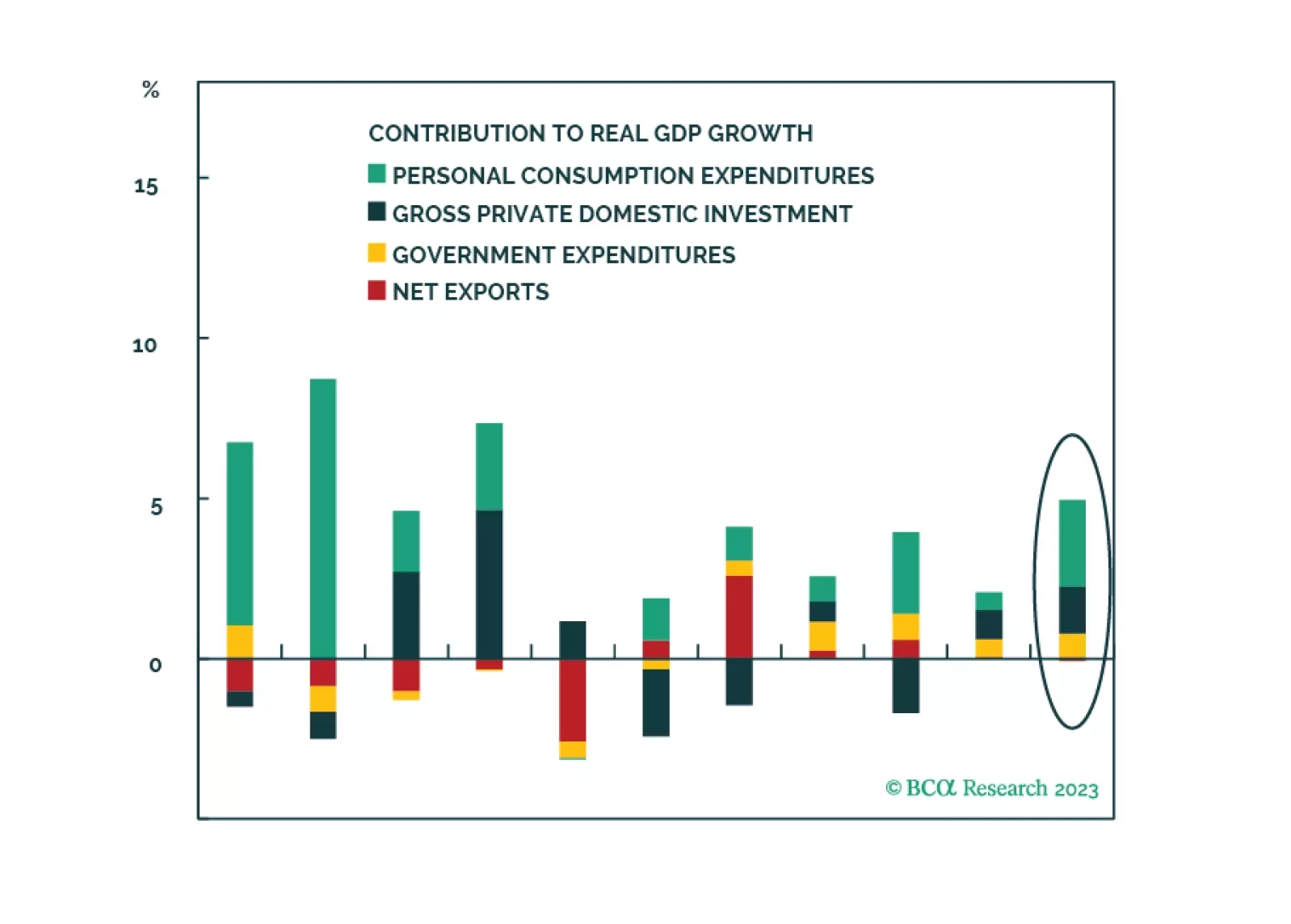
Highlights An Iran crisis is imminent. We still think a US-Iran détente is possible but our conviction is lower until Biden makes a successful show of force. Oil prices will be volatile. Fiscal drag is a risk to the cyclical global macro view. But developed markets are more fiscally proactive than they were after the global financial crisis. Elections will reinforce that, starting in Germany, Canada, and Japan. The Chinese and Russian spheres are still brimming with political and geopolitical risk. But China will ease monetary and fiscal policy on the margin over the coming 12 months. Afghanistan will not upset our outlook on the German and French elections, which is positive for the euro and European stocks. Feature Chart 1Bull Market In Iran Tensions Iran is now the most pressing geopolitical risk in the short term (Chart 1). The Biden administration has been chastened by the messy withdrawal from Afghanistan and will be exceedingly reactive if it is provoked by foreign powers. Nuclear weapons improve regime survivability. Survival is what the Islamic Republic wants. Iran is surrounded by enemies in its region and under constant pressure from the United States. Hence Iran will never ultimately give up its nuclear program, as we have maintained. Chart 2Biden Unlikely To Lift Iran Sanctions Unilaterally However, Supreme Leader Ali Khamenei could still agree to a deal in which the US reduces economic sanctions while Iran allows some restrictions on uranium enrichment for a limited period of time (the 2015 nuclear deal’s key provisions expire from 2023 through 2030). This would be a stopgap measure to delay the march into war. The problem is that rejoining the 2015 deal requires the US to ease sanctions first, since the US walked away from the deal in 2018. Iran would need domestic political cover to rejoin it. Biden has the executive authority to ease sanctions unilaterally but after Afghanistan he lacks the political capital to do so (Chart 2). So Biden cannot ease sanctions until Iran pares back its nuclear activities. But Iran has no reason to pare back if the US does not ease sanctions. Iran is now enriching some uranium to a purity of 60%. Israeli Defense Minister Benny Gantz says it will reach “nuclear breakout” capability – enough fissile material to build a bomb – within 10 weeks, i.e. mid-October. Anonymous officials from the Biden administration told the Associated Press it will be “months or less,” which could mean September, October, or November (Table 1). Table 1Iran Nearing "Breakout" Nuclear Capability Meanwhile the new Iranian government of President Ebrahim Raisi, a hardliner who is tipped to take over as Supreme Leader once Ali Khamenei steps down, is implying that it will not rejoin negotiations until November. All of these timelines are blurry but the implication is that Iran will not resume talks until it has achieved nuclear breakout. Israel will continue its campaign of sabotage against the regime. It may be pressed to the point of launching air strikes, as it did against nuclear facilities in Iraq in 1981 and Syria in 2007 under what is known as the “Begin Doctrine.” Chart 3Israel Cannot Risk Losing US Security Guarantee The constraint on Israel is that it cannot afford to lose America’s public support and defense alliance since it would find itself isolated and vulnerable in its region (Chart 3). But if Israeli intelligence concludes that the Iranians truly stand on the verge of achieving a deliverable nuclear weapon, the country will likely be driven to launch air strikes. Once the Iranians test and display a viable nuclear deterrent it will be too late. Four US presidents, including Biden, have declared that Iran will not be allowed to get nuclear weapons. Biden and the Democrats favor diplomacy, as Biden made clear in his bilateral summit with Israeli Prime Minister Naftali Bennett last week. But Biden also admitted that if diplomacy fails there are “other options.” The Israelis currently have a weak government but it is unified against a nuclear-armed Iran. At very least Bennett will underscore red lines to indicate that Israel’s vigilance has not declined despite hawkish Benjamin Netanyahu’s fall from power. Still, Iran may decide it has an historic opportunity to make a dash for the bomb if it thinks that the US will fail to support an Israeli attack. The US has lost leverage in negotiations since 2015. It no longer has troops stationed on Iran’s east and west flanks. It no longer has the same degree of Chinese and Russian cooperation. It is even more internally divided. Iran has no guarantee that the US will not undergo another paroxysm of nationalism in 2024 and try to attack it. The faction that opposed the deal all along is now in power and may believe it has the best chance in its lifetime to achieve nuclear breakout. The only reason a short-term deal is possible is because Khamenei may believe the Israelis will attack with full American support. He agreed to the 2015 deal. He also fears that the combination of economic sanctions and simmering social unrest will create a rift when he dies or passes the leadership to his successor. Iran has survived the Trump administration’s “maximum pressure” sanctions but it is still vulnerable (Chart 4). Chart 4Supreme Leader Focuses On Regime Survival Moreover Biden is offering Khamenei a deal that does not require abandoning the nuclear program and does not prevent Iran from enhancing its missile capabilities. By taking the deal he might prevent his enemies from unifying, forestall immediate war, and pave the way for a smooth succession, while still pursuing the ultimate goal of nuclear weaponization. Bringing it all together, the world today stands at a critical juncture with regard to Iran and the unfinished business of the US wars in the Middle East. Unless the US and Israel stage a unified and convincing show of force, whether preemptively or in response to Iranian provocations, the Iranians will be justified in concluding that they have a once-in-a-generation opportunity to pursue the bomb. They could sneak past the global powers and obtain a nuclear deterrent and regime security, like North Korea did. This could easily precipitate a war. Biden will probably continue to be reactive rather than proactive. If the Iranians are silent then it will be clear that Khamenei still sees the value in a short-term deal. But if they continue their march toward nuclear breakout, as is the case as we go to press, then Biden will have to make a massive show of force. The goal would be to underscore the US’s red lines and drive Iran back to negotiating table. If Biden blinks, he will incentivize Iran to make a dash for the bomb. Either way a crisis is imminent. Israel will continue to use sabotage and underscore red lines while the Iranians will continue to escalate their attacks on Israel via militant proxies and attacks on tankers (Map 1). Map 1Secret War Escalates In Middle East Bottom Line: After a crisis, either diplomacy will be restored, or the Middle East will be on a new war path. The war path points to a drastically different geopolitical backdrop for the global economy. If the US and Iran strike a short-term deal, Iranian oil will flow and the US will shift its strategic focus to pressuring China, which is negative for global growth and positive for the dollar. If the US and Iran start down the war path, oil supply disruptions will rise and the dollar will fall. Implications For Oil Prices And OPEC 2.0 The probability of a near-term conflict is clear from our decision tree, which remains the same as in June 2019 (Diagram 1). Diagram 1US-Iran Conflict: Critical Juncture In Our Decision Tree Shows of force and an escalation in the secret war will cause temporary but possibly sharp spikes in oil prices in the short term. OPEC 2.0 remains intact so far this year, as expected. The likelihood that the global economic recovery will continue should encourage the Saudis, Russians, Emiratis and others to maintain production discipline to drain inventories and keep Brent crude prices above $60 per barrel. OPEC 2.0 is a weak link in oil prices, however, because Russians are less oil-dependent than the Gulf Arab states and do not need as high of oil prices for their government budget to break even (Chart 5). Periodically this dynamic leads the cartel to break down. None of the petro-states want to push oil prices up so high that they hasten the global green energy transition. Chart 5OPEC 2.0 Keeps Price Within Fiscal Breakeven Oil Price Chart 6Oil Price Risks Lie To Upside Until US-Iran Deal Occurs As long as OPEC 2.0 remains disciplined, average Brent crude oil prices will gradually rise to $80 barrels per day by the end of 2024, according to our Commodity & Energy Strategy (Chart 6). Imminent firefights will cause prices to spike at least temporarily when large amounts of capacity are taken offline. Global spare capacity is probably sufficient to handle one-off disruptions but an open-ended military conflict in the Persian Gulf or Strait of Hormuz would be a different story. After the next crisis, everything depends on whether the US and Israel establish a credible threat and thus restore diplomacy. Any US-Iran strategic détente would unleash Iranian production and could well motivate the Gulf Arabs to pump more oil and deny Iran market share. Bottom Line: Given that any US-Iran deal would also be short-term in nature, and may not even stabilize the region, some of the downside risks are fading at the moment. The US and China are also sucking in more commodities as they gear up for great power struggle. The geopolitical outlook is positive for oil prices in these respects. But OPEC 2.0 is the weak link in this expectation so we expect volatility. Global Fiscal Taps Will Stay Open Markets have wavered in recent months over softness in the global economic recovery, COVID-19 variants, and China’s policy tightening. The world faces a substantial fiscal drag in the coming years as government budgets correct from the giant deficits witnessed during the crisis. Nevertheless policymakers are still able to deliver some positive fiscal surprises on the margin. Developed markets have turned fiscally proactive over the past decade. They rejected austerity because it was seen as fueling populist political outcomes that threatened the established parties. Note that this change began with conservative governments (e.g. Japan, UK, US, Germany), implying that left-leaning governments will open the fiscal taps further whenever they come to power (e.g. Canada, the US, Italy, and likely Germany next). Chart 7Global Fiscal Taps Will Stay Open Chart 7 updates the pandemic-era fiscal stimulus of major economies, with light-shaded bars highlighting new fiscal measures that are in development but have not yet been included in the IMF’s data set. The US remains at the top followed by Italy, which also saw populist electoral outcomes over the past decade. Chart 8US Fiscal Taps Open At Least Until 2023 The Biden administration is on the verge of passing a $550 billion bipartisan infrastructure bill. We maintain 80% subjective odds of passage – despite the messy pullout from Afghanistan. Assuming it passes, Democrats will proceed to their $3.5 trillion social welfare bill. This bill will inevitably be watered down – we expect a net deficit impact of around $1-$1.5 trillion for both bills – but it can pass via the partisan “budget reconciliation” process. We give 50% subjective odds today but will upgrade to 65% after infrastructure passes. The need to suspend the debt ceiling will raise volatility this fall but ultimately neither party has an interest in a national debt default. The US is expanding social spending even as geopolitical challenges prevent it from cutting defense spending, which might otherwise be expected after Afghanistan and Iraq. The US budget balance will contract after the crisis but then it will remain elevated, having taken a permanent step up as a result of populism. The impact should be a flat or falling dollar on a cyclical basis, even though we think geopolitical conflict will sustain the dollar as the leading reserve currency over the long run (Chart 8). So the dollar view remains neutral for now. Bottom Line: The US is facing a 5.9% contraction in the budget deficit in 2022 but the blow will be cushioned somewhat by two large spending bills, which will put budget deficits on a rising trajectory over the course of the decade. Big government is back. Developed Market Fiscal Moves (Outside The US) Chart 9German Opinion Favors New Left-Wing Coalition Fiscal drag is also a risk for other developed markets – but here too a substantial shift away from prudence has taken place, which is likely to be signaled to investors by the outperformance of left-wing parties in Germany’s upcoming election. Germany is only scheduled to add EUR 2.4 billion to the 25.6 billion it will receive under the EU’s pandemic recovery fund, but Berlin is likely to bring positive fiscal surprises due to the federal election on September 26. Germany will likely see a left-wing coalition replace Chancellor Angela Merkel and her long-ruling Christian Democrats (Chart 9). The platforms of the different parties can be viewed in Table 2. Our GeoRisk Indicator for Germany confirms that political risk is elevated but in this case the risk brings upside to risk assets (Appendix). Table 2German Party Platforms While we expected the Greens to perform better than they are in current polling, the point is the high probability of a shift to a new left-wing government. The Social Democrats are reviving under the leadership of Olaf Scholz (Chart 10). Tellingly, Scholz led the charge for Germany to loosen its fiscal belt back in 2019, prior to the global pandemic. Chart 10Germany: Online Markets Betting On Scholz Chart 11Canada: Trudeau Takes A Calculated Risk In June, the cabinet approved a draft 2022 budget plan supported by Scholz that would contain new borrowing worth EUR 99.7 bn ($119 billion). This amount is not included in the chart above but it should be seen as the minimum to be passed under the new government. If a left-wing coalition is formed, as we expect, the amount will be larger, given that both the Social Democrats and the Greens have been restrained by Merkel’s party. Canada turned fiscally proactive in 2015, when the institutional ruling party, the Liberals, outflanked the more progressive New Democrats by calling for budget deficits instead of a balanced budget. The Liberals saw a drop in support in 2019 but are now calling a snap election. Prime Minister Trudeau is not as popular in general opinion as he is in the news media but his party still leads the polls (Chart 11). The Conservatives are geographically isolated and, more importantly, are out of step with the median voter on the key issues (Table 3). Table 3Canada: Liberal Agenda Lines Up With Top Voter Priorities Nevertheless it is a risky time to call an election – our GeoRisk Indicator for Canada is soaring (Appendix). Granting that the Liberals are very unlikely to fall from power, whatever their strength in parliament, the key point is that parliament already approved of CAD 100 billion in new spending over the coming three years. Any upside surprise would give Trudeau the ability to push for still more deficit spending, likely focused on climate change. Chart 12Japan: Suga Will Go, LDP Will Stimulate Japanese politics are heating up ahead of the Liberal Democrats’ leadership election on September 29 and the general election, due by November 28. Prime Minister Yoshihide Suga’s sole purpose in life was to stand in for Shinzo Abe in overseeing the Tokyo Olympics. Now they are done and Suga will likely be axed – if he somehow survives the election, he will not last long after, as his approval rating is in freefall. The Liberal Democrats are still the only game in town. They will try to minimize the downside risks they face in the general election by passing a new stimulus package (Chart 12). Rumor has it that the new package will nominally be worth JPY 10-15 trillion, though we expect the party to go bigger, and LDP heavyweight Toshihiro Nikai has proposed a 30 trillion headline number. It is extremely unlikely that the election will cause a hung parliament or any political shift that jeopardizes passage of the bill. Abenomics remains the policy setting – and consumption tax hikes are no longer on the horizon to impede the second arrow of Abenomics: fiscal policy. Not all countries are projecting new spending. A stronger-than-expected showing by the Christian Democrats would result in gridlock in Germany. Meanwhile the UK may signal belt-tightening in October. Bottom Line: Germany, Canada, and Japan are likely to take some of the edge off of expected fiscal drag next year. Emerging Market Fiscal Moves (And China Regulatory Update) Among the emerging markets, Russia and China are notable in Chart 7 above for having such a small fiscal stimulus during this crisis. Russia has announced some fiscal measures ahead of the September 19 Duma election but they are small: $5.2 billion in social spending, $10 billion in strategic goals over three years, and a possible $6.8 billion increase in payments to pensioners. Fiscal austerity in Russia is one reason we expect domestic political risk to remain elevated and hence for President Putin to stoke conflicts in his near abroad (see our Russian risk indicator in the Appendix). There are plenty of signs that Belarussian tensions with the Baltic states and Poland can escalate in the near term, as can fighting in Ukraine in the wake of Biden’s new defense agreement and second package of military aid. China’s actual stimulus was much larger than shown in Chart 7 above because it mostly consisted of a surge in state-controlled bank lending. China is likely to ease monetary and fiscal policy on the margin over the coming 12 months to secure the recovery in time for the national party congress in 2022. But China’s regulatory crackdown will continue during that time and our GeoRisk Indicator clearly shows the uptick in risk this year (Appendix). Chart 13China Expands Unionization? The regulatory crackdown is part of a cyclical consolidation of Xi Jinping’s power as well as a broader, secular trend of reasserting Communist Party and centralization in China. The latest developments underscore our view that investors should not play any technical rebound in Chinese equities. The increase in censorship of financial media is especially troubling. Just as the government struggles to deal with systemic financial problems (e.g. the failing property giant Evergrande, a possible “Lehman moment”), the lack of transparency and information asymmetry will get worse. The media is focusing on the government’s interventions into public morality, setting a “correct beauty standard” for entertainers and limiting kids to three hours of video games per week. But for investors what matters is that the regulatory crackdown is proceeding to the medical sector. High health costs (like high housing and education costs) are another target of the Xi administration in trying to increase popular support and legitimacy. Central government-mandated unionization in tech companies will hurt the tech sector without promoting social stability. Chinese unions do not operate like those in the West and are unlikely ever to do so. If they did, it would compound the preexisting structural problem of rising wages (Chart 13). Wages are forcing an economic transition onto Beijing, which raises systemic risks permanently across all sectors. Bottom Line: Political and geopolitical risk are still elevated in China and Russia. China will ease monetary and fiscal policy gradually over the coming year but the regulatory crackdown will persist at least until the 2022 political reshuffle. Afghanistan: The Refugee Fallout September 2021 will officially mark the beginning of Taliban’s second bout of power in Afghanistan. Will Afghanistan be the only country to spawn an outflux of refugees? Will the Taliban wresting power in Afghanistan trigger another refugee crisis for Europe? How is the rise of the Taliban likely to affect geopolitics in South Asia? Will Afghanistan Be The Last Major Country To Spawn Refugees? Absolutely not. We expect regime failures to affect the global economy over the next few years. The global growth engine functions asymmetrically and is powered only by a fistful of countries. As economic growth in poor countries fails to keep pace with that of top performers, institutional turmoil is bound to follow. This trend will only add to the growing problem of refugees that the world has seen in the post-WWII era. History suggests that the number of refugees in the world at any point in time is a function of economic prosperity (or the lack thereof) in poorer continents (Chart 14). For instance, the periods spanning 1980-90 and 2015-20 saw the world’s poorer continents lose their share in global GDP. Unsurprisingly these phases also saw a marked increase in the number of refugees. With the world’s poorer continents expected to lose share in global GDP again going forward, the number of refugees in the world will only rise. Chart 14Refugee Flows Rise When Growth Weak In Poor Continents Citizens of Syria, Venezuela, Afghanistan, South Sudan, and Myanmar today account for two-thirds of all refugees globally. To start with, these five countries’ share in global GDP was low at 0.8% in the 1980s. Now their share in global GDP is set to fall to 0.2% over the next five years (Chart 15). Chart 15Refugee Exporters Hit All-Time Low In Global GDP Share Per capita incomes in top refugee source countries tend to be very low. Whilst regime fractures appear to be the proximate cause of refugee outflux, an economic collapse is probably the root cause of the civil strife and waves of refugee movement seen out of the top refugee source countries. Another factor that could have a bearing is the rise of multipolarity. Shifting power structures in the global economy affect the stability of regimes with weak institutions. Instability in Afghanistan has been a direct result of the rise and the fall of the British and Russian empires. American imperial overreach is just the latest episode. If another Middle Eastern war erupts, the implications are obvious. But so too are the implications of US-China proxy wars in Southeast Asia or Russia-West proxy wars in eastern Europe. Bottom Line: With poorer continents’ economic prospects likely to remain weak and with multipolarity here to stay, the world’s refugee problem is here to stay too. Is A Repeat Of 2015 Refugee Crisis Likely In 2021? No. 2021 will not be a replica of 2015. This is owing to two key reasons. First, Afghanistan has long witnessed a steady outflow of refugees – especially at the end of the twentieth century but also throughout the US’s 20-year war there. The magnitude of the refugee problem in 2021 will be significantly smaller than that in 2015. Secondly, voters are now differentiating between immigrants and refugees with the latter entity gaining greater acceptance (Chart 16). Chart 16DM Attitudes Permissive Toward Refugees Chart 17Refugees Will Not Change Game In German/French Elections Concerns about refugees will gain some political traction but it will reinforce rather than upset the current trajectory in the most important upcoming elections, in Germany in September and France next April. True, these countries feature in the list of top countries to which Afghan refugees flee and will see some political backlash (Chart 17). But the outcome may be counterintuitive. In the German election, any boost to the far-right will underscore the likely underperformance of the ruling Christian Democrats. So the German elections will produce a left-wing surprise – and yet, even if the Greens won the chancellorship (the true surprise scenario, looking much less likely now), investors will cheer the pro-Europe and pro-fiscal result. The French election is overcrowded with right-wing candidates, both center-right and far-right, giving President Macron the ability to pivot to the left to reinforce his incumbent advantage next spring. Again, the euro and the equity market will rise on the status quo despite the political risk shown in our indicator (Appendix). Of course, immigration and refugees will cause shocks to European politics in future, especially as more regime failures in the third world take place to add to Afghanistan and Ethiopia. But in the short run they are likely to reinforce the fact that European politics are an oasis of stability given what is happening in the US, China, Brazil, and even Russia and India. Bottom Line: 2021 will not see a repeat of the 2015 refugee crisis. Ironically Afghan refugees could reinforce European integration in both German and French elections. The magnitude of the Afghan crisis is smaller than in the past and most Afghan refugees are likely to migrate to Pakistan and Iran (Chart 17). But more regime failures will ensure that the flow of people becomes a political risk again sometime in the future. What Does The Rise Of Taliban Mean For India? The Taliban first held power in Afghanistan from 1996-2001. This was one of the most fraught geopolitical periods in South Asia since the 1970s. Now optimists argue that Taliban 2.0 is different. Taliban leaders are engaging in discussions with an ex-president who was backed by America and making positive overtures towards India. So, will this time be different? It is worth noting that Taliban 2.0 will have to function within two major constraints. First, Afghanistan is deeply divided and diverse. Afghanistan’s national anthem refers to fourteen ethnic groups. Running a stable government is inherently challenging in this mountainous country. With Taliban being dominated by one ethnic group and with limited financial resources at hand, the Taliban will continue to use brute force to keep competing political groups at bay. Chart 18Taliban In Line With Afghanis On Sharia At the same time, to maintain legitimacy and power, the Taliban will have to support aligned political groups operating in Afghanistan and neighboring Pakistan. Second, an overwhelming majority of Afghani citizens want Sharia law, i.e. a legal code based on Islamic scripture as the official law of the land (Chart 18). Hence if the Taliban enforces a Sharia-based legal system in Afghanistan then it will fall in line with what the broader population demands. It is against this backdrop that Taliban 2.0 is bound to have several similarities with the version that ruled from 1996-2001. Additionally, US withdrawal from Afghanistan will revive a range of latent terrorist movements in the region. This poses risks for outside countries, not least India, which has a long history of being targeted by Afghani terrorist groups. The US will remain engaged in counter-terrorism operations. To complicate matters, India’s North has an even more unfavorable view of Pakistan than the rest of India. With the northern voter’s importance rising, India’s administration may be forced to respond more aggressively to a terrorist event than would have been the case about a decade ago. It is also possible that terrorism will strike at China over time given its treatment of Uighur Muslims in Xinjiang. China’s economic footprint in Afghanistan could precipitate such a shift. Bottom Line: US withdrawal from Afghanistan is bound to add to geopolitical risks as latent terrorist forces will be activated. India has a long history of being targeted by Afghani terrorist movements. Incidentally, it will take time for transnational terrorism based in Afghanistan to mount successful attacks at the West once again, given that western intelligence services are more aware of the problem than they were in 2000. But non-state actors may regain the element of surprise over time, given that the western powers are increasingly focused on state-to-state struggle in a new era of great power competition.   Matt Gertken Vice President Geopolitical Strategy mattg@bcaresearch.com Ritika Mankar, CFA Editor/Strategist ritika.mankar@bcaresearch.com   Section II: GeoRisk Indicator China Russia United Kingdom Germany France Italy Canada Spain Taiwan Korea Turkey Brazil Australia Section III: Geopolitical Calendar
ハイライト パンデミックとその反発局面でリスクが大幅に低下した後、地政学的リスクは再び高まっている。 バイデン政権は中国/台湾、ロシア/ウクライナ、イスラエル/イランの3つの重大な外交試練に直面している。 ロシアはウクライナへの軍事侵攻を行いリスクオフを引き起こす可能性がある。ただしウクライナ全土への全面侵攻は起きにくいため、世界市場は比較的速やかに持ち直すだろう。 イランはウラン濃縮の「ブレイクアウト」閾値に接近しており、核兵器化に対するイスラエルのレッドラインを示すさらなる示威行動を招くだろう。イランは報復する見込みだ。これまでの見方では、緊張は8月までに米国とイランの合意が成立する前にエスカレートする見通しで順調に進んでいる。 台湾はすべての地政学的リスクの中で市場に最も関連性が高い—しかし南シナ海も米中の威嚇行為の別の舞台である。ここでの危機は台湾と結びつく場合に最も重要になる。 CAD-RUB と CHF-GBP をロングする。 特集 チャート 1 世界で最も深刻な海峡における通行量 話し合いか戦争か? 話し合いか戦争か? 英国首相ハロルド・マクミランはウィンストン・チャーチル卿の言葉を引用してかつて「Jaw‑jaw は war‑war より良い」と述べた。1 ジョー・バイデン大統領は、台湾に対する中国の軍事的威圧、ウクライナ国境でのロシアの軍事的集結、イランの核開発の加速という戦争リスクの増加を伴う三つの差し迫った外交試練に直面しており、間違いなく対話を望んでいるだろう。 こうした紛争の深刻さを示す一つの方法は、関連する地理的な交通のボトルネック、つまり台湾海峡、マラッカ海峡、ホルムズ海峡、ボスポラス海峡を通過する世界貿易の量を見ることだ(チャート 1)。石油と石油製品は全体の交通量の代替指標として用いている。最近の一時的なスエズ運河の閉塞は、これらのグローバルなボトルネックのいずれかで紛争が発生した場合に起こり得る混乱の大きさを示唆している。 本レポートではバイデンの外交試練における最近の展開を概観する。 我々の見解は概ね順調である。投資家はグローバル金融市場に地政学リスクがより多く織り込まれることを戦術的に想定し、安全資産へのフローや場合によっては一般的な株式の調整に備えるべきだ。景気循環的には最悪ケースがない限り強気相場は続く。 バイデンの3つの外交試練 バイデンの3つの外交試練はいずれも本稿執筆時点で強まっている: 中国/台湾:中国は台湾島周辺で高強度の「戦闘訓練」や実弾演習を継続している。2 米国は北京の反対にもかかわらず台湾へ外交代表団を派遣し、比較的大規模な武器提供を行う予定だ。一方でワシントンは、バイデン大統領と習近平国家主席の首脳会談をアースデイに設定するために、同大統領の「気候担当特使」ジョン・ケリーを北京へ送っている。バイデンによる米中政策の総括的レビューは5月に予定されている。 ロシア/ウクライナ:ロシアはウクライナ国境とクリミアに8万5千人を超える部隊を集結させており、2014〜15年の侵攻以来の最大の兵力集中だ。ロシアはワシントンに対する大使を召還し、米国が新たな制裁を課すなら報復すると警告した。米国は実際にロシアのサイバー攻撃や選挙干渉に応じて新たな制裁を課しており、6月からのルーブル建てロシア国債の販売禁止などを含む。従ってロシアの報復は差し迫っている。 イスラエル/イラン:3月23日の選挙直後、イスラエルはナタンズ核燃料濃縮施設の地下施設を破壊工作し、イランはイスラエル領内で報復すると宣言した。イランはウランを60%レベルまで濃縮すると主張しており、これは核兵器製造に必要な90%以上に近づく数値だ。米国とイスラエルの当局者は以前、イランが4月から8月の間に「ブレイクアウト」レベルの兵器級ウランに到達すると示唆していた。交渉は続いているが、このプロセスは攻撃に見舞われやすいだろう。 我々は今年、台湾に関するダイナミクスについて広範に執筆してきた。本レポートではまずロシアとイランの状況を更新し、その後中国に進む。 結論:パンデミック中の一時的な和らぎの後、地政学リスクが再燃している。新しい米政権は同時に三つの深刻な外交試練に直面している。金融市場は緊張の高まりを大部分で無視してきたが、当面は安全資産が買われると予想する。しかし我々はまだ強気の景気循環見通しを変更していない。以下で説明するように、現時点では「Jaw‑jaw(対話)」の域にあると考えている。 ロシアと新興欧州はショートを継続 民主党の復権によりワシントンとモスクワの緊張は直ちに高まった。バイデン政権は外交的なリセットを避け、むしろ大国間競争を追求している。米国はウクライナへの武器提供やNATOの軍事演習を増やしている。ロシアのサイバー攻撃や選挙干渉に対する制裁を課し、長年待望されていたルーブル債購入への措置を取った。ワシントンはドイツに対してノルドストリームIIパイプラインの取消しを迫る可能性もある。 しかし緩和的な兆候もある。バイデン大統領はプーチン大統領と第三国での二国間首脳会談を提案しており、両者はアースデイのサミットで会う可能性がある。米海軍はまた、モスクワが黒海に入る米軍艦船は危険に晒されると警告した後に、USSドナルド・クックとUSSルーズベルトの駆逐艦を黒海に入らせるのを取りやめた。ワシントンの新たな制裁はロシアによる米国選挙への大規模介入と同等というほどではなく、ノルドストリームIIに関する新たな措置は含まれていない。 米国が建設完了前にドイツにノルドストリームの取消しを強いる動きを取れば、ロシアは報復するだろう。ノルドストリームの目的はウクライナを迂回してロシアとドイツの直接的経済関係を固めることにある。ドイツ政府はウクライナ国境でのロシアの集結や政治的反対者の弾圧にもかかわらずこのプロジェクトを支持している。米国がパイプラインを否認すれば、ロシアは正当な貿易ルートへのアクセスを奪われ、ウクライナ経由以外の輸出オプションが制限されることになる。もし同時に米国がウクライナとの軍事協力を強化すれば、それは暗にロシアの欧州向けエネルギーアクセスを制御しようとする試みとなる。ロシアはウクライナを罰することで報復する可能性が高い。 ロシアはノルドストリームやウクライナ向けの米国のアプローチにかかわらず、ウクライナや他の場所で攻勢の行動を取る可能性がある。ロシアは弱い国内経済と社会的不満に悩んでおり、人気が低下すると国外での冒険主義に走る前例がある。さらに立法選挙が9月に迫っている。したがってロシアは少なくとも今後半年間、ウクライナで紛争を引き起こす独自の理由を持ち得る。 能力から判断すると、ロシアは分離地域ドンバスに軍事侵攻を仕掛けるのに十分な部隊を配備している。国境でのロシア軍の増強は2014年以来最大であり、ロシア語圏のウクライナの大部分を危険にさらし得る規模だ。 ウクライナ全土への全面的なロシア侵攻は起きにくいが不可能ではない。それは占領のための血と財を極めて大きく消費するだけでなく、西側をロシアに対して結束させ、モスクワが望むものの逆結果を招く(チャート 2)。米国がノルドストリームを停止するかウクライナをNATOに加盟させようとしない限り、モスクワはこの結果を避けたいと考えるだろう。 チャート 2 ウクライナに対するロシアの制約 話し合いか戦争か? 話し合いか戦争か? 市場の観点からすれば、政府とロシア支援の反乱勢力とのウクライナ内での戦闘激化は現状維持である。これは避けられず、世界株式に大きな影響はないだろう。2014年のクリミア侵攻はS&P500で最大2%のドローダウンにとどまった。金融市場を揺さぶったのはロシアのウクライナ侵攻ではなく、マレーシア航空17便の撃墜だった。世界株は2.7%下落、ユーロストックス500は6.2%、ロシア株は10.7%下落した。 2014〜15年の戦闘には最終的にロシア軍が参加しており、単なるロシア支援の分離主義勢力だけではなかったことに留意すべきだ。したがって、紛争がウクライナ、特に争われている地域に限定され、米国とNATOが関与しなければ、世界の金融市場はその種の紛争に比較的耐えうる。 ロシアがウクライナ全土の完全征服を追求すれば、より大きな安全資産への逃避が生じるだろう。これは確率は低いが影響は大きい。欧州でのより大規模な戦争のリスクを初めて高めるため、世界的なリスクオフを引き起こす。 ロシアは大戦略と国家安全保障の観点からウクライナに執着しており、必要と判断すれば少なくとも何らかの軍事行動を取るだろう。投資家はエスカレーションに備えるべきだが、ワシントンもモスクワもまだ致命的な一手を打ってはいない。 ウクライナ側のいかなる攻撃的行動にも注意を払うことが重要だが、ウクライナが主導的要因というわけではない。現在の状況は2008年のグルジア(ジョージア)の事例に似ている。ロシアは当時ミハイル・サアカシュヴィリ大統領を扇動して分離主義者に対する行動を取らせ、その後介入してアブハジアと南オセチアを分離させた。ウクライナのヴォロディミル・ゼレンスキー大統領が挑発に乗せられる可能性はあるが、挑発を恐れて躊躇することがロシアに主導権を与えることもあり得る(2014年の出来事のように)。ウクライナにとっては「やれば地獄、やらなければ地獄」だ。ロシアの行動は大部分その利益次第で決まる。 これまでロシア株は他の新興市場株式やコモディティラリーに遅れを取ってきたが、これは部分的に政治・地政学リスクの上昇を反映している可能性がある(チャート 3)。ロシア株のトレンドはここからさらに悪化する可能性がある。 9月の選挙を控えたロシアの対西側紛争への関心を考えると、ロシア―ウクライナの緊張は今年の大半続く可能性がある。気候が改善する5月中旬以降に大規模軍事作戦の確率が高まるだろう。ロシア通貨と資産は引き続き圧力を受けるだろう。 我々はカナダドルをロシアルーブルに対してロングすることを推奨する。ルーブルは、クリミア紛争の2014年を踏まえると、コモディティ通貨を含む他のコモディティ通貨に対してアンダーパフォームするだろう(チャート 4)。一方でカナダやメキシコの通貨は、米国経済が過度に刺激されていることと迅速なワクチン接種の恩恵を受けるはずだ。 チャート 3 ロシアはコモディティ・ラリーに遅れ ロシアはコモディティ・ラリーに出遅れた ロシアはコモディティ・ラリーに出遅れた チャート 4 ルーブルよりルーニーとペソを優先 ルーニーとペソをルーブルより優先する ルーニーとペソをルーブルより優先する チャート 5 先進欧州ロング / 新興欧州ショート DMヨーロッパのロング / EMヨーロッパのショート DMヨーロッパのロング / EMヨーロッパのショート 我々は先進欧州をオーバーウェイトし、新興欧州をアンダーウェイトし続ける(チャート 5)。ポーランド、ハンガリー、チェコ、ルーマニア、バルト三国は現在の緊張によりリスクプレミアムを被るだろう。チェコは10月の立法選挙を巡る政治的不確実性に直面しており、ロシアの介入や反体制(とはいえ対EU)政党の台頭の機会となり得る。 バイデンとプーチンがどうすれば緊張を緩和できるかを問うと、米国とNATOはウクライナ関係を縮小し、民主主義促進や心理的な反戦作戦を格下げし、ノルドストリームの完成を容認することができる。ロシアは国境での兵力を削減し、イラン核合意やアフガニスタン撤退で協力の手を差し伸べることができる。これは我々の見方に対するリスクである。 結論:ロシアと新興欧州市場は、新興市場株式の中でも数少ない本当に割安な市場の一部である(表 1)。しかし現状の地政学的文脈はそれらを割安なままに保ちそうだ。現時点では西側とロシアの対立が大きくエスカレートすることに備えるべきである。少なくとも米国がノルドストリームIIの建設を停止するか否かが判明するまで、新興欧州に対してより強気な見方を取るのは控えるべきだ。 表 1 地政学的リスクがロシアと新興欧州を割安に保つ 話し合いか戦争か? 話し合いか戦争か? ウクライナに対するロシアの全面的な征服という最悪シナリオは確率は小さいが排除できない。 イラン交渉:先に爆発、次に核合意 イスラエルは3月23日の選挙後も政府を組織できておらず、ベンヤミン・ネタニヤフ首相が再び政権を率いる可能性があるため国家政策にはいまだ変化がない。さらにイスラエルの世論と政治体制はイランの地域的・核に関する野望に対して一致して反対している。 イランがナタンズ核施設で新しい遠心分離機を稼働させた直後の4月11日、イスラエルは同施設の地下施設に対する破壊工作を行ったとされる。この攻撃はサイバー手段に限定されないもので、複数の遠心分離機を無効化したとされる。イランの科学者がクレーターに落ちて負傷した。 イランはイスラエル領内で報復すると誓っている。より根本的には、政治が強硬化の方向へ動いており、6月の強硬派大統領の選出で相互敵対は一層激化するだろう。この権力移行は、我々が8月の就任を米国が2015年の核合意(包括的共同行動計画)に復帰するための重要な期限と特定した大きな理由である。バイデン政権がその時までに合意をまとめられなければ、より危険な数年にわたる交渉が始まるだろう。 ただしイスラエルの攻撃は短期的には交渉を止めていない。第二ラウンドの協議は本稿執筆時にウィーンで始まっている。米国はまた9月11日にアフガニスタンから撤退することを確認しており、これはイランに対してバイデンが地域における米国の戦略的足跡を縮小する決意があることを示し、米国の合意追求の動機を補強している。 今後数か月、イスラエルはイランの核・ミサイル計画に対するレッドラインを秘密裏の攻撃を通じて強調し続けるだろう。しかし彼らは2015年に米国の核合意を阻止できなかったし、今日も米国の動きを止める可能性は低い。イスラエルは米国との同盟を維持する必要があり、これがイランや中東全体の不安定性に対する長期的な安全保障を確保している(チャート 6)。 イランはイスラエルに報復し、今夏は報復の応酬が起きる可能性が高い。これには重要インフラへの攻撃も含まれる恐れがある。イランはイラクやサウジアラビアの敵に対する作戦も続ける可能性があり、これが予期せぬ石油供給停止を引き起こし原油価格を押し上げることがある。イスラエル、サウジ、UAEの株式市場を一目見れば、世界の投資家はこれまで地政学リスクを大部分無視してきたが、米国とイランの合意前に紛争がエスカレートする可能性に対して反応し始めているかもしれない(チャート 7)。 チャート 6 イランに対するイスラエルの制約 話し合いか、それとも戦争か? 話し合いか、それとも戦争か? 米国、ドイツ、フランス、ロシア、中国はイランを合意遵守に戻すことに公式に賛同している。遵守への復帰は米国の制裁緩和と段階的にリンクされる必要がある。イラン側は米国が2018年に一方的に協定から離脱し制裁を再課したため、まず米国が制裁を緩和することを要求している。 チャート 7 サウジ、UAE、イスラエルの株式が危険信号を示す サウジ、UAE、イスラエルの株式に危険信号 サウジ、UAE、イスラエルの株式に危険信号 最終的にバイデンは最初の一手を打つことが可能だ。米国民はイランに対して非常に関心が薄く、バイデン自身も地域を安定させ、米国がアジア太平洋により戦略的注意を向けられるようにするためにイラン合意が必要だというワシントンの強いコンセンサスに基づいて行動している。 ロシアと中国は、対米関係が同時に緊張している中でイラン合意を支持するだろうか? 米国とイランが既存合意への復帰で満足する限り(合意は2025年に有効期限を迎える)、ロシアや中国が何かする必要はほとんどない。しかしワシントンがより良い合意を望むなら、モスクワと北京に対して大幅な譲歩を行わねばならず、新たでより良い合意は交渉に何年もかかるだろう。 チャート 8 露中協力の拡大 話し合いか戦争か? 話し合いか戦争か? ロシアと中国は核拡散を制限する機会として当初の核合意を支持した。中東での核軍拡は両国の力を希薄化させるからだ。イランはロシアと中国にとって中東における有用な戦略的パートナーであり、彼らはイランの経済が強くなることを政権の永続化にとって好ましいと考えている。彼らはイラン経済の自由化が政治の自由化につながらないと踏んでいる(ロシアや中国の例が示す通り)ため、経済的に強く影響力を持つ同盟国を維持できると見ている。 露中の戦略的パートナーシップは過去10年で劇的に成長した。両国は米国の世界的指導力を弱め、米国内の分断を煽る利害を共有している。両国は自国の国境近傍、特に安全保障と政治的正当性に不可欠と考える戦略的領域や海域での米軍の存在を減らすことに利害を同じくする。ロシアはますます中国の需要と中国の投資に依存して資源を開発している。双方とも貿易において相手の通貨を完全には信頼していないが、米ドルからの多様化という共通の利害を持っている(チャート 8)。 チャート 9 中国はイラン支援の手を差し伸べるか? 中国はイランに支援の手を差し伸べるか? 中国はイランに支援の手を差し伸べるか? イラン問題で米国と協力する場合、ロシアと中国は自国の核心的利益に近い戦略分野での要求を米国に尊重することを期待するだろう。バイデン政権がウクライナや台湾との貿易・防衛関係を強化し続ければ、モスクワと北京は強硬に反発し、その時点でイラン合意を阻止または弱体化させる可能性がある。 中国は少なくとも公的にはイランへの制裁を執行している(チャート 9)。中国とイランの戦略的パートナーシップは米国が制裁体制を明確にするまで交渉の継続状態にある。明らかに中国は核の脅威に関する協力の見返りとして米国から譲歩を引き出したいと考えている。これは北朝鮮に関しても同様であり、ミサイル危機は中国にとって仲裁の必要性を生み出す好都合な出来事となる。中国はバイデンにトランプ大統領が課した制限を解除させる機会を見ている。今後数か月でバイデン政権の対中強硬姿勢が確認されれば、中国の協力意欲は変化するだろう。 結論:イスラエルはイランの核兵器化に対するレッドラインを強調しており、今春から夏にかけての紛争は増加するだろう。しかしそれでも米国とイランの2015年の核合意再交渉を妨げてはいない。我々は今もバイデンが8月までに合意に達するだろうと予想している。 台湾と南シナ海 グローバル金融市場にとってバイデンが直面する最重要の試練は米中関係と台湾海峡を巡る緊張だ。我々はこの問題に関して最近の調査と議論を繰り返すつもりはない。要するに、今後12〜24ヶ月の間に何らかの危機が発生する確率を60%と見ており、全面戦争の確率を5%と見積もっている。全面戦争の確率は国内の中国の不安定化、画期的な米国の軍事売却、あるいは台湾の独立宣言などが起きれば急速に上昇する可能性がある。 全面的な中国の台湾攻撃に対する最大の抑止要因—我々が現在5%の確率と見積もる理由—は、それが中国経済に壊滅的な打撃を与えるという点だ。中国の先進国との貿易は台湾を含め輸出の63%、GDPの11%を占める(チャート 10)。北京は最終的には「統一」のためにこの代償を支払う覚悟があるかもしれないが、それを軽々しく行うことはない。年を追うごとに中国はグローバルな経済的影響力と台湾に対する軍事能力を高めている。 チャート 10 台湾に対する中国の制約 話し合いか、それとも戦争か? 話し合いか、それとも戦争か? 中国は貿易戦争期に減少していた米国債の購入を増やしている(チャート 11)。中国は金利が上昇した際に購入を増やすことが多く、ワクチン発見以降国債利回りが急上昇していることを考えれば、これは中国が米国との全面戦争を準備していることを示す明確な兆候ではないが、限定的な指標で誤解を招く恐れはある。   戦争以外の危機とは何か?我々が台湾で「何らかの危機」と言うとき、何を意味するのか? 大きなグレーゾーンとしては経済制裁や経済封鎖がある。2016年に名目上独立志向の政党が勝利した際、中国は観光を切り詰めたが、COVID‑19で観光は完全に停止した。それでも現時点でより広範な禁輸措置の証拠はない(チャート 12)。これは一夜にして変わり得る。米国法は台湾への禁輸を禁止しているが、ここは北京が米国のコミットメントを試すかもしれない領域である。 チャート 11 中国の米国債購入が増加 中国、米国トレジャリーズをさらに買い増し 中国、米国トレジャリーズをさらに買い増し 現在の台湾に対する高圧的状況は大部分が新たな米国の輸出管理と世界的な半導体不足が重なっていることに起因する。中国はまだ自国の半導体需要を満たせず、米国とその同盟国なしには先端チップを十分に開発できない(チャート 13)。 チャート 12 台湾に対する禁輸は(まだ)ない 台湾への禁輸はまだない 台湾への禁輸はまだない If the Biden administration pursues a full technological blockade then China may be forced to take tougher action on Taiwan. But if Biden pursues a more defensive strategy then a new equilibrium will develop that spares China the risks of war. チャート 13 中国の半導体需要 中国の半導体需要 中国の半導体需要 米国と中国は同時に南シナ海での海軍対立をエスカレートさせており、特にフィリピン周辺で緊張が高まっている。米中の空母群や艦艇が互いににらみ合っており、北京はフィリピンを威嚇して同国の米国との防衛条約への信頼を揺さぶろうとしている。中国は南シナ海を自国領と主張しており、米国の航行の自由を否定しようとする試みに対して米国は航行の自由を主張するため、艦船の沈没に至る可能性もある。 南シナ海の戦略的重要性は台湾海峡と似ている。中国がこれらの海域を掌握すれば、台湾、日本、韓国の供給保障が脅かされ、米国の地域における戦略的地位が弱まる。ベトナムやフィリピンでの代理戦争のリスクが高いことは以前から指摘しているが、これらは北東アジアの安全保障と比べると世界的関心事としては重要度が低い。台湾は半導体問題のために世界の投資家にとってはるかに重要だが、南シナ海でも危機が発生する機会は多い。この海での危機は周縁的だと片付けられない。直接的な米中衝突に発展するか、最悪の場合、台湾への行動の前触れとなる可能性があるためだ。中国は台湾への接近路を制御しようとするだろう。 この地域の最後のリスクは北朝鮮が弾道ミサイル試験を再開したことである。前述の通り、危機は中国にとって都合が良いタイミングで発生する可能性がある。しかし投資家にとって北朝鮮は重要な台湾海峡からの注意をそらすものに過ぎず、リスクオフ感情を助長する程度だ。 結論:米中関係は依然として不安定であり、南シナ海や朝鮮半島を巡って衝突が発生する可能性は台湾海峡での衝突と同様に存在する。台湾海峡は最も重要な地理的地点である。南シナ海での直接的な米中衝突は世界的な売りを引き起こす可能性があるが、台湾と結びつかない限り市場は比較的速やかに回復するだろう。 投資のポイント 地政学的リスクはCOVID‑19パンデミック期間の和らぎの後に再燃している。とはいえ、摩擦が直ちに戦争に直結するとは限らない。外交の余地は残されている。米中、ロシア、イランが「Jaw‑jaw(対話)」を選べば、世界株のラリーはさらに続く可能性がある。 しかし戦術的観点からは、上で示した議論はバイデンの早期の外交試練の少なくとも一つが地政学的事件へとエスカレートし、地域的または世界的な株式市場に悪影響を与える可能性があることを示している。 市場はこれらのリスクの顕在化に備えていない。主要国の標準的なグローバル政策不確実性指標は多くの国で急低下している点は注目に値する。政策不確実性が上昇している世界の数少ない国の二つに中国とロシアが含まれるのは注目に値する。後者は国内の不安定さによる可能性が高く、これは攻撃的な外交政策の大きな動機となる(チャート 14)。 チャート 14A 世界の政策不確実性は復活する グローバルな政策不確実性は再燃する グローバルな政策不確実性は再燃する チャート 14B 世界の政策不確実性は復活する グローバルな政策不確実性は再燃するだろう グローバルな政策不確実性は再燃するだろう 世界的な財政刺激は依然として非常に強力であり、今年がピークになる可能性が高い。チャート 15は主要国の最新の財政刺激の更新を示しており、COVID‑19危機と2008年の金融危機を比較している。このチャートの以前の版からは注目すべき変更がいくつかあり、主に昨年のショック後のGDPの改定、急速な経済の反発による税収の改定、刺激策の時期と規模の改定によるものだ。バイデン政権の2.3兆ドルのインフラ計画は当然含まれていない。チャート 15の第2パネルは2020年10月から2021年4月にかけてのIMFの推定値の変化を示している。本質的に2020年の財政刺激は過大評価されていた。多くの施策が発動せず、経済のスナップバックが予想より良かったためだ。一方で2021年の刺激は予想より大きい。ロシアと中国は他国より早く金融緩和を引き締めたことで、両年のIMF推定の財政刺激が減少した点が目立つ。 チャート 15 世界の財政刺激チャートの改訂 対話か戦争か? 対話か戦争か? コモディティは世界的な回復の大きな受益者であった(チャート 16)。中国の成長は今年減速する可能性が高く、これは地政学的危機とは別に下押しを引き起こすだろう。しかし景気循環的な観点からは、特に工業用金属は供給が限られる中で需要が急増しており恩恵を受けるはずだ。地政学的危機や戦争は当初はネガティブだが、その後金属にとってはポジティブとなるだろう。 チャート 16 地政学的紛争から恩恵を受けるコモディティ 地政学的対立で恩恵を受けるコモディティ 地政学的対立で恩恵を受けるコモディティ 注目すべきは、米国が中国やEUと並んで産業政策を受け入れている点だ。特にバイデンの2.3兆ドルのアメリカン・ジョブズ・プランには約3,700億ドルのグリーン関連イニシアチブが含まれており、今年後半に議会を通過する可能性が高い。象徴的には、バイデンはアースデイの4月22〜23日に世界サミットを主催することで中国や欧州のグリーン施策に追いつこうとする米国の試みを強調するだろう。 英ポンドについて一言。我々は2月にポンドに対する景気循環的な強気見通しを戦術的に一時停止した。これは5月6日のスコットランド議会選挙を見越しての判断だ。スコットランド国民党が強い成果を示せば、第二回独立住民投票につながる可能性がある。この党は世論で勢いを失っているが、独立志向は再び高まっており、ナショナリストの驚きが投票箱で起き得るという我々の指摘を補強している(チャート 17)。第二回住民投票の見通しが明確になれば、中期的なポンドの見通しも明らかになるだろう。 チャート 17 スコットランド選挙で短期的リスクに直面するポンド 英ポンド、スコットランドの選挙で短期的なリスクに直面 英ポンド、スコットランドの選挙で短期的なリスクに直面 チャート 18 戦術的取引としての CHF‑GBP ロング 戦術的トレードのためのCHF-GBPロング 戦術的トレードのためのCHF-GBPロング 短期的には我々は戦術的な安全資産のトレードとヘッジを継続する。スイスフランの戦術的ロングは3月25日に5%でストップとなった。しかし当社の為替ストラテジスト、チェスター・ントニフォアはその後フランが過度に割安であることを指摘している(チャート 18)。今回は政治リスクと上述の英国の政治リスクを踏まえ、戦術的にCHF‑GBPのロングを推奨する。   Matt Gertken バイスプレジデント 地政学ストラテジー mattg@bcaresearch.com   脚注 1 “Jaw‑Jaw Is Best, Macmillan Finds,” New York Times, 1958年1月30日, nytimes.com. 2 Taiwan – Province of China.