ユーロ圏
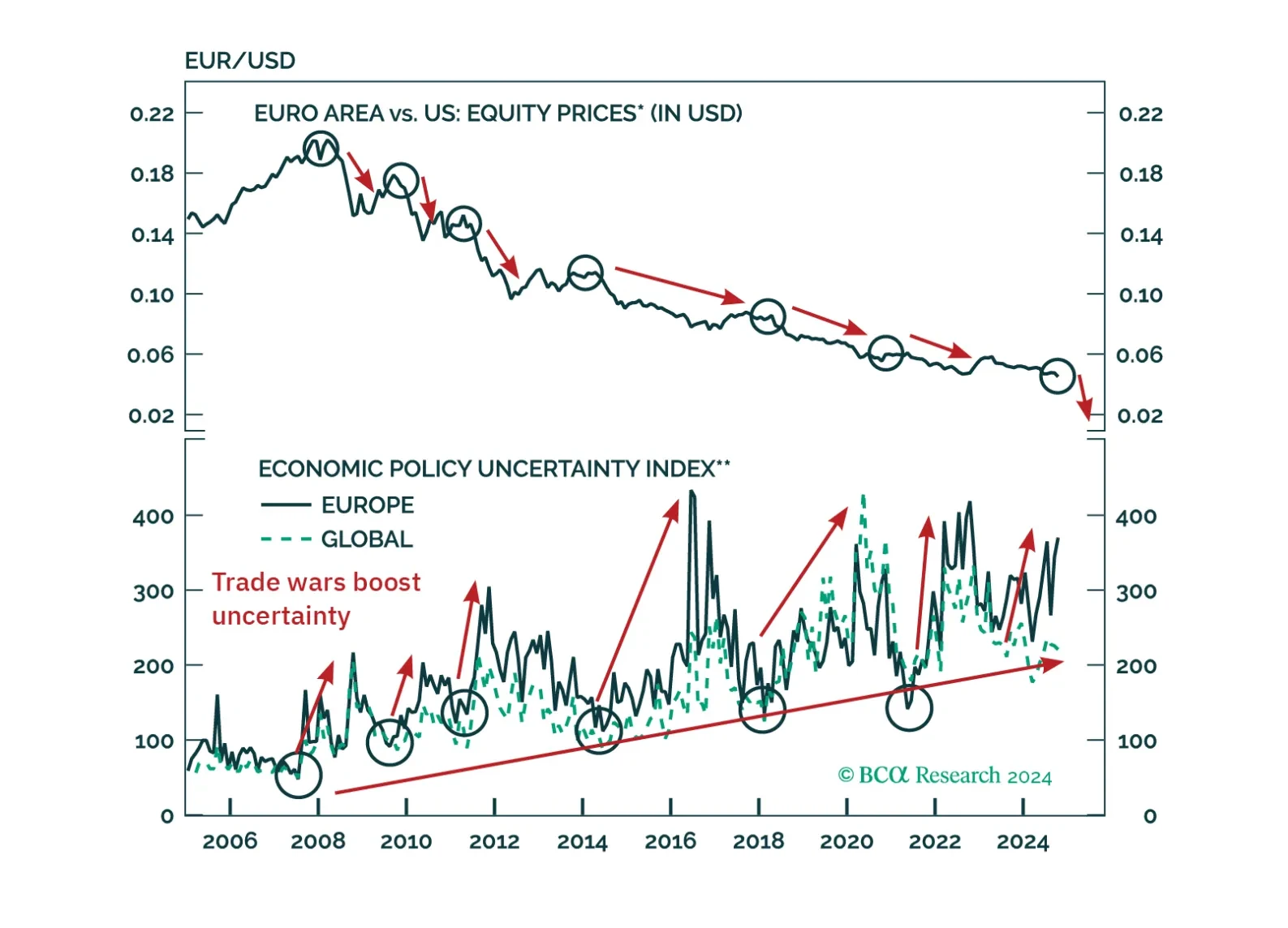
European assets and the euro have become oversold and are likely to rebound. Will this move be nothing more than a dead cat bounce leading to more weakness?

Economic expectations for Germany and the Eurozone disappointed, with the November ZEW decreasing to 12.5 from 20.1. The assessment of current conditions also worsened, implying the sentiment rebound from September will not be sustained. The outlook remains…

今週、当社のセントラル・バンク・モニターズ(CBMs)を更新しました。これらは先進国経済における金融政策をどのように調整すべきかを見極めるのに役立ちます。結論としては、全体としてより緩和的な金融政策が求められるものの、G10諸国間のシグナルの乖離から生じるいくつかのトレード・アイデアがあります。
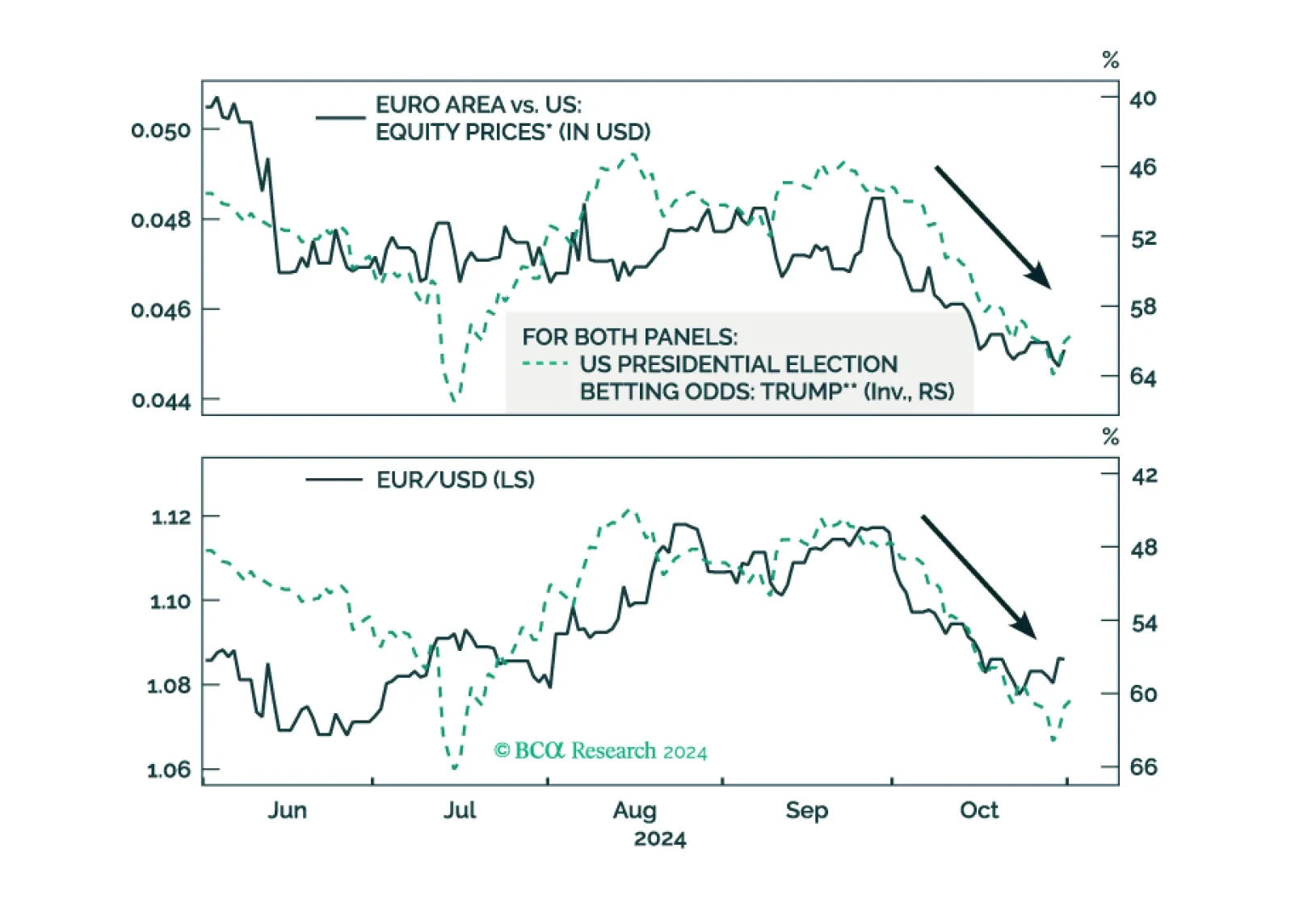
トランプ勝利の可能性が高まるにつれて、欧州アセットのパフォーマンスは米国アセットを下回っている。トランプ勝利が欧州株に与える即時の影響は何か?

Germany’s economy has lagged that of the rest of Europe for nearly 10 years. So have German stocks. Investors are extrapolating these trends to bet on the country’s deindustrialization. Could Germany manage to beat dismal expectations?
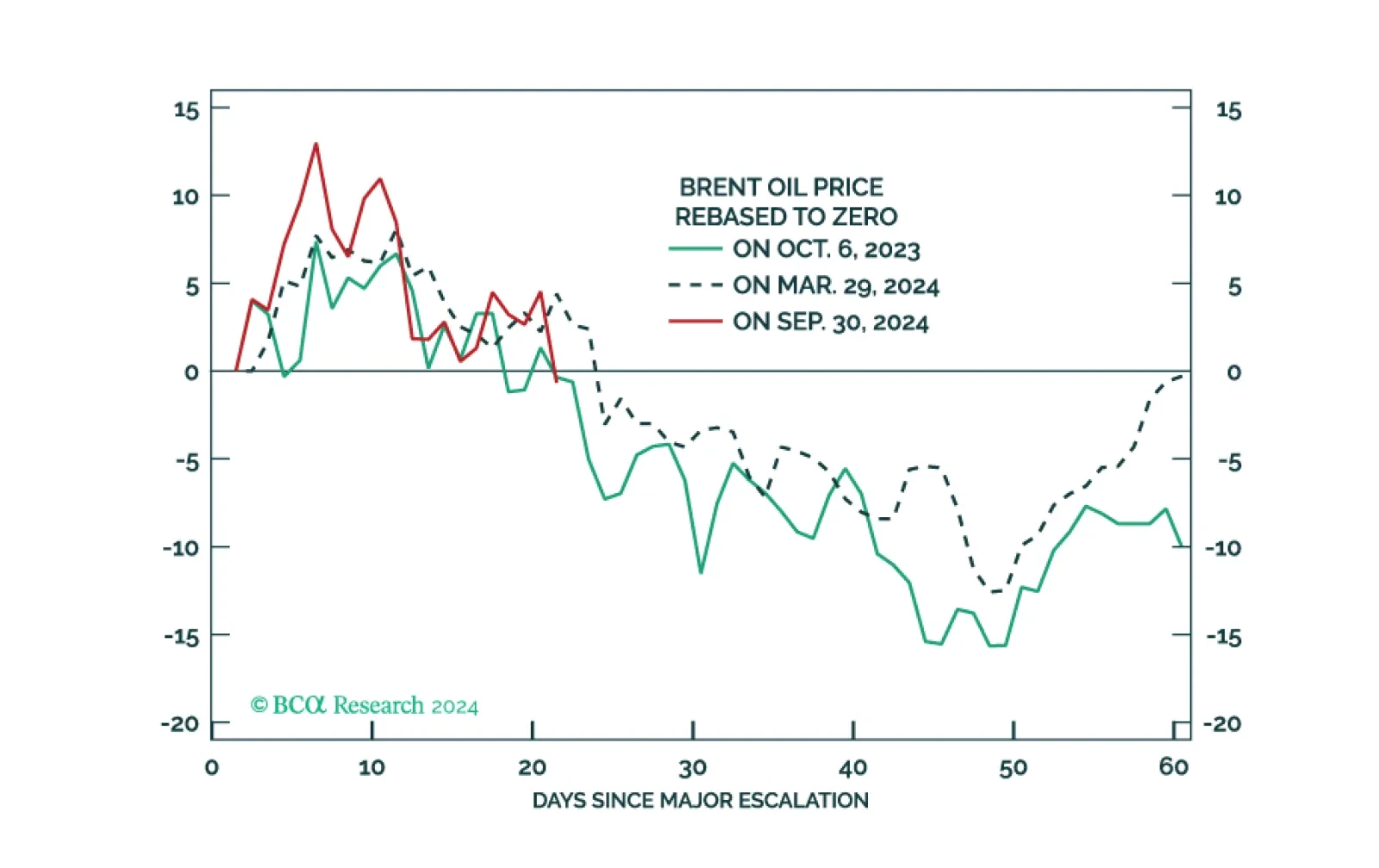
Germany’s problems are well known: Demographics, Chinese competition, underinvestment, energy dependence, and constrained fiscal policy. Our European Investment Strategy colleagues believe this bad news is priced in. More optimism is warranted as cyclical…
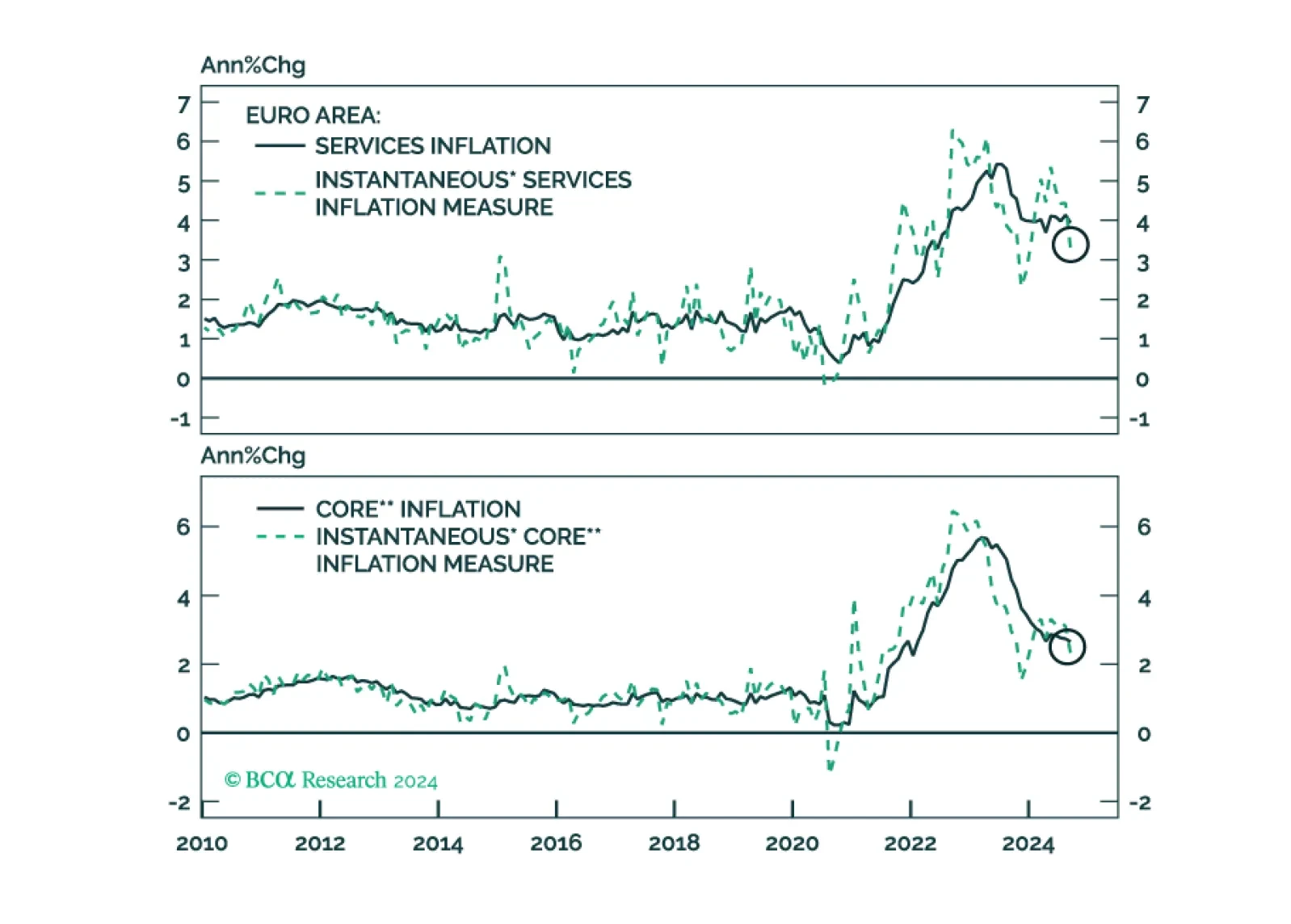
Yesterday, the ECB solidified its recent dovish tilt in response to weaker growth and decreasing inflationary pressures. It is now set to cut rates 25bps each meeting. How low will the ECB deposit rate ultimately go and what does this imply for yields and the euro?
The ECB cut interest rates by 25 bps for the third time this year, lowering the deposit facility rate from 3.5% to 3.25%. While the ECB is avoiding explicitly committing to a path for policy, President Lagarde’s repeated statement that the disinflationary…
Banks reported an increase in loan demand from both firms and households in the European Central Bank’s Bank Lending Survey, marking the first rise since 2022. This demand increase occurred as lending standards for firms remained roughly unchanged after two…