Saltar al contenido principal

Economy

The US unemployment rate has clocked in below 4.5% for 33 consecutive months. However, this historically low rate camouflages nascent cracks in the US labor market. Ahead of recessions, firms usually reduce the pace of hiring before they start firing. The…
Preliminary estimates suggest that although consumers’ perceptions of current economic conditions unexpectedly deteriorated in August, they are becoming increasingly optimistic about the future. The University of Michigan current conditions gauge dropped 1.8…

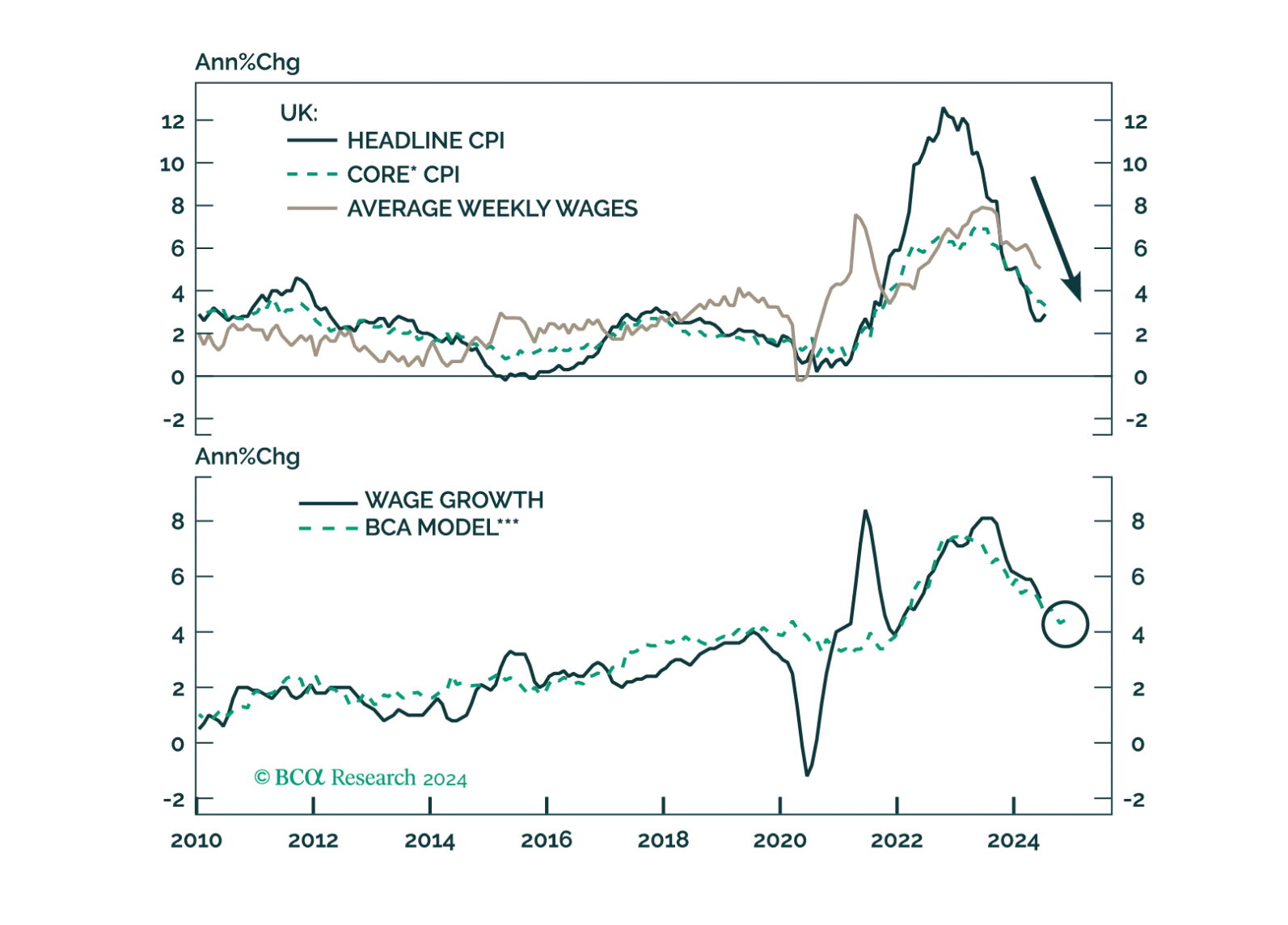
What do the mixed signals sent by the UK economy mean for the Bank of England, and what are the implications for Gilts and the British pound?
Informe especial

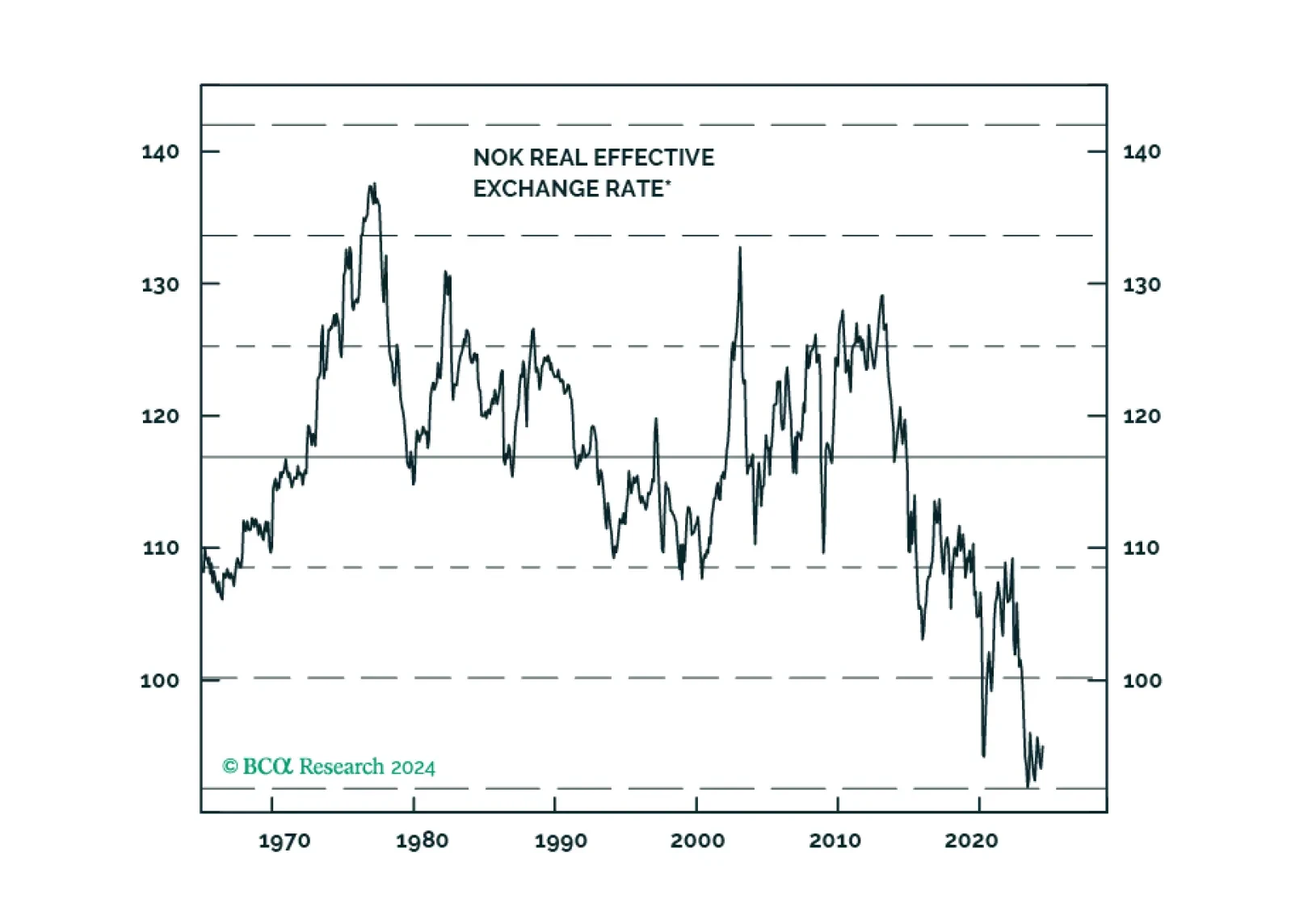
In this report, we gauge the reasons behind the persistently weak Norwegian krone, despite what appears to be benign domestic economic conditions.

Preliminary estimates suggest that US retail sales surprised to the upside in July. They grew by 1.0% m/m from a 0.2% monthly contraction in June, exceeding expectations of a slower 0.4% pace of growth. Sales of vehicles and parts (+3.6% m/m) were the main…
US industrial production fell by a larger-than-expected 0.6% m/m in July, the largest monthly decline so far this year. Capacity utilization also decreased a full percentage point to 77.8% Although Hurricane Beryl distorted these nationwide July numbers, it…
China’s economic malaise extended through the month of July. The contraction in property investment worsened (-10.2% YTD y/y) and disappointed expectations of a slower pace of decline. Residential property sales remained dismal (-25.9% YTD y/y). Industrial…
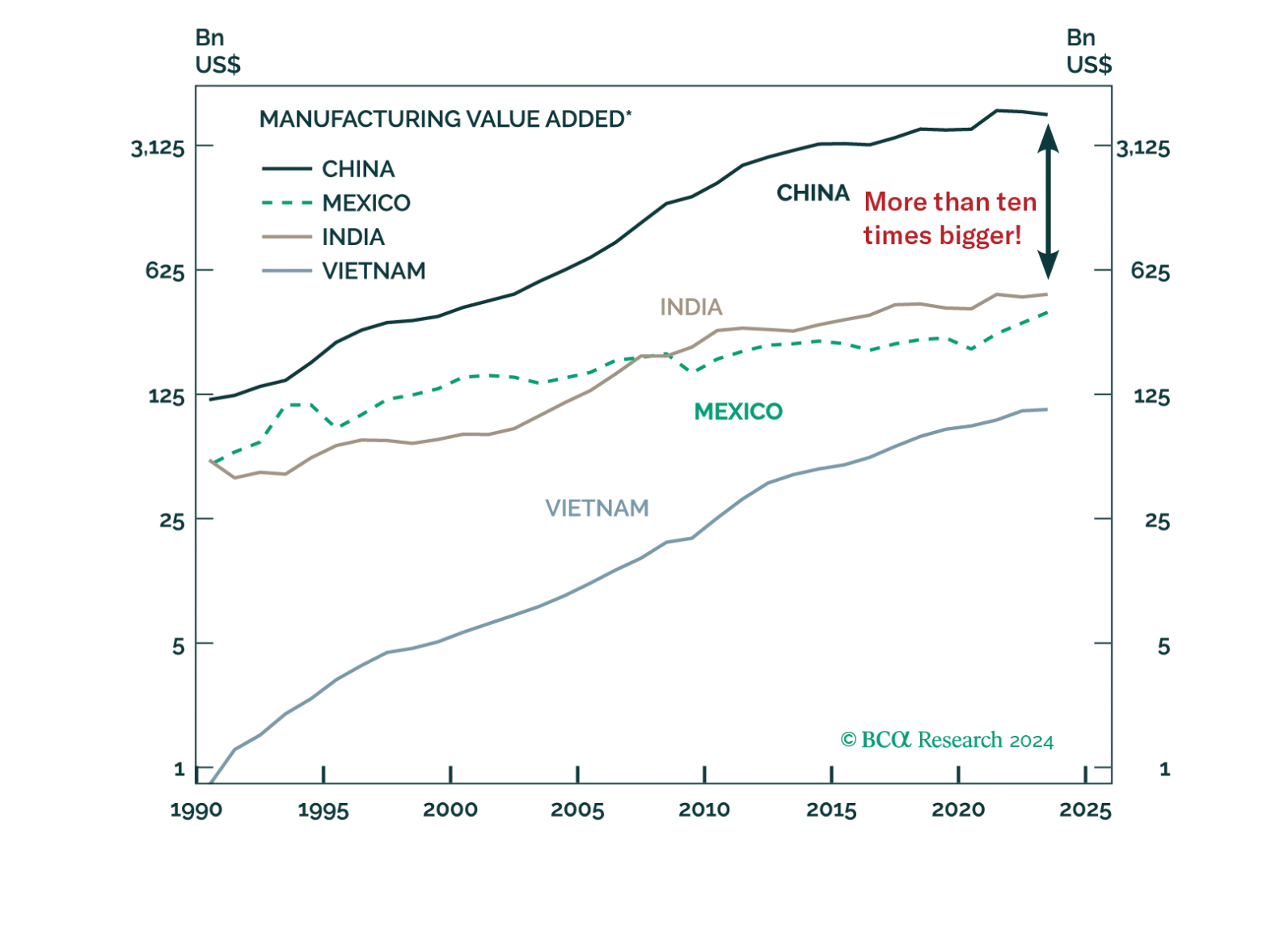
"There's no supply chain in the world that's more critical to us than China." — Tim Cook, CEO of Apple, March 2024 According to BCA Research’s China Investment Strategy and Emerging Market Strategy services, while high-profile multinational companies like…

The current Fed easing cycle will likely be a “buy the rumor, sell the news” phenomenon. The basis is our expectation that the US economy is heading into a rough landing. The primary driver of EM currencies is not US interest rates but the global manufacturing cycle.
Informe especial

Las multinacionales están intentando ampliar sus cadenas de suministro más allá de China, pero el proceso de reubicación ha sido más lento de lo esperado. Sin embargo, en los próximos años, las tensiones geopolíticas, los cambios en el entorno empresarial de China y la creciente competencia de los productores chinos podrían acelerar la salida de las multinacionales de China.