Inflation/Deflation

The Federal Reserve cut interest rates by 25 bps as expected yet introduced uncertainty on the timing of its next move. The statement was relatively unchanged, except for the removal of a segment from September highlighting they had gained greater confidence…
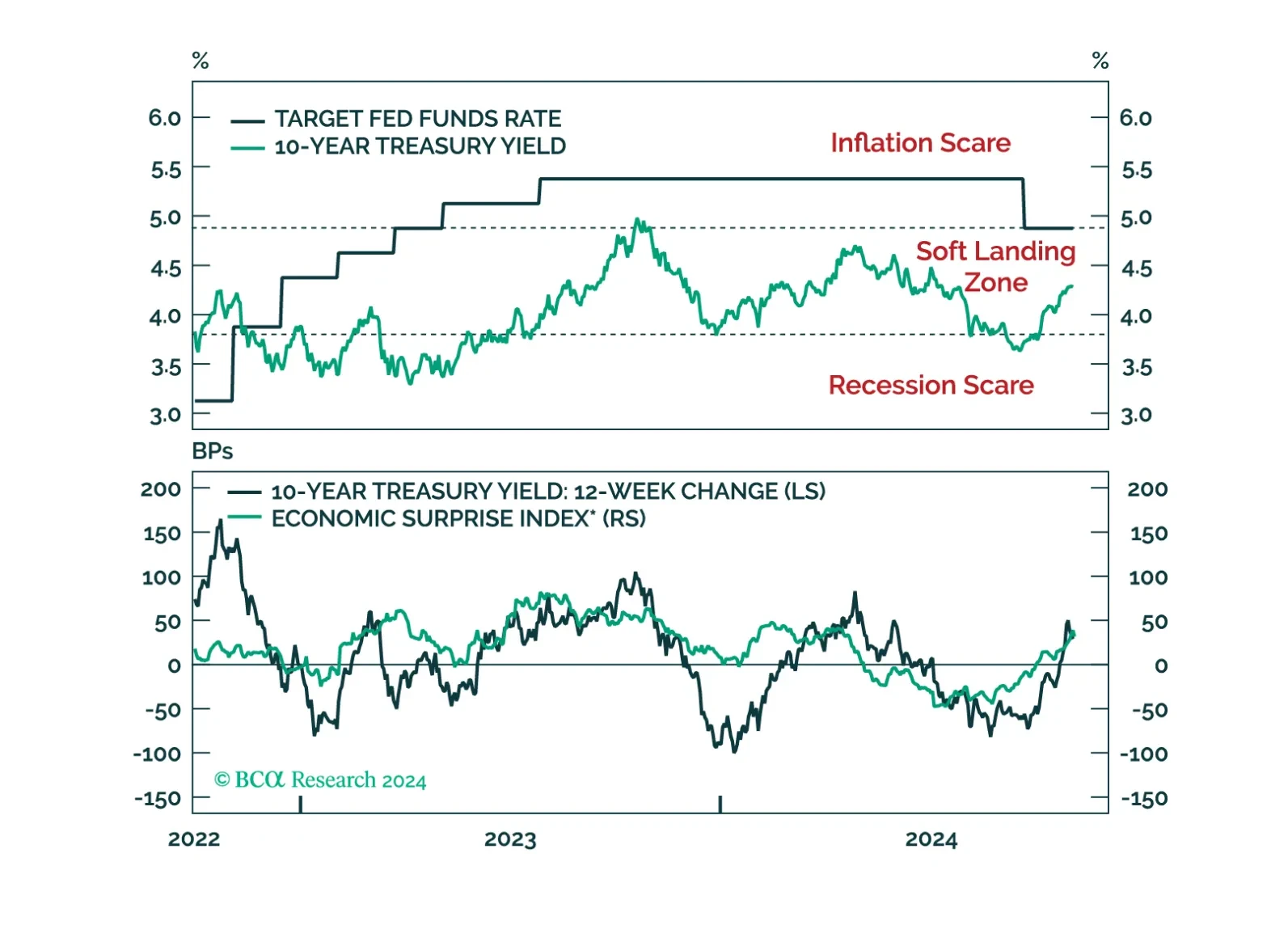
The post-COVID inflation pushed bond yields higher, turning the stock-bond yield correlation negative and taking away bonds’ hedging properties. The relationship normalized this summer as economic data surprised negatively, pushing equities and yields lower.…
The October ISM non-manufacturing PMI beat expectations, rising to 56 from 54.9 in September, up from a sub-50 low in June. Most components indicate an expansion, but the only significant increase came from employment. New orders retreated two points to 57.4.…
Given the charged atmosphere surrounding the US election, our Bank Credit Analyst colleagues investigate whether the Fed’s dovish pivot last December was politically motivated. The Fed’s actions appear overly dovish, but the answer lies deeper. Their dovish…
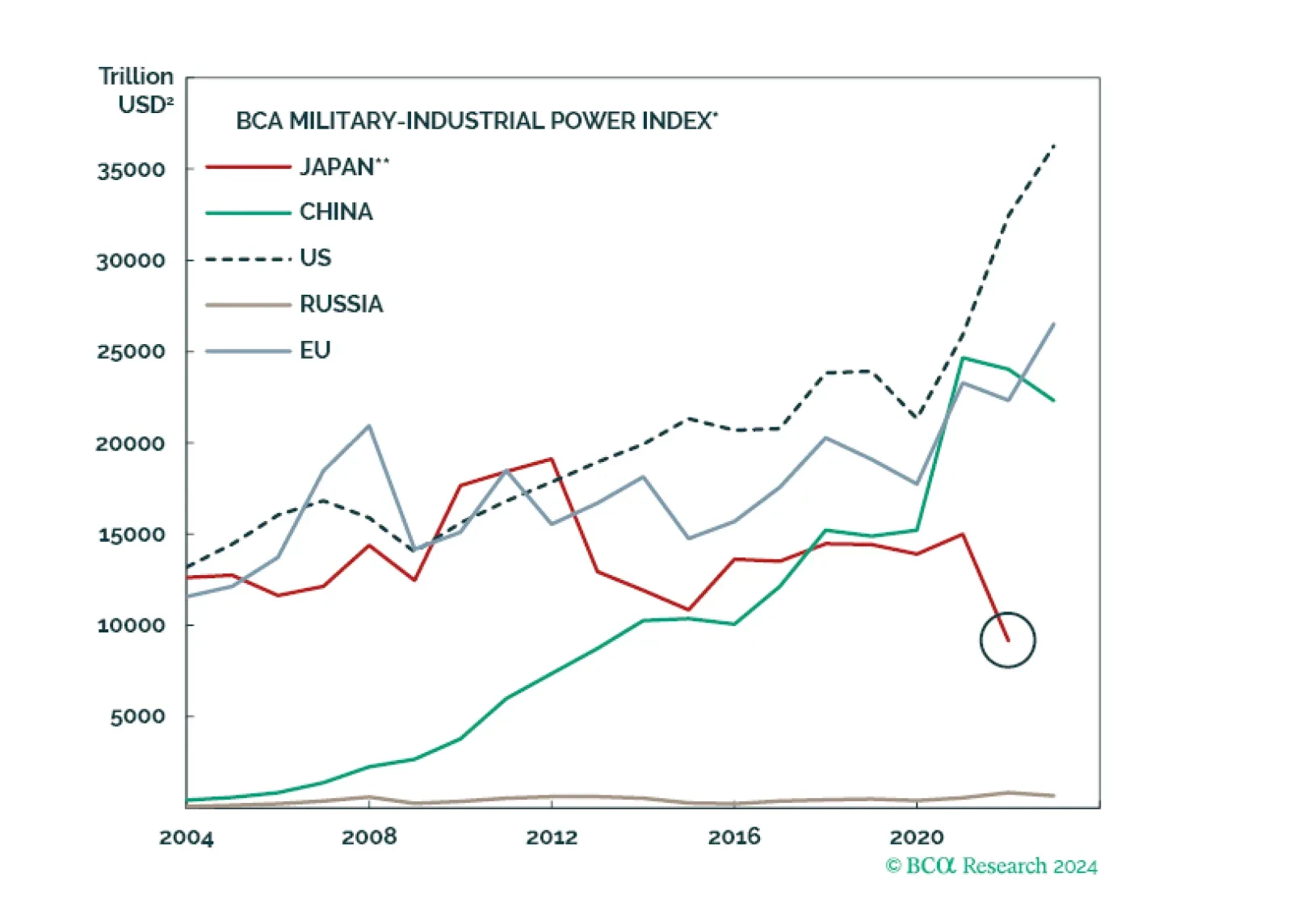
今後数か月で、日本の新政権は財政政策を緩和し、それが国内需要をわずかに押し上げるだろう。短期的には金融政策がさらに引き締まる可能性があるが、長期的にはそれほど強くはならない。地政学的環境が日本を緩和的な経済政策へと向かわせる。
The October ISM Manufacturing missed expectations, decreasing to 46.5 from 47.2 in September. The Prices Paid component jumped, rising to 54.8 from 48.3 the month prior. New Orders showed a small upside surprise at 47.1, up 1 point on the month, pushing the…
The Fed’s preferred measure of inflation, core PCE, met expectations of a reacceleration to 0.3% month-on-month, and reached 2.7% year-over-year. The rest of the Personal Income and Outlays report showed solid consumption growth, although supported by a…