Sorry, you need to enable JavaScript to visit this website.
メインコンテンツにスキップ
メインコンテンツにスキップ

経済成長

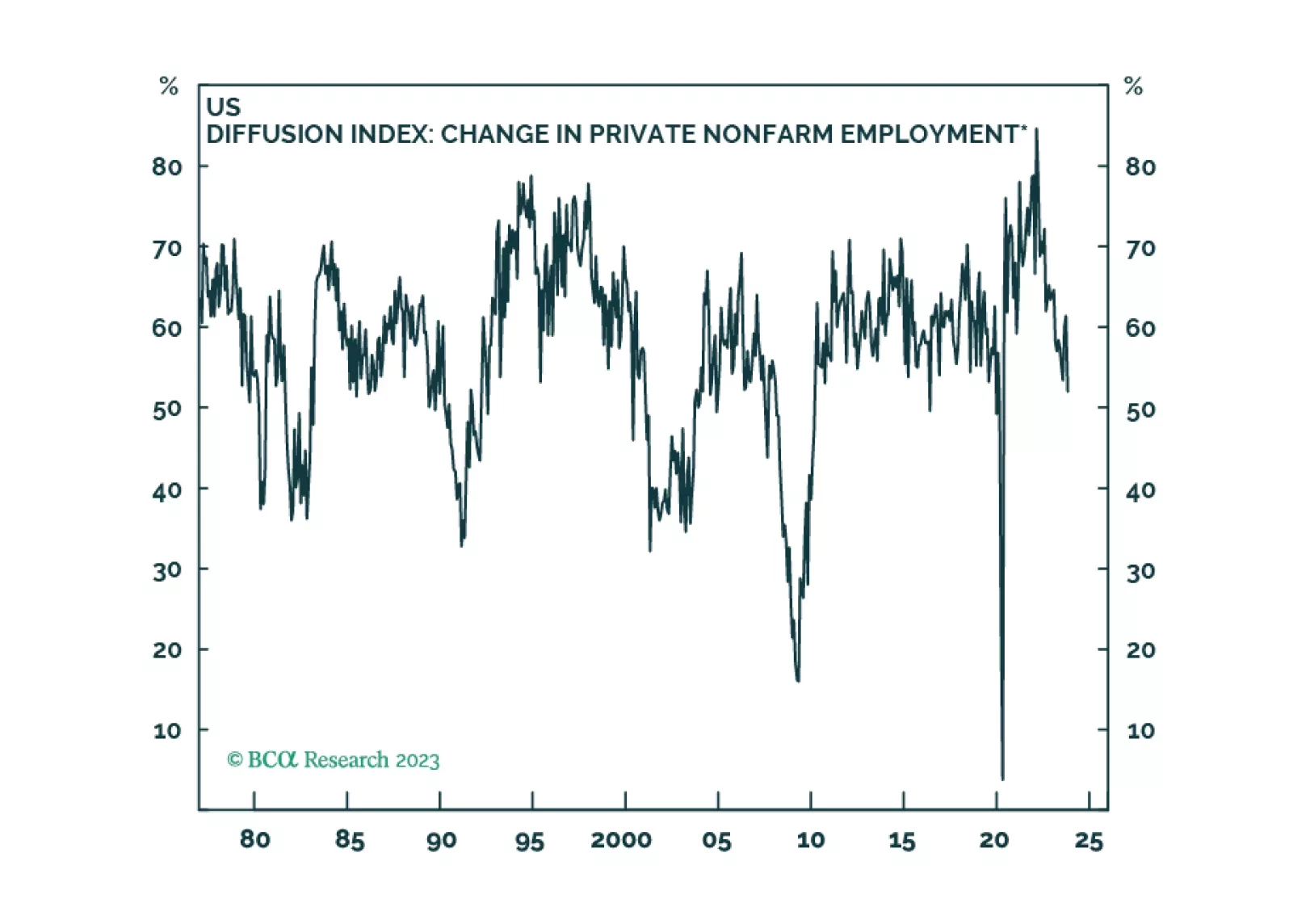
Labor markets are softening in most developed economies, as is usually the case in the lead-up to recessions. Our base case is that the global recession will begin in the second half of 2024, but we will be monitoring our MacroQuant model on a daily basis for confirmation.
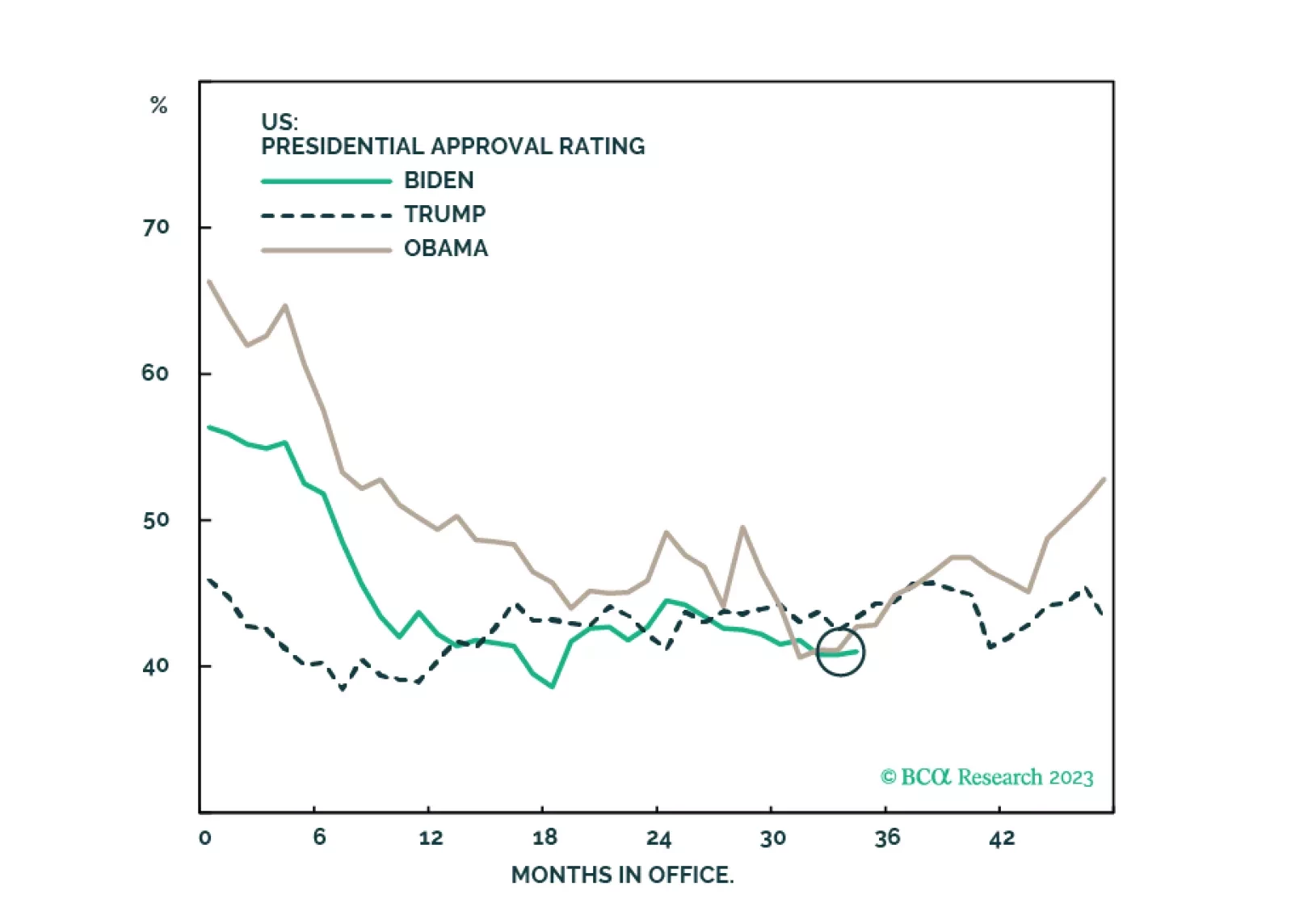
Results from Tuesday’s elections suggest that the Democrats are doing better than what their 2024 polling are showing. While the results are marginally positive for equities, investors should not overrate this off-year election, especially considering the slowing economy and the many foreign challenges facing the US.

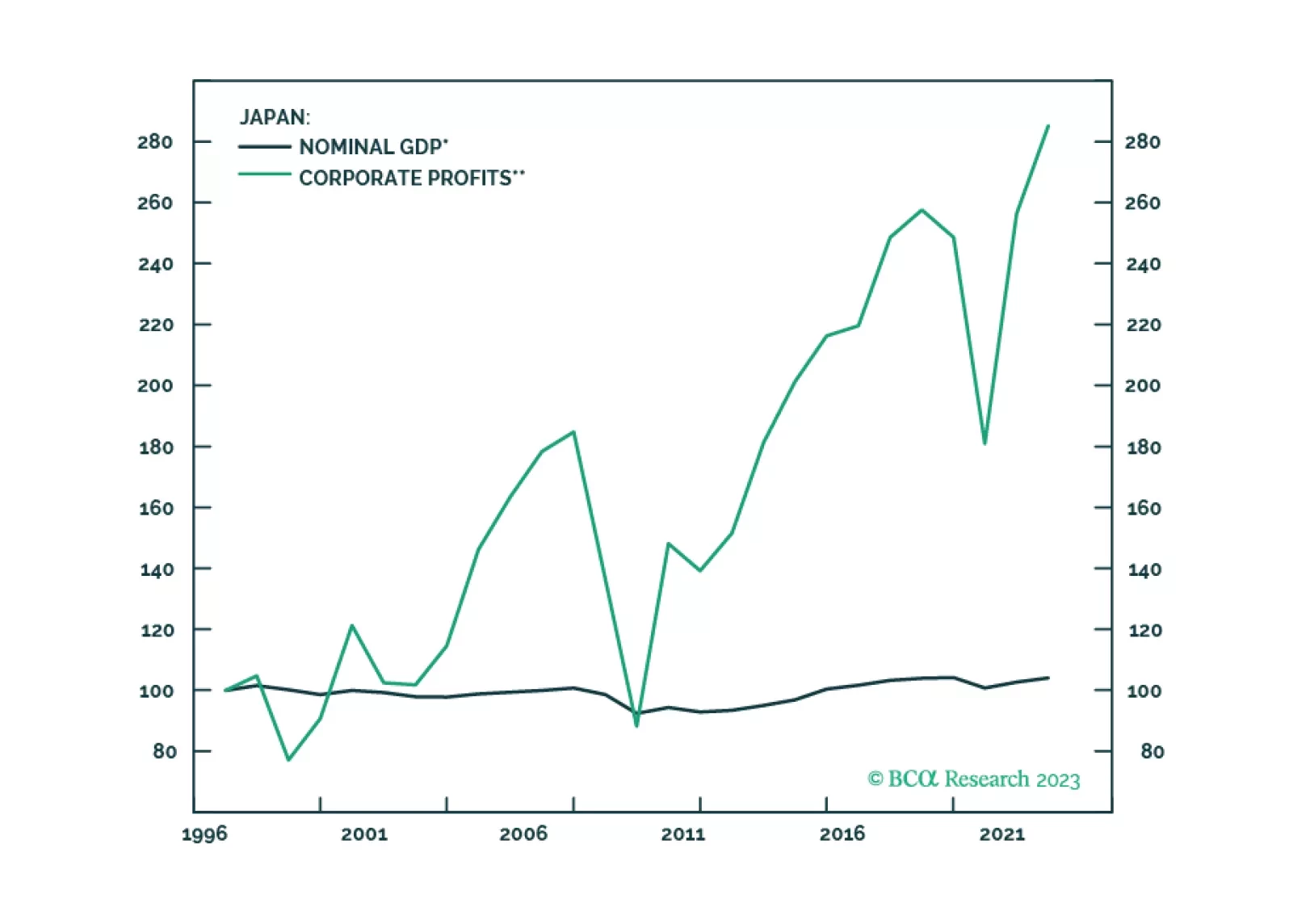
According to BCA Research’s Counterpoint service, the ECB is the central bank that poses the lowest risk of repeating the mistakes of the 1970s and letting inflation expectations unanchor. One reason is the ECB’s inherited Germanic anti-inflation DNA. Even…
After surging in H2 2021/H1 2022, the Atlanta Fed's Wage Growth Tracker has been on a general downtrend for over a year. The latest reading of 5.2% in October – albeit unchanged from September – is considerably below the peak of 6.7% just over a year ago.…
As expected, Euro Area retail sales continued to decline on both a month-over-month and a year-over-year basis in September. The 0.3% m/m drop is slightly below expectations of -0.2% m/m while the 2.9% y/y decline is not as bad as consensus estimates of -3.1%…
US small-cap stocks have underperformed significantly this year. While the S&P 500 price index is up 14.0% year-to-date, the S&P 600 has lost 2.5%. However, this underperformance has not been a straight line down. Small caps benefited from a…
The economies of Canada and Australia share many similarities.  Both nations are major commodity exporters, but with overvalued housing markets and highly indebted consumers.  Lately, however, a notable gap has appeared between the economic…
The Global Composite PMI slid to 9-month low in October, sending a pessimistic signal about economic conditions around the world. The 0.5-point decline pushed the index down to 50.0 – right on the boom-bust line indicating that global activity stagnated last…
特別レポート

Economic growth has little to no relationship with long-term country returns. But if GDP doesn’t drive long-term equity returns, then what does? To find out, we break down equity total returns of 33 countries from 1997 to 2022 into seven components. In line with other academic research, we find that, over our sample, net buybacks were a crucial factor for long-term country performance. Our research suggests that equity issuance is an underestimated driver of returns that investors should pay more attention to.
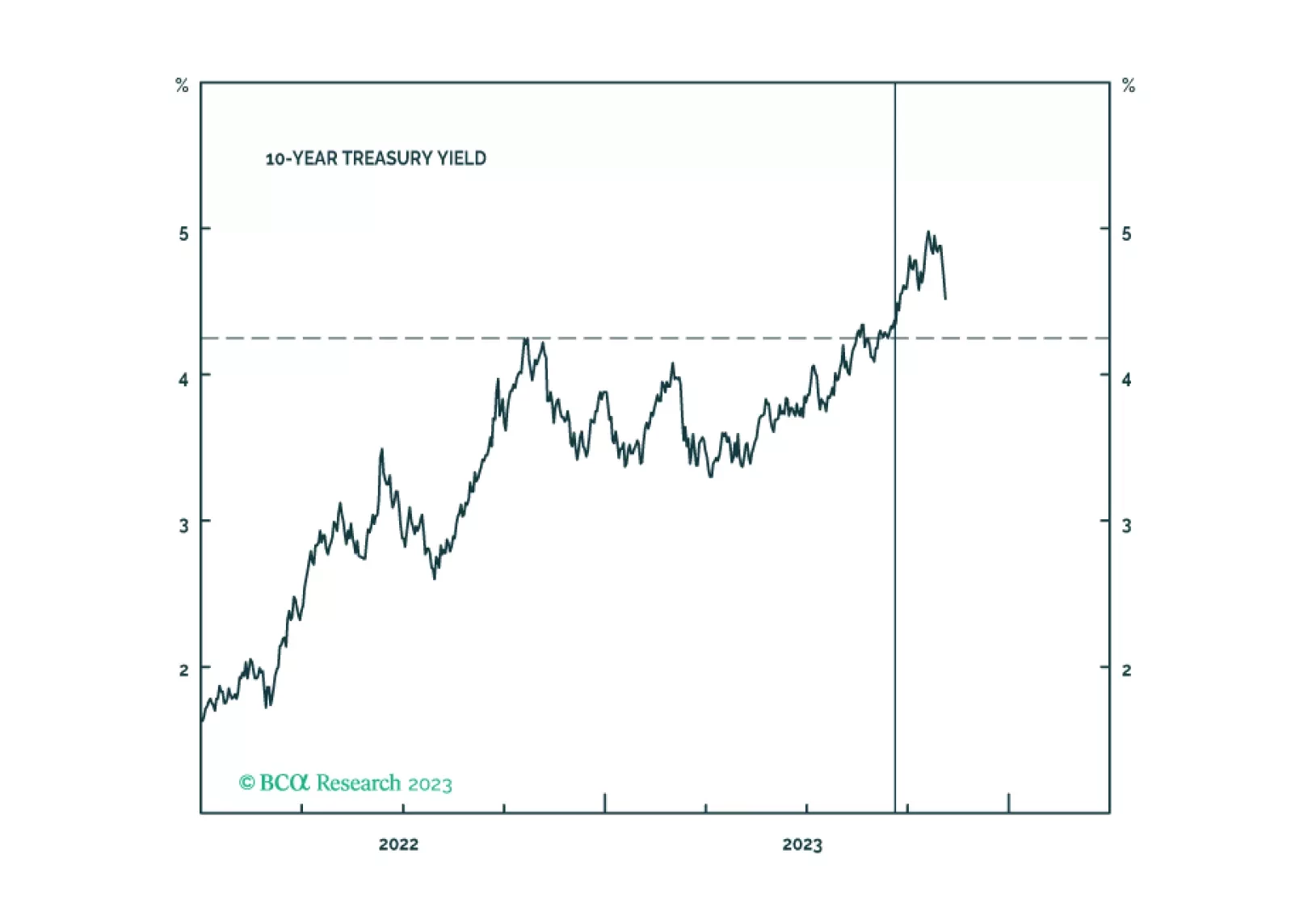
We consider several uncertainties in this week’s report, from the interest rate outlook to the source of the mountain of cash households have amassed since the pandemic began. We have not adjusted our tactical asset-allocation recommendations but will do so soon to align with the defensive cast of our cyclical recommendations.