ペルシャ(湾)
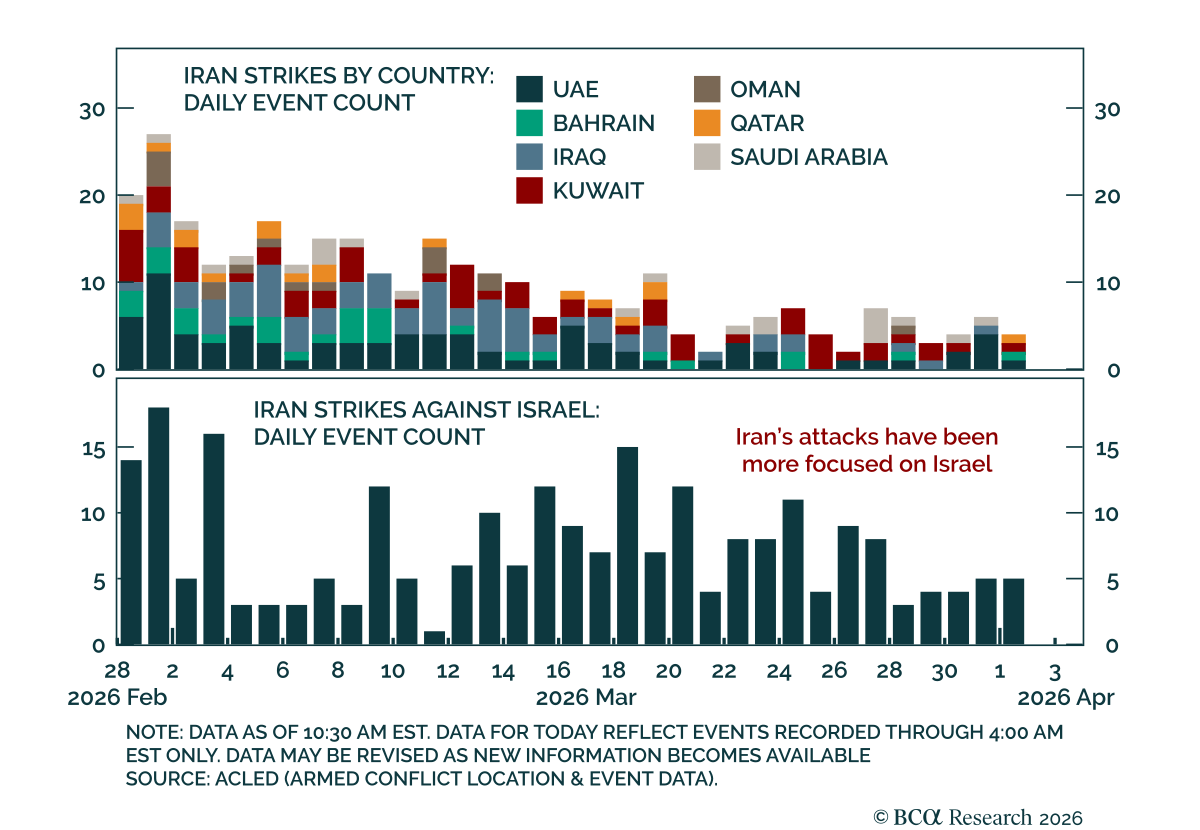
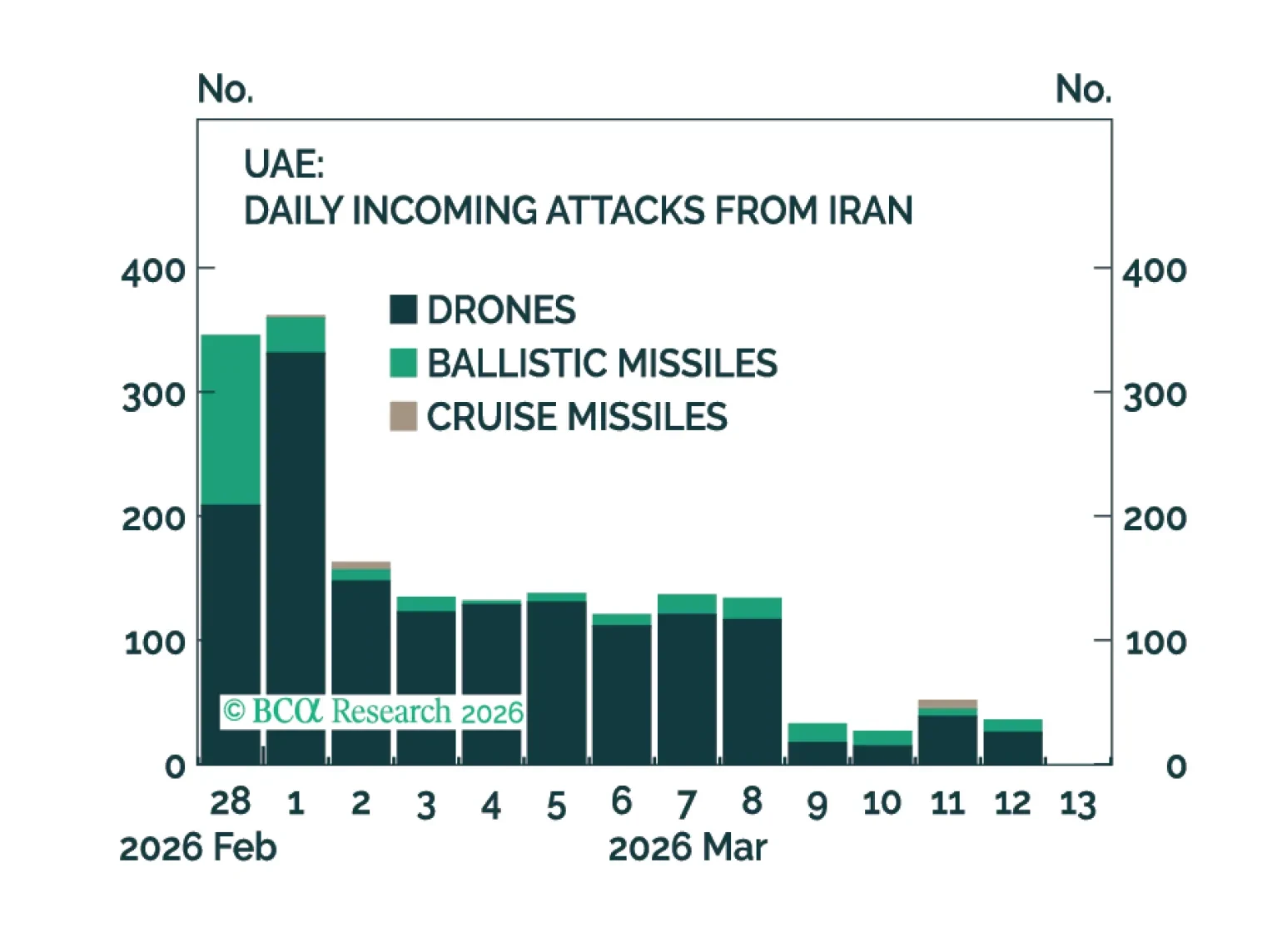
中東の紛争は続いており、米国とイスラエルがイランの軍事施設や国内治安拠点を攻撃し続ける中、イランは湾岸諸国に対してミサイルやドローンで応じている。イランの報復のペースは落ちたが、UAEへの攻撃に見られるように安定しているようだ。
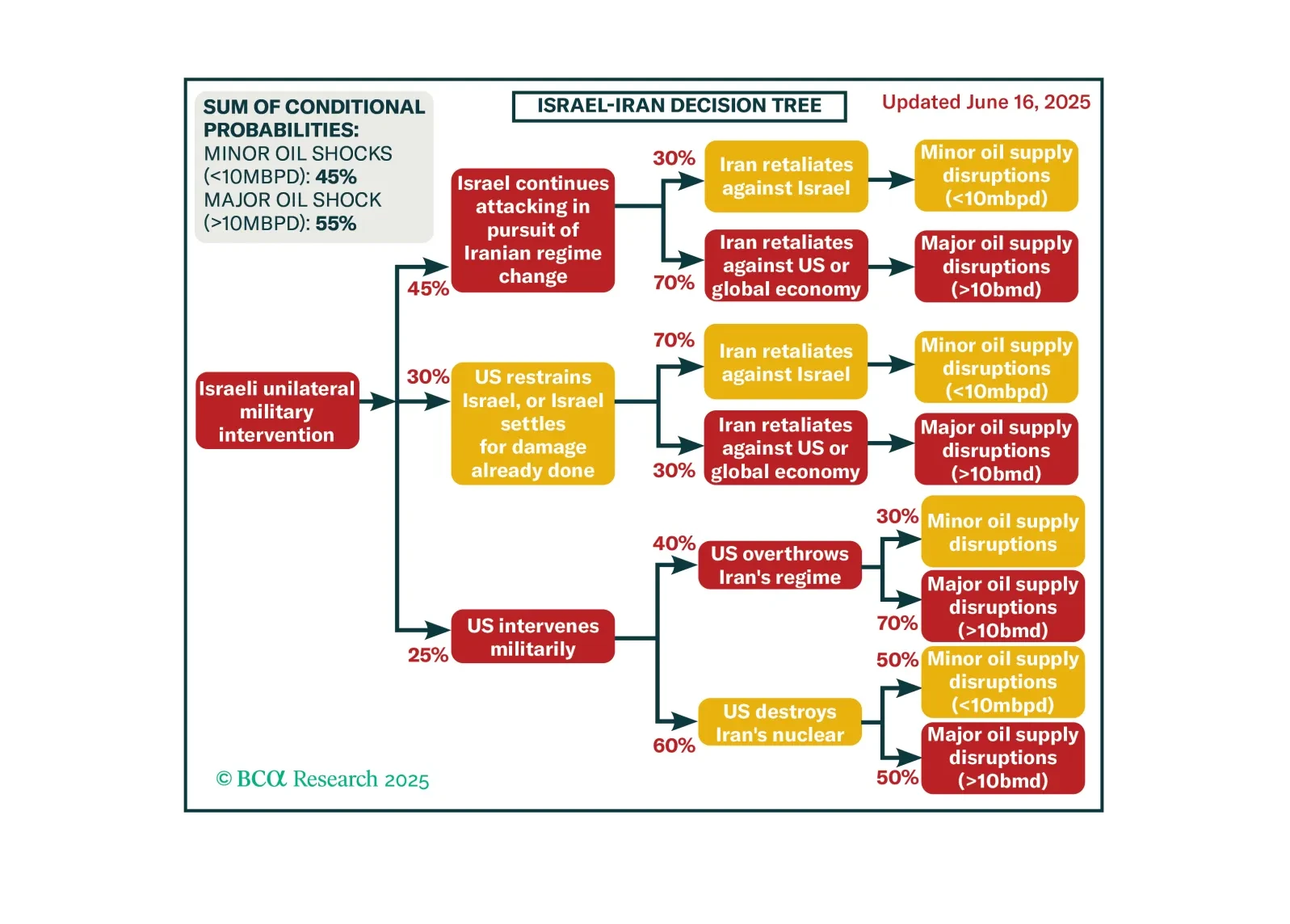
イスラエルによるイランへの攻撃は、イランが地域の石油供給を攻撃し、アメリカがイスラエルを抑制するよう強制されるまで継続するでしょう。しかし、それがうまくいかない可能性もあります。投資家は、紛争が経済全体に及ぼすより広範な影響に備えるべきです。
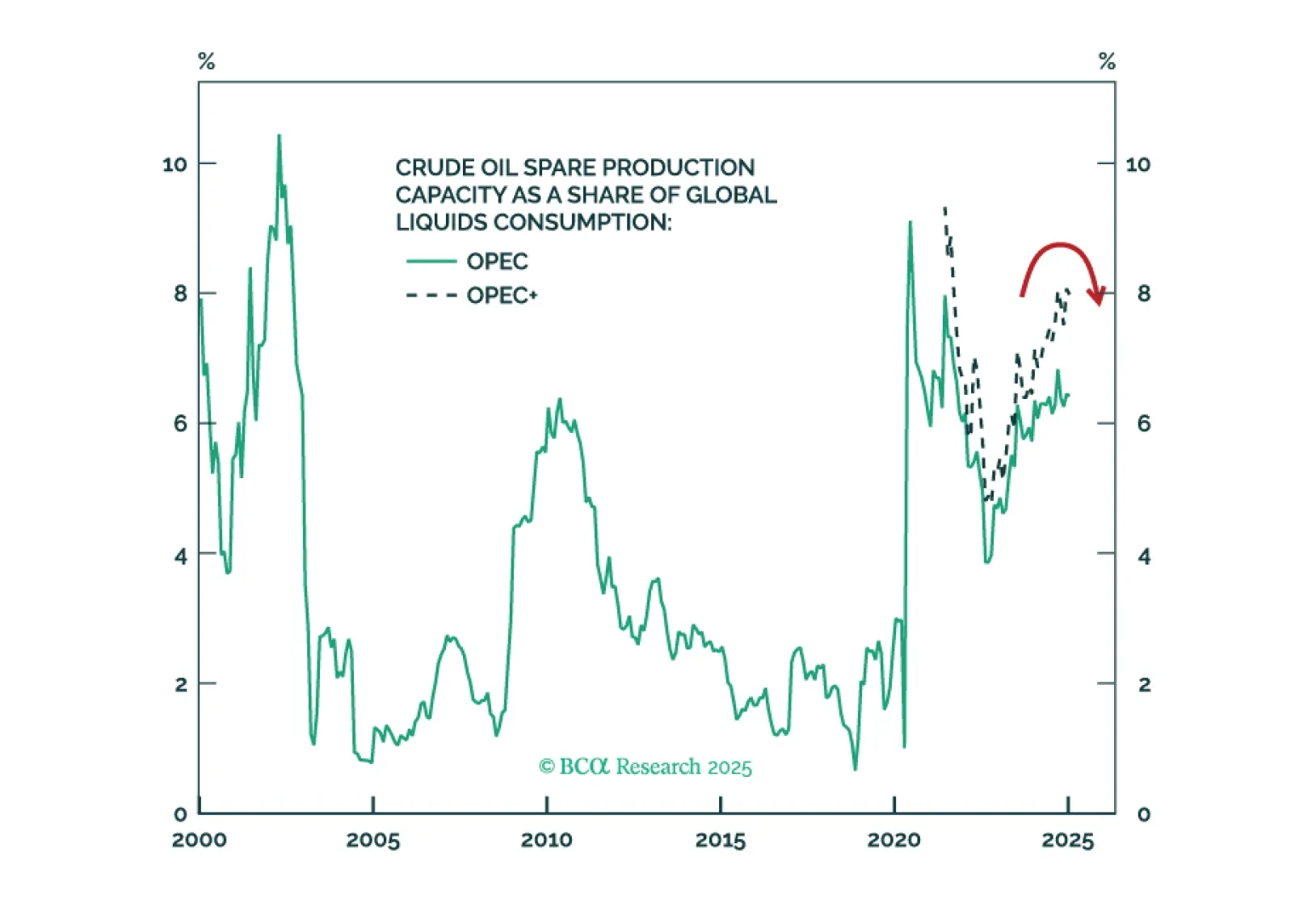
Investors should hold gold, build up some cash, tactically overweight US equities relative to global, and prepare for at least minor oil supply shocks – possibly major shocks – as the Israel-Iran war escalates.
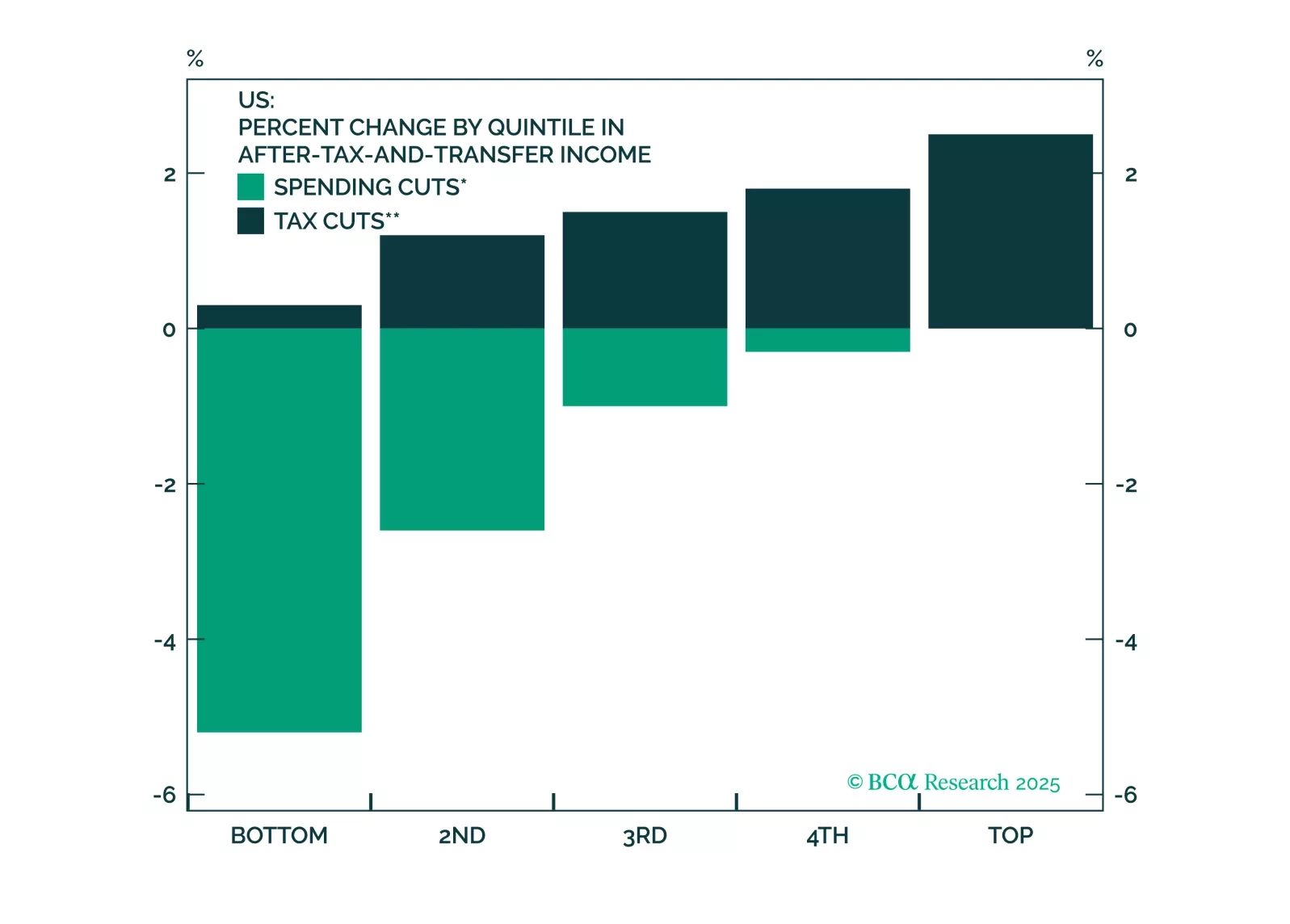
Stocks will continue to struggle in the second quarter as President Trump tries to implement tariffs. Tax cuts will only temporarily dispel growth fears, if at all. Middle Eastern instability will add oil price surprises to an environment that is looking fairly stagflationary.
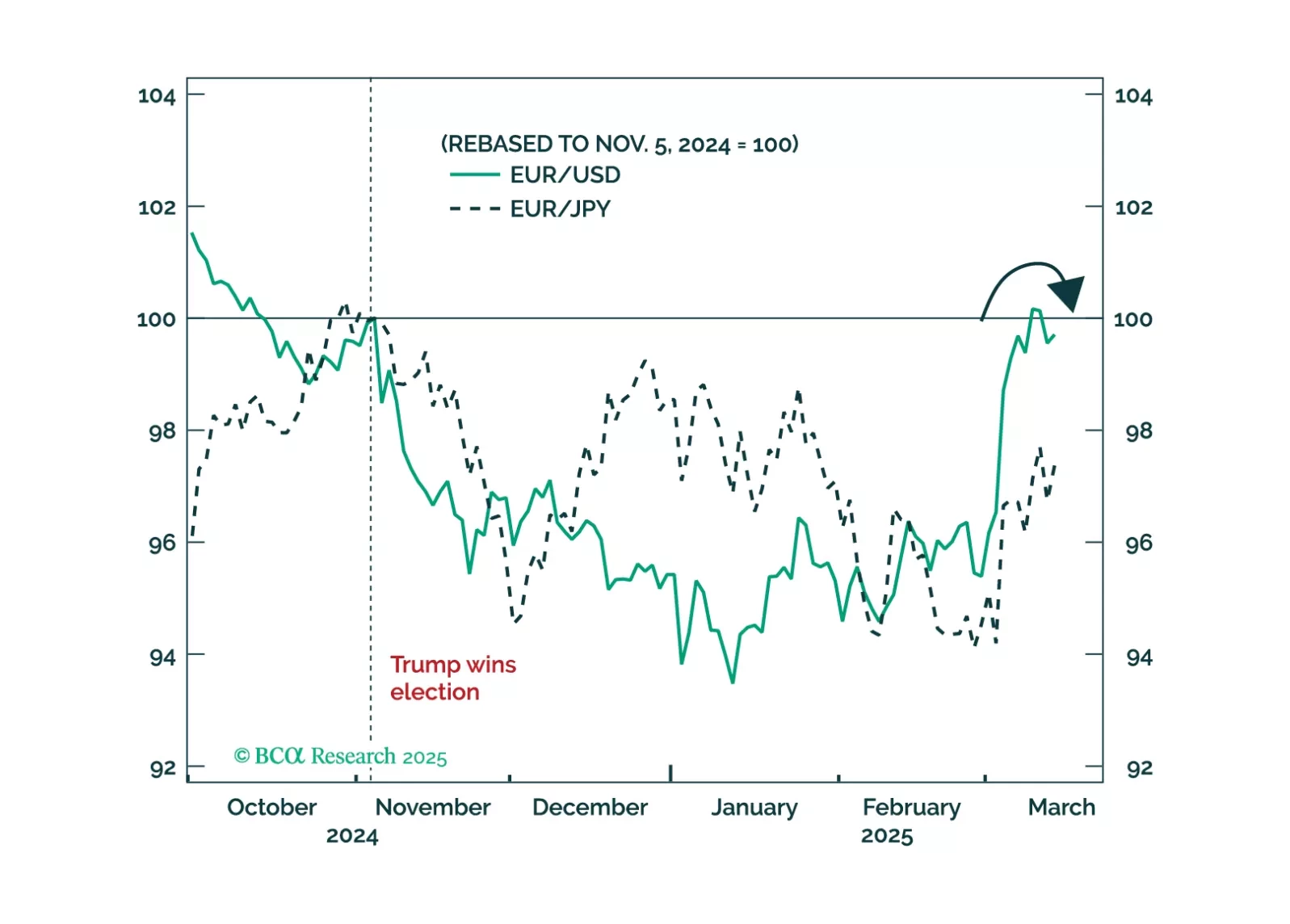
Trump’s foreign policy can be explained by rational US interests, but it requires settling the trade war with allies sooner rather than later. Book gains on EUR-USD for now.
- Congress will pass tax cuts by end of 2025 producing a fiscal thrust of about 0.9% of GDP in 2026.
- Trump will count on that stimulus as a basis for slapping tariffs on leading trade partners.
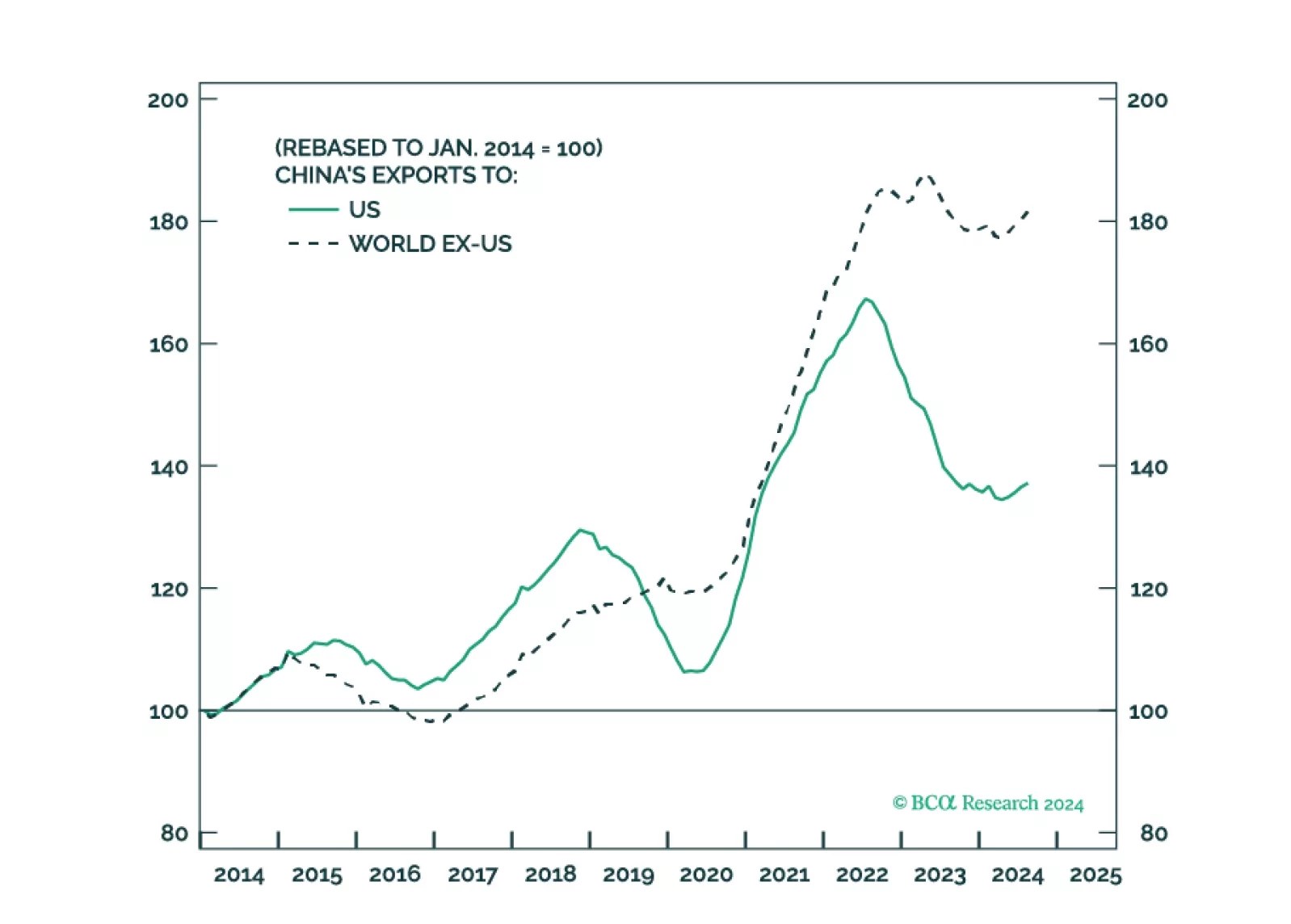
- China will retaliate against Trump and stimulate its domestic economy, while pursuing stronger trade ties with other countries. Europe will also retaliate.
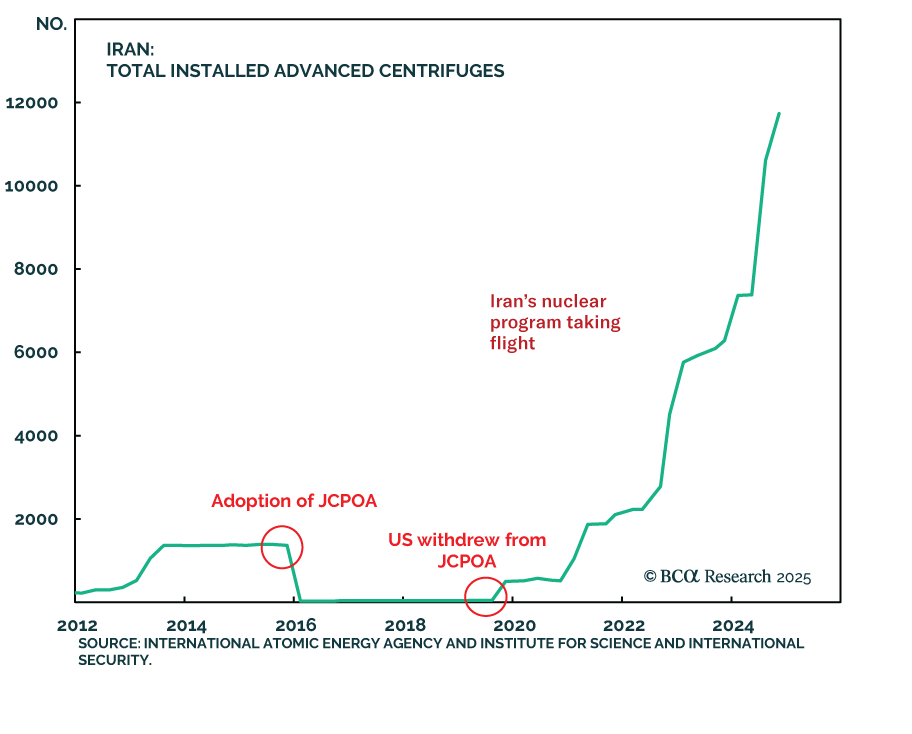
- Geopolitical risk will shift from Ukraine-Russia to Israel-Iran, where the conflict will continue to escalate until a crisis point is reached within 2025.
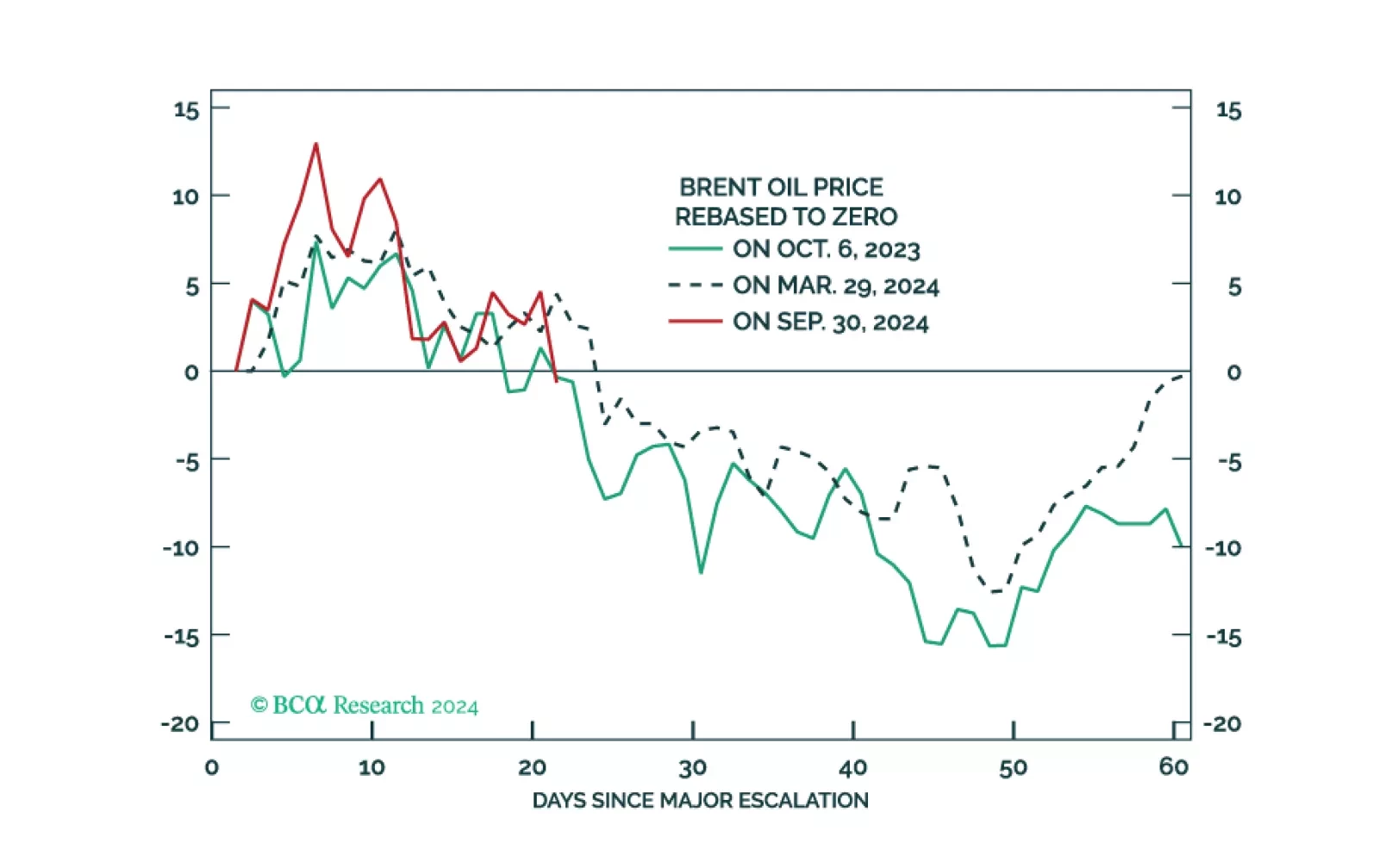
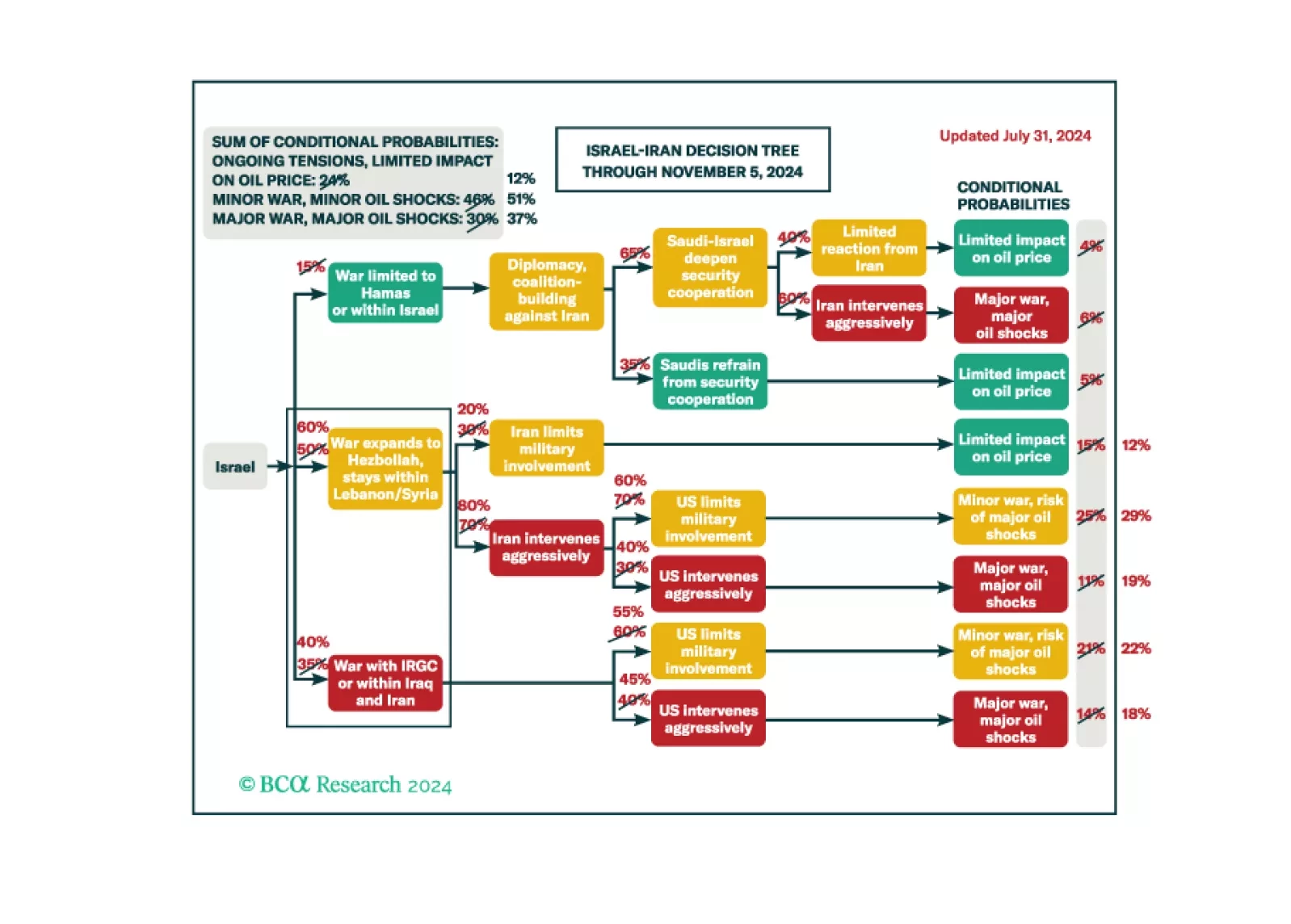
We maintain 37% odds of a major recessionary oil shock, 51% odds of minor shocks, and 12% odds of no shocks.